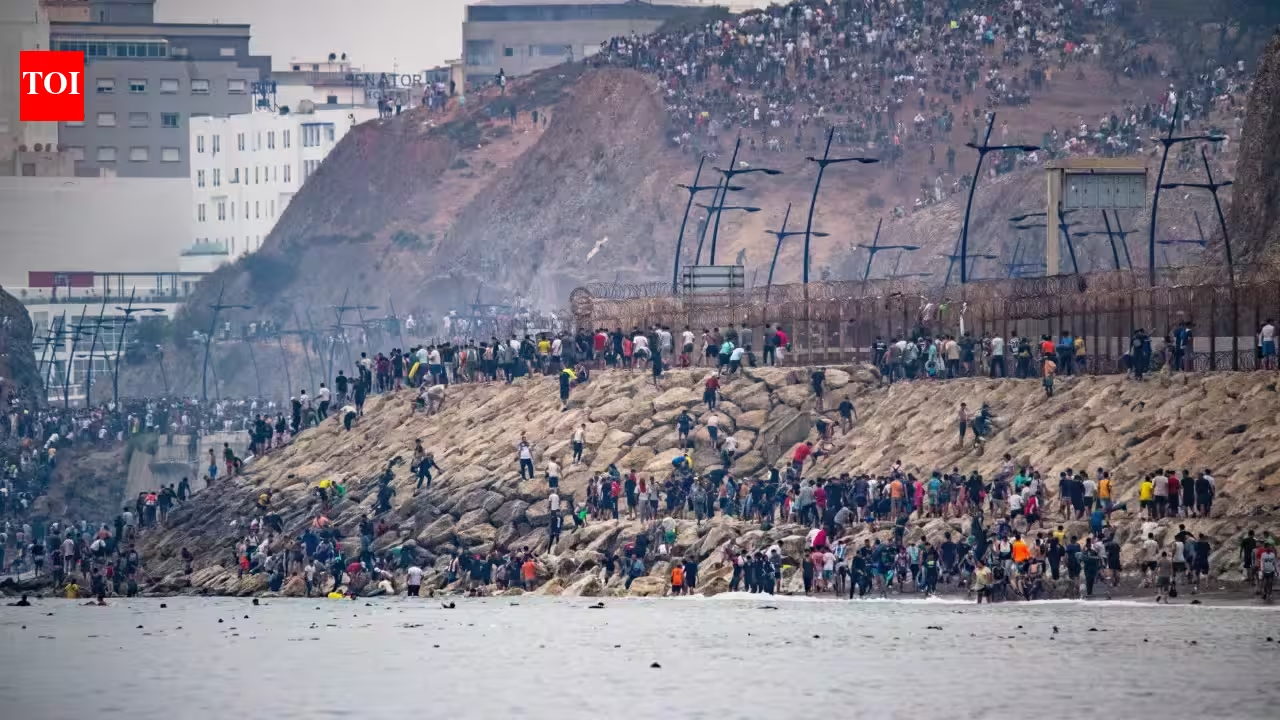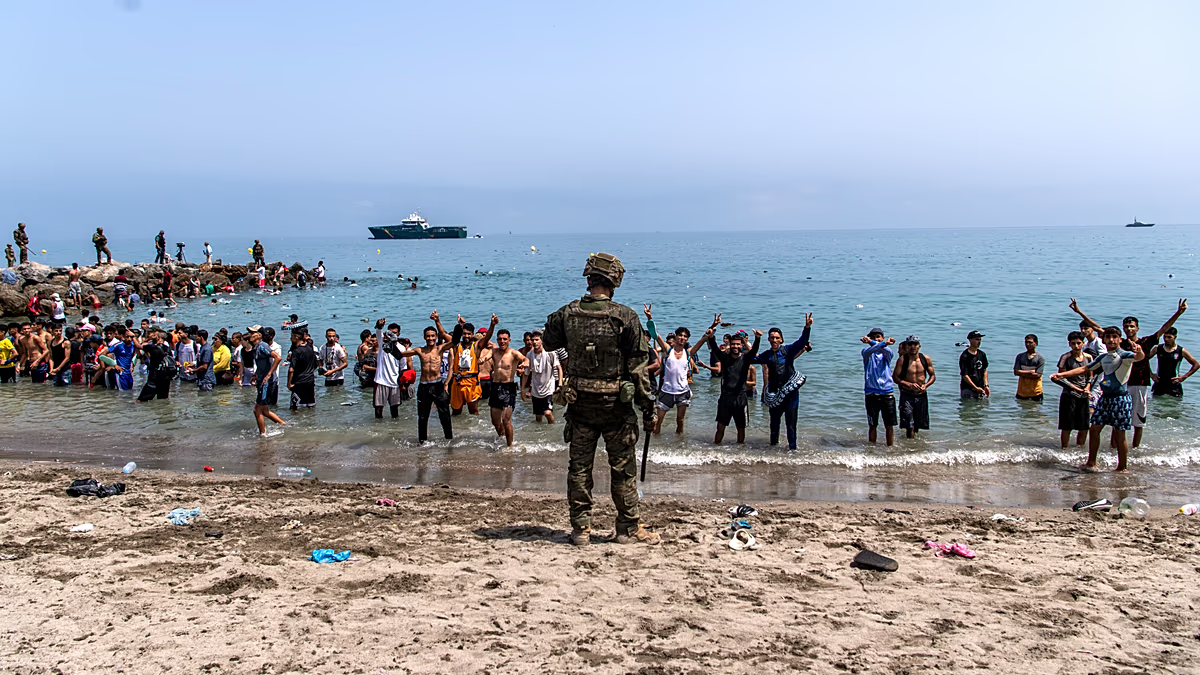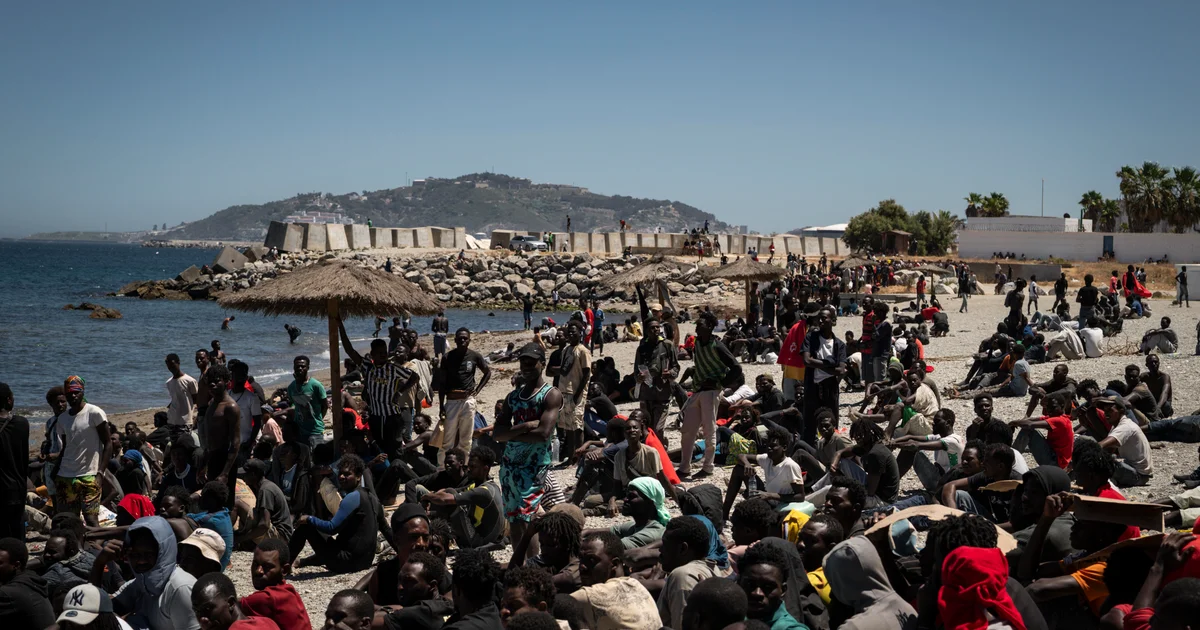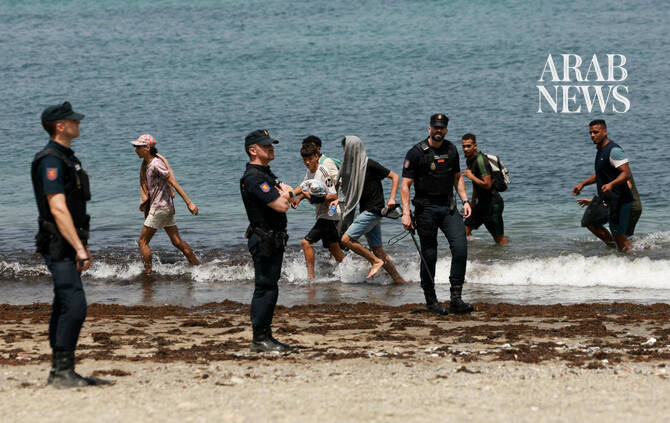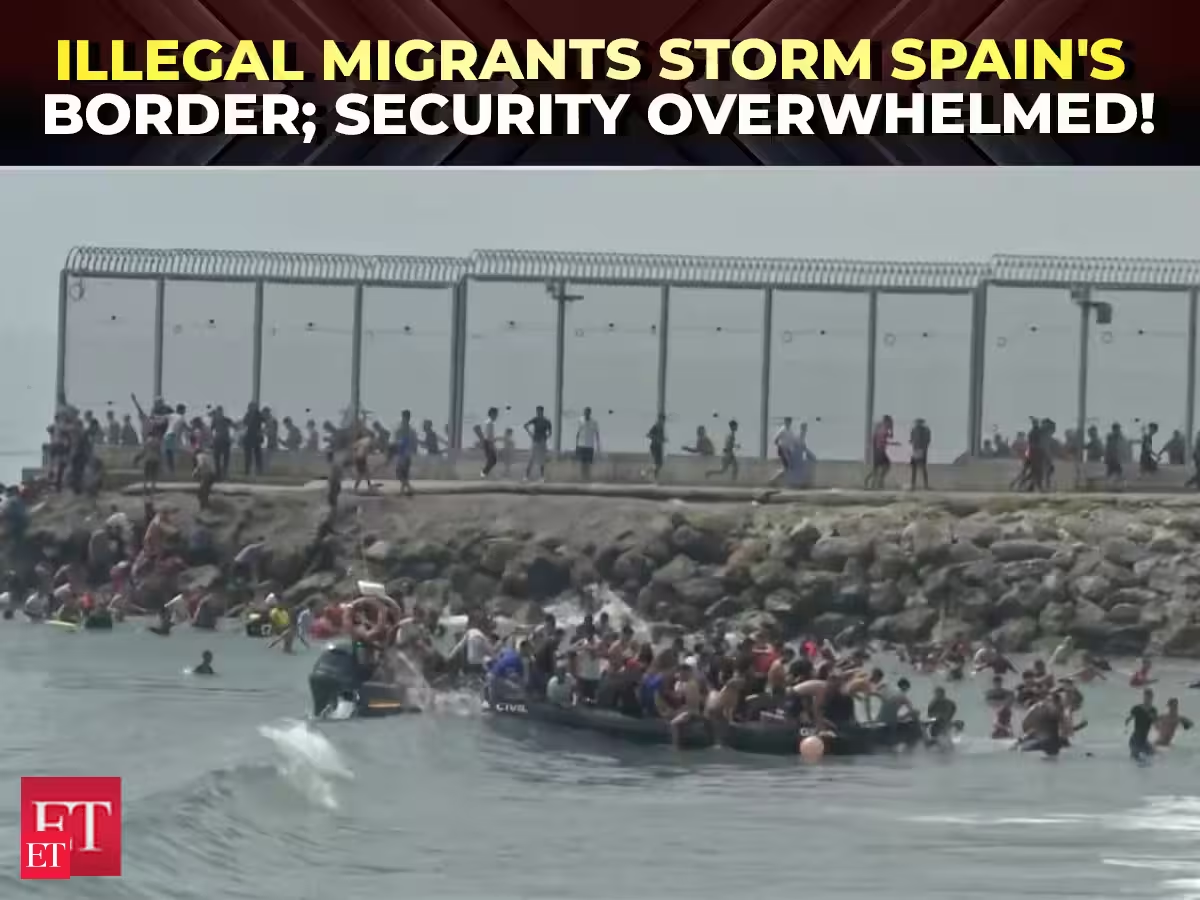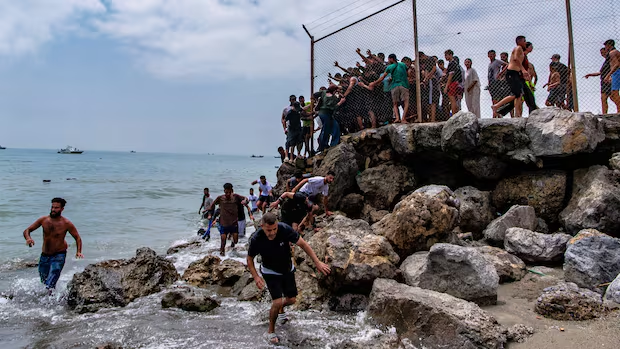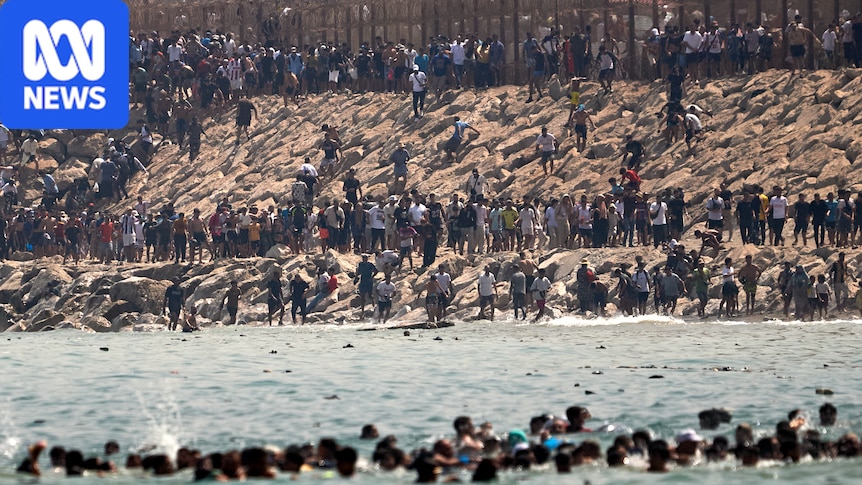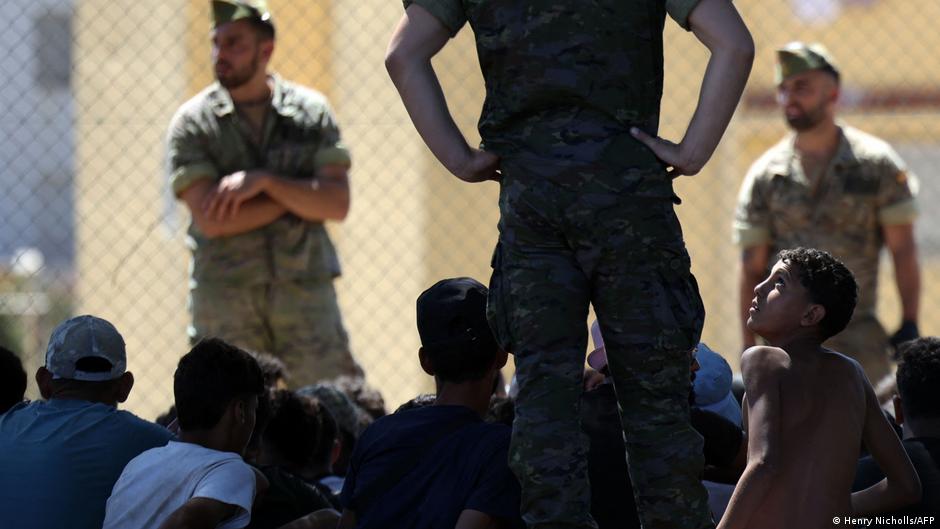
For a long time, the Moroccan government chose not to comment on the Ceuta border crisisthat saw tens of thousands of migrants surging into the Spanish exclave on the African continent. It was not until Sunday that Moroccan interior ministry spokesperson Rachid El Khalfi said "the malicious exploitation of the digital space," "misleading information" and misinterpretations of a Spanish Supreme Court ruling were to blame for the incident. Morocco has since said it never intended for the border surge to happen and has promised full cooperation with Spain.
Spain, however, was quick to suspect Moroccan involvement, with Prime Minister Pedro Sanchez calling the border breach an "attack on our territorial sovereignty." Videos have, after all, surfaced showing Moroccan security forces doing nothing to stop the crowd surging forward.
Efforts have been made to try and explain what caused the migrant crisis. Some have said Spain's recent rapprochement with Algeria may have angered Marocco, while others have speculated US influence may have played a role, although there is no reliable evidence to support the latter theory.A complex situation
DW spoke with two analysts who caution against simplistic explanations. They do, however, ascribe different degrees of responsibility to Marocco for causing the crisis.