The recent ratification of a bill establishing a new body for the development and management of Greece’s cultural assets sparked intense public controversy: What exactly will the Hellenic Heritage Organization SA do, what responsibilities will it assume as a private-law legal entity, and – above all – will it affect the legal framework governing the protection of monuments?
Culture Minister Lina Mendoni speaks to Kathimerini about the misconceptions surrounding the new legislation and its objectives.
The chief criticism against the bill is that it paves the way for changes to the ownership status of Greece’s cultural heritage. Does it, even indirectly, involve any changes to the ownership or use of monuments?
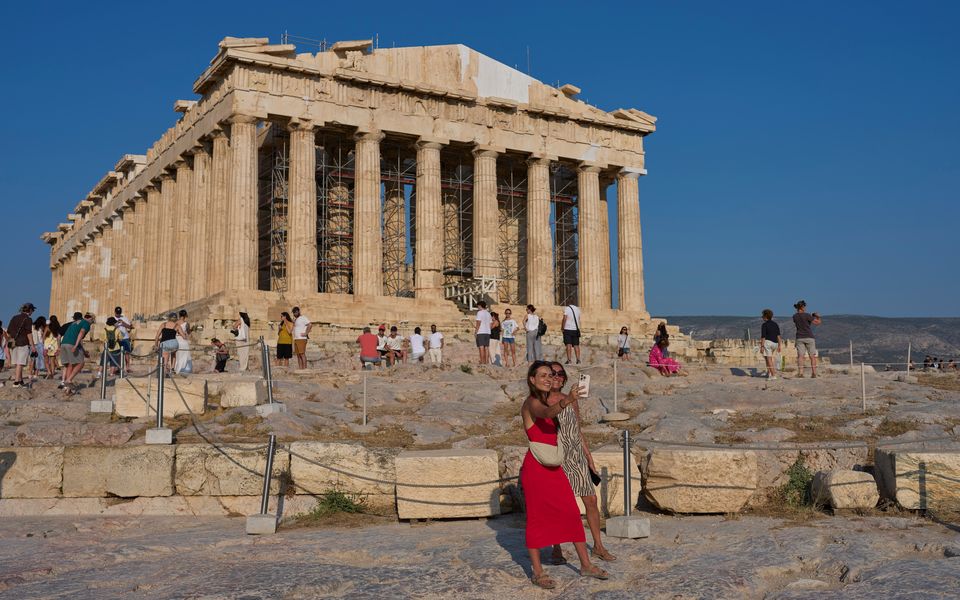
No. The ownership and use of monuments are not altered by a single word. Both the Constitution and archaeological legislation unequivocally establish that cultural heritage is a public good and belongs to the state. Archaeological sites are one thing; the commercial facilities operating inside them are another. Monuments remain exclusively under the authority of the Ministry of Culture, the regional ephorates of antiquities and the Central Archaeological Council (KAS).
Therefore, jurisdiction over the use of the monuments will not be passing to the new entity either.