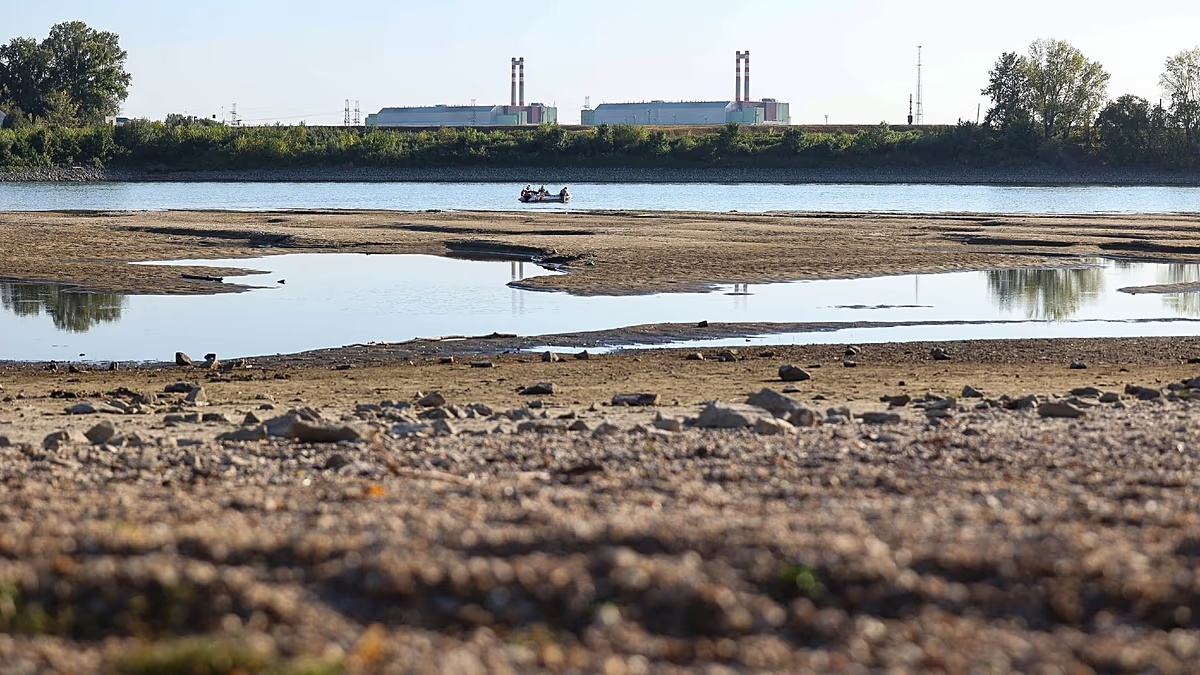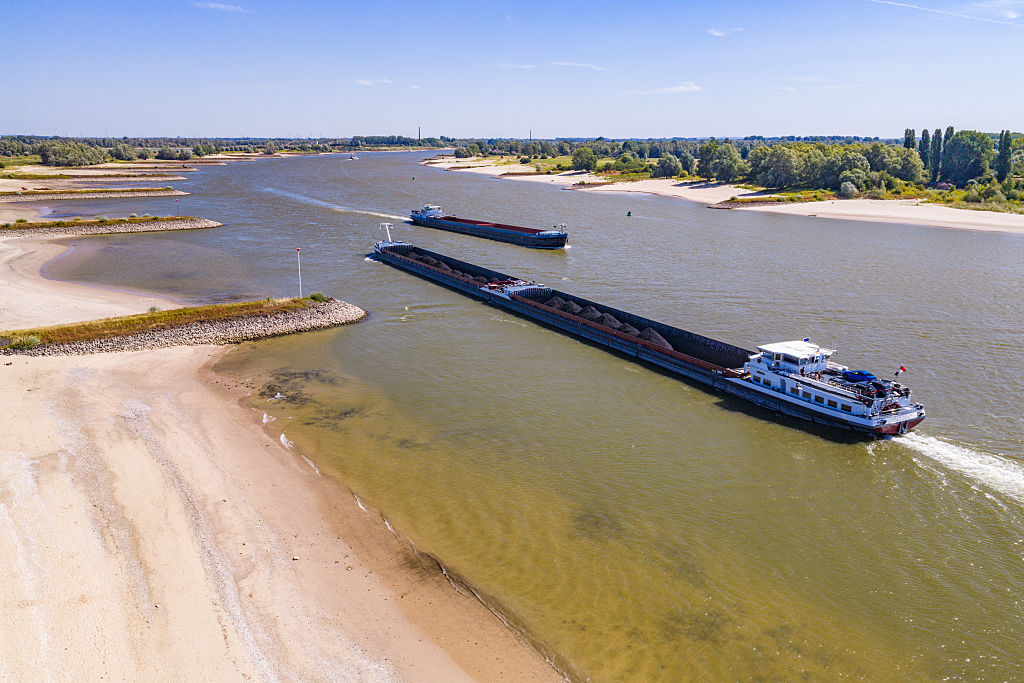
Rivers serve a critical function in Europe's energy supply, cooling power plants and allowing fuel to be delivered
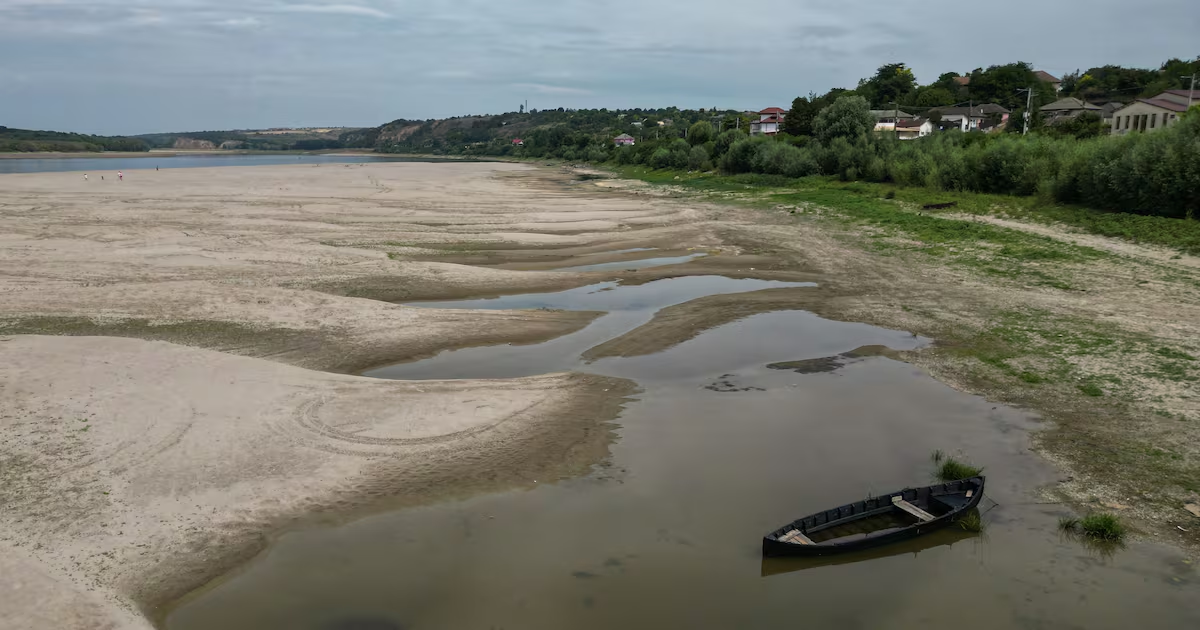
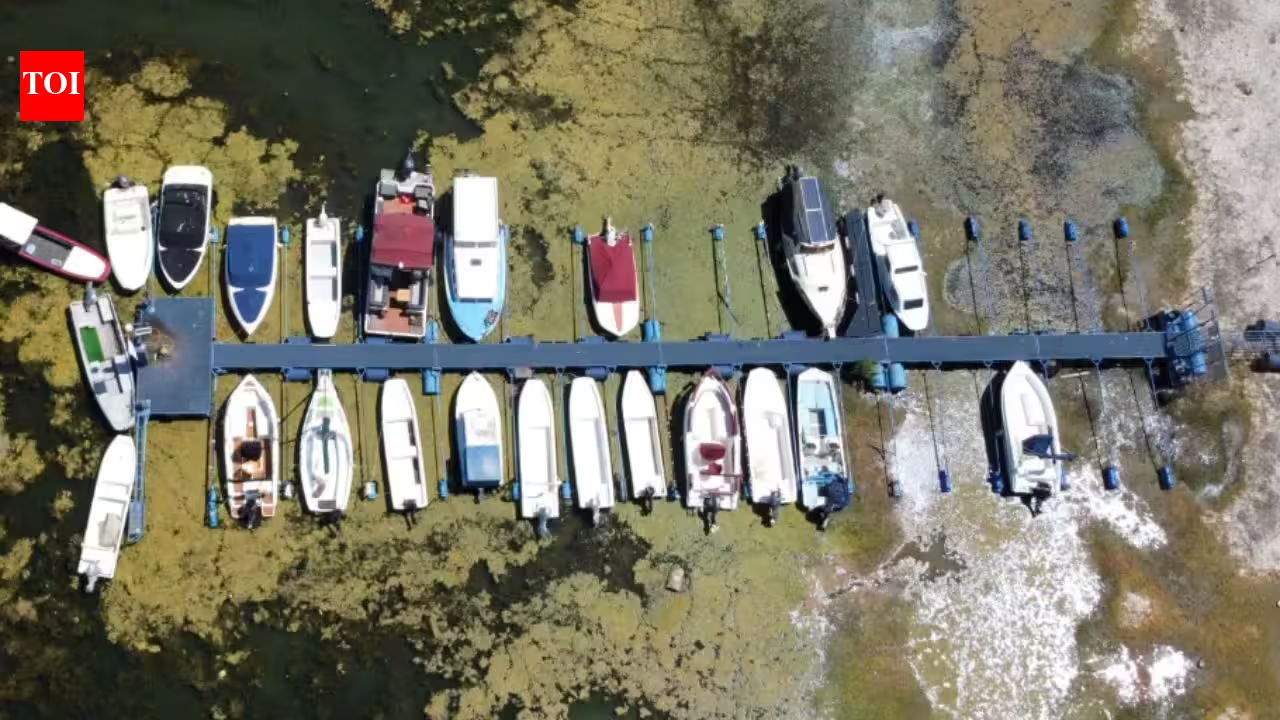
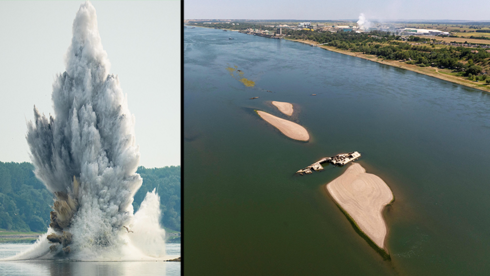
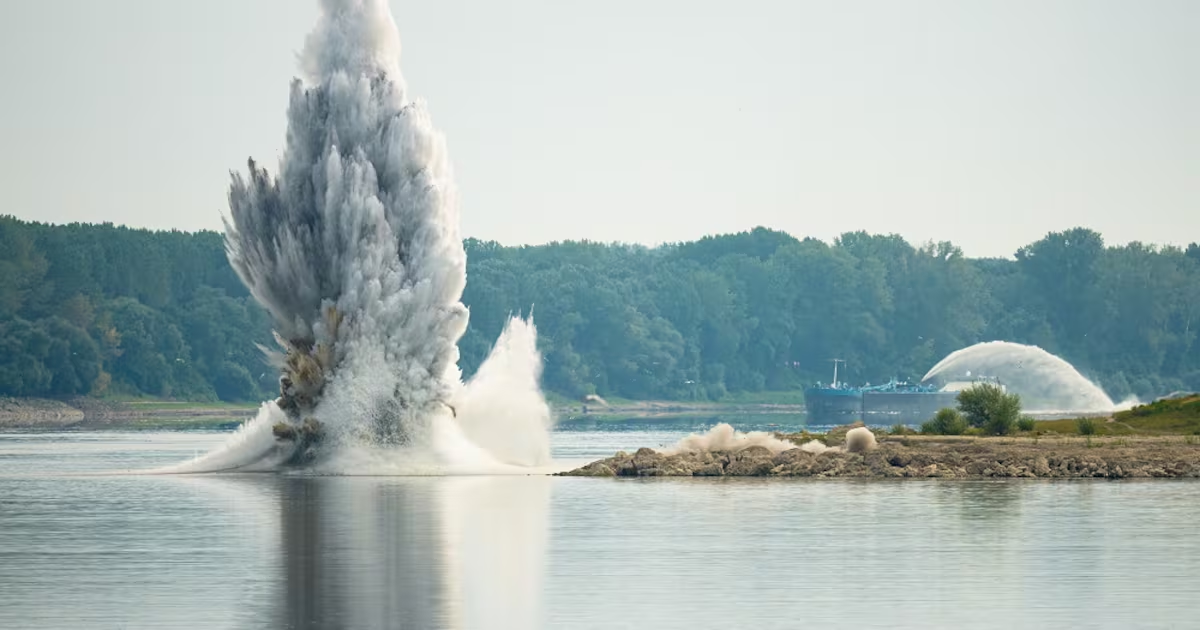
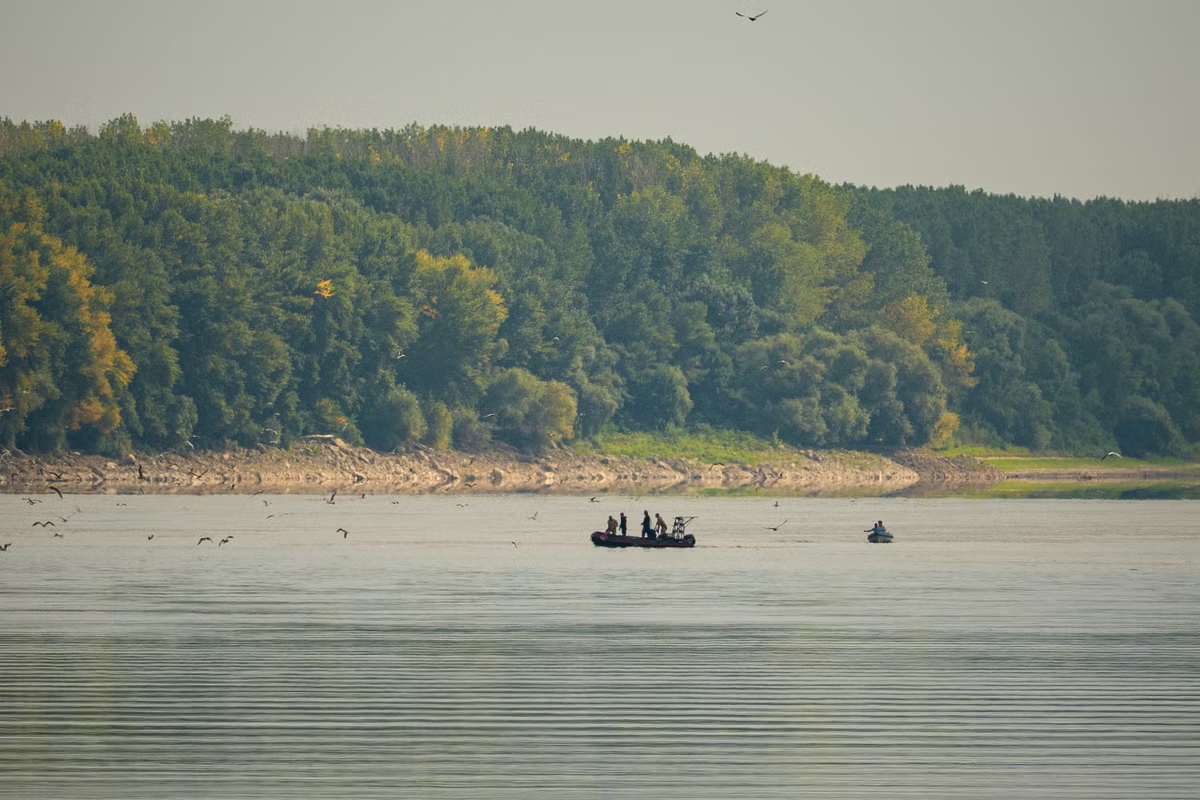
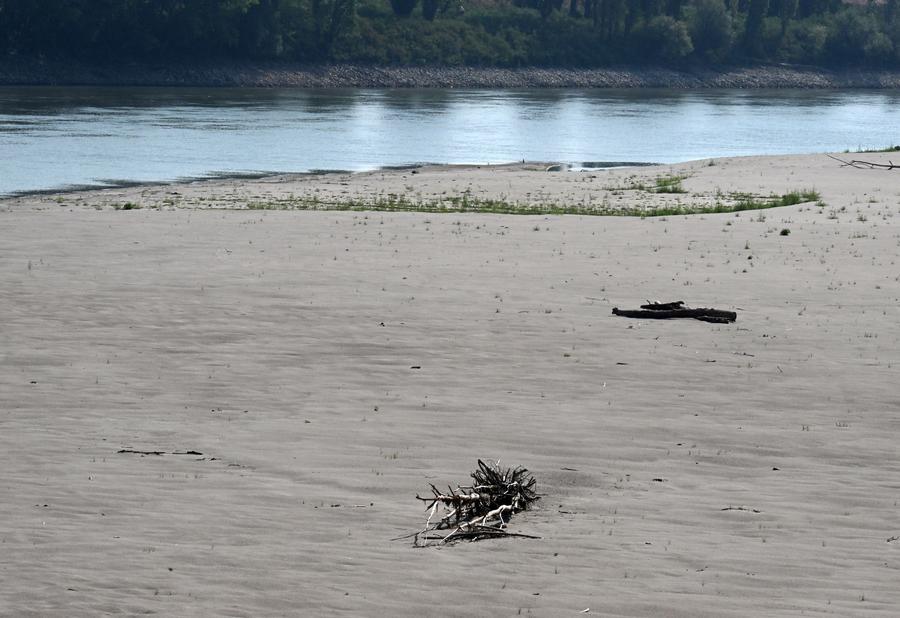
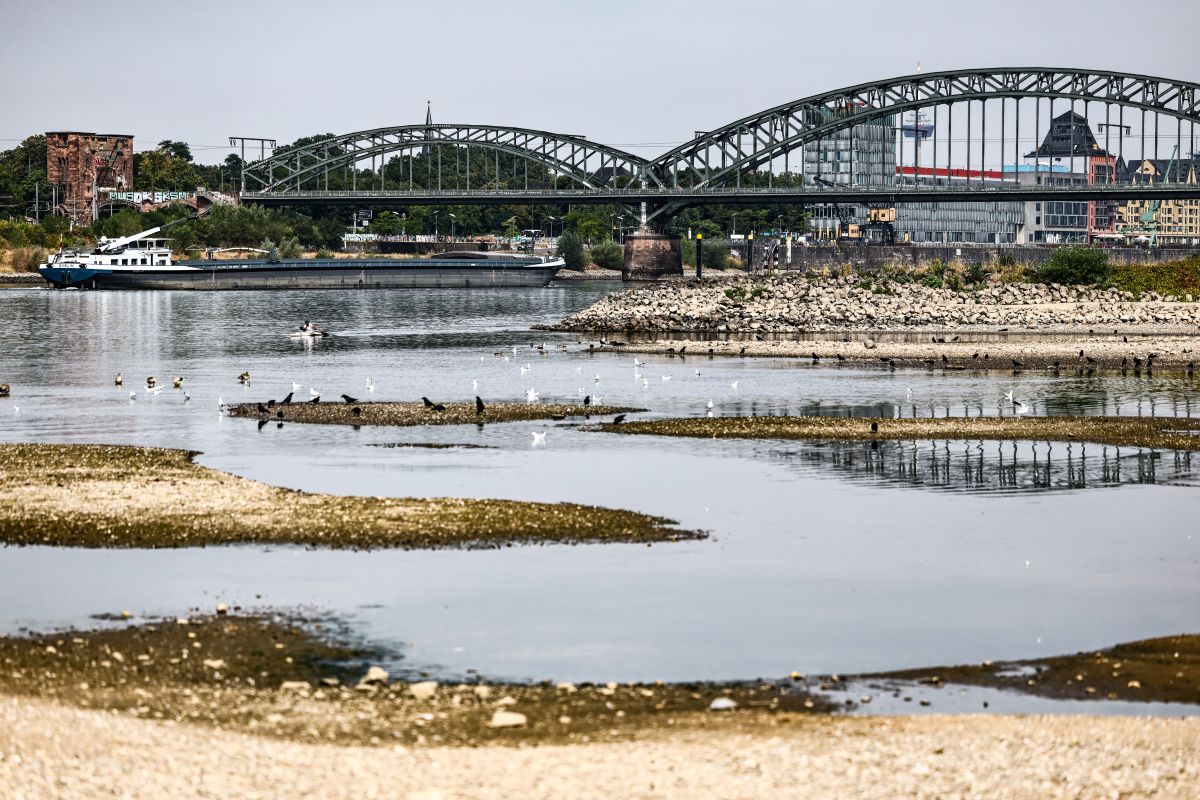
Europe is baking, and it isn’t just forests that are impacted. Rivers that have provided natural infrastructure and water reserves for longer than EU states have existed are today at historic low levels, complicating inland freight transport and prompting the closure of nuclear and hydropower plants.
The issue has been most glaring with nuclear stations – France has for years been obliged to power down various reactors that depend on local water sources for cooling. But the problem is particularly acute this year, as crucial waterways are ebbing to new lows.
It’s not just France that is forced to take precautionary measures: Hungary has called on citizens and firms to slash their nighttime power demand and has doubled electricity imports from its neighbours. The country came within millimetres of having to turn off its only nuclear plant, before the Danube that serves to cool it saw a slight rise.
But the danger hasn’t passed, as the sustained dry period will likely exacerbate levels in the coming weeks, calling either for extreme interventions or giving countries no choice but to source their energy needs elsewhere – and at a premium.