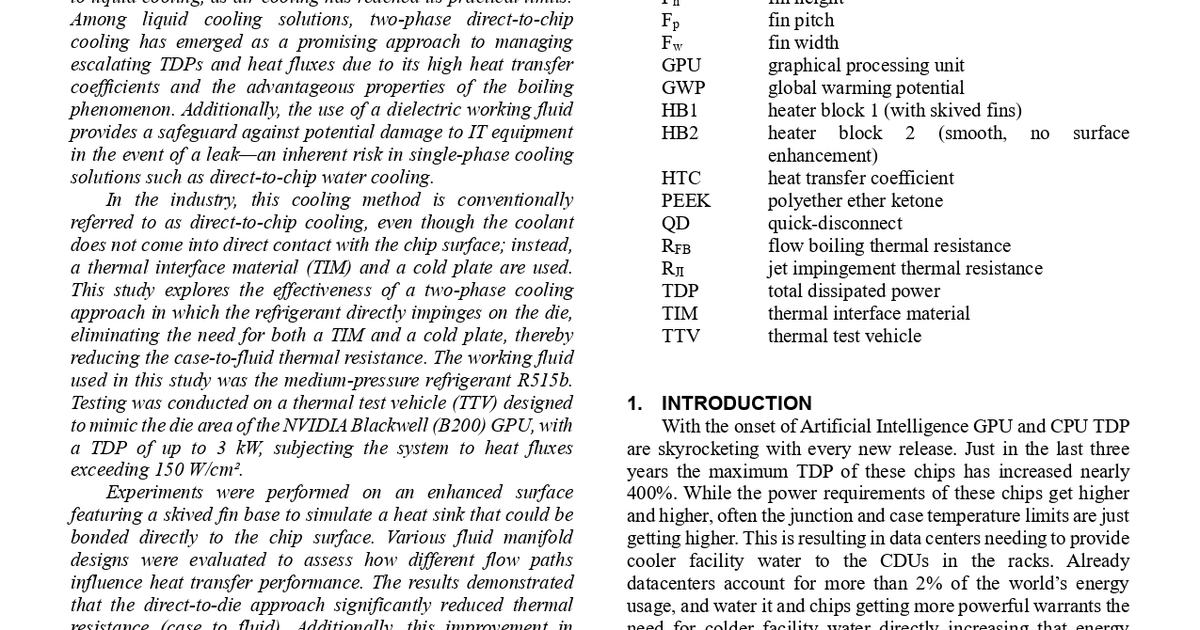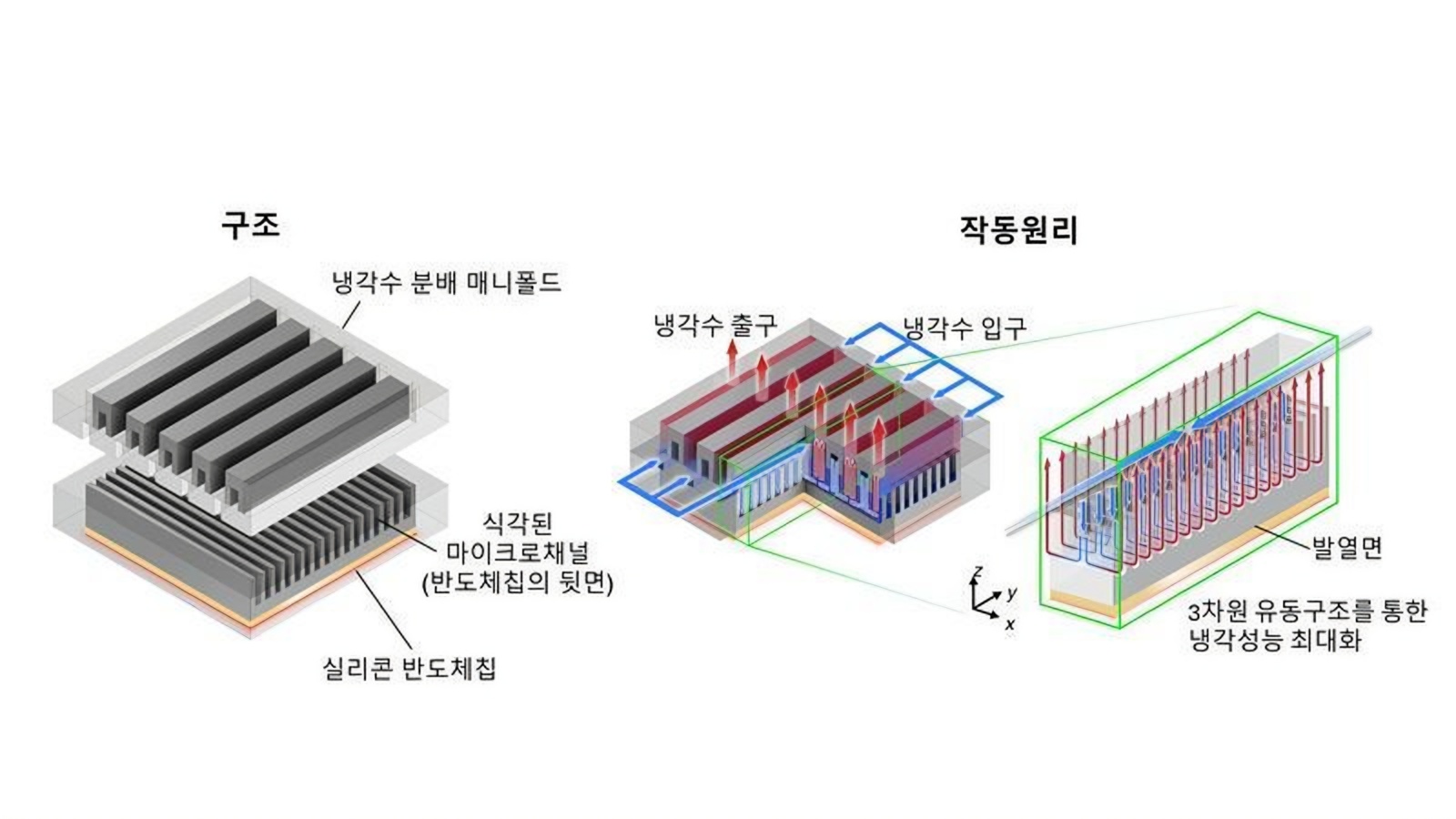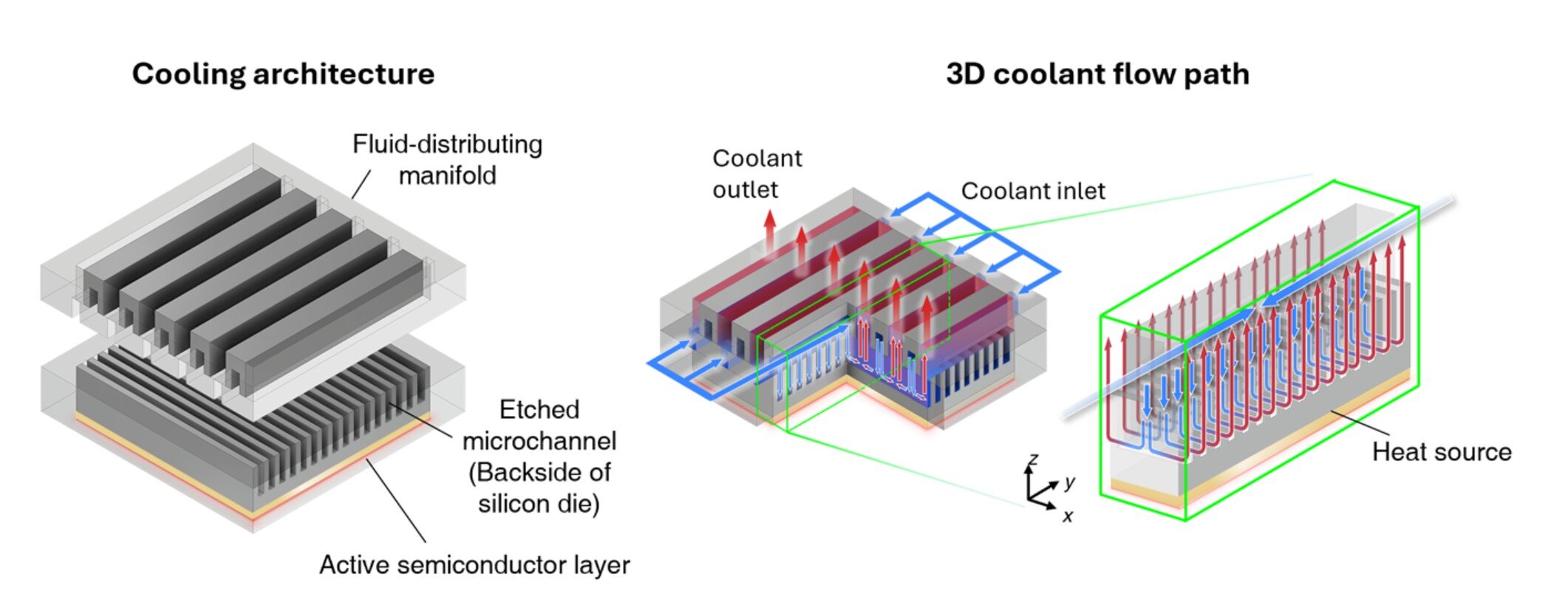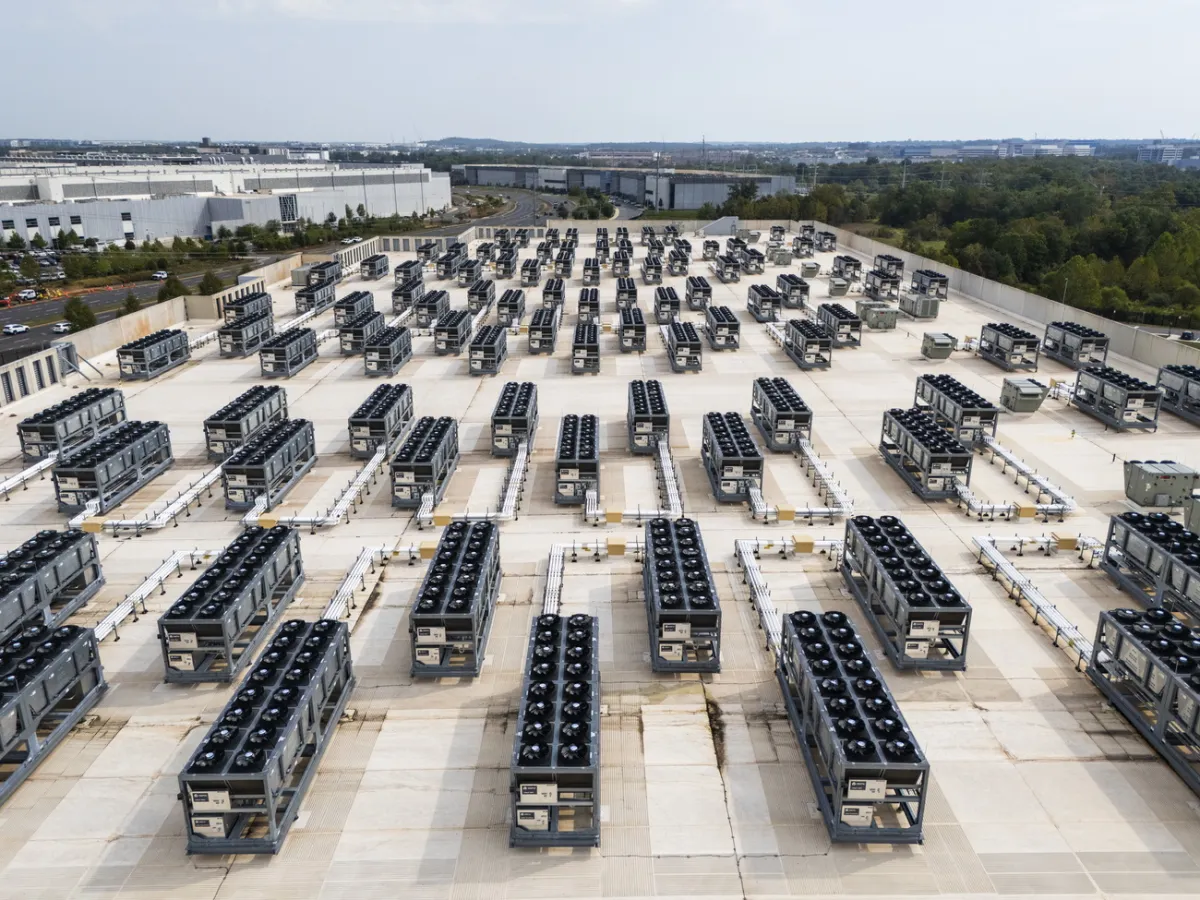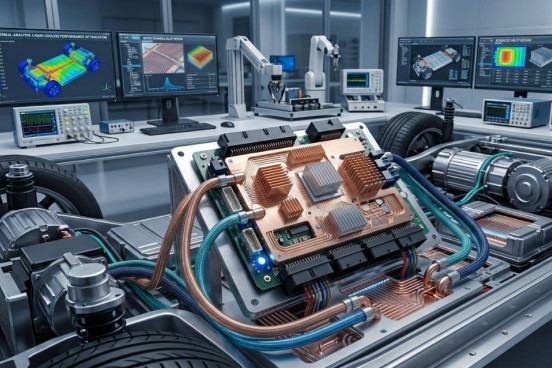
A conceptual illustration of automotive liquid cooling and heat sink approaches discussed in Yao-Nian Zhong's engineering research that can help tackle heat and manufacturing challenges in the AI era. [Photo provided to chinadaily.com.cn]
As artificial intelligence moves rapidly into cars, robots and industrial equipment, with computing power becoming a core part of the physical systems around it, a Chinese engineer is tackling the heat and manufacturing challenges in the AI era — linking autonomous driving hardware experience with AI-assisted heat sink and liquid cooling research.
Yao-Nian Zhong, a mechatronic engineer with nearly 14 years of experience, thinks devices are being asked to perceive their surroundings, process large volumes of data and make decisions in real time, often while operating continuously in confined spaces. Yet stronger algorithms and faster processors do not automatically translate into products that can be deployed at scale.
"Higher power density brings greater heat loads, while compact packaging, energy use, environmental protection and long-term reliability place additional demands on hardware design and manufacturing," Zhong said.
For Zhong, these constraints are not secondary details. They form the hardware foundation that determines whether advanced computing systems can move from laboratory performance to dependable operation in the real world.