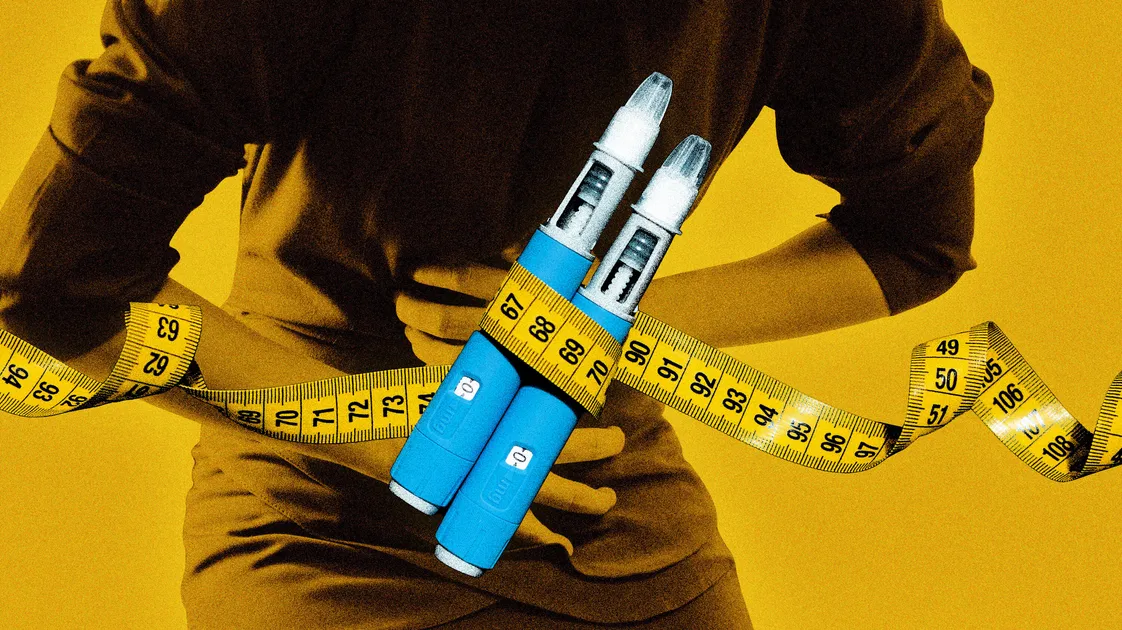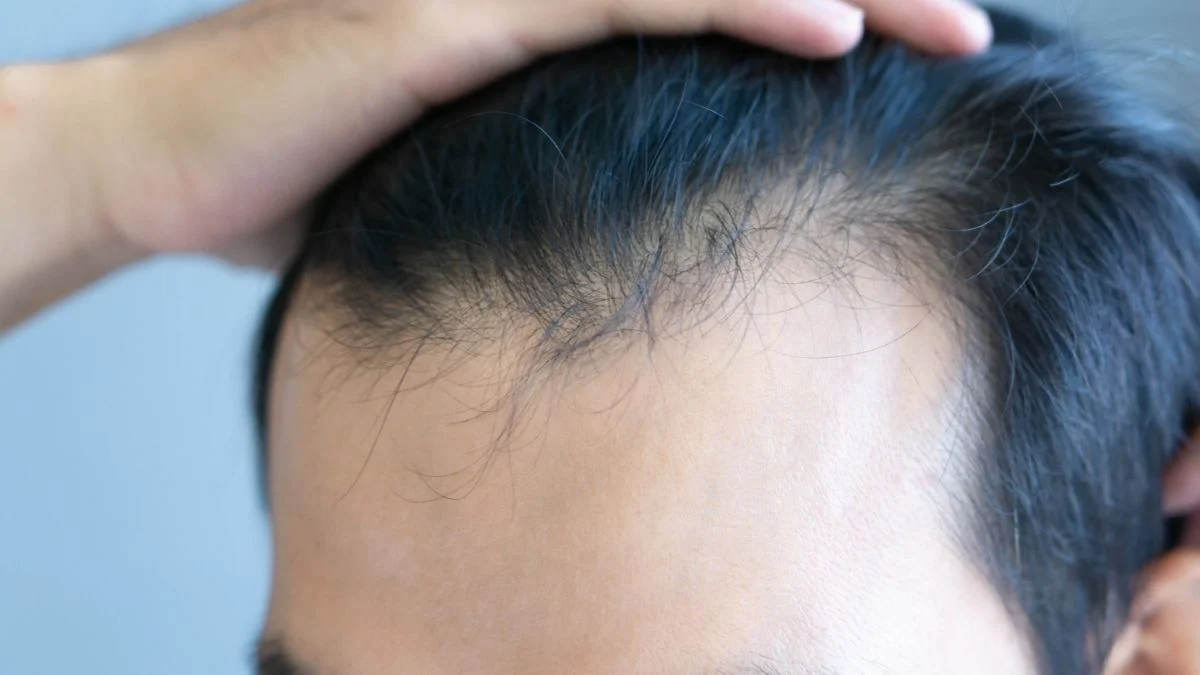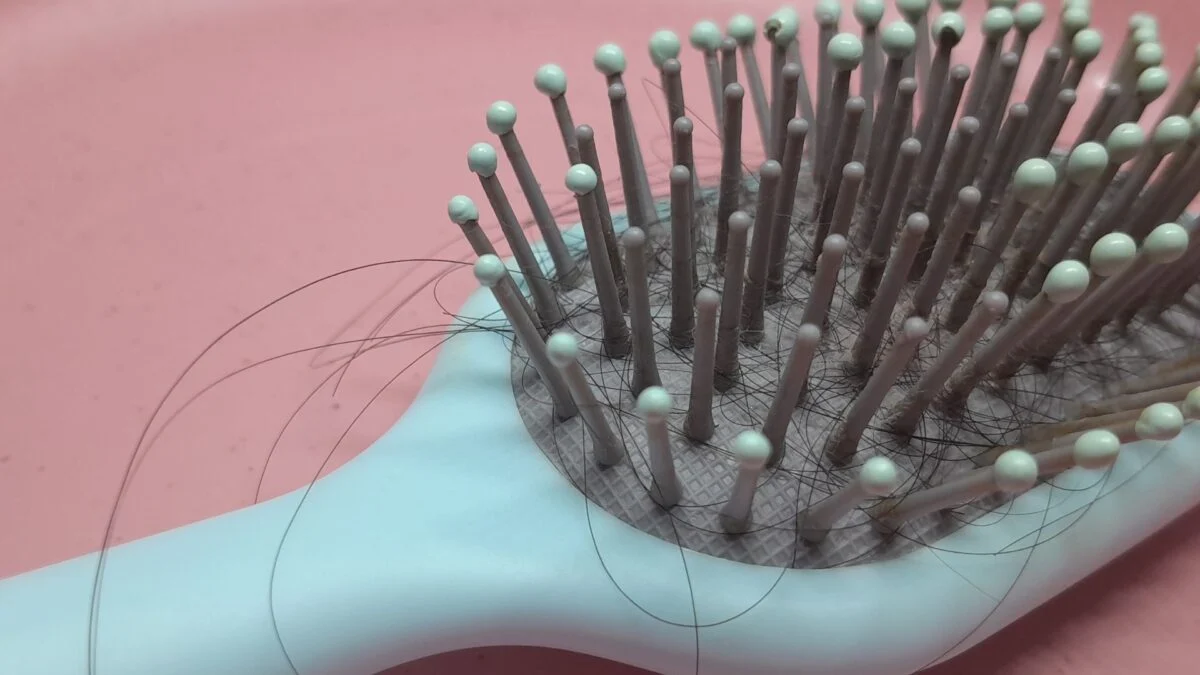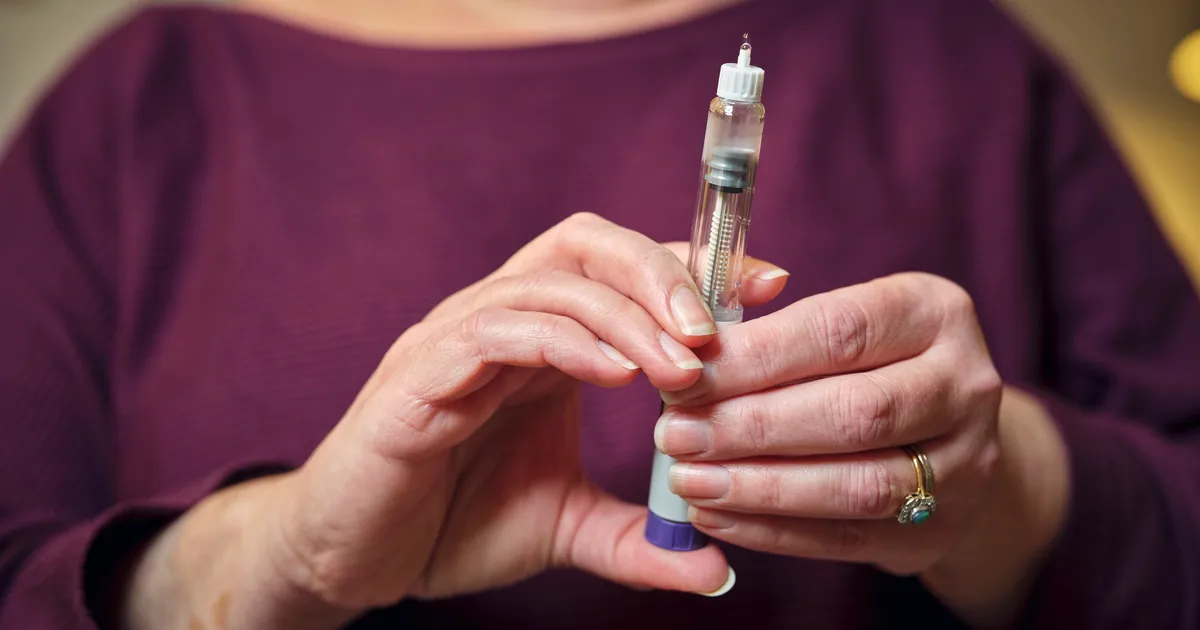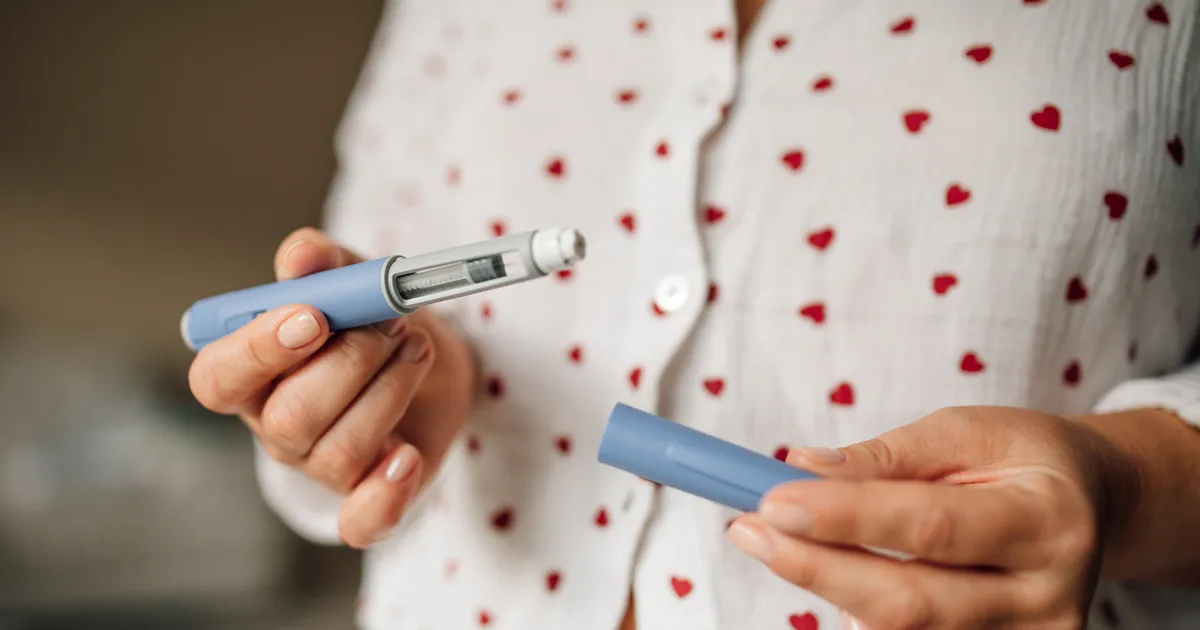
GLP-1 medications are often touted as “miraculous” by patients and doctors alike who praise the prescription for its variety of benefits, including weight loss, decreased heart disease risk and decreased cancer risk.These benefits mean that GLP-1 use is at a high in the United States, where roughly 11% of American adults report that they’re on one of the medications, known commonly by their brand name such as Ozempic, Wegovy, Zepbound, Mounjaro and more.Yet, as more and more people take the medications for their proven benefits, some peculiar (but totally normal) side effects are showing up for many people such as as a sudden dislike of fragrances they once loved, changes to dental health and even hair loss, which is commonly reported among those who first start the medication.According to Dr. Lauren Kole, an associate professor of dermatology at the University of Alabama at Birmingham, “The most common reason [for hair loss] is a condition called telogen effluvium, which is when any type of stress on the body can cause the body to stop focusing on what it considers superfluous or unnecessary, such as hair growth, and focus on reducing that stress.”“GLP-1s cause stress on the body because of the rapid weight loss, and that rapid weight loss will trigger that telogen effluvium,” Kole added.When you start using a GLP-1, “You’re going to lose hair because of that rapid weight loss that is seen as a stressor to your body,” said Dr. Sharleen St. Surin-Lord, a dermatologist and founder of DermHairDoc.The hair loss won’t start immediately, said Dr. Daniel Bessesen, a professor of medicine of endocrinology, metabolism, and diabetes at the University of Colorado Anschutz.“There’s a little bit of variable from person to person, but it’s usually a month or a couple of months ... more hairs than is typical will be coming out then,” said Bessesen. “So people will notice the hair in their brush or in the shower.”This GLP-1-induced hair loss, thankfully, doesn’t last forever. “Typically, as time goes by, people will notice that hair loss is slowing down,” said Bessesen, making this type of hair loss different than other kinds of hair loss.With other kinds of hair loss, there’s smooth skin and missing patches of hair, but in the case of telogen effluvium, someone may notice more shedding when they wash or brush their hair, but there is still hair all over the scalp, said Bessesen.“There’s not a bald spot or something like that — so, that’s how you can tell the difference,” added Bessesen.Unlike other kinds of hair loss, it’s also not permanent. Generally, it’ll last for three to six months, depending on the person, said Bessesen.St. Surin-Lord noted that while it may take three to six months for the hair to start growing back, it will likely take longer than that for your original, full head of hair to return.Depending on the length of your hair, those new hairs will be playing catch-up until they grow to the length of the rest of the hair on your head. So after losing hair, it may take another six months to several years (if you have long hair) for your hair to fully fill out, St. Surin-Lord said. Tatsiana Volkava via Getty ImagesDoctors say temporary hair loss is a common side effect of GLP-1 medications.Hair loss can be compounded by not eating enough or a nutritious diet.Not feeling hungry is a common side effect of GLP-1 medications, and while that can be a welcome side effect for those looking to snack less, it can become problematic if it removes someone’s desire to eat full meals.“Hair is made of protein, and I think as somebody’s losing weight, keeping dietary protein up is really important. Not only for hair, but for other tissues, muscle and things like that,” said Bessesen.“If somebody’s not feeling hungry, sometimes protein might not be as appetizing, but I think the two most important things to get nutrient-wise if you’re on a medication to help lose weight is water — you got to make sure you’re well hydrated — and protein because the body doesn’t have a big storage source of protein,” he said.If you don’t eat enough protein daily, “the body will use protein from somewhere in the body itself. So that’s why getting good dietary protein is important,” Bessesen added.Eating foods that are full of necessary vitamins and minerals is important, too, said Kole, as they, too, are necessary for healthy hair growth.“If you have a nutrient deficiency because ... you’re not doing everything else that you’re supposed to be doing to live as a human being, then your telogen effluvium will continue and continue and continue until those deficiencies are supplemented,” St. Surin-Lord said, before adding this could be anything from a protein deficiency to an iron deficiency to a vitamin D deficiency or something else.When this hair loss continues, it’s known as chronic telogen effluvium, said St. Surin-Lord.If you aren’t deficient in any vitamins or minerals, but your hair isn’t starting to grow back after several months, it’s worth talking to a dermatologist who can help diagnose and treat what’s happening, said St. Surin-Lord.And, if you’re aware of underlying conditions or underlying hair loss before starting on a GLP-1, it’s important to get those treated, Kole added.“Because the telogen effluvium, if triggered by the GLP-1, could unmask or worsen other other underlying causes for hair loss,” Kole said. “I think if people are losing weight really really fast, that might not be good for them,” said Bessesen, “and so they might back off on the dose.”Your doctor can help determine the best GLP-1 dose for you, but losing some hair at the beginning of your GLP-1 journey isn’t necessarily a bad thing. In fact, it is a “very common side effect” of the medication, Kole said.For most people, the lost hair will grow back after roughly a year of being on the prescription, but, again, if your hair doesn’t grow back or you’re noticing a concerning amount of hair loss, it’s worth talking to a doctor.
The Surprising Reason Why Many People On GLP-1s Experience Hair Loss
A heads-up to anyone on medications like Ozempic, Wegovy, Zepbound and more.
1,004 words~5 min read