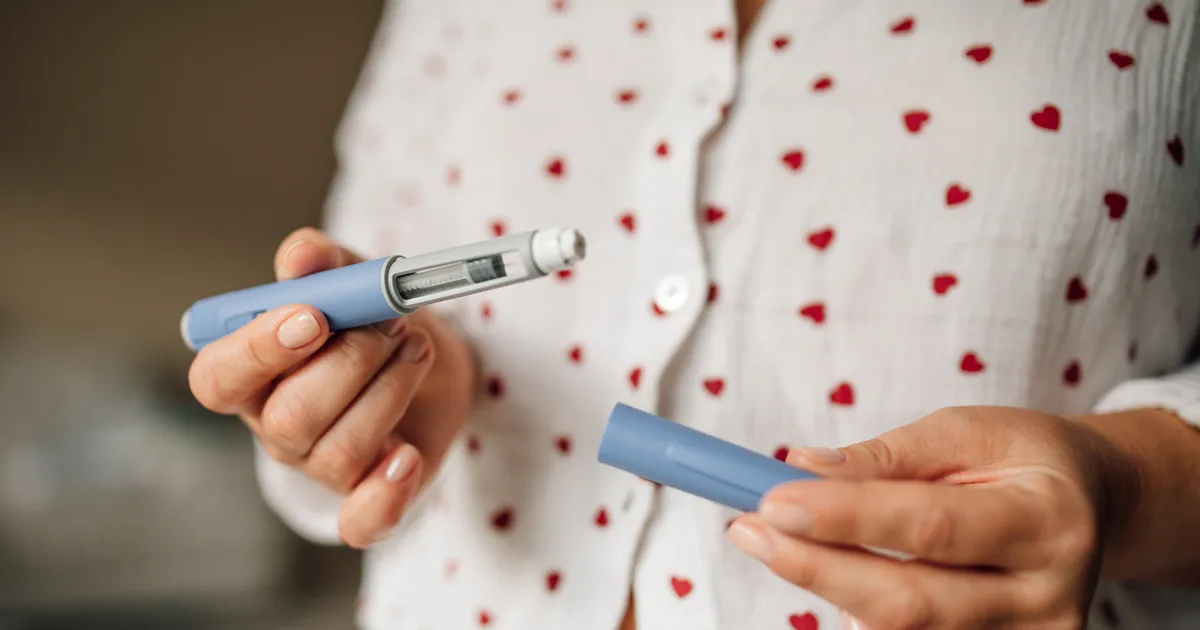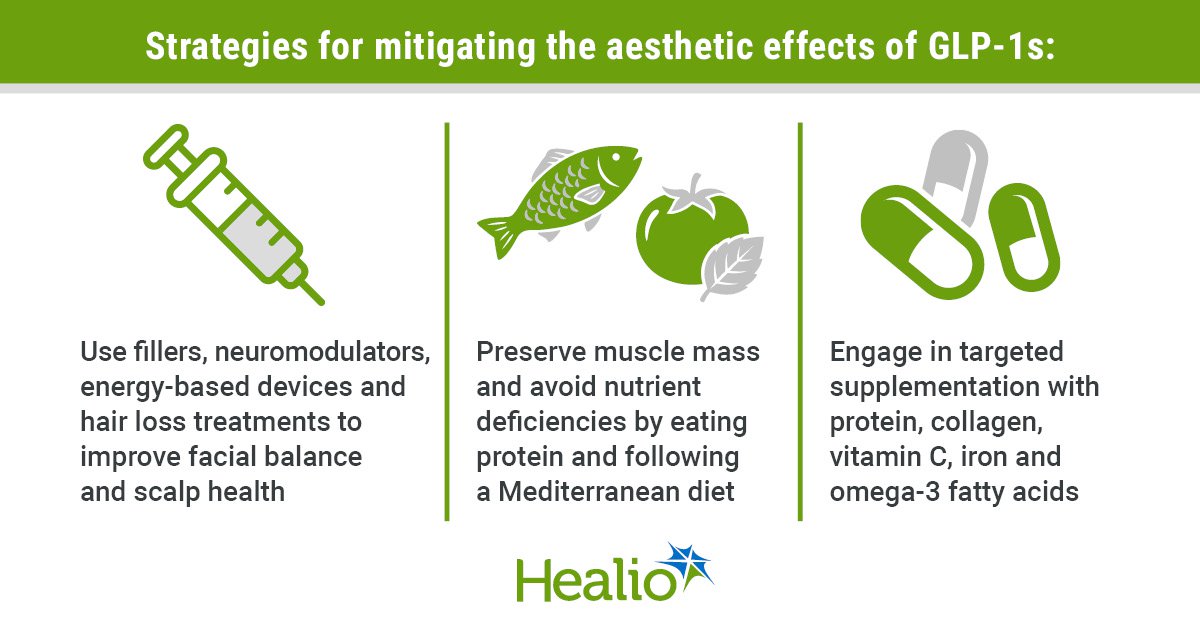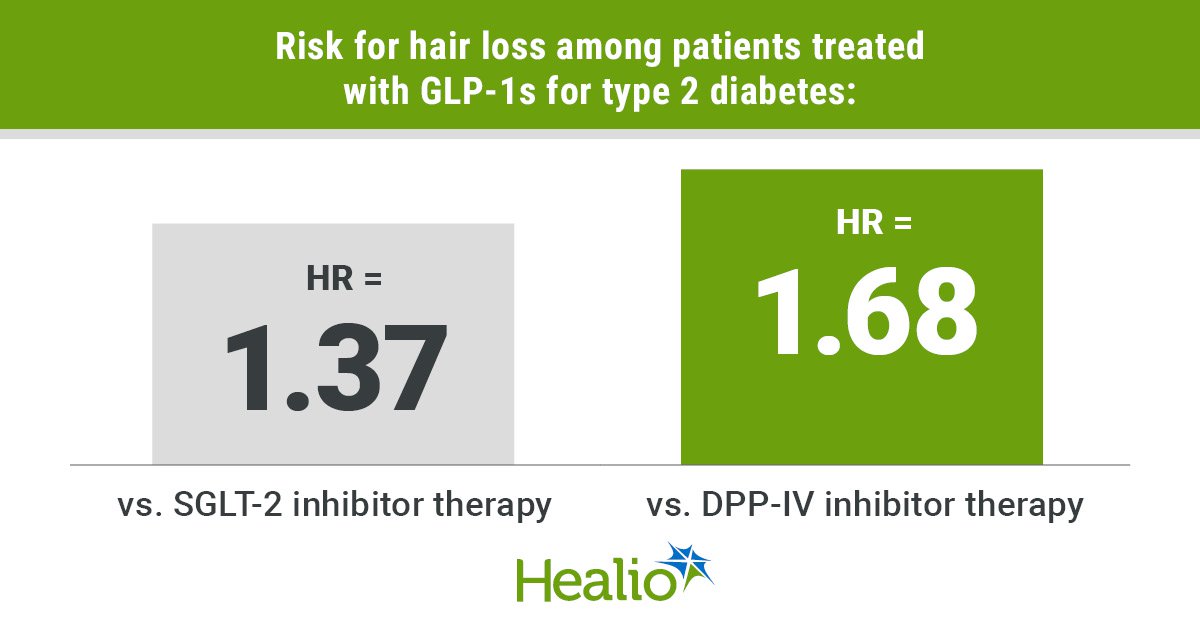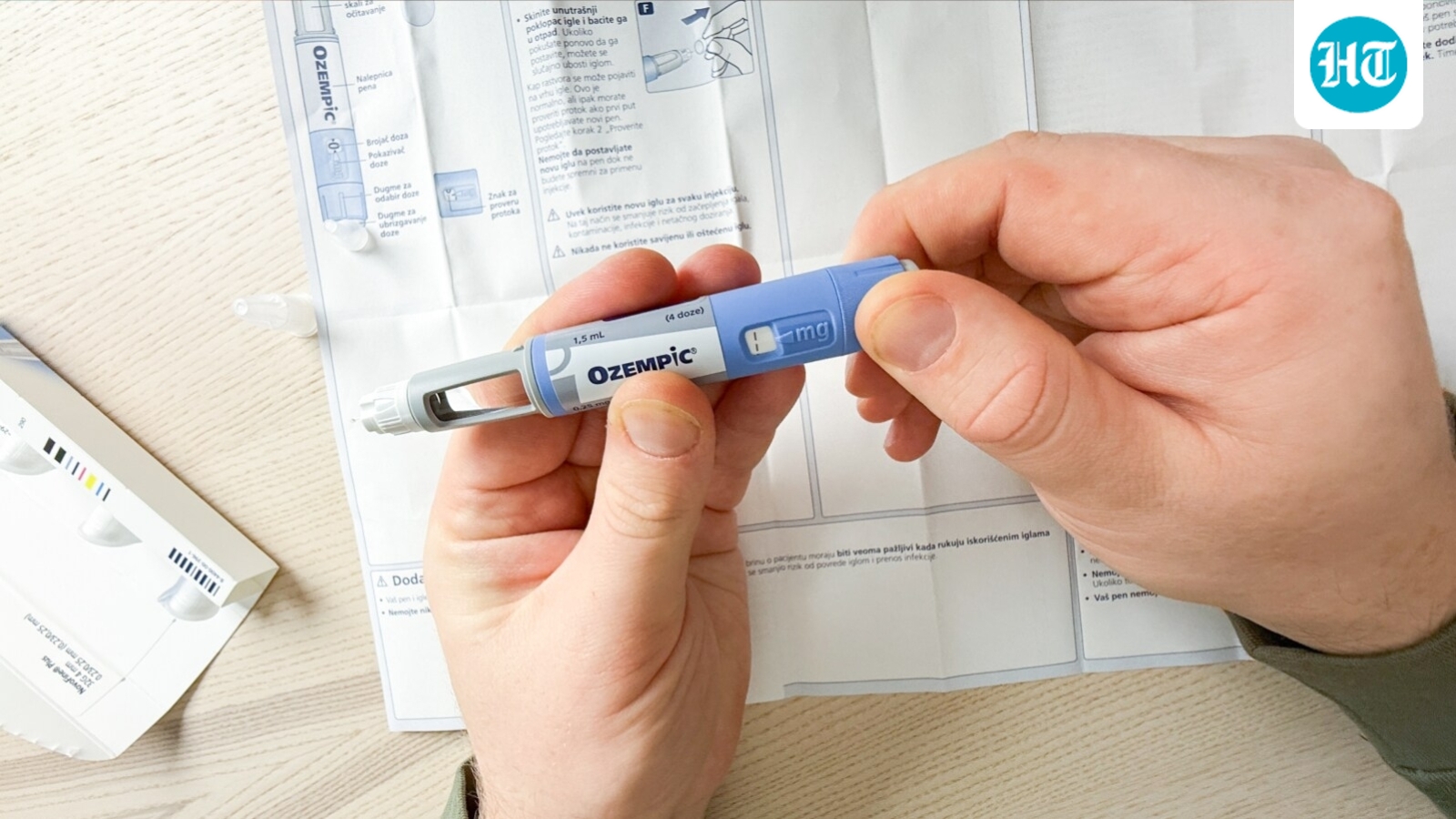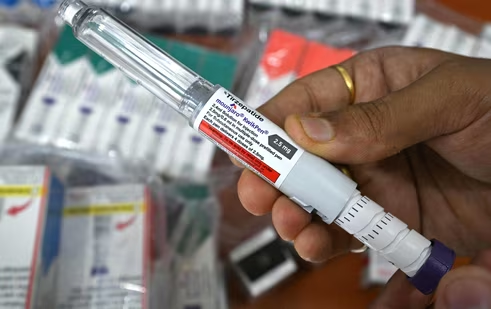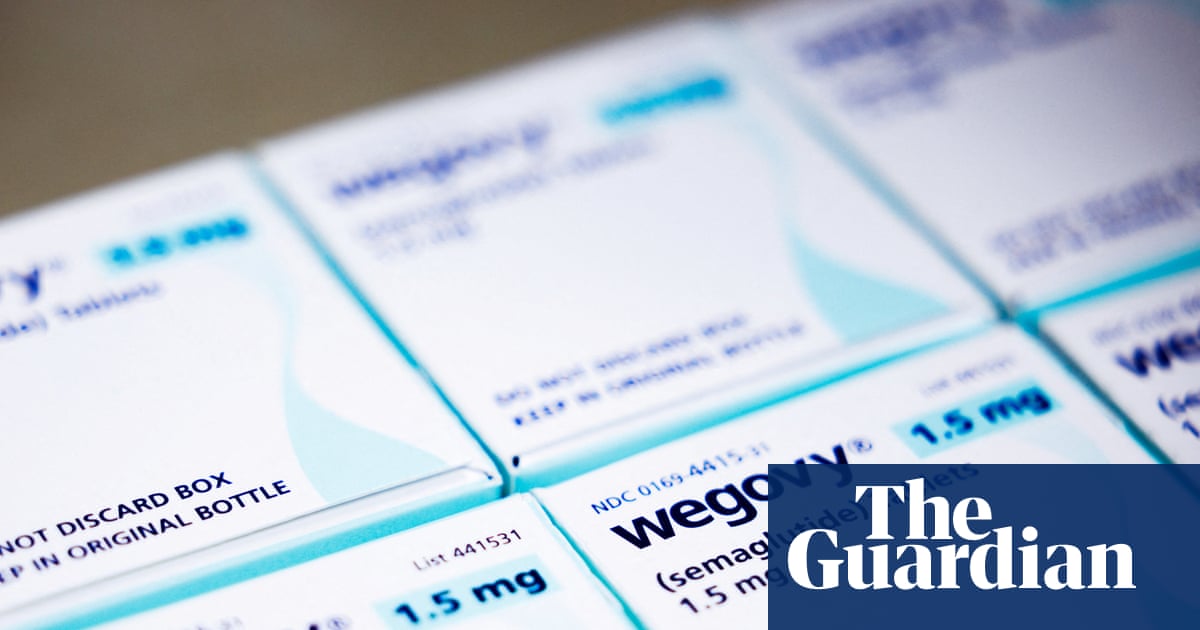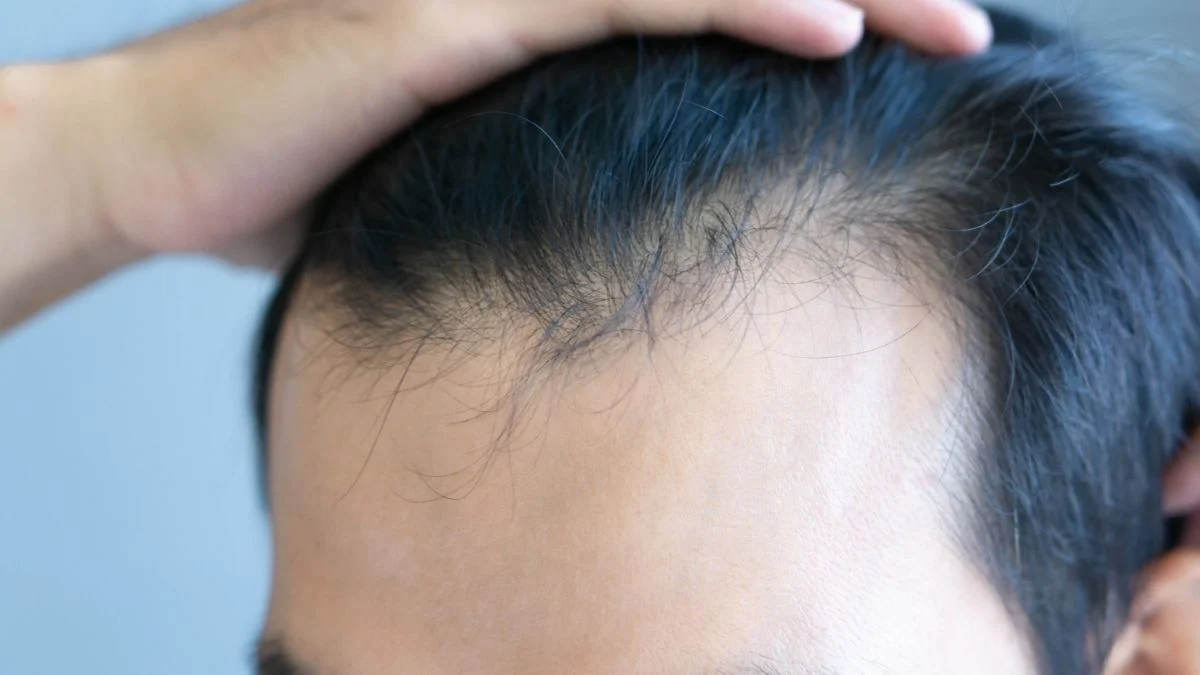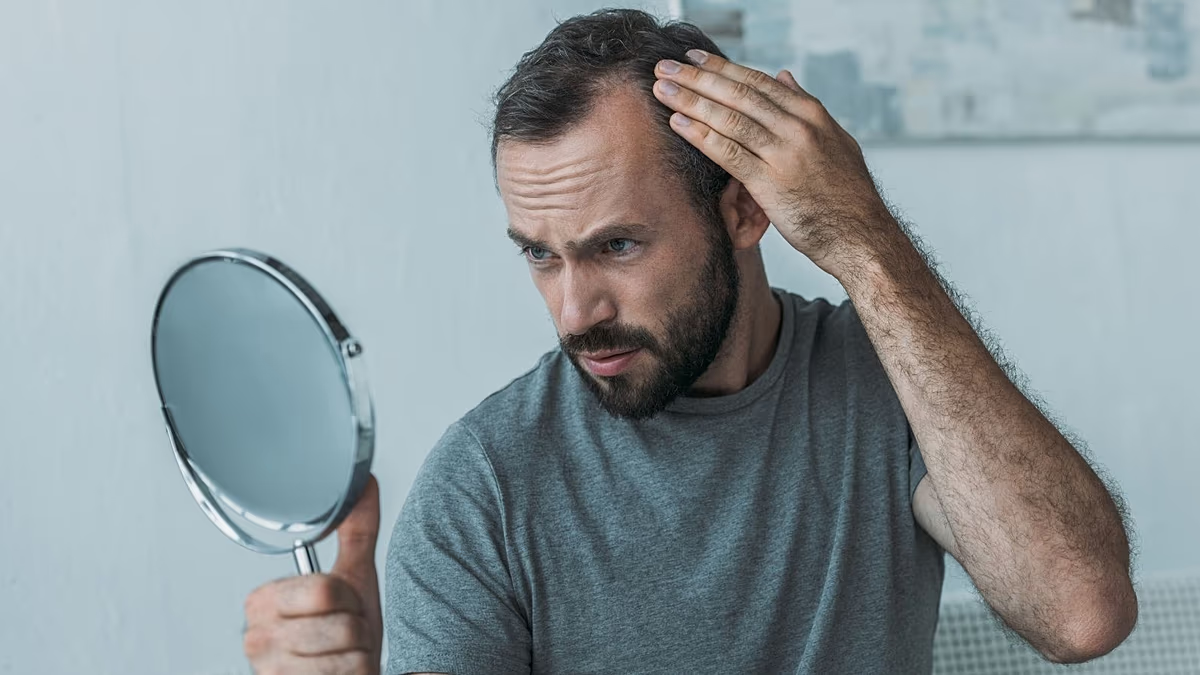
SynopsisDermatologists report increased hair loss among GLP-1 drug users experiencing rapid weight reduction. This side effect, often telogen effluvium, stems from nutritional deficiencies and metabolic stress. Many patients start these medications without proper medical supervision, influenced by social media trends. Studies show a high prevalence of hair shedding, particularly among women and significant weight losers. Doctors advise medical supervision and balanced nutrition to manage this temporary condition.iStockGLP-1 weight loss may cause hair fallDermatologists have flagged a growing side effect linked to the rising use of GLP-1 weight-loss medicines, excessive hair loss, according to Anuja Jaiswal's Time of India report. Doctors said they are seeing more patients report sudden hair fall after rapid weight loss on these drugs, with many having started the injections without medical supervision after being influenced by social media. Also read: GLP-1 demand stirs up hunger for obesity care talentDr Gaurav Garg, medical director of Dermalife Skin and Hair Clinic, told TOI that around 40% of GLP-1 users visiting his clinics report mild to significant hair loss, often noticing hair falling out in clumps while washing or combing. He said the medication itself does not usually damage hair, and that rapid weight loss, nutritional deficiencies and metabolic stress on the body are the actual causes, adding that many patients obtain the drugs over the counter or without specialist guidance.The condition is not a recognised medical diagnosis but is typically telogen effluvium, a temporary, stress-induced form of hair loss that can appear three to four months after rapid weight loss. Reduced food intake during treatment can also cause deficiencies in protein, iron, zinc and biotin, nutrients essential for healthy hair growth.The warning comes amid a surge in demand for GLP-1 medicines in India, driven by their dramatic weight-loss effects and growing visibility on social media. Doctors attribute part of the problem to rising cosmetic use and self-medication.A study titled "Prevalence and Predictors of Hair Shedding among GLP-1 Receptor Agonist Users: A Cross-Sectional Study from Saudi Arabia," published in the peer-reviewed journal Skin Appendage Disorders, surveyed 152 current and former GLP-1 receptor agonist users. It found that 70.4% reported hair shedding after starting treatment. The study found the prevalence was highest among tirzepatide users at 76.7%, followed by semaglutide users at 64%, and was significantly more common among women and those who had lost 15% or more of their body weight. Nearly 40% of affected participants discontinued treatment due to hair loss, while over a third reported that the condition resolved after stopping the medication.Also read: India’s GLP-1 boom loses steam as price war, weak retention hit generic weight-loss drug salesDr Ramanjeet Singh, director of the dermatology department at Medanta Hospital, told TOI that many patients start the drugs without specialist evaluation or use higher-than-recommended doses to speed up weight loss. He said hair loss linked to the drugs is usually temporary and reversible, reflecting rapid metabolic changes and nutritional deficiencies rather than permanent follicle damage. Most patients recover with balanced nutrition, correction of deficiencies and medically supervised weight management, he added.According to the report, hair follicles are highly sensitive to nutritional stress, and rapid calorie restriction prompts the body to prioritise vital organs over hair growth, pushing more follicles into the shedding phase. Doctors have advised those considering GLP-1 medicines to use them only under medical supervision, avoid crash dieting, maintain adequate protein intake and seek medical advice if excessive hair loss develops, stressing that these are prescription medicines for obesity and diabetes, not cosmetic weight-loss products.(With inputs from TOI)Read More News on...moreless
Losing weight fast on GLP-1 drugs? Your hair could be the next thing to go
Dermatologists report increased hair loss among GLP-1 drug users experiencing rapid weight reduction. This side effect, often telogen effluvium, stems from nutritional deficiencies and metabolic stress. Many patients start these medications without proper medical supervision, influenced by social media trends. Studies show a high prevalence of hair shedding, particularly among women and significant weight losers. Doctors advise medical supervision and balanced nutrition to manage this temporary condition.
585 words~3 min read