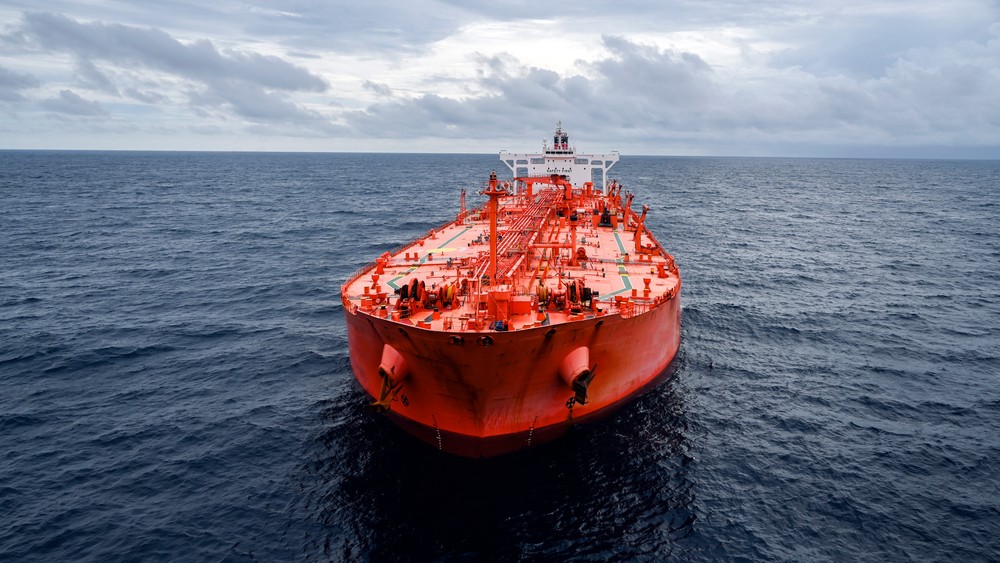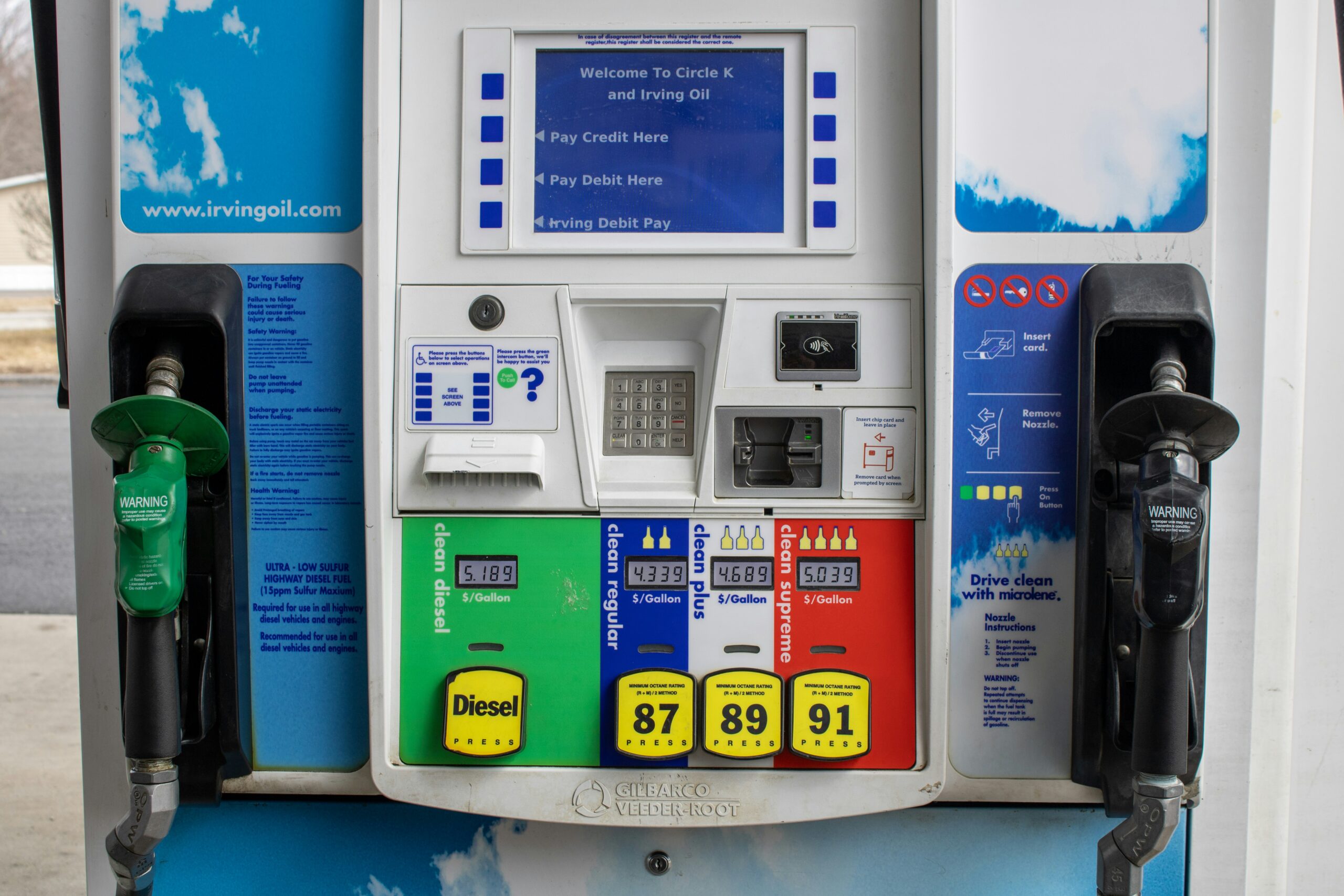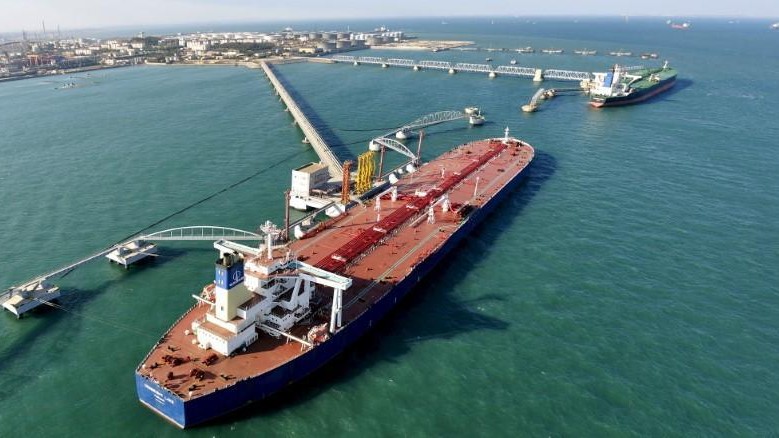
The Biden administration, staring down both soaring pump prices and November midterms, began exploring one of the more aggressive tools in the policy toolkit: limiting how much refined fuel the U.S. ships abroad.
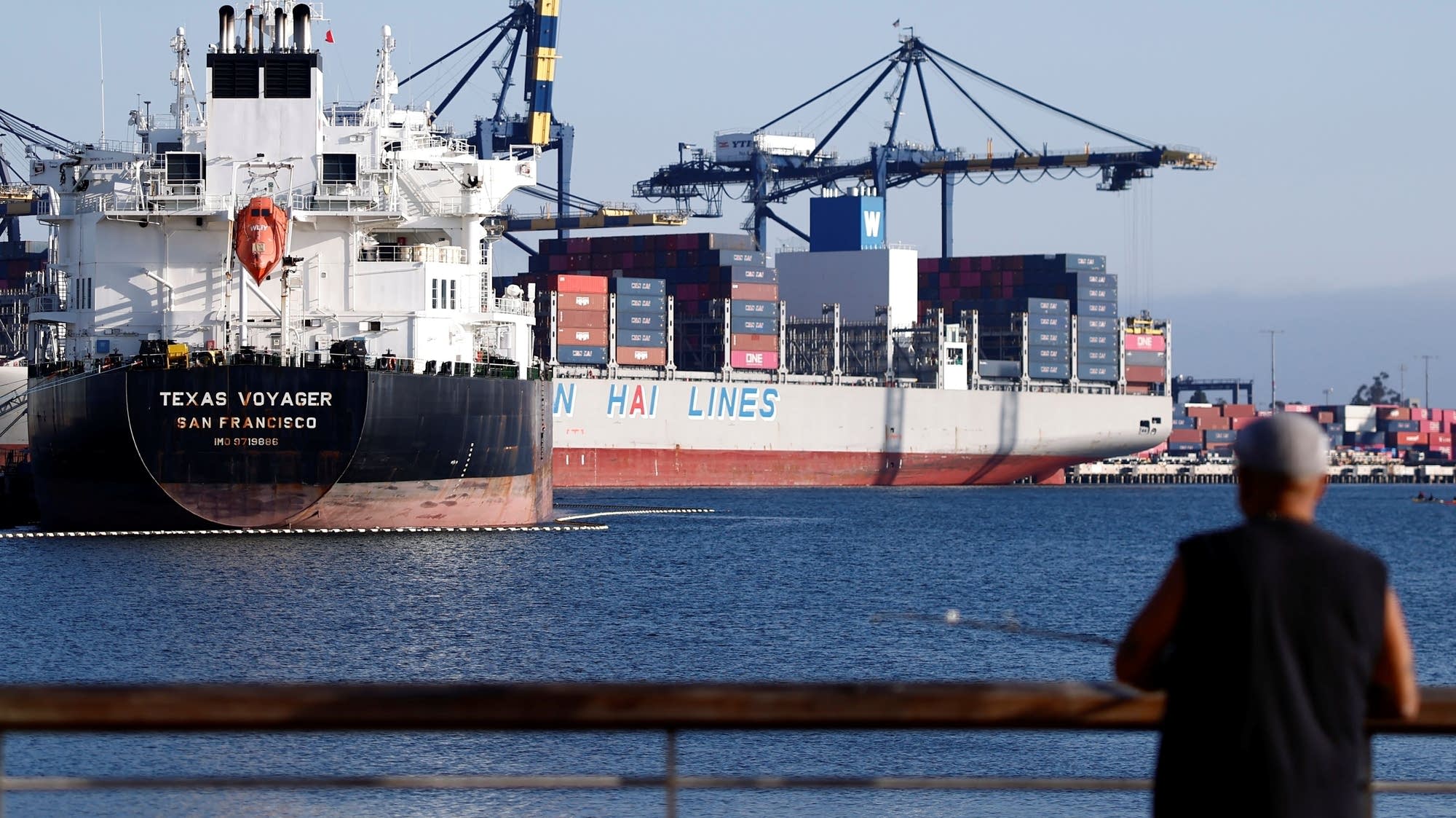
The White House directed the Department of Energy to study potential emergency limits on exports of refined petroleum products, including gasoline, as the administration searched for ways to bring consumer prices down. At the time, U.S. fuel exports were running at roughly 755,000 barrels per day, a figure significant enough that redirecting even a portion of that volume toward domestic supply could, in theory, take pressure off pump prices.
Why export limits are tempting, and why economists wince
History suggests export limits rarely deliver what they promise. The U.S. has been through this debate before, most prominently during the 1973 oil embargo, when supply shocks created intense pressure for government intervention in energy markets. The consistent finding from those episodes is that restrictions tend to generate inefficiencies in the supply chain, distort refinery economics, and fail to produce reliable, durable price relief for consumers at the pump.
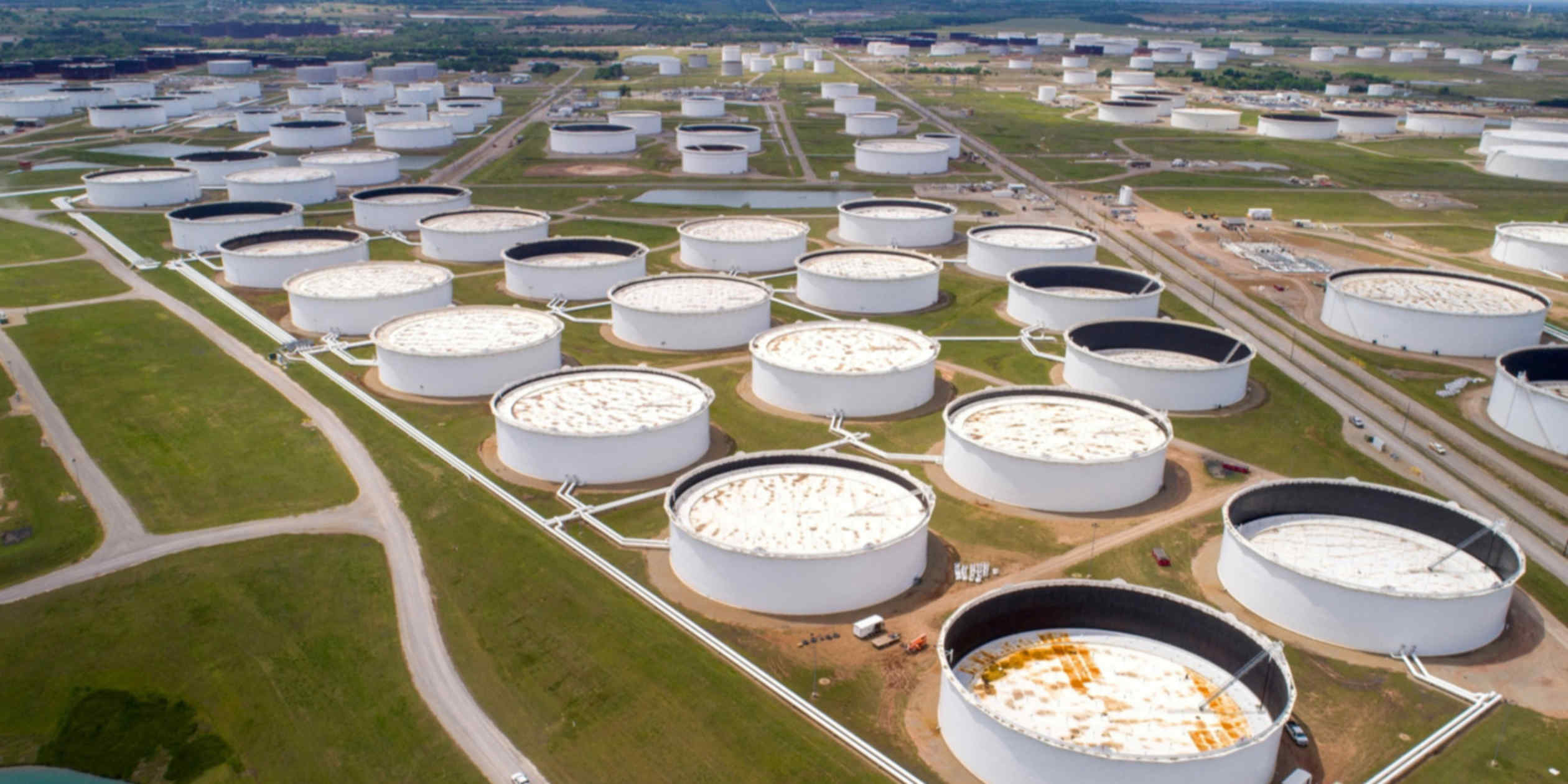
The U.S. lifted its longstanding crude oil export restrictions, which dated to the 1975 Energy Policy and Conservation Act, in December 2015. That move reflected a bipartisan consensus that had built over decades: American energy abundance was better monetized through open markets than managed through export controls. Refined products like gasoline never carried an equivalent statutory ban, which is precisely why an emergency executive action targeting them was on the table in 2022 rather than a straightforward policy reversal.