For a few days last week, the American oil industry had a collective anxiety attack. Reports surfaced suggesting the Trump administration was weighing an outright ban on crude oil and refined petroleum exports, a move that would have represented the most dramatic intervention in US energy markets in over a decade. Then the administration said, essentially: relax, we’re not doing that.
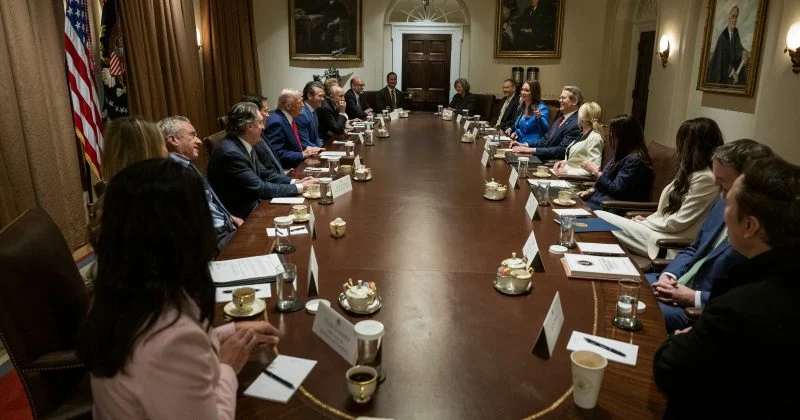
Officials including Energy Secretary Chris Wright and Interior Secretary Doug Burgum confirmed on March 19 that an export ban on crude oil, refined products, or natural gas was “not under consideration.” The reassurance came during a meeting with executives from the American Petroleum Institute, the industry’s most powerful lobbying group.
Why the scare happened in the first place
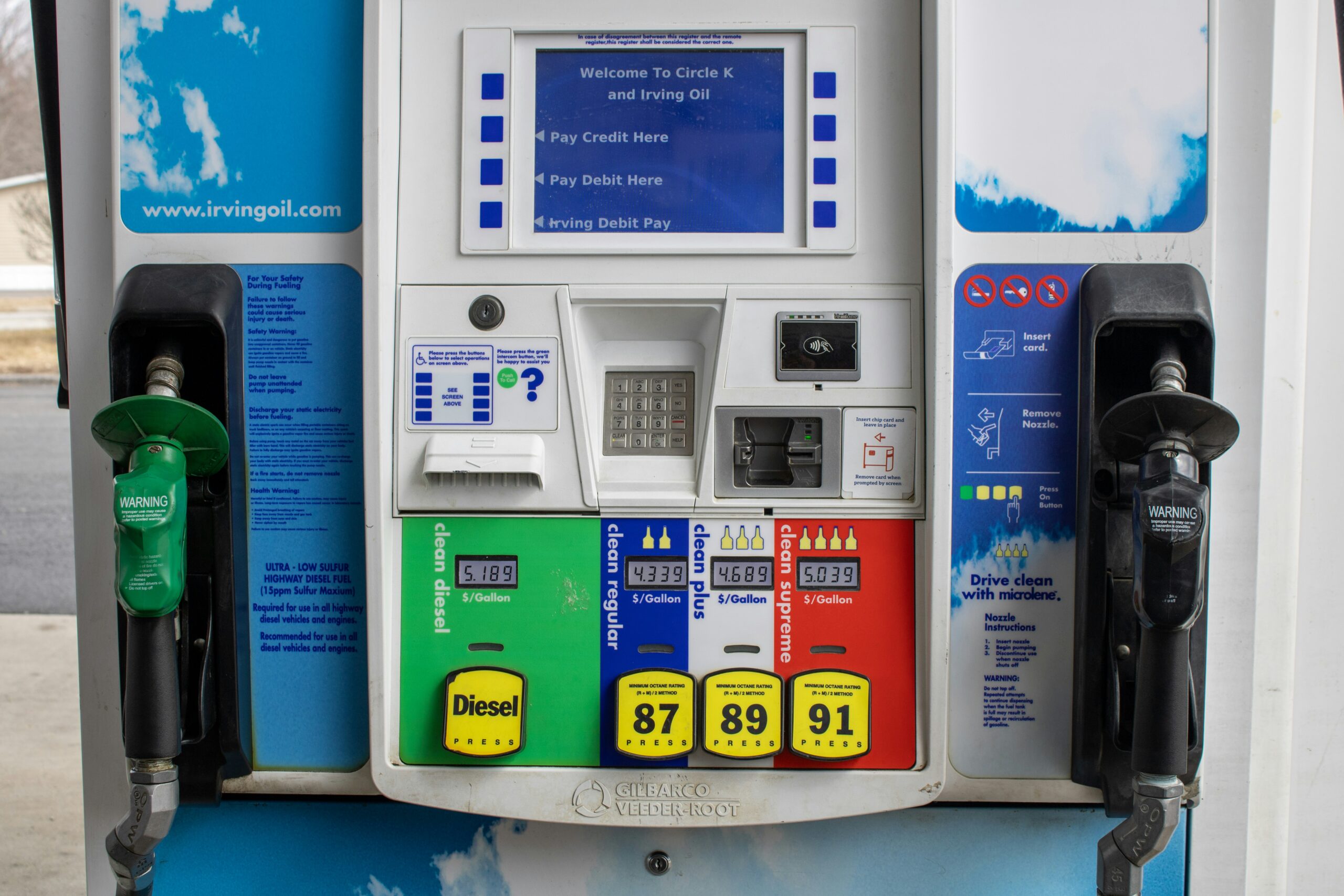
West Texas Intermediate crude, the US benchmark, has surged from roughly $67 per barrel before the Iran conflict to over $101 per barrel. That’s a jump of more than 50%, the kind of price spike that makes politicians start thinking about dramatic interventions.
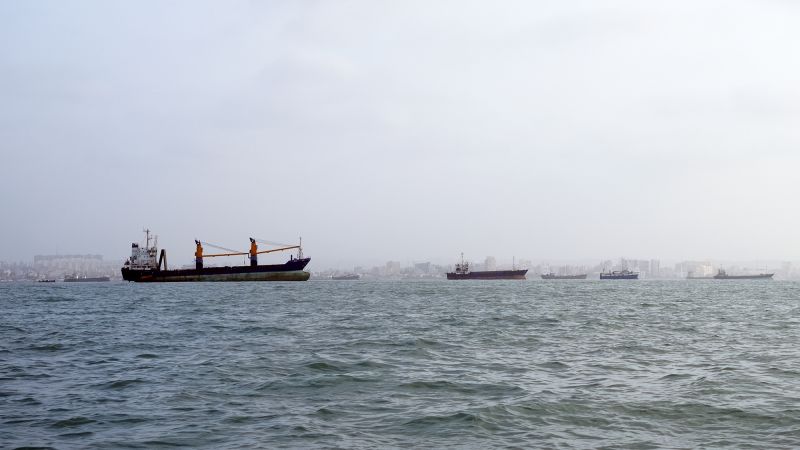
The Iran conflict has disrupted global oil supply chains in ways that ripple straight to the gas pump. Attacks on oil infrastructure and restricted access to the Strait of Hormuz, through which roughly a fifth of the world’s oil passes on any given day, have squeezed supply at exactly the wrong time.