Italian researchers have developed a palladium-on-silicon catalyst using recycled PV module silicon, enabling efficient microwave-assisted biaryl synthesis. The catalyst achieved high yields, recyclability, and lower environmental impact compared with conventional silicon and carbon-based supports.
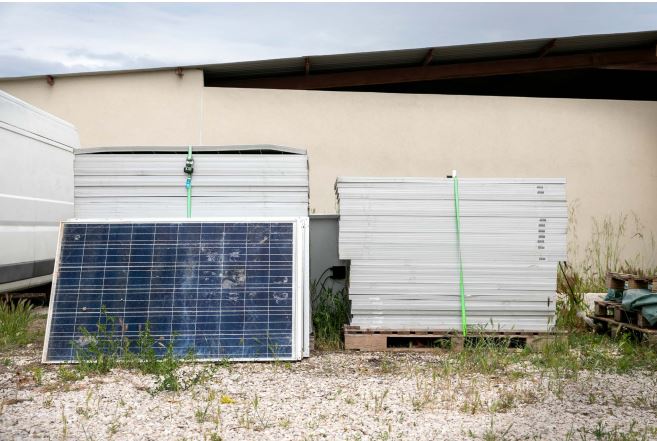
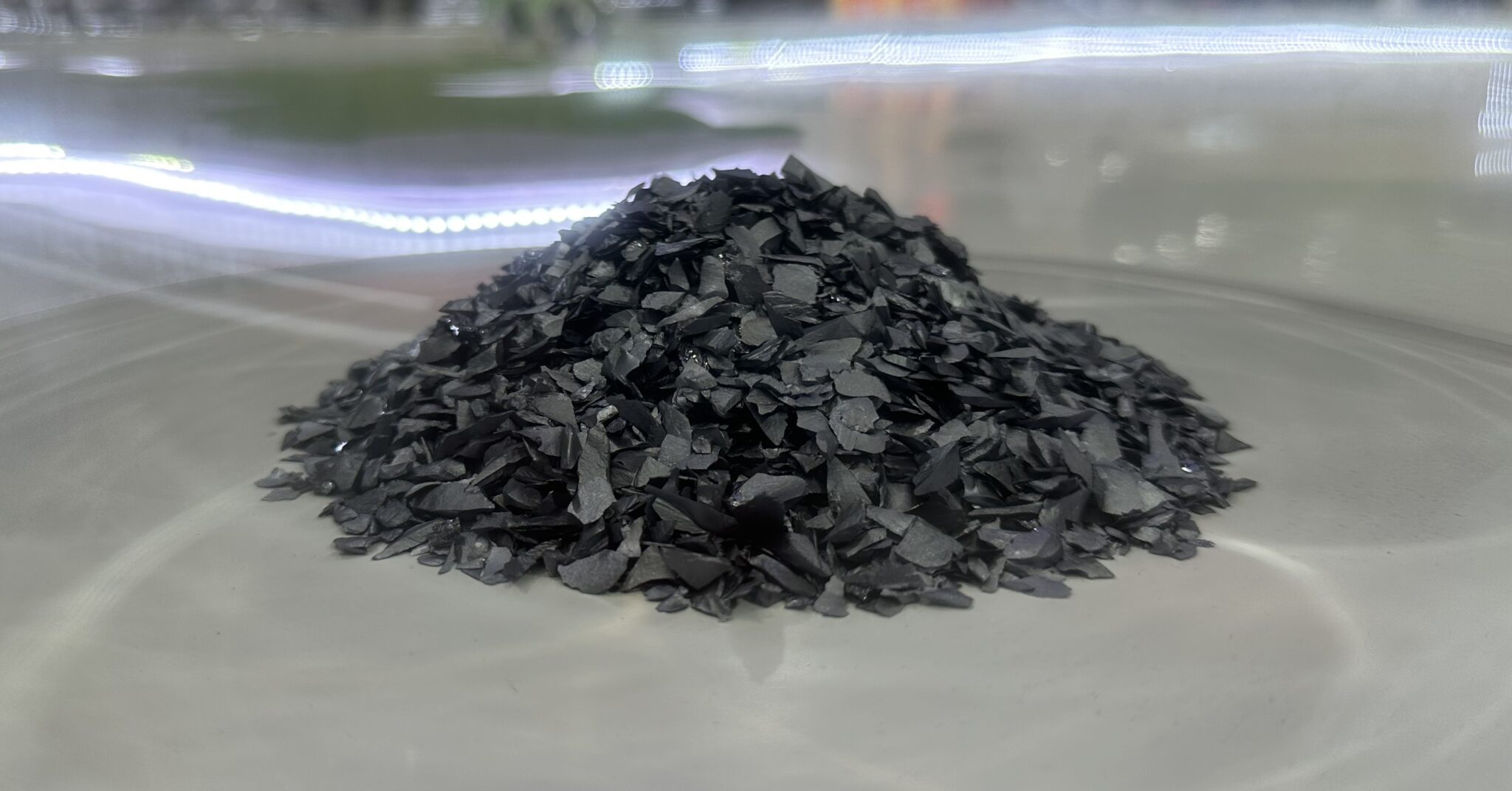
A research team from Italy has developed a novel approach to upcycle silicon (Si) recovered from end-of-life (EoL) PV modules and use it as a support material for palladium (Pd) nanoparticle catalysts.
The recycled silicon is intended for use in Pd/Si catalysts in microwave-assisted Suzuki–Miyaura cross-coupling reactions for biaryl synthesis, a widely employed process in the production of pharmaceuticals and agrochemicals.
“Following the established recovery protocol for metallurgical-grade silicon (MG-Si) from EoL photovoltaic modules, we herein demonstrate a value-added application of this e-waste-derived material as a support for palladium nanoparticles,” the group explained. “The resulting Pd/Si material serves as an efficient heterogeneous catalyst for Suzuki–Miyaura cross-coupling reactions, providing access to biaryl motifs that are key structural units in several important compounds, such as tepotinib, boscalid, and the Sartan class.”