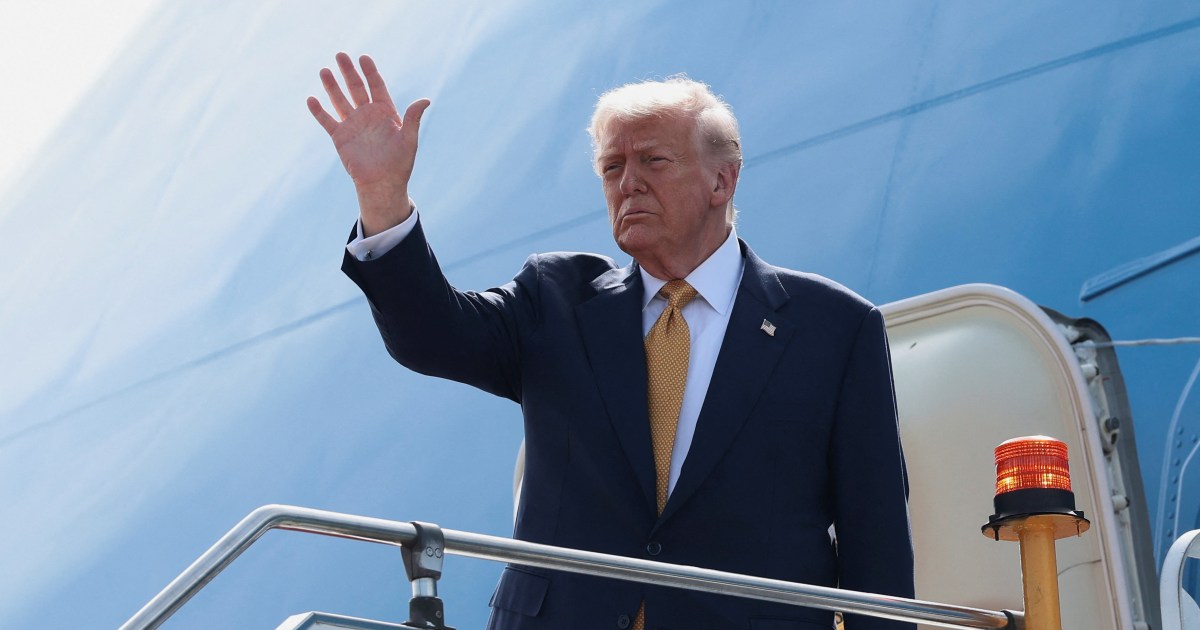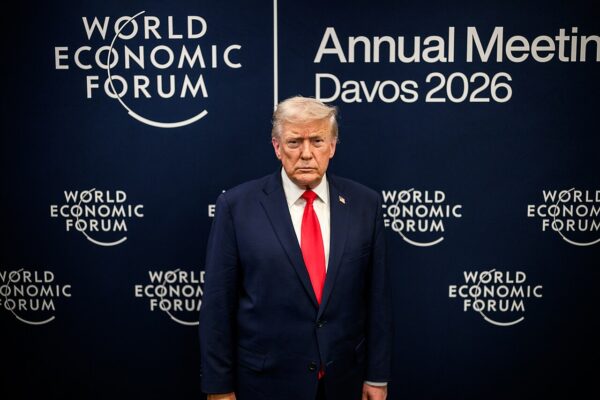
U.S. President Donald Trump exits the stage after delivering remarks at the World Economic Forum in Davos, Switzerland, Jan. 21, 2026.
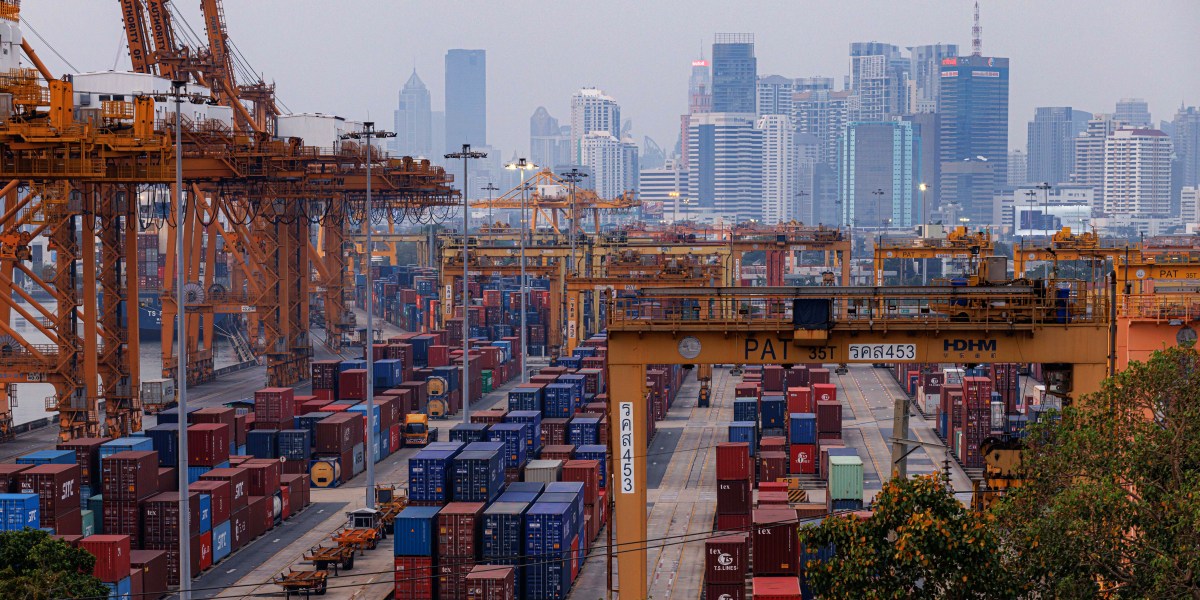
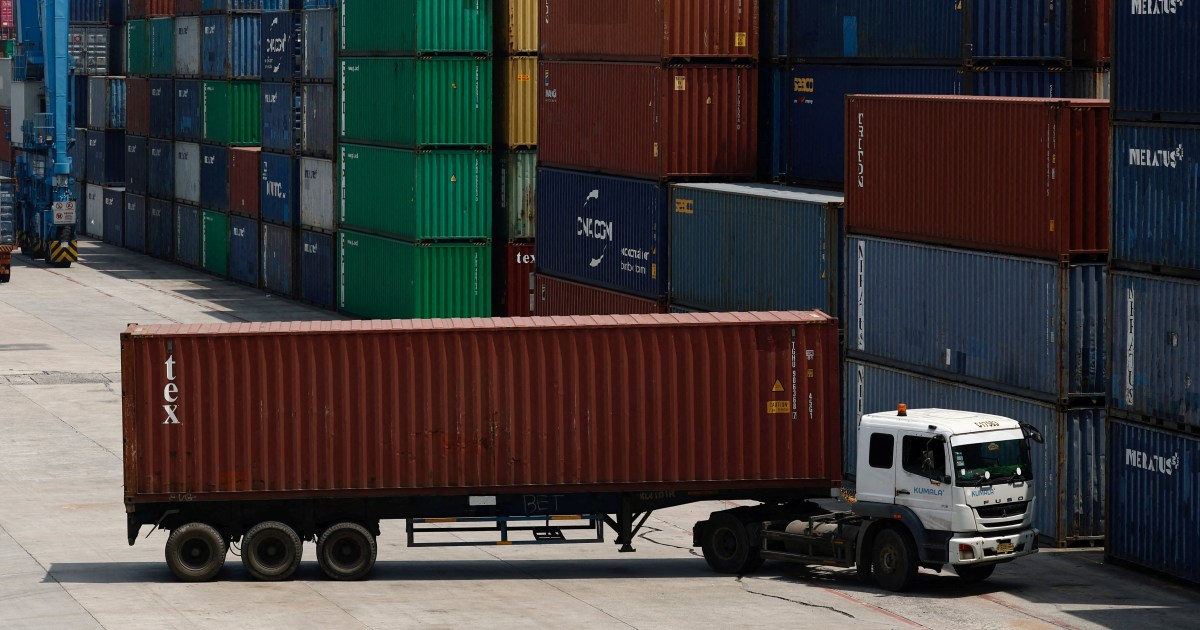
Last year, the United States imposed sweeping tariffs on its trade partners worldwide, including those in Southeast Asia. The tariffs, which went as high as 49 percent, were based largely on the size of each country’s bilateral trade surplus with the United States. Really big exporters, like Thailand and Vietnam, faced stiff tariffs.
Indonesia and Malaysia quickly agreed to lopsided reciprocal trade agreements with the U.S. to get the tariffs lowered to under 20 percent. That may have been hasty as the deals contain numerous provisions that are seemingly impossible to enforce. In any case, the U.S. Supreme Court struck down the tariffs in February.
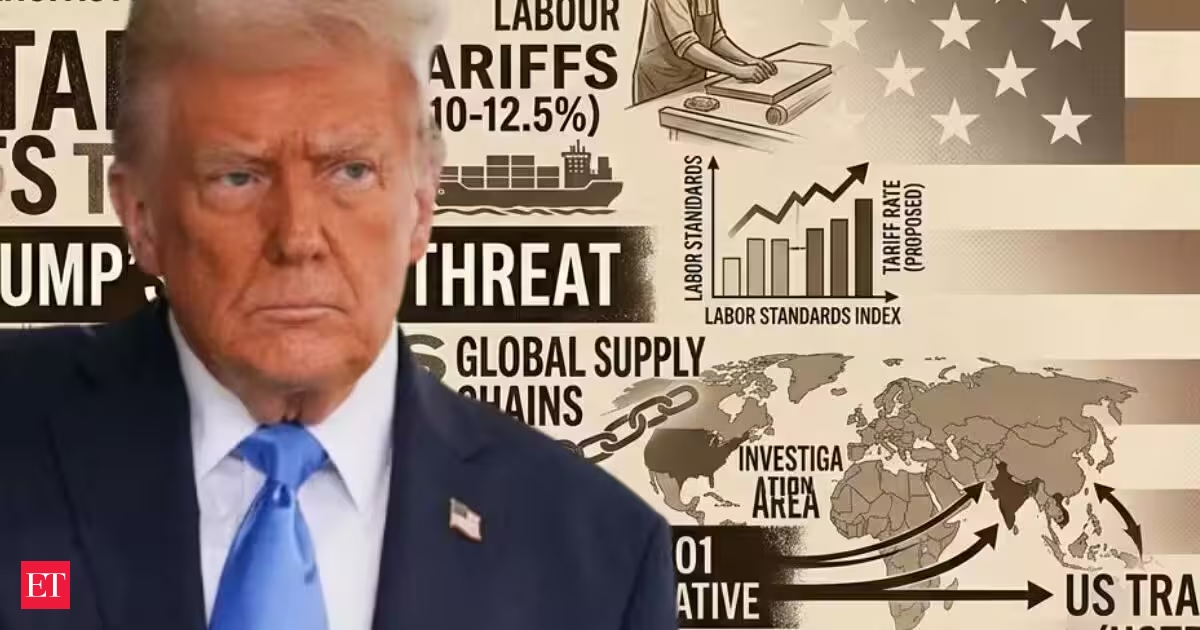
Trump’s love of tariffs has not been deterred, however, and the administration soon launched a wave of investigations under the authority of Section 301 of the Trade Act of 1974. This gives the U.S. Trade Representative broad powers to impose tariffs if they conclude that trade partners are engaging in unfair practices or using forced labor. The results are in on the forced labor probe, and the administration has concluded that 60 countries are in violation of Section 301. Those found to be in violation are subject to new tariffs of between 10 and 12.5 percent.