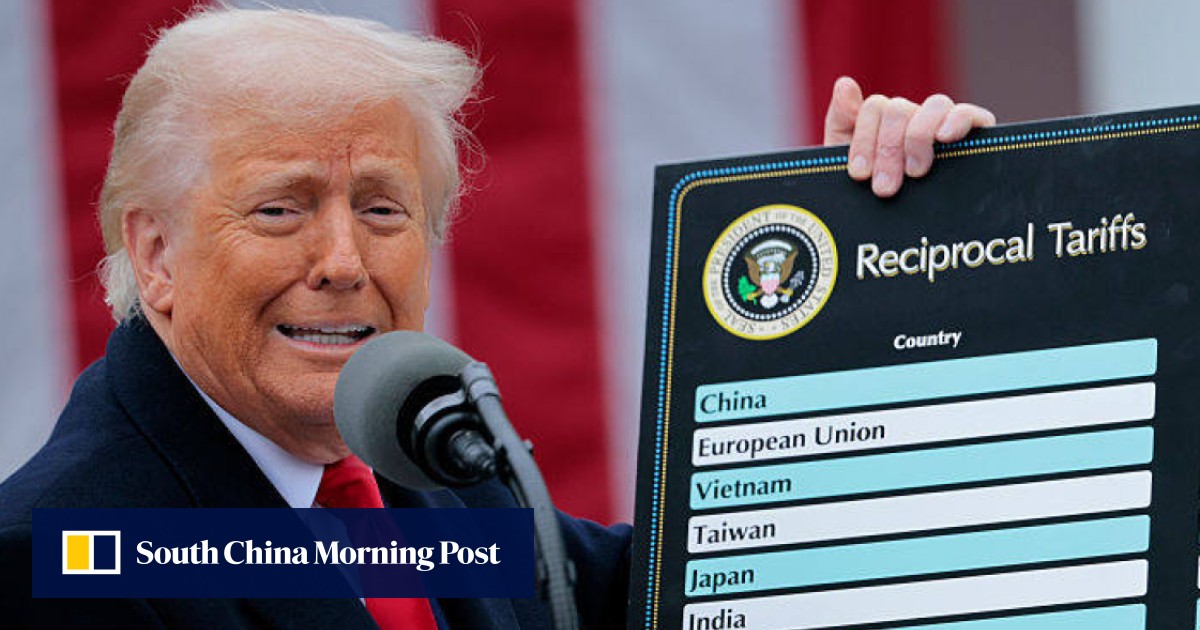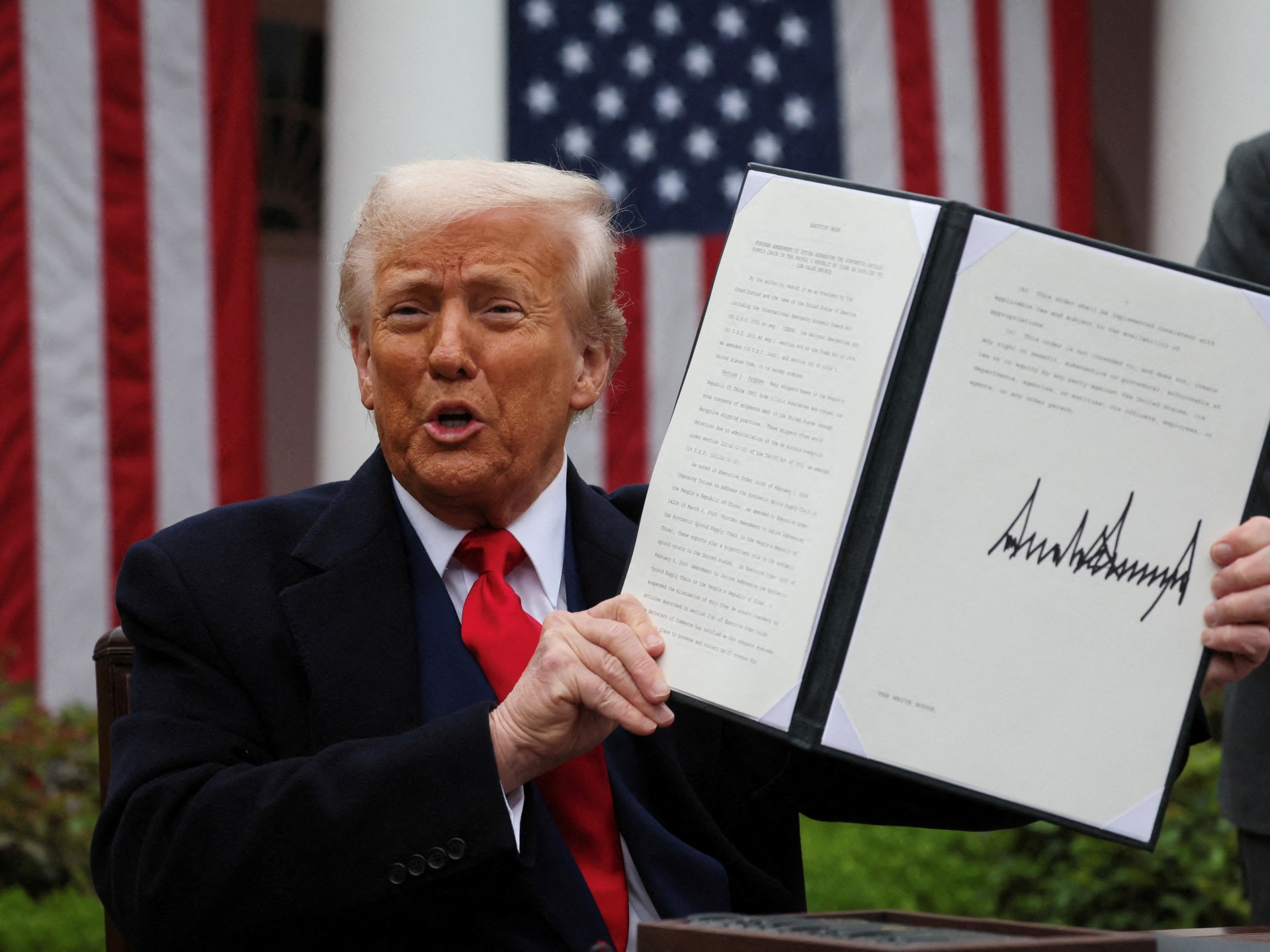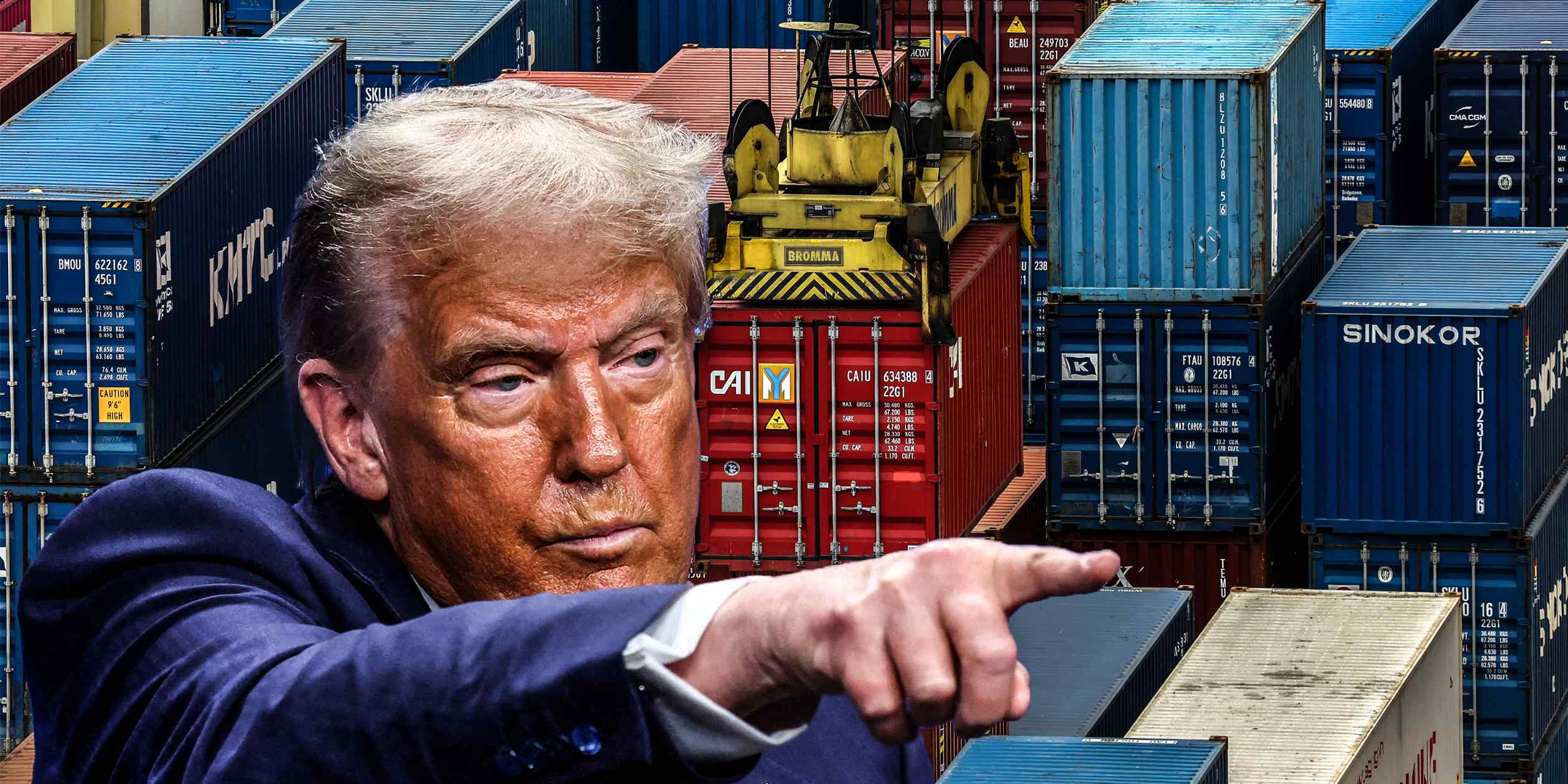
When US President Donald Trump made his dramatic tariff announcement on 2 April, nowhere was the shock greater than in South East Asia, a region whose entire world view and economic model is built on exports.
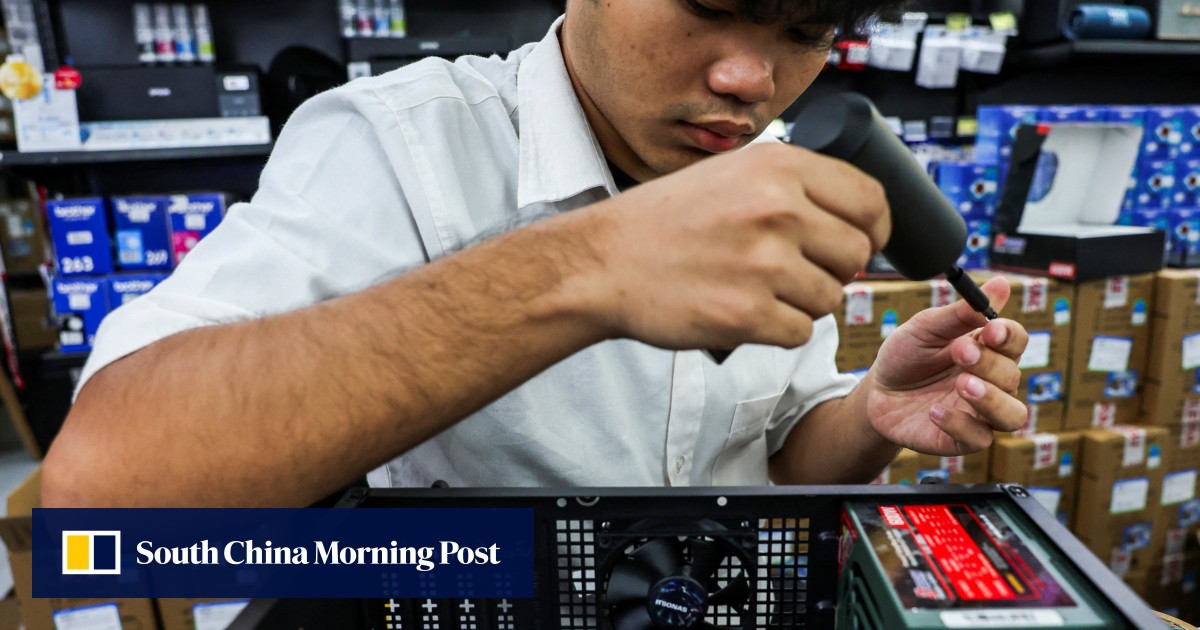
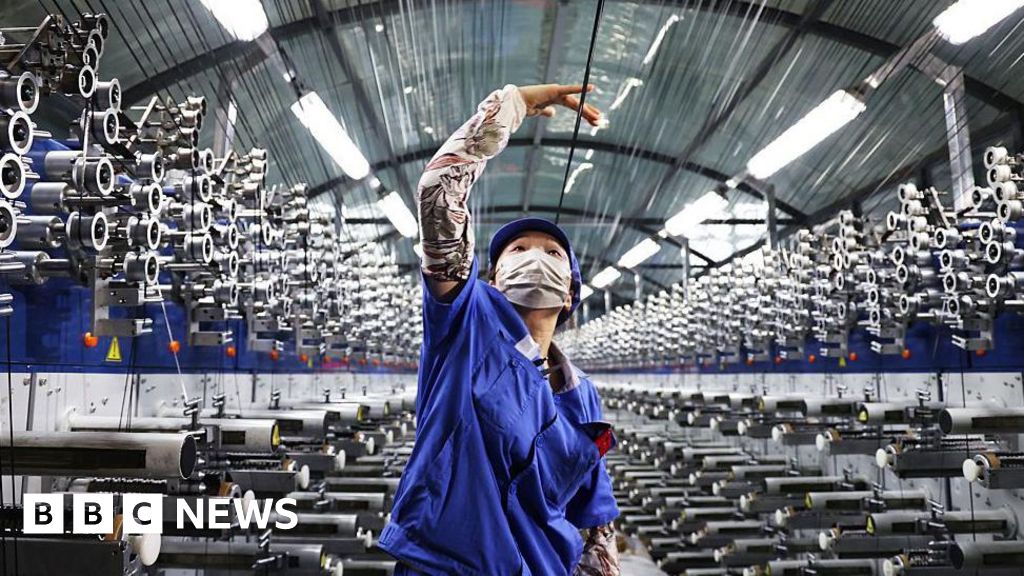
The levies went as high as 49% on some countries, hitting a range of industries from electronics exporters in Thailand and Vietnam to chip makers in Malaysia and clothing factories in Cambodia.
"I remember waking up in the morning. It was quite early, and seeing him standing there on the White House lawn with his board. I thought: 'Did I see that right? 36%? How could it be?" says Richard Han, whose father founded Hana Microelectronics, one of Thailand's biggest contract manufacturers.
Thailand, which was facing a 36% levy, now has a deal, like most of its neighbours, to reduce the tariffs to 19%.
The negotiations went down to the wire, finalised just two days before the deadline Trump had set - 1 August. It has been a fraught process getting there, and there is still very little detail about exactly what has been agreed.