Most nations ended up with tariffs reflecting a ‘baseline of sorts’, but not without major concessions – and two were singled out
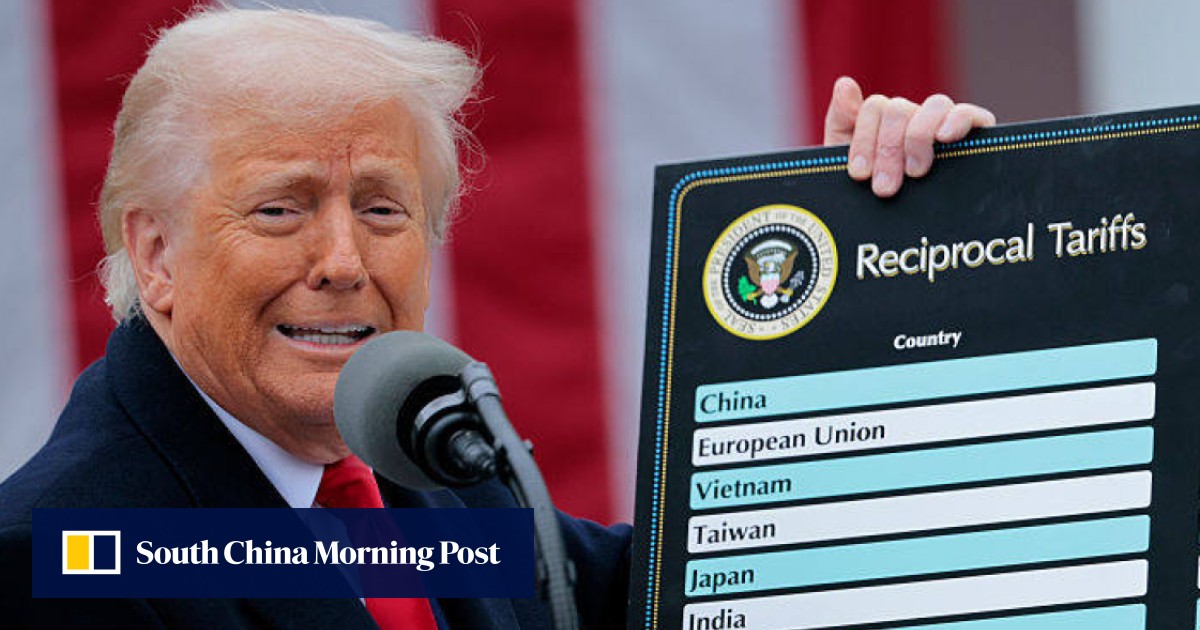
And so it has come to this. After months of threats, intensive shuttle diplomacy and last-minute trade negotiations, Washington’s new tariff regime has finally come into force.
Trump’s sweeping executive order, issued on July 31, imposed tariffs that came into force from Thursday on a host of nations. Most Southeast Asian countries ended up with rates between 19 and 20 per cent – a figure that analysts say now serves as a de facto “baseline” for future trade negotiations with the US.
Kevin Chen, an associate research fellow with the US programme at the S. Rajaratnam School of International Studies in Singapore, said there was a “kernel of truth” in suggestions that the ceasefire had helped seal a lower tariff deal, but he cautioned against overstating its impact.
“The negotiations over tariff exemptions and purchases of US equipment probably happened in the weeks preceding the conflict,” he told This Week in Asia.