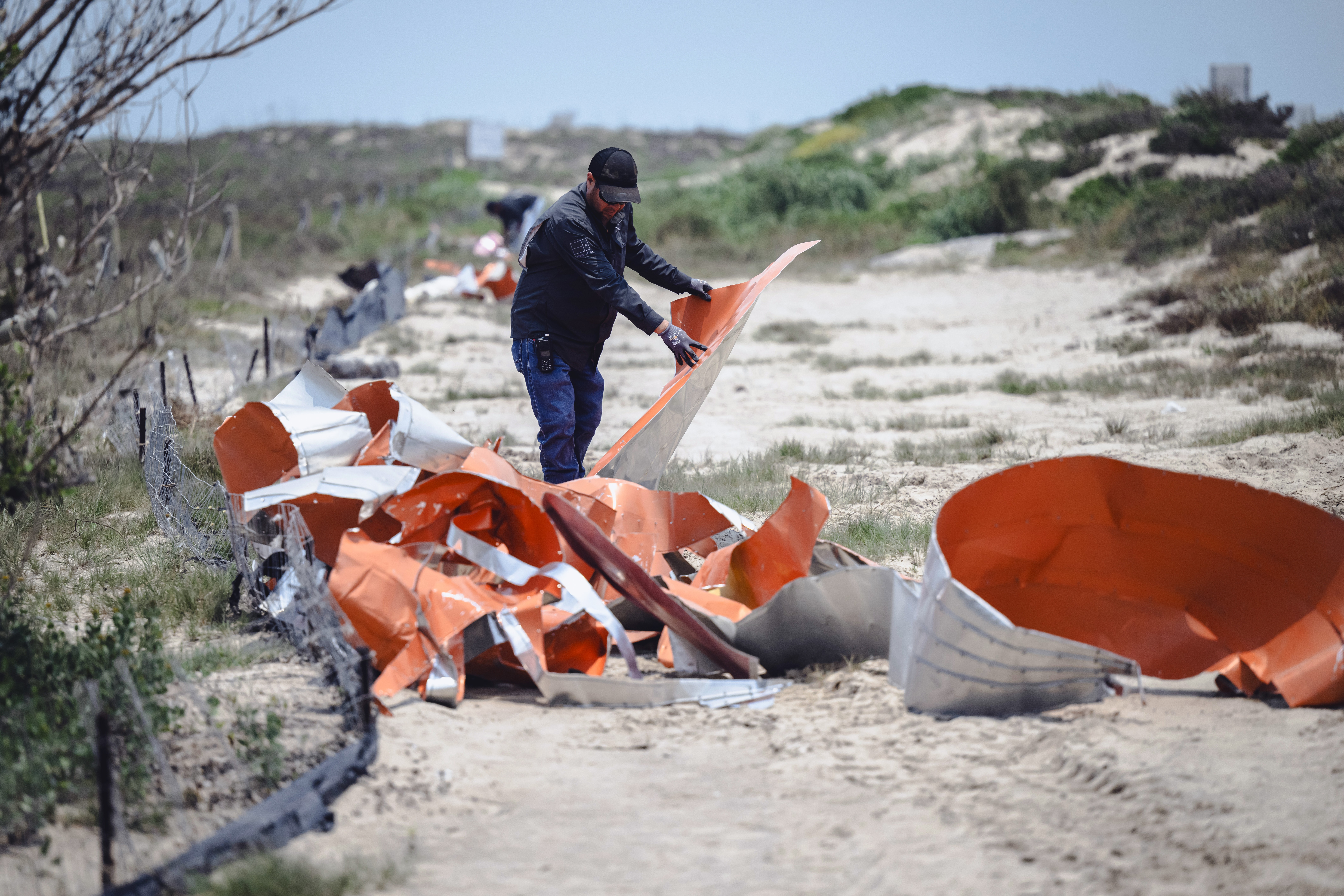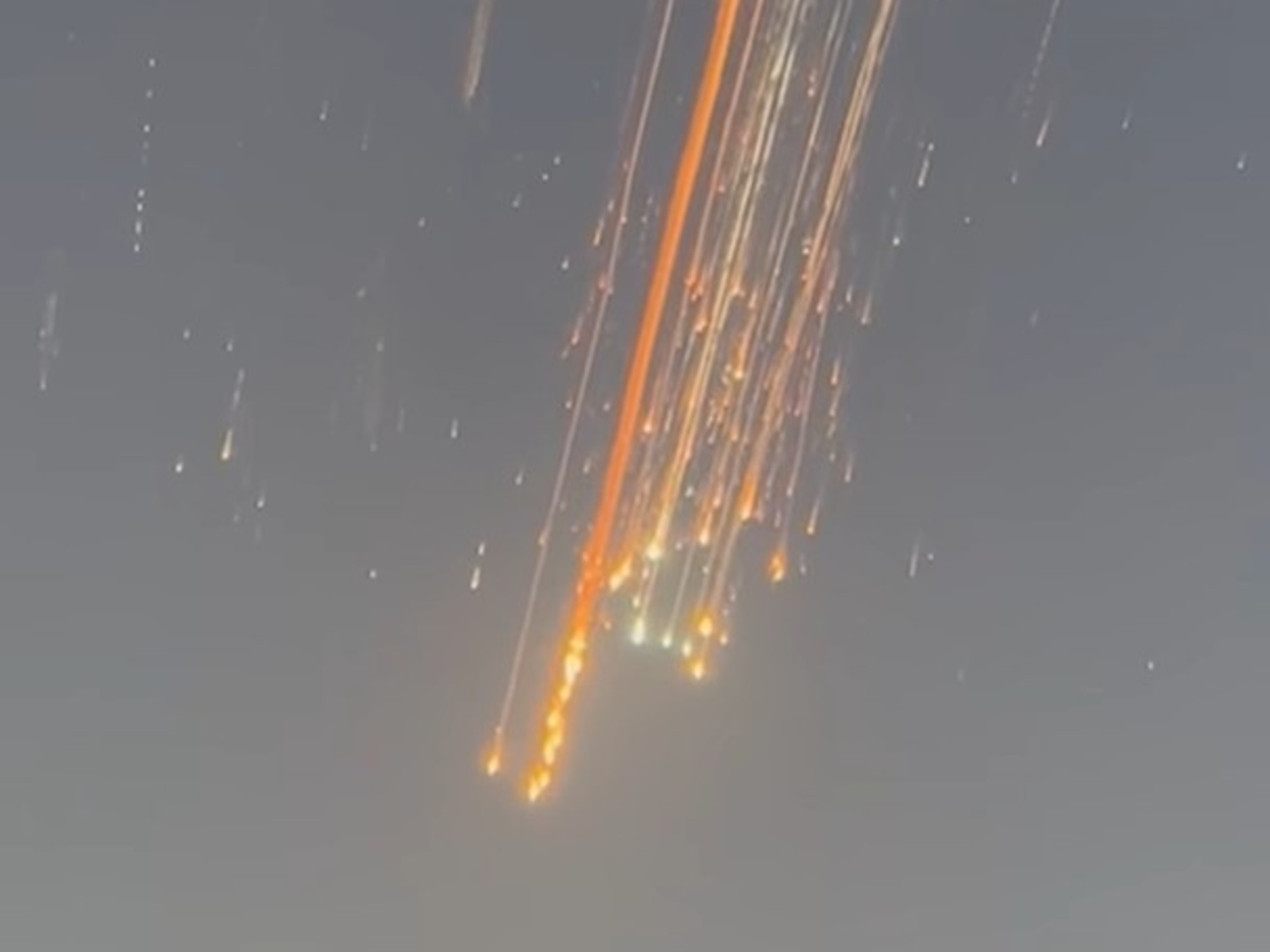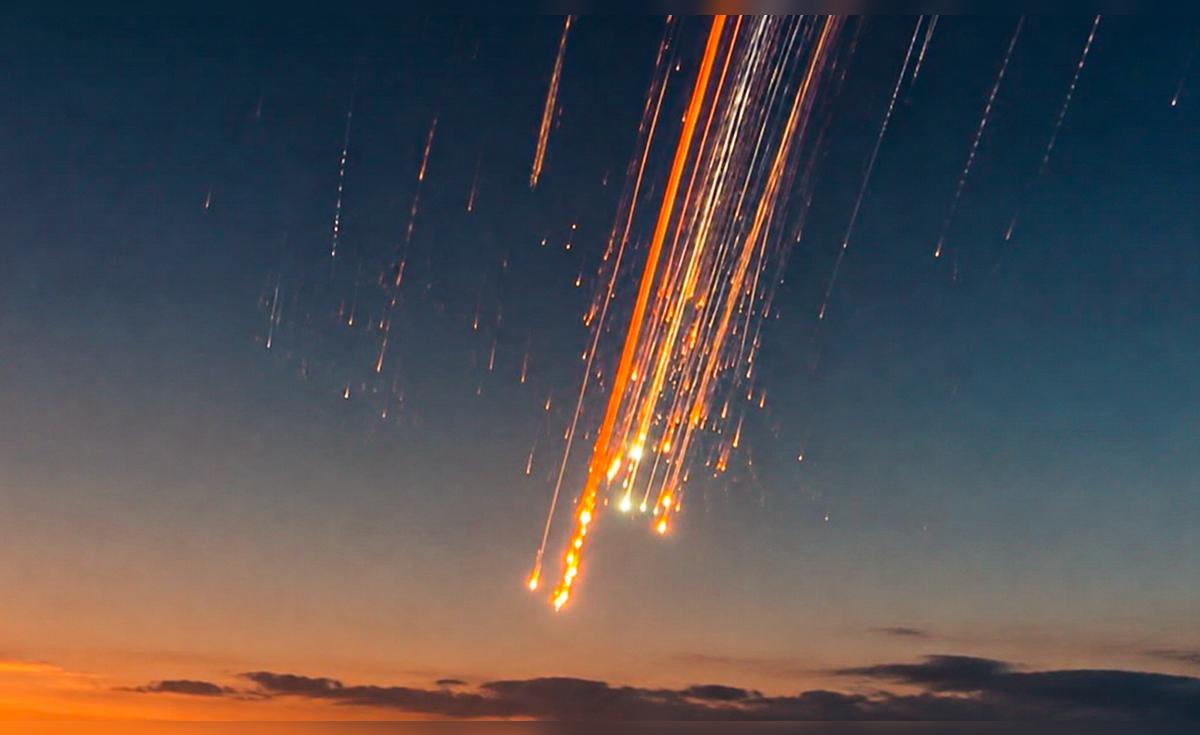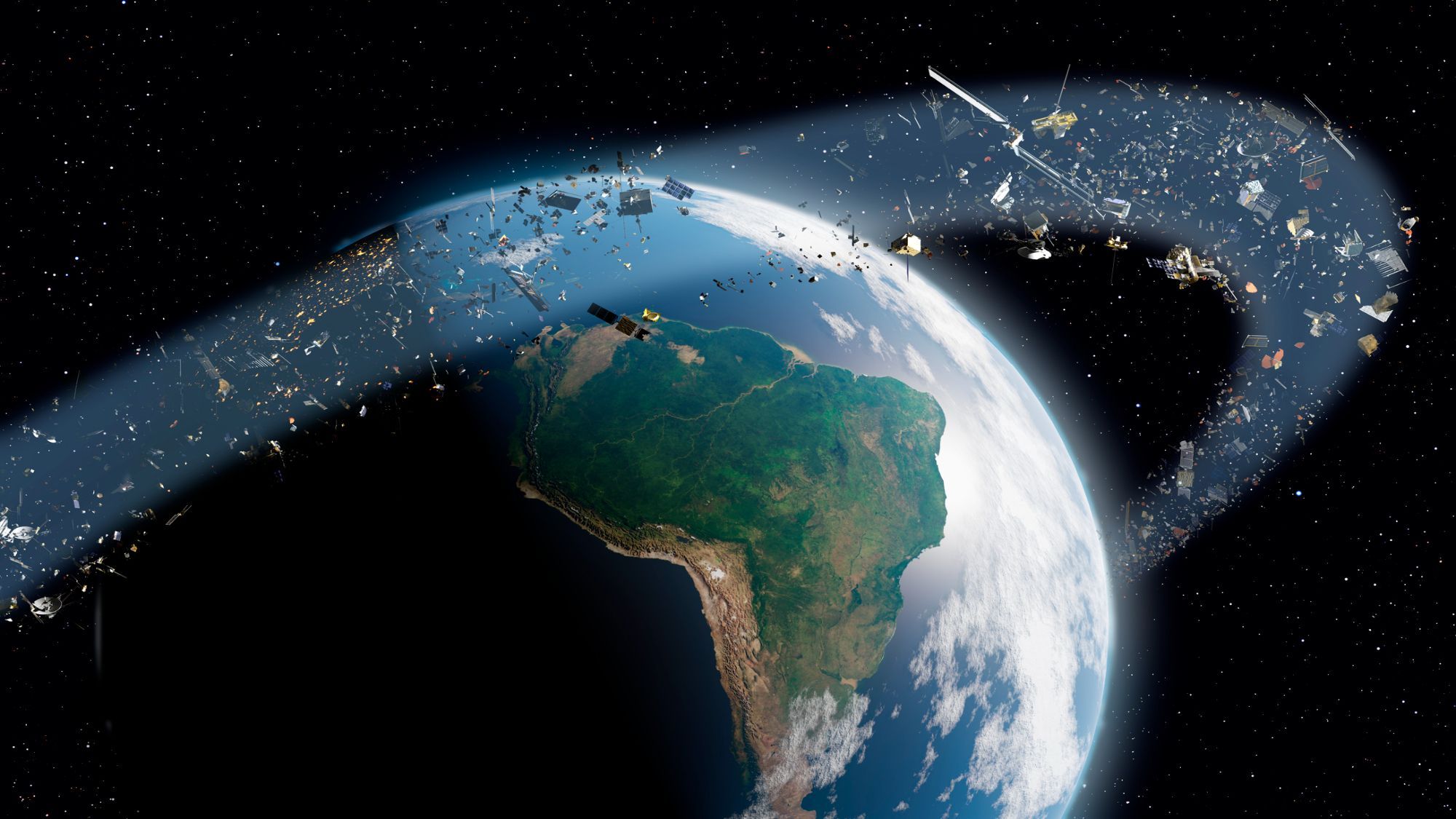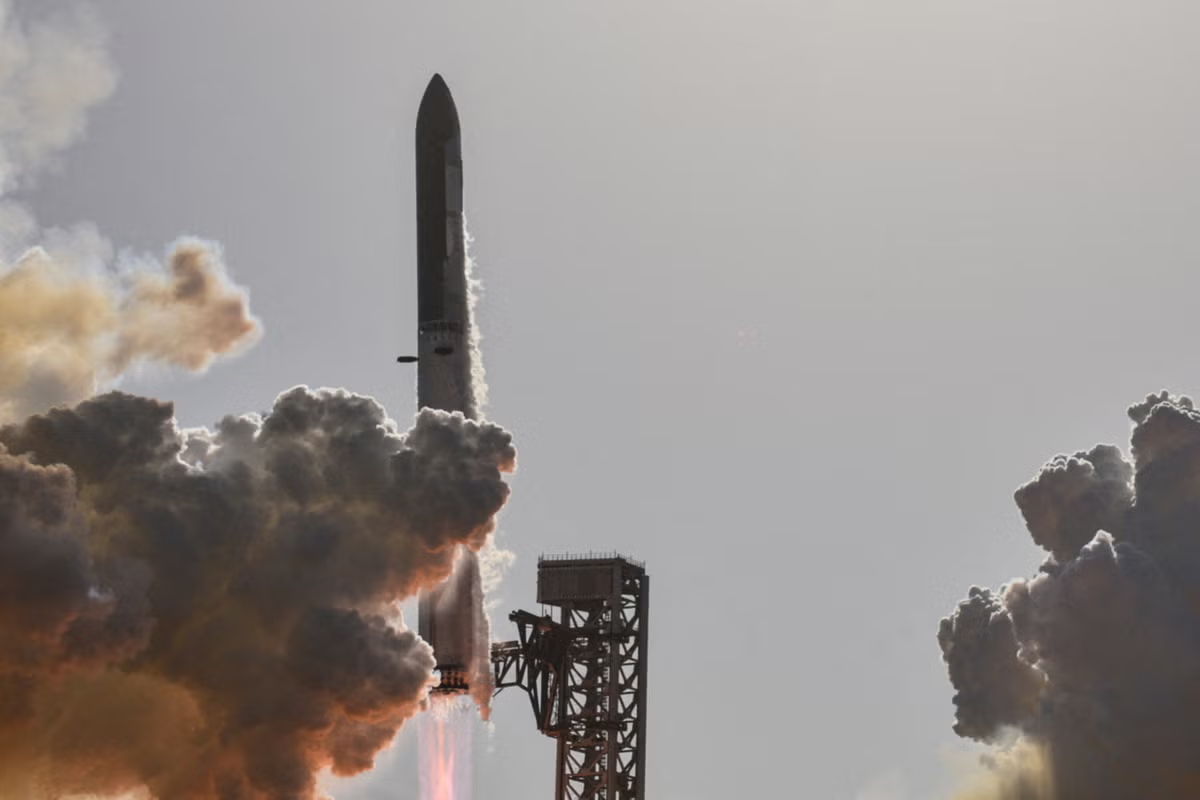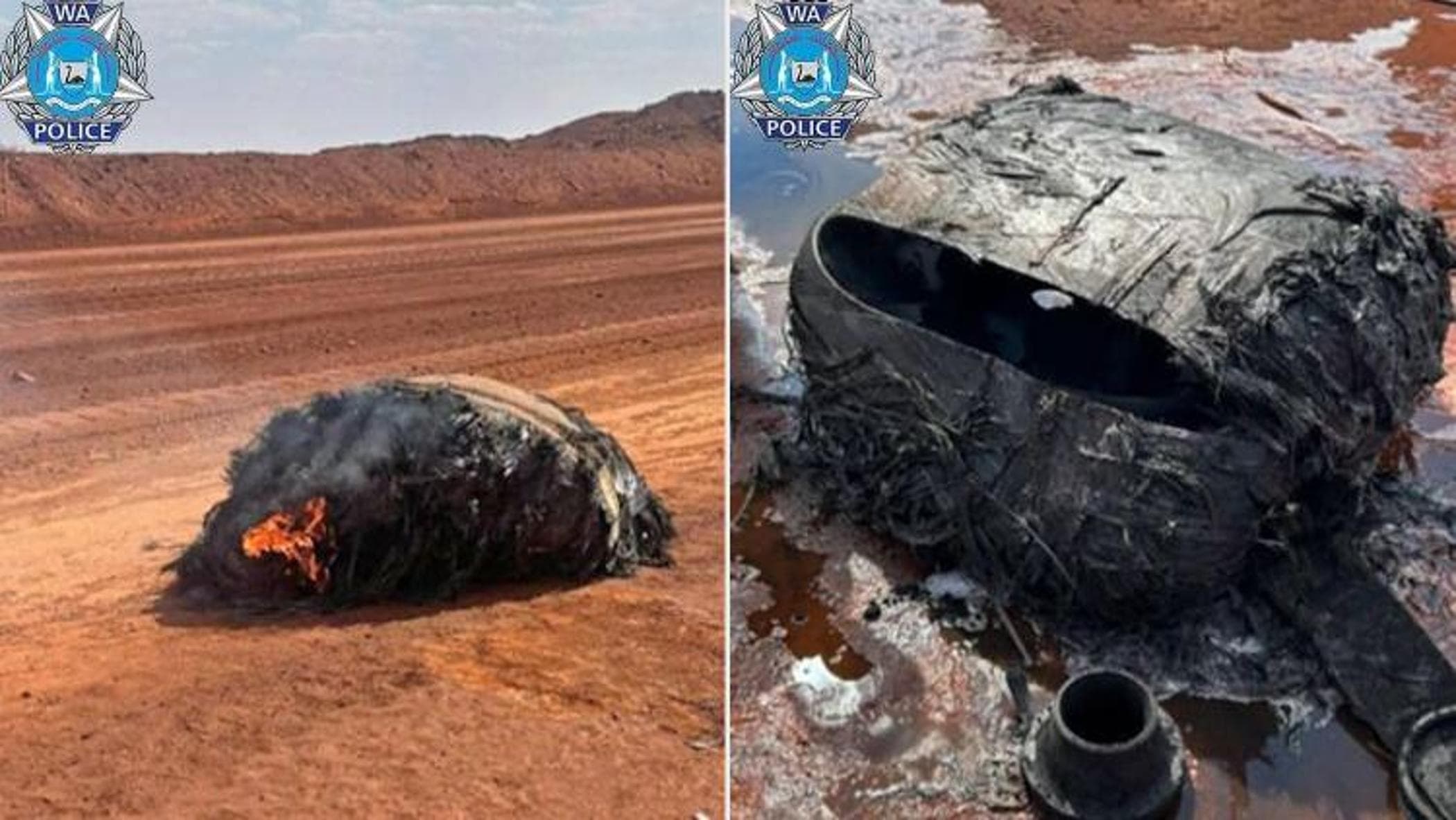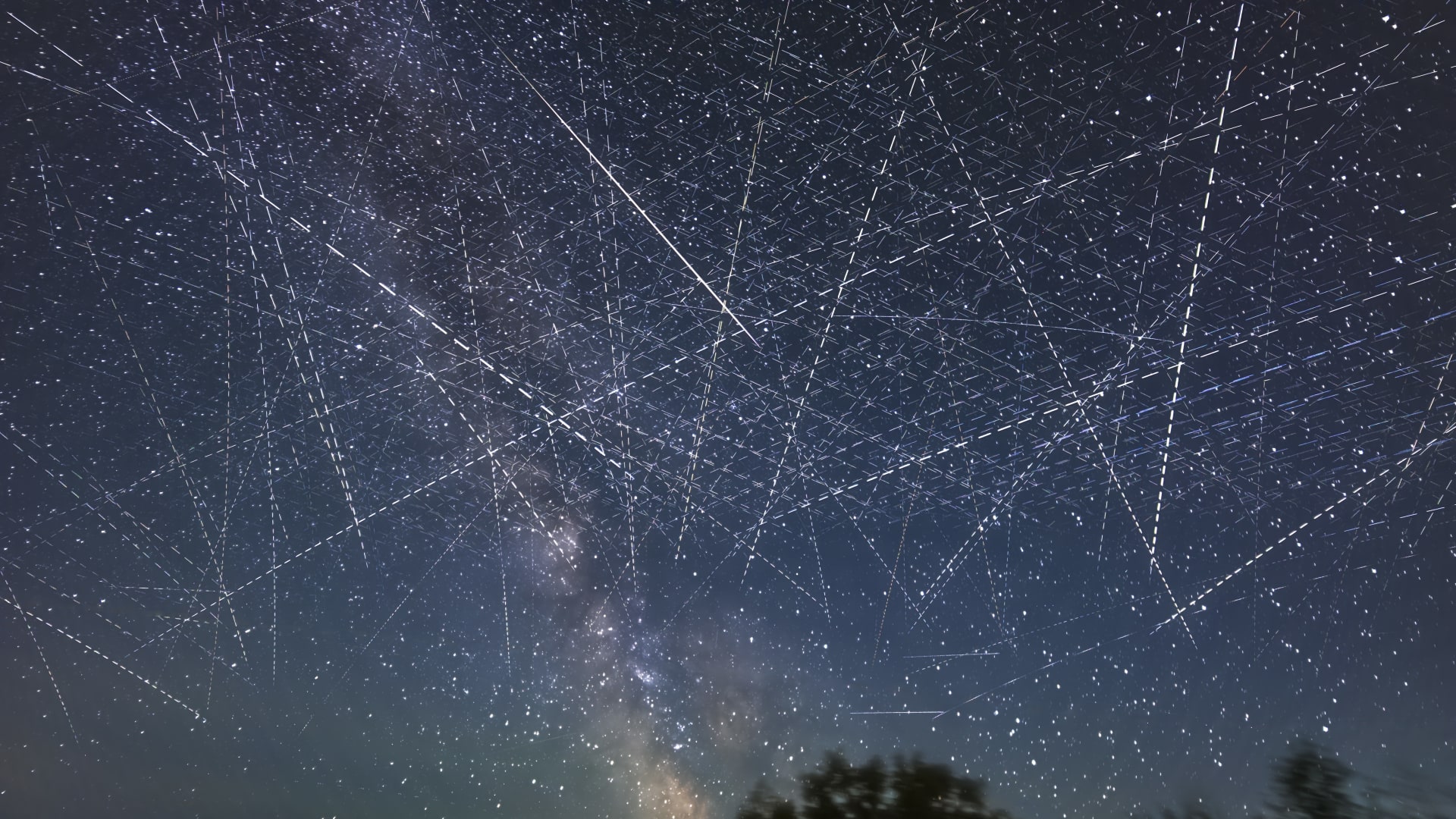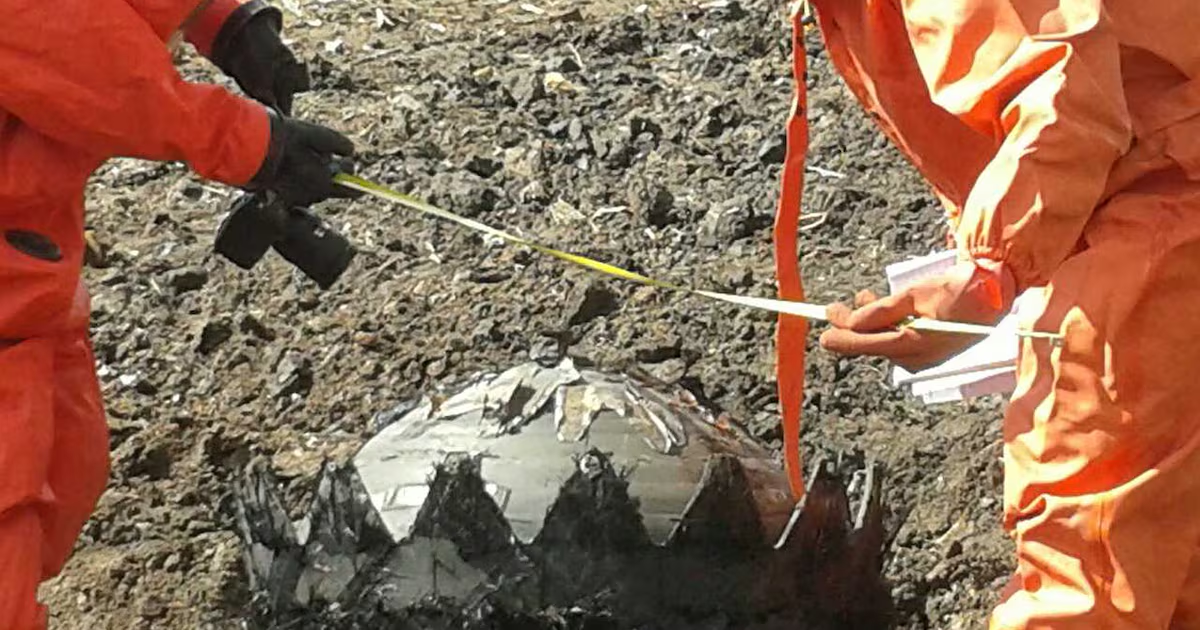
One December afternoon, the sky tore open and a fiery hunk of metal, wider than a schoolbus, came hurtling down.It was louder than a thunderclap when it plunged into a patch of farmland, startling everyone in the village of Mukuku, about three hours south of Nairobi, Kenya.“People were thinking this is the end of the world,” said John Mukunuu, who lives nearby.When the villagers arrived, they found a giant ring, taller than a man and heavier than a horse, lodged into the earth. They watched it cool from a glowing ember to a dull grey. They guarded it, taking the occasional selfie, until officials from the capital swarmed the village.The ring had once connected parts of a rocket. It was supposed to have burnt up on its return to Earth.“This is an isolated event,” the Kenya Space Agency said in early 2025.Not exactly.More space debris is raining down on Earth than ever before – one effect of the frenetic race among governments and companies such as SpaceX to reign over the skies.Last year, the United States Space Force issued alerts for nearly 820 objects entering the Earth’s atmosphere. The US government issued alerts for 110 objects a decade ago.“The re-entries happen each and every day,” said Mariusz Slonina, who heads space situational awareness operations for the Polish Space Agency. Huge objects weighing a metric tonne or more arrive about once a week, he said. Much of the debris incinerates in the atmosphere or splashes into the Pacific Ocean, but when it does not, it plummets to the ground, uncontrolled and unpredictable.A SpaceX Falcon 9 rocket preparing to launch from Cape Canaveral, Florida, on Thursday. Photograph: Cristobal Herrera-Ulashkevich/EPA The more objects humans launch into orbit, the more debris they will have to dodge on Earth. More than 300 rockets launched last year, nearly four times as many as a decade ago. That means many more bits and spent parts are expected to drop back.Dying satellites are another common detritus of this space age. A good number of the roughly 16,000 satellites in orbit will ultimately come back to Earth. In 2024, discarded hardware from the International Space Station crashed into a Florida home. Early last year, part of a SpaceX rocket landed near a busy shopping mall in Poznan, Poland. Another piece was found near the city’s airport, according to the Polish Space Agency.Months later, a defunct Chinese satellite barrelled down over Tenerife, in the Canary Islands. The three-metric-tonne satellite sent shock waves across the region before fragmenting and burning up in the air.In October, miners discovered burning debris on a desert road in Western Australia. Recently, giant “space balls” washed ashore on an Australian beach.The patchwork of regulation governing rocket launches and orbital junk is no match for the pace of space development. Elon Musk’s SpaceX, which has more than 10,000 satellites in orbit, has applied to launch a million more. Jeff Bezos’s Blue Origin has similar ambitions and Chinese “mega-constellations” are expected to have hundreds of thousands of satellites.Debris thought to be from a spacecraft launched from the European spaceport in Kourou in French Guiana in 2014. Photograph: Tarso Sarraf/AFP via Getty Images For now, people are more likely to be struck by lightning than by falling space junk. The only documented case is of an Oklahoma woman who was hit by debris in the 1990s. She survived relatively unharmed.But those odds are shifting. A study for the US Federal Aviation Administration (FAA) concluded that by 2035, debris from SpaceX satellites alone could kill or injure someone every two years.The risk diminishes if satellites burn up in the atmosphere, the study concluded. For a while, SpaceX said that all its returning satellites incinerated. Then, in 2024, a chunk of SpaceX metal was found on a Canadian farm. SpaceX, which previously disagreed with the FAA report, did not respond to questions. The company now says that about 5 per cent of the mass of some satellites may not disintegrate.Sean O’Keefe, a professor at Syracuse University in New York and former Nasa administrator, said: “Humans have a lot of failure of imagination. We just can’t imagine that it will happen to us.”“All it’s got to do is show up in a major metropolitan area,” he added.O’Keefe and other experts say that governments and companies should be compelled to use materials that will fully disintegrate. No such regulation exists. In the United States, the Federal Communications Commission requires companies to report on the risk of casualties from falling satellites, but the agency mostly focuses on regulating radio frequencies.The FAA, which oversees launches, proposed a rule to regulate the disposal of orbital debris but it withdrew the idea in January after the space industry pushed back.[ Possibility of rocket debris from satellite launch off Irish coast triggers alertOpens in new window ]United Nations treaties govern liability for space debris that hurts people or damages property, but those are cold war relics with limited scope. The UN issued guidelines for space debris in 2007, when there were far fewer satellites. Those guidelines are nonbinding.If objects are in free fall, even the best rocket scientists cannot accurately predict where they will land or whether they will fully incinerate. A one-minute error in predicting re-entry changes the landing zone by around 500km, according to the Aerospace Corporation, a non-profit research group. In January, for example, a fireball pierced the atmosphere over Europe. It was the upper stage of a Zhuque-3 rocket that went out of control after a Chinese firm, Landspace, launched it the previous month.Space agencies across the world monitored the object for four days. It was so heavy – about 11 metric tonnes – that they did not expect it to incinerate. Governments feared that it could plunge into heavily populated areas. British officials told mobile networks to test the emergency alert system.“The last hours, last orbits were over Europe, and it was really dangerous,” said Slonina of the Polish Space Agency.In the end, the debris splashed down somewhere in either the Indian or Pacific ocean.The International Space Station in 2009. Photograph: Nasa/New York Times
Watch the skies: What are the chances of being hit by a piece of space junk?
Every week, a tonne of space debris falls to Earth as more rockets and satellites go into orbit. Who pays for the damage?
1,439 words~7 min read