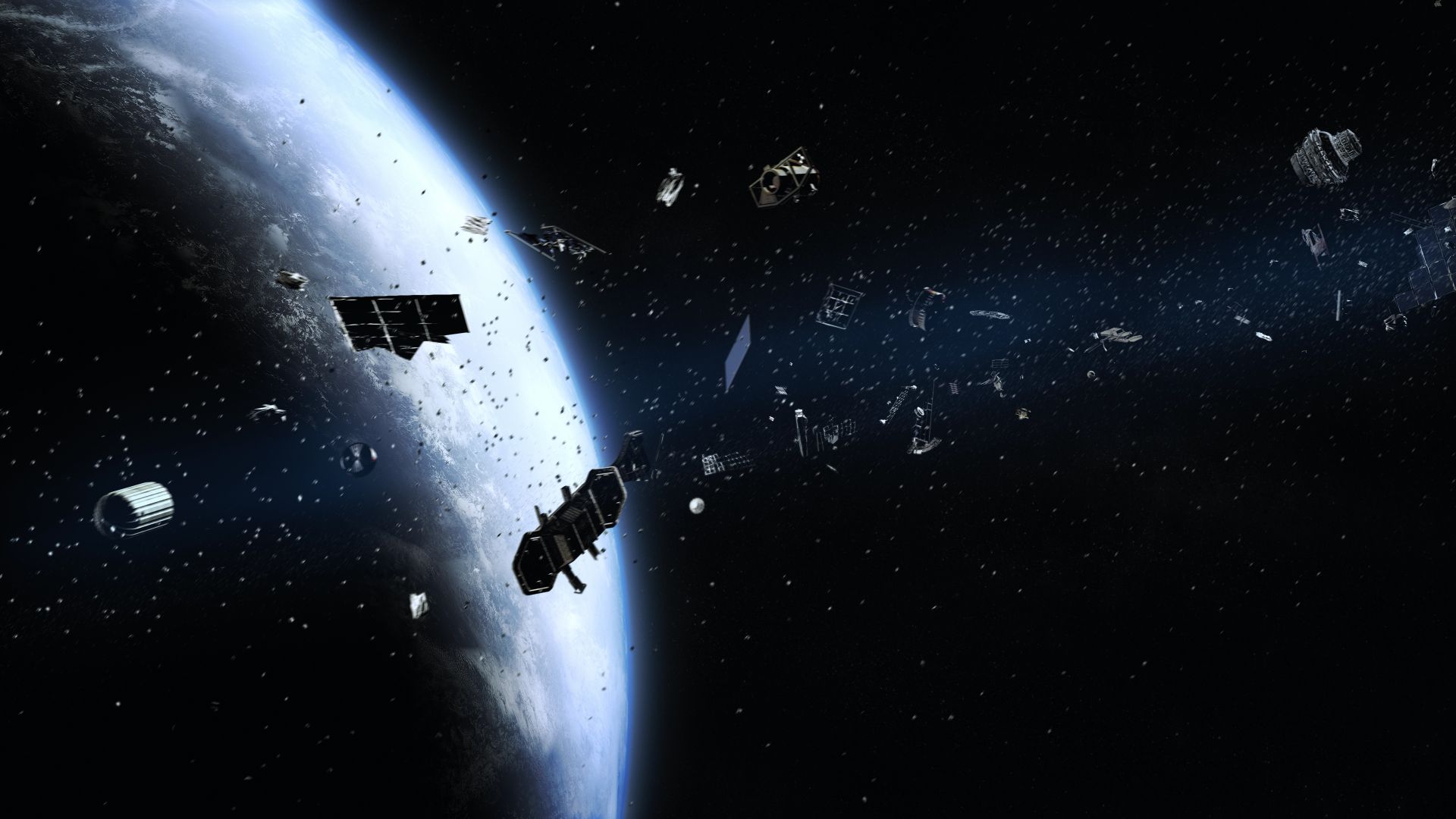
Scientists have found yet more space debris surrounding our planet.
(Image credit: Getty Images/MARK GARLICK)
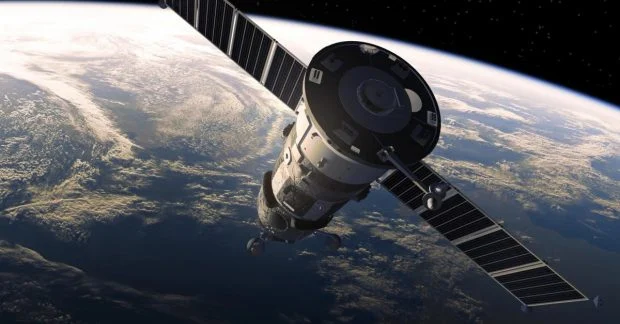
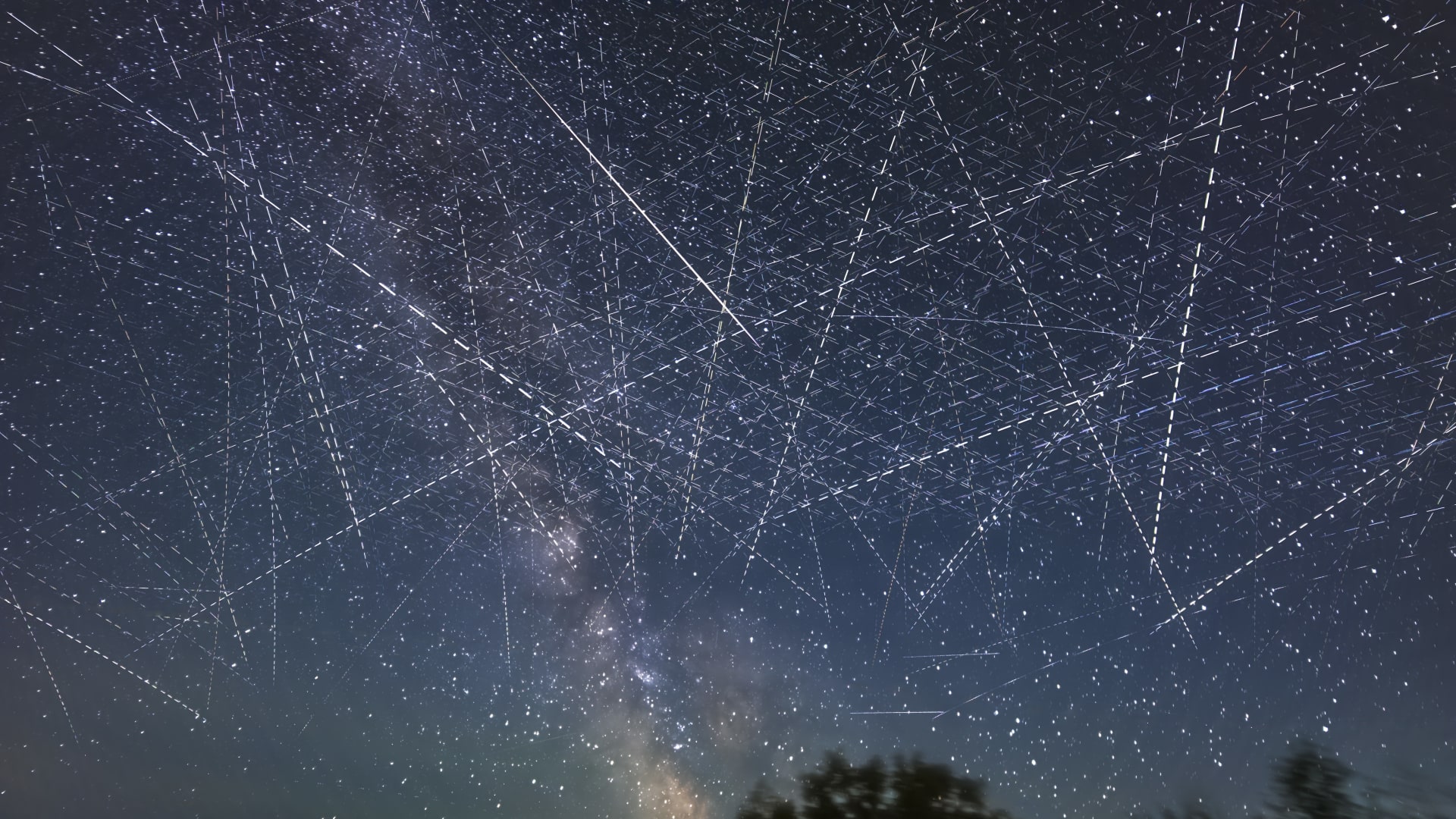
Tiny pieces of space junk only 2 inches (5 centimeters) in size are cluttering a valuable orbital region where some of the costliest satellites reside, a new study has found.Researchers from the University of Warwick in the U.K. found that the geostationary orbit — a region of space at the altitude of 22,000 miles (36,000 kilometers) — is full of dangerous, previously unseen bits of space junk that could destroy satellites.The geostationary orbit is quite unique. Satellites at this altitude circle Earth in sync with the planet's rotation, appearing permanently suspended above a fixed spot on the equator. A single satellite in the geostationary ring has a constant view of a vast portion of the globe. This feature has been taken advantage of for decades for things like TV broadcasting, internet delivery, Earth observation and weather monitoring. But, as it appears, those satellites might not be safe up there at all."The debris in geosynchronous orbit is a potential minefield," Stuart Eves, the study’s co-author and space consultant at SJE Space, said in a statement. "No one in their right mind would enter a terrestrial minefield without a mine detector. Similarly, no one in their right mind should launch a satellite to GEO without an adequate debris survey."The researchers uncovered the previously invisible debris by re-examining a dataset from an earlier space debris survey conducted by astronomers using the 8.3-foot (2.54-meter) Isaac Newton Telescope in La Palma, Canary Islands. They ran the data through new image processing algorithms to distinguish smaller and much fainter fragments than was previously possible in the distant geostationary orbit."The blind stacking technique is a very powerful method for improving the sensitivity limit of astronomical datasets," Ben Cooke, a research fellow at the University of Warwick's Center for Space Domain Awareness and co-author of the paper, said in the statement. "It involves testing many potential paths in an image sequence along which hidden targets might be moving and stacking the images to help bring those targets above the noise floor. This project shows a successful, real-world application of the method."The researchers found 25 previously missed debris tracks in the images, 80% of which were caused by previously unknown objects.The finding is concerning as space debris at such high altitudes behaves differently from that circling closer to Earth. The residual atmosphere at 22,000 miles is almost non-existent, meaning there is no air drag to force the orbital clutter spiral into the atmosphere and burn up.