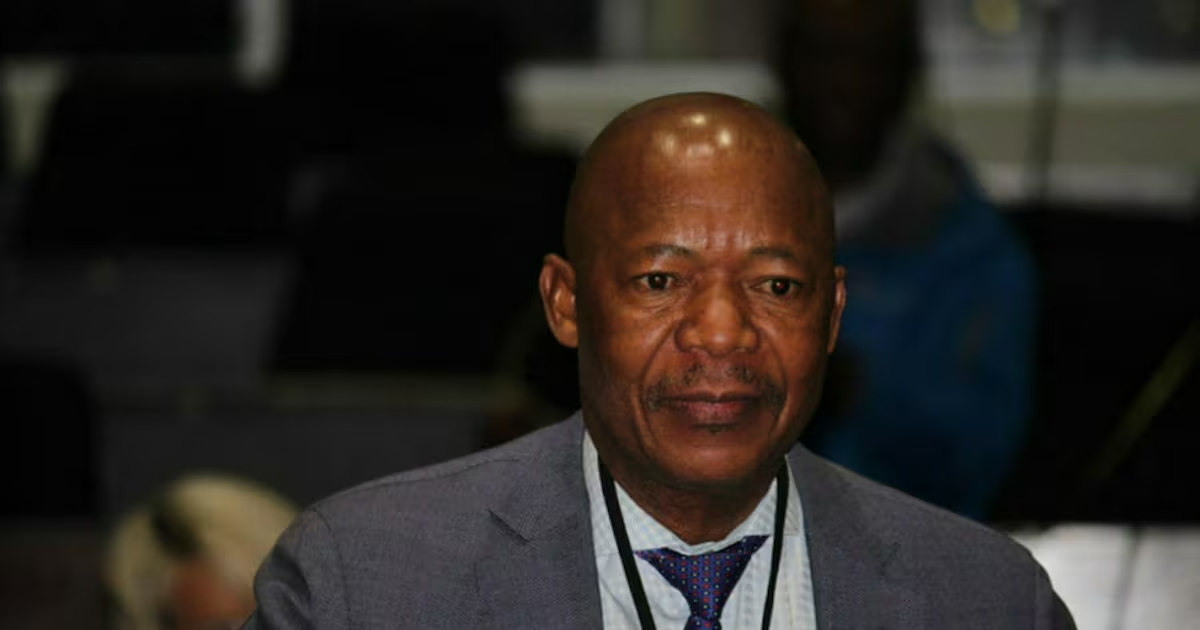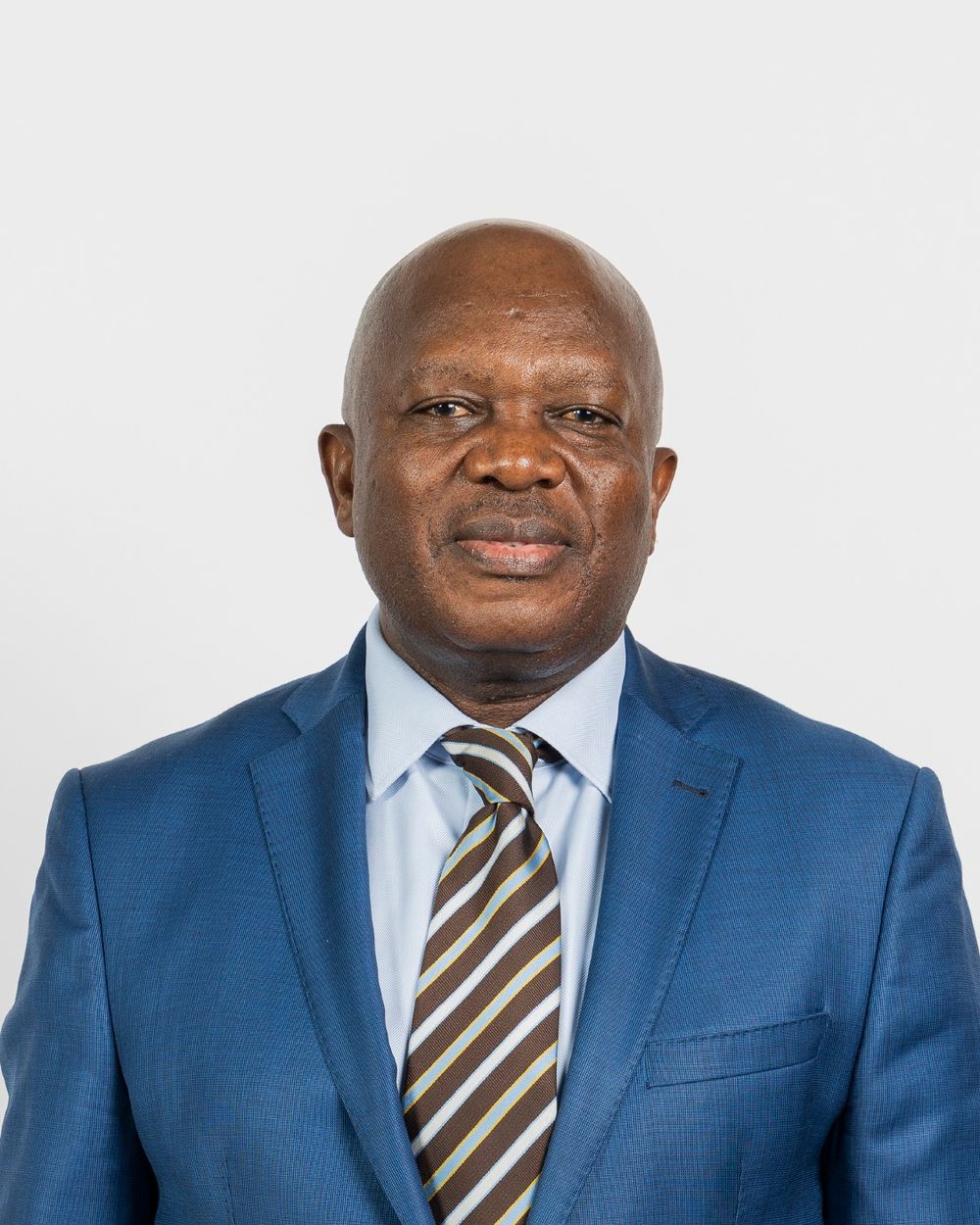
Jabulani Sikhakhane’s recent column ("PIC structure fuels integrity crisis”, July 29) raises issues relating to the restructuring of the Public Investment Corporation’s (PIC’s) investment leadership model during my tenure as CEO and I believe it is important to place those events in their proper context. Sikhakane suggests that I chose not to fill the chief investment officer (CIO) position after my appointment as CEO in December 2014 because of concerns that the CIO could undermine my authority as CEO. That is not correct. Having served first as CIO and later as CEO, I was closely involved in the governance discussions that followed. For that reason, I think it is important that the history is accurately reflected. The restructuring of the PIC’s investment leadership model was not a unilateral decision made by me. It followed a formal governance review initiated by the shareholder, considered by the board, incorporated into amendments to the memorandum of incorporation (MOI) and ultimately approved by the finance minister. The background to that governance review followed events surrounding the proposed acquisition of Adcock Ingram by the Chilean pharmaceutical company CFR while I was serving as CIO. The PIC opposed the transaction, and I was subsequently asked by the finance minister to explain that position. Those events are fully documented in my submission to the Mpati commission. After those developments the minister initiated a governance review of the PIC. One of the questions considered was whether too much investment authority rested in a single CIO position. The outcome of that process was that the traditional CIO role would be replaced by four specialist investment leadership positions focused on: CIO: listed investments; CIO: developmental investments (Isibaya); CIO: structured products and private equity; and CIO: unlisted property. The reasoning behind this was straightforward. The board believed investment responsibility should be shared across specialist areas rather than concentrated in a single office. This would strengthen oversight, improve accountability and reduce dependence on one individual in an organisation responsible for managing Africa’s largest investment portfolio. This was not a decision taken by the CEO acting alone. The revised structure was part of a board-led strategic review chaired by the then PIC chair and deputy finance minister Mcebisi Jonas. The board approved the new investment model, amended the MOI accordingly and submitted those amendments to the finance minister, who approved and signed them in March 2017. As CEO, my responsibility was to implement the governance decisions taken by the board and shareholder in accordance with the PIC’s governing framework. That is what happened. For that reason it is simply not accurate to suggest that I personally abolished, or refused to fill, the CIO position. I also think it is only fair to look at what followed. The revised structure strengthened its specialist capability across the different investment disciplines and provided greater focus on listed investments, developmental finance, private equity, and property. It also improved accountability by making senior investment executives directly responsible for their respective portfolios. During those years the PIC continued to serve its clients, including the Government Employees Pension Fund, while investing in infrastructure, affordable housing, renewable energy, black-owned businesses, and other sectors critical to economic inclusion and job creation. The organisation also became a prominent advocate for environmental, social and governance (ESG) within investment management long before it became mainstream global practice. The PIC fully recognised that ESG was complementary to long-term financial performance rather than competing objectives. Like every large institutional investor managing diversified portfolios, the PIC experienced investments that did not perform as expected. That is part of investment management. The real question is whether the institution continued to deliver value to its clients over the long term. I believe it did. When I joined the PIC in 2003, assets under management stood at about R377bn. By the time I left 15 years later, they had grown to more than R2.1-trillion. I firmly believe this growth was due to disciplined investment management and, above all, the expertise and commitment of many talented team players across the organisation. It was never the achievement of one individual. Reasonable people may differ on whether the governance reforms introduced after the Mpati commission strengthened or weakened the institution. That is a legitimate policy debate. However, such debate should begin from an accurate understanding of the historical record. Sikhakhane’s assertion that the restructuring of the CIO function reflected a personal decision by the CEO is not supported by that record. The evidence shows conclusively that it was the product of a formal governance review, board deliberation and amendments to the PIC’s governing documents, all of which received ministerial approval. Public debate about the PIC is important and should be encouraged. My only concern is that such debate should distinguish between opinion and documented fact. Recorded history should judge the PIC’s governance reforms on the basis of evidence, process and measurable outcomes and not on misconceptions that, through repetition, risk becoming accepted as fact. • Matjila is a former PIC CEO.
DAN MATJILA | Setting the record straight on the PIC’s CIO structure
Governance reforms stemmed from board and ministerial review
827 words~4 min read