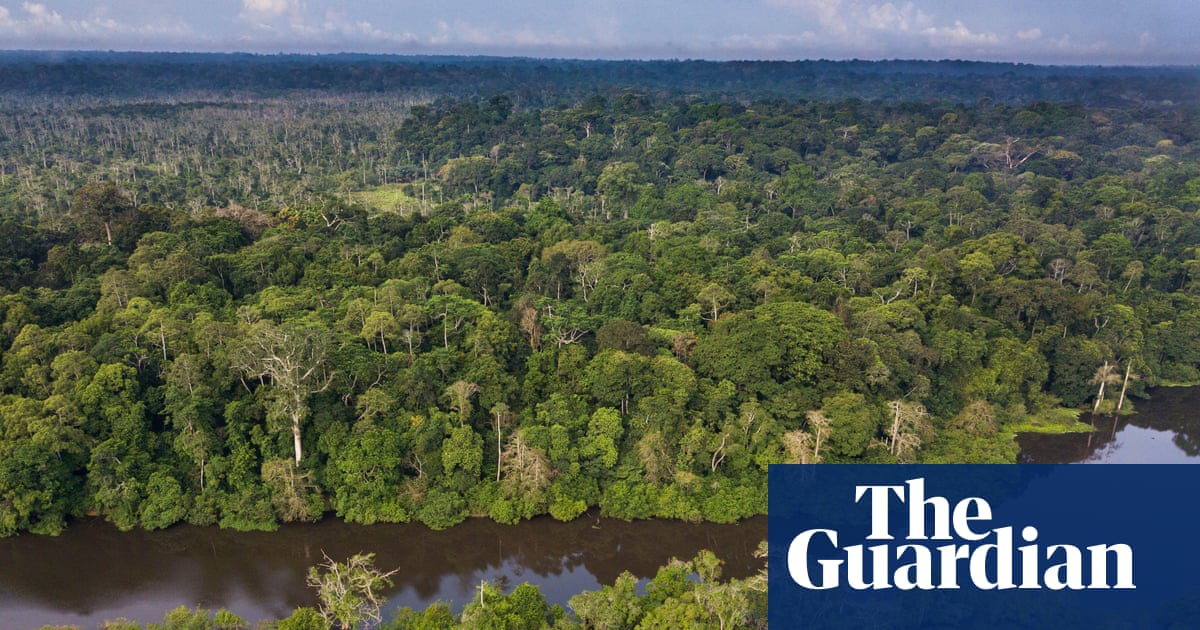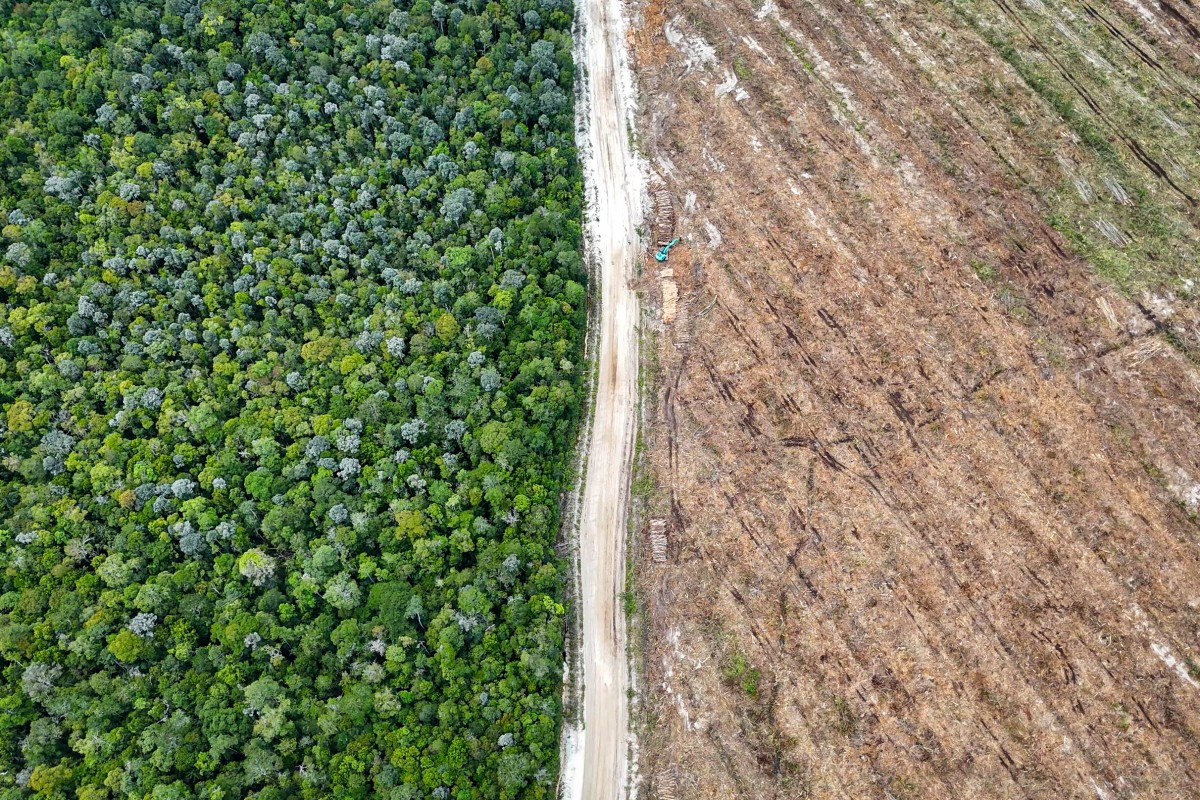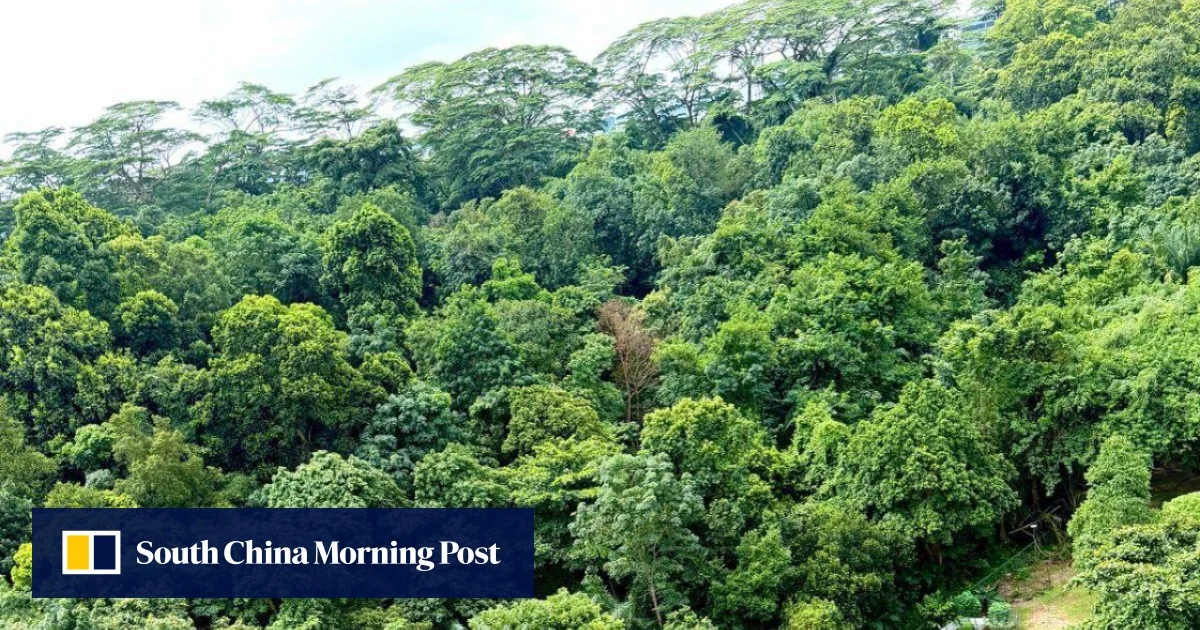
A new study has identified “massive and untapped” conservation potential within forestry and plantation concessions in Southeast Asia.Roughly 42 million hectares of forests remain standing inside logging, oil palm, timber and rubber plantation concessions across the region, the study says.The researchers examined what it would take to financially incentivize forest conservation inside these concessions, finding that using carbon markets alone would require carbon prices many times higher than current values.They point to the need for diversified sources of conservation funding to complement carbon markets, such as blended finance, green bonds and payment for ecosystems services, as well as more supportive governance frameworks that elevate the viability of conservation over development.
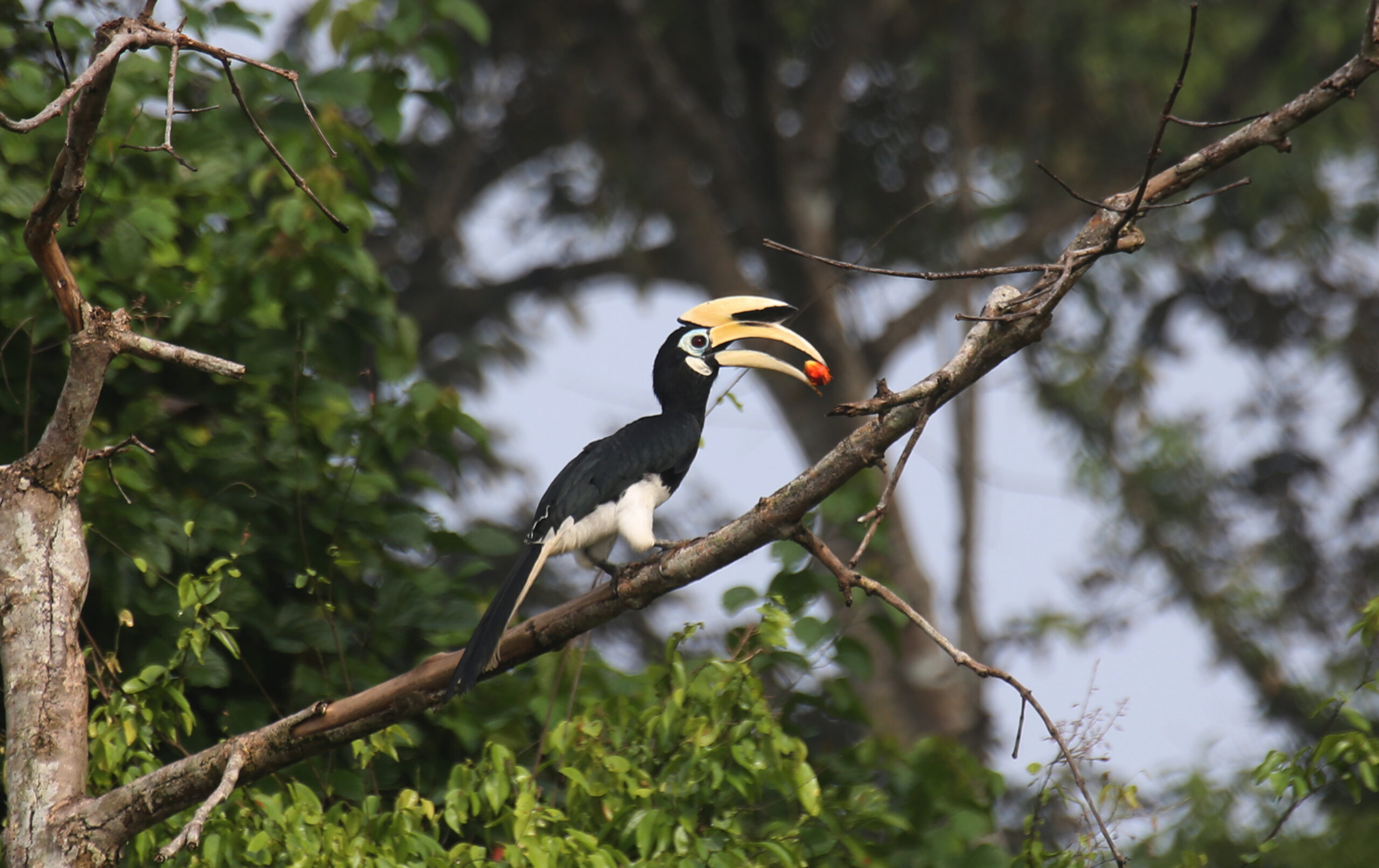
Lush, leafy and luxuriantly diverse, tropical forests are home to an immense array of plants, animals and fungi. They also provide humanity with water, clean air and flood protection, and lock vast amounts of carbon in their tree trunks, roots and soils. Yet, forest conservation often loses out to extractive industries and agribusiness when valued through a purely economic lens.
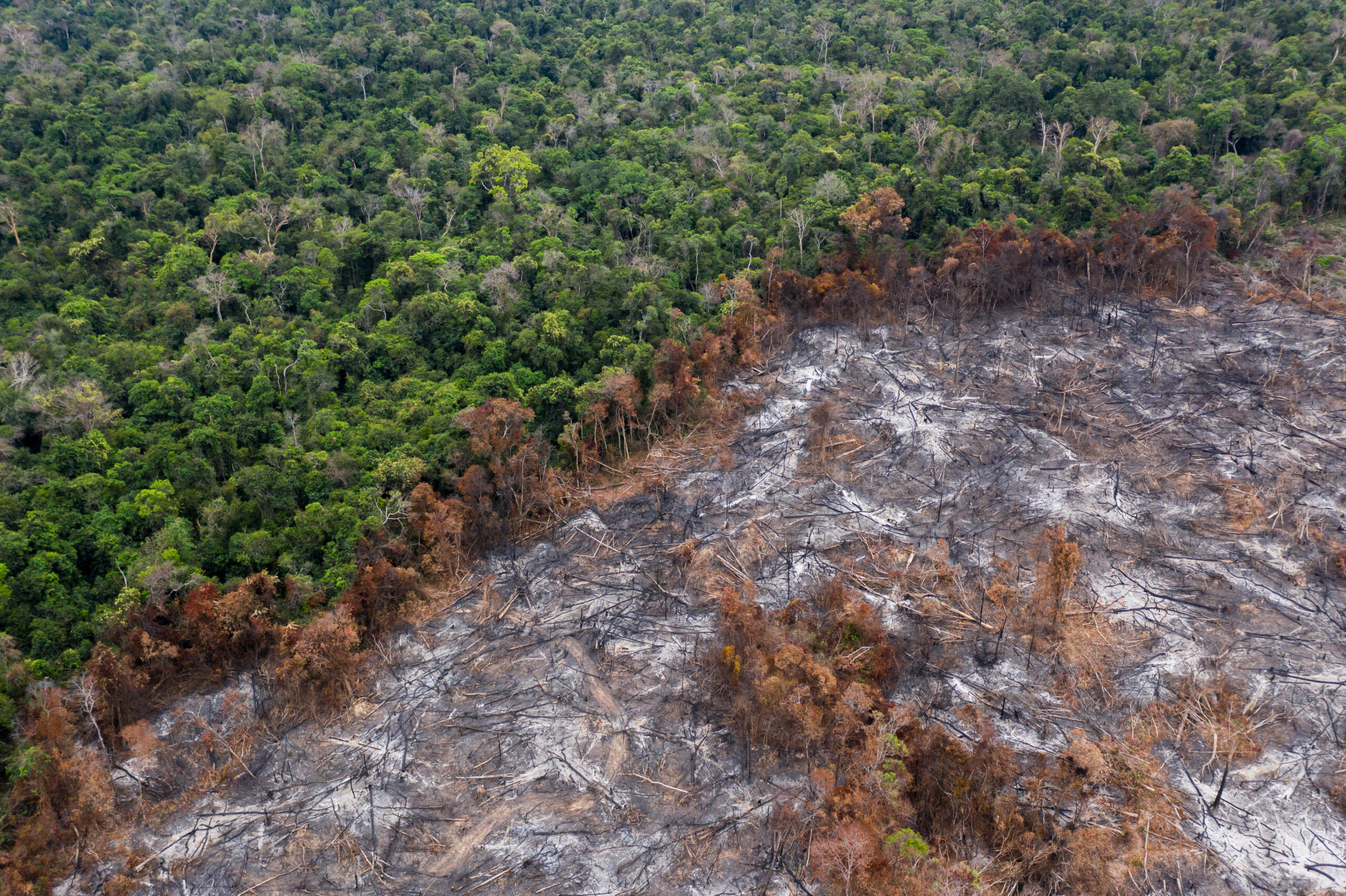
As a result, forests across the planet continue to be cleared in pursuit of financial profits. Across Southeast Asia alone, nearly 68 million hectares (168 million acres) of forest was lost between 2001 and 2023, much of it cleared to make way for logging, plantations and agriculture, according to researchers.