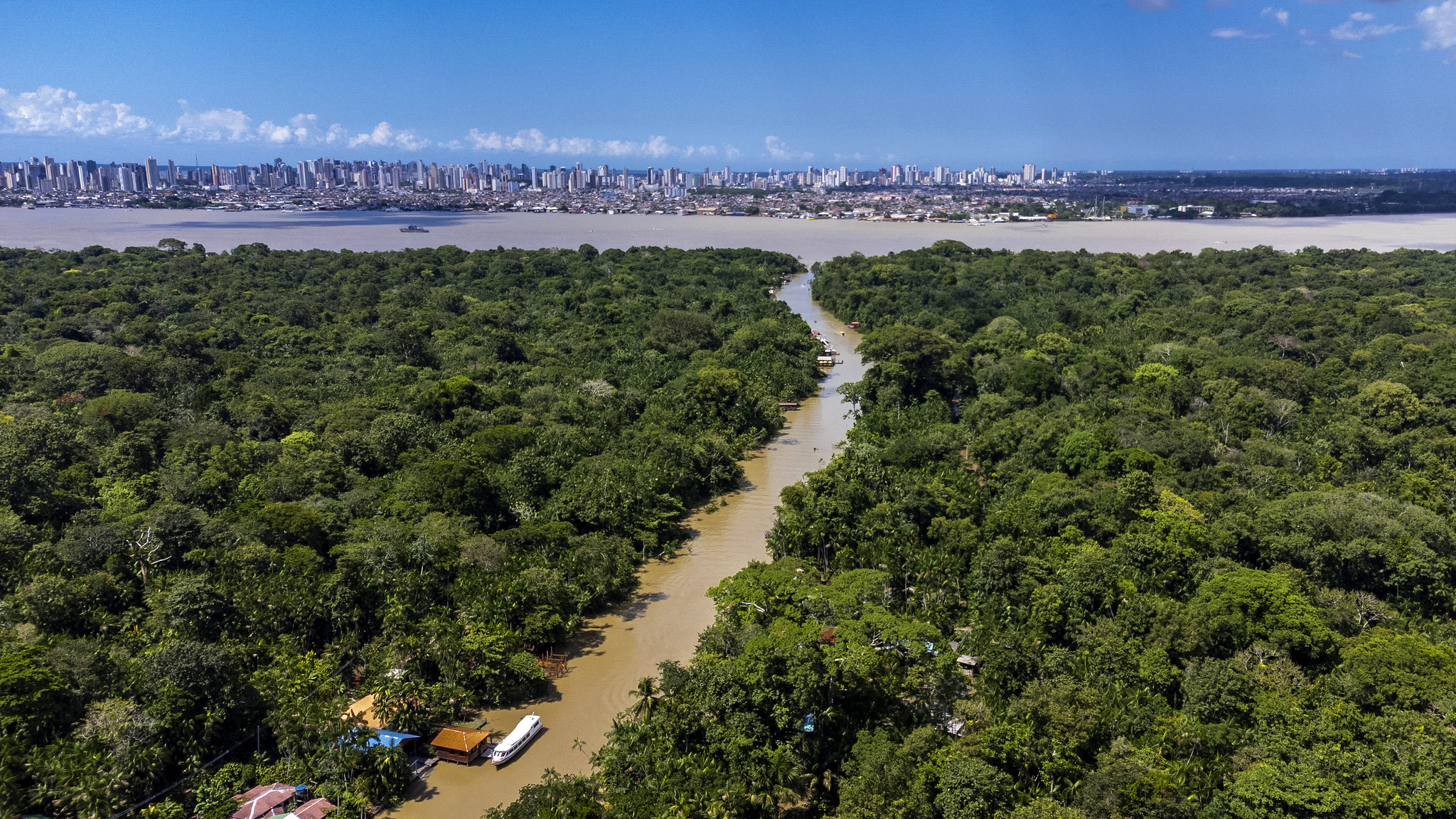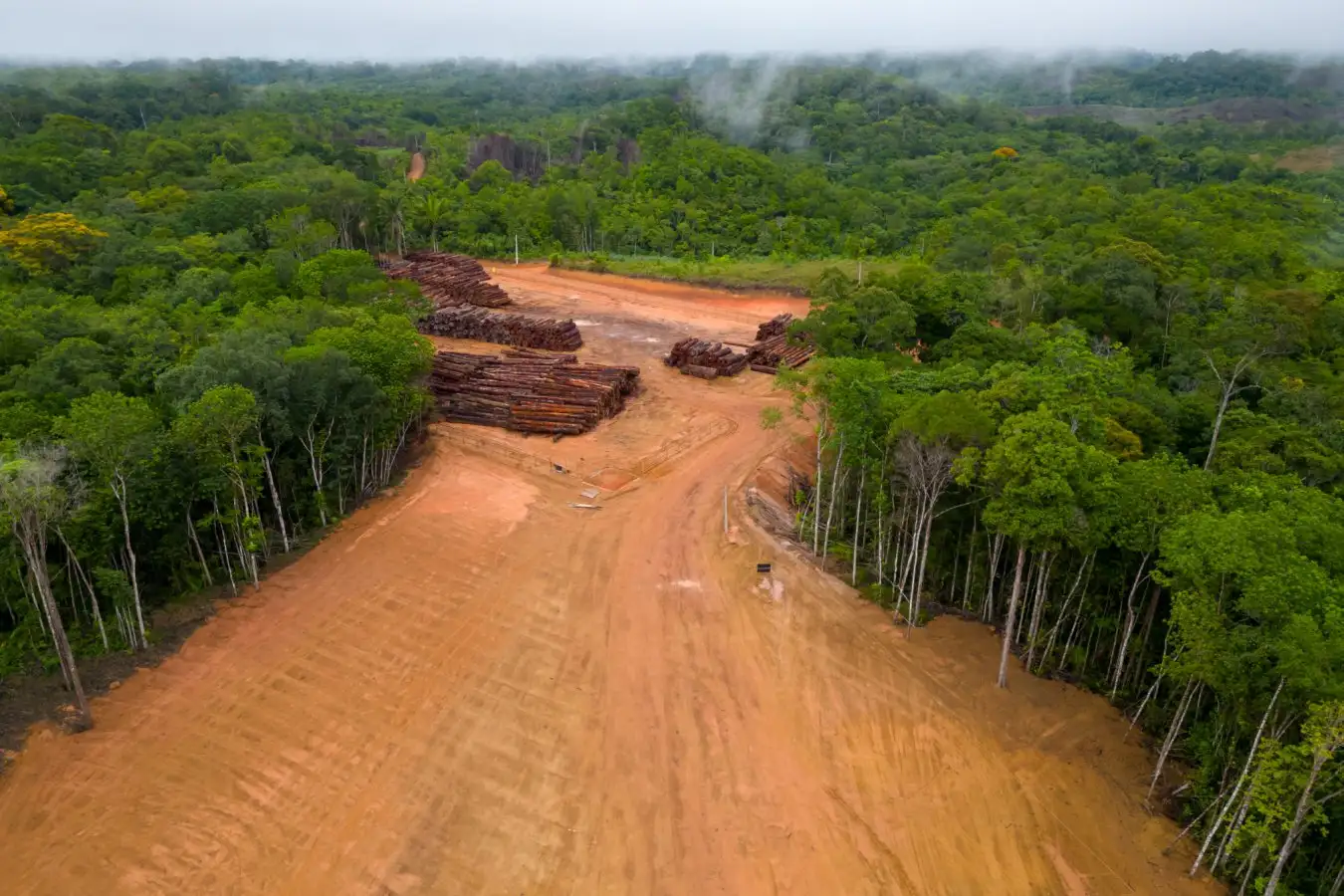
The world’s forests provide essential ecosystem services, capture and store huge amounts of carbon dioxide, face enormous pressure, and need sustained economic incentives if they are to survive.So why has the voluntary carbon market consistently fallen short of its promise to support forest conservation and communities, a new op-ed asks.“The ecosystem services forests provide are worth something, and the people who live in and protect those forests must be the primary beneficiaries of that value. Anything short of that is not conservation but a new form of exploitation,” the author argues.This article is a commentary. The views expressed are those of the author, not necessarily of Mongabay.
Carbon markets were designed around the compelling premise that private finance could flow where forests are most at risk, rewarding the communities and landowners who protect them while helping companies take responsibility for their emissions. For anyone working in climate or conservation, the underlying logic still holds. The world’s forests provide essential ecosystem services, capture and store huge amounts of carbon dioxide, face enormous pressure, and need sustained economic incentives if they are to survive.