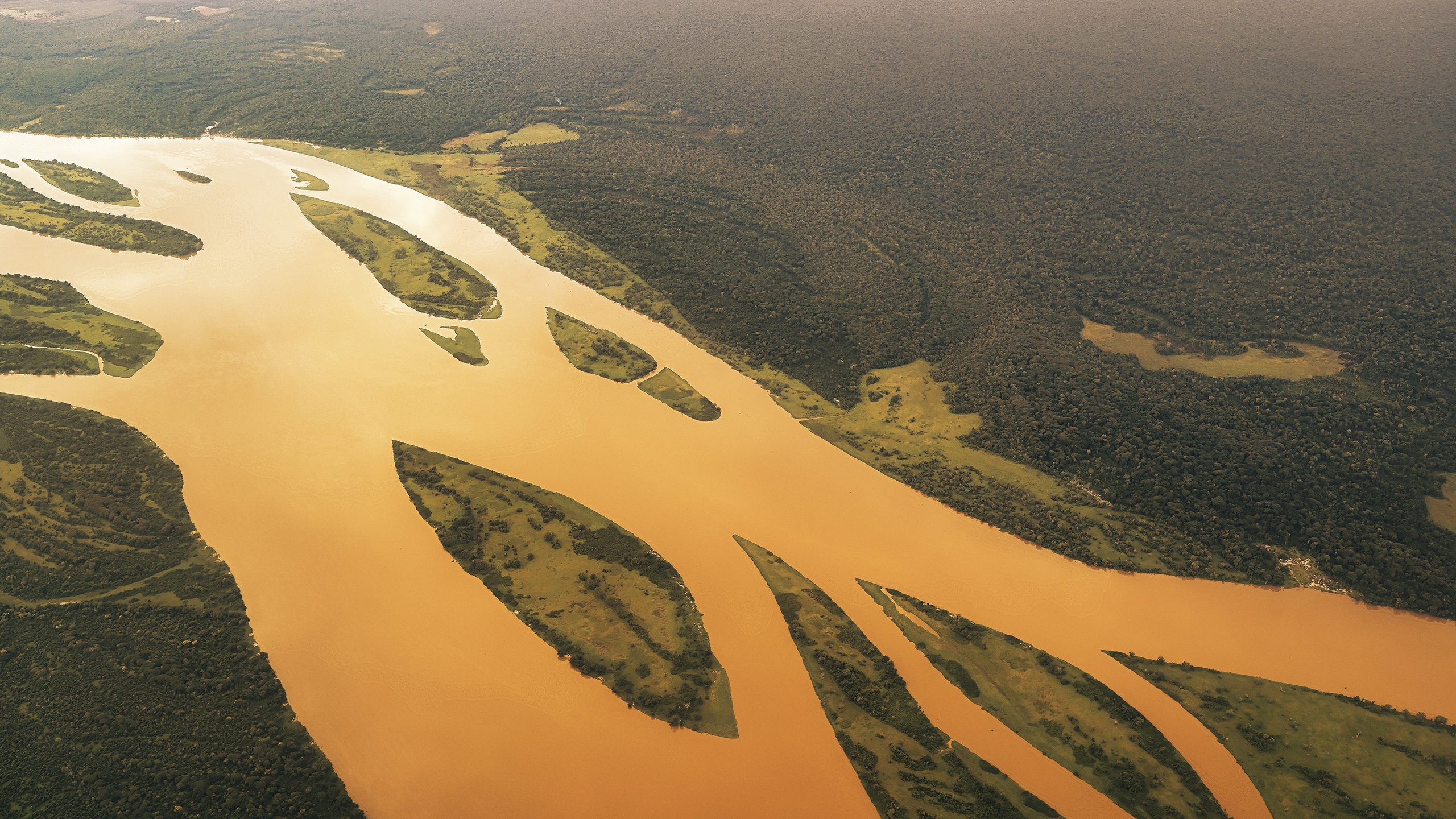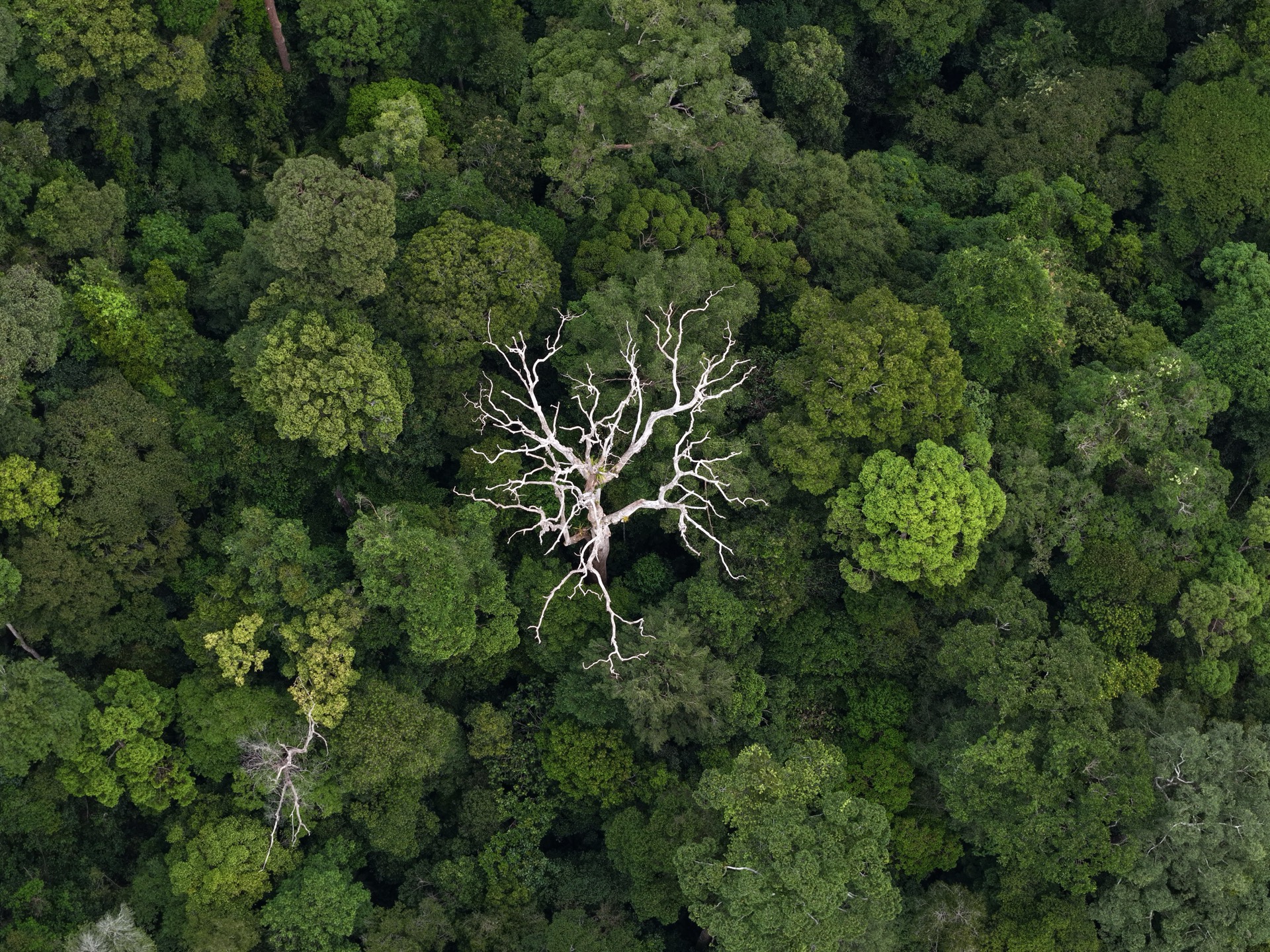
Represenntative imageForests with more tree species appear to be improving faster over time, according to a new global study published in Nature Climate Change. doi.org/10.1038/s41558-026-02698-7By tracking forest photosynthesis across two decades, researchers found that biodiversity does more than support healthy ecosystems in the present: it also helps forests strengthen their ability to absorb carbon as the years go by.That matters because photosynthesis is the process that powers forest growth and carbon uptake. When forests photosynthesize more efficiently, they can pull more carbon dioxide from the atmosphere, making them an important natural buffer against climate change.What the study foundThe researchers combined a high-resolution map of tree species richness with satellite-based photosynthesis data from 2001 to 2020. Their analysis showed a clear pattern: forests with higher species richness had higher levels of photosynthesis, and they also experienced stronger increases in photosynthesis over time.In simple terms, diverse forests were not just more productive at one moment in time. They were also improving faster, which suggests biodiversity may help forests adapt better to changing environmental conditions.Why biodiversity boosts forest performanceThe study points to an amplified CO2 fertilisation effect in species-rich forests. That means when atmospheric carbon dioxide rises, these forests are able to convert that increase into stronger photosynthetic gains than less diverse forests.This fits with earlier ecological research showing that diverse forests often capture light more effectively and spread it more evenly through the canopy. In tropical forest experiments, higher tree diversity has been linked to greater light interception, which helps explain why mixed-species forests can outperform simpler ones.Representative imageimage AI generatedWhere the effect is strongestThe new study found that the relationship between tree species richness and photosynthesis was especially strong in tropical forests. That is important because tropical forests are already among the world’s most important carbon sinks, and they are also facing intense pressure from deforestation, warming and habitat fragmentation.Other research has similarly found that biodiversity has a bigger impact on forest photosynthesis in tropical regions than in boreal forests. In those ecosystems, richer species mixtures appear to capture sunlight more efficiently and support higher photosynthetic capacity overall.What could happen by 2050The most concerning part of the study is the projection. If biodiversity continues to decline, the researchers estimate that forest photosynthesis trends could weaken by 3% to 17% by 2050. That would translate into a cumulative loss of 4.4 to 35.7 petagrams of carbon from forest photosynthesis.That is a major climate signal. Forests are already a critical part of the global carbon cycle, and a slowdown in their photosynthetic trend could make it harder for nature to absorb the emissions humans continue to produce.Why this is more than a conservation storyThis research is not only about protecting species for their own sake, although that is important too. It shows that biodiversity has a direct functional value: when forests lose species, they may also lose part of their ability to take up carbon efficiently.Older work has shown that more diverse forests can reduce year-to-year swings in photosynthetic capacity, making the ecosystem more stable under climate variability. That stability can matter as much as raw productivity, because it helps forests keep functioning through heat, drought and other stress.The bigger lesson to learnThe headline finding is simple but powerful: biodiversity helps forests do their job better, and the loss of biodiversity could weaken that job in the future. Protecting species-rich forests, especially in the tropics, may therefore be one of the most practical ways to preserve natural carbon uptake at scale.In a world looking for climate solutions, the study is a reminder that healthy, diverse forests are not just beautiful or biologically important; they are also more effective.
Scientists tracked global forest photosynthesis for 20 years and found species-rich forests improved faster; biodiversity loss could reduce the trend by up to 17% by 2050
Forests with more tree species appear to be improving faster over time, according to a new global study published in Nature Climate Change. doi.org/10.1038/s41558-026-02698-7
605 words~3 min read