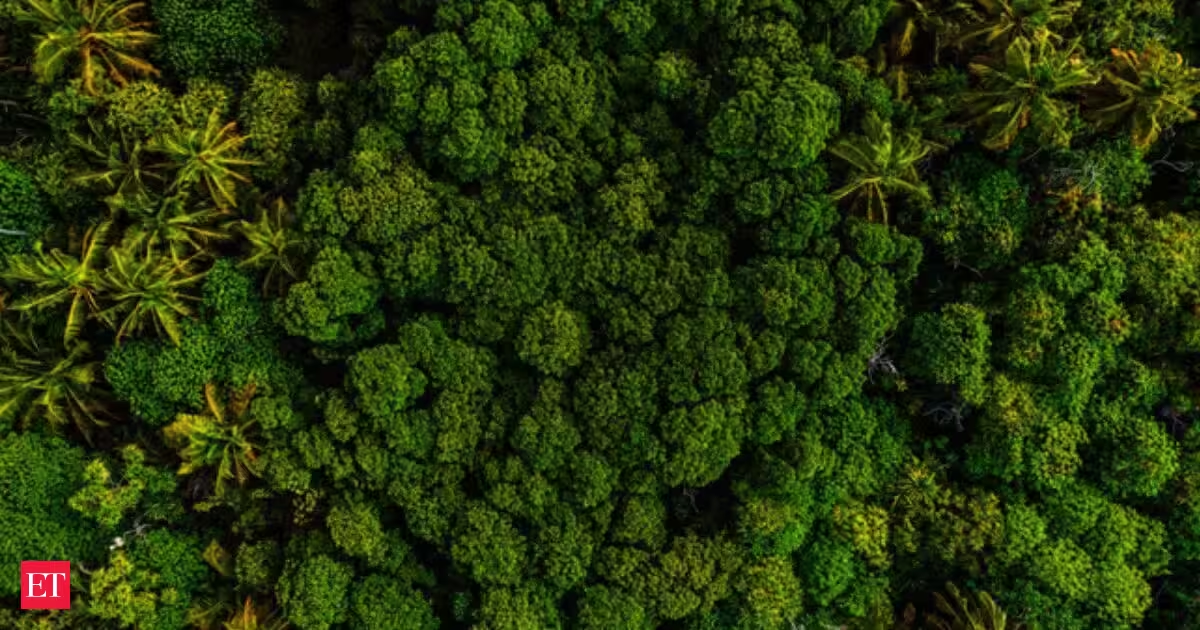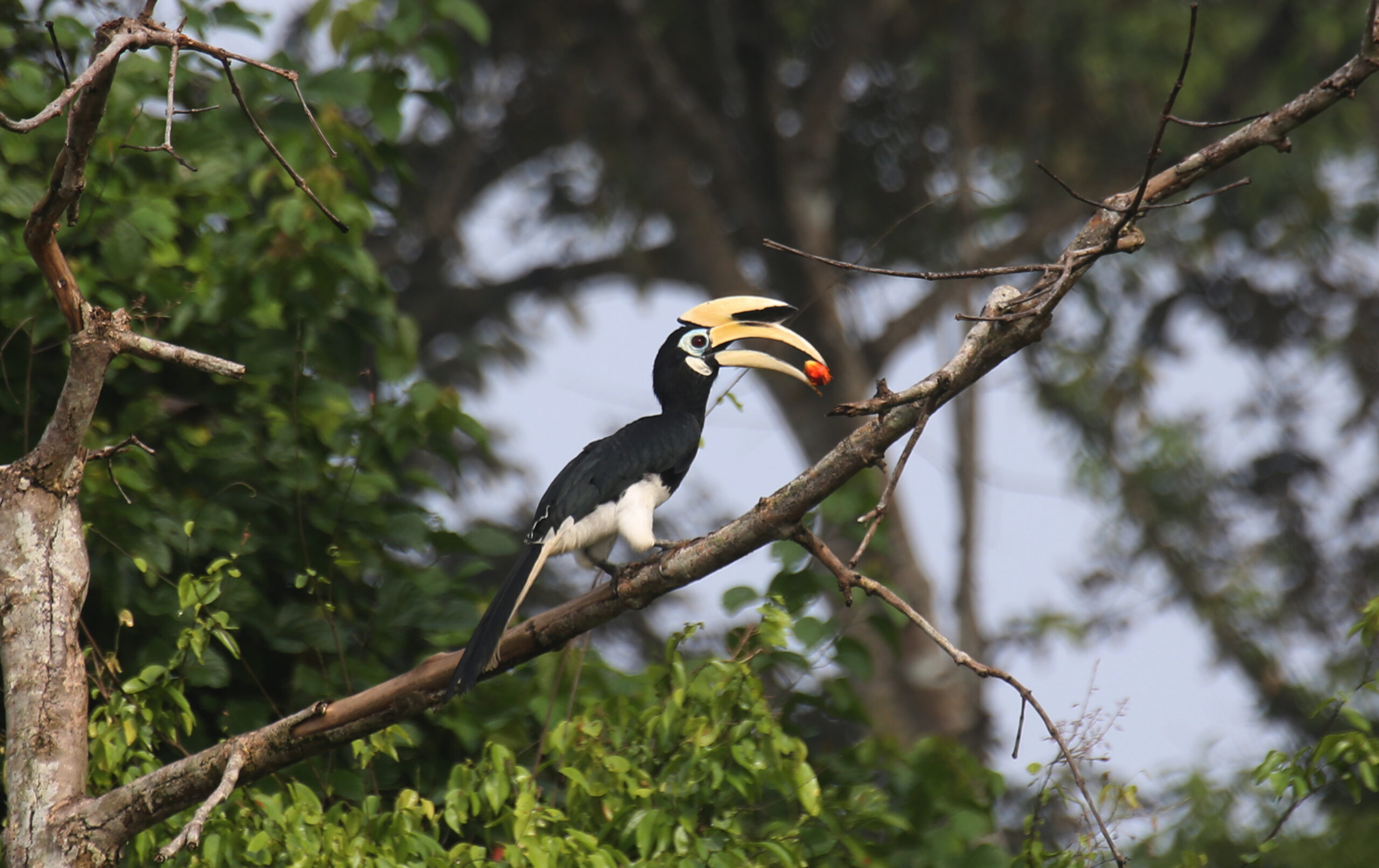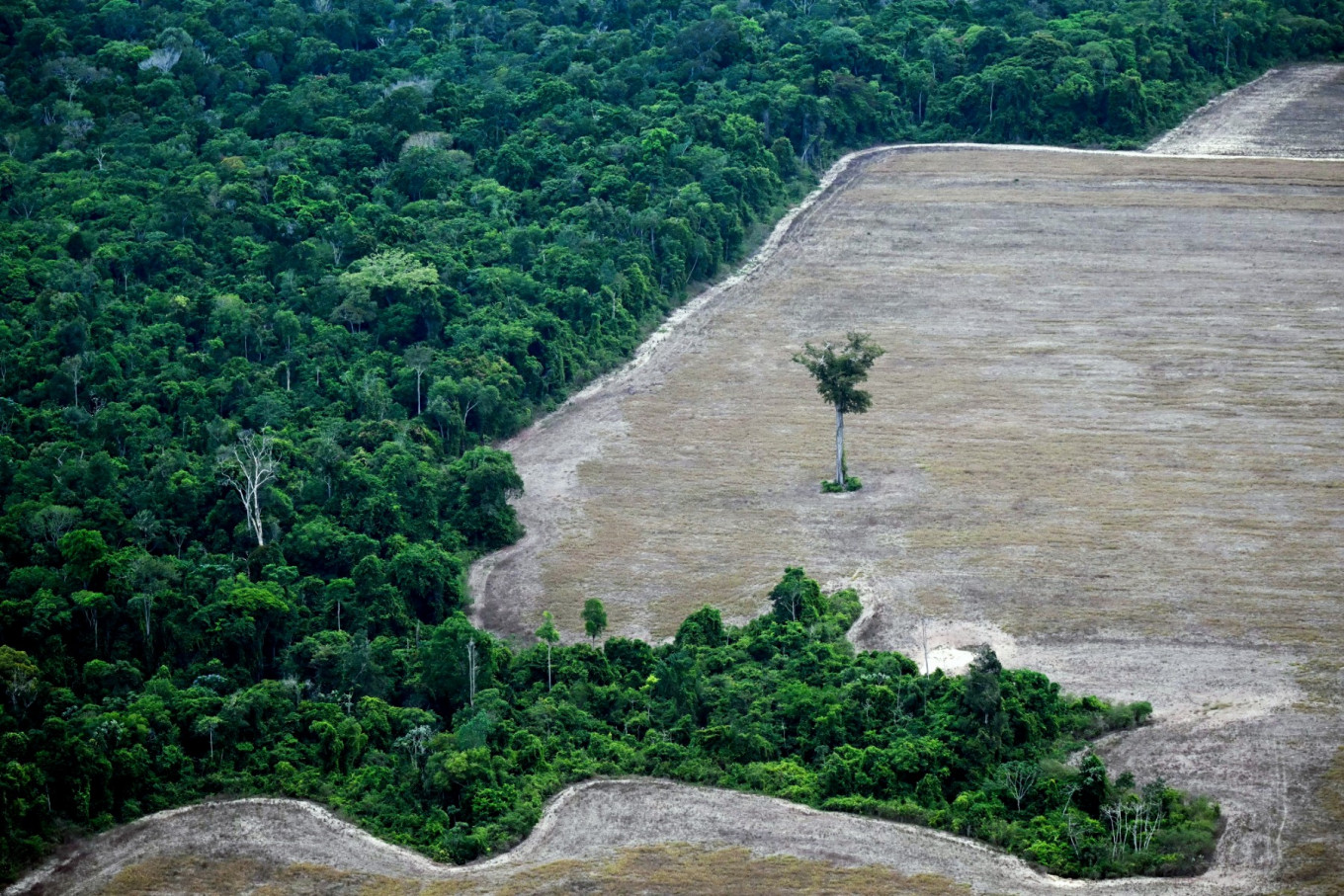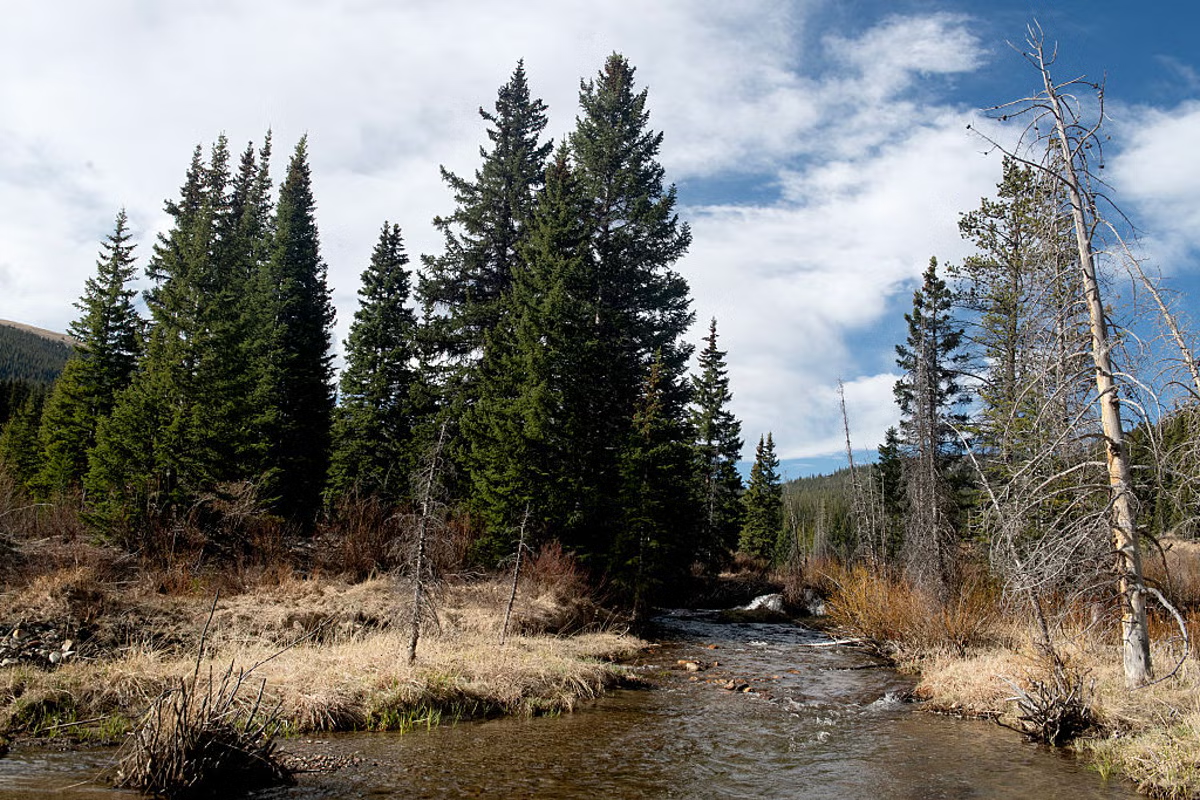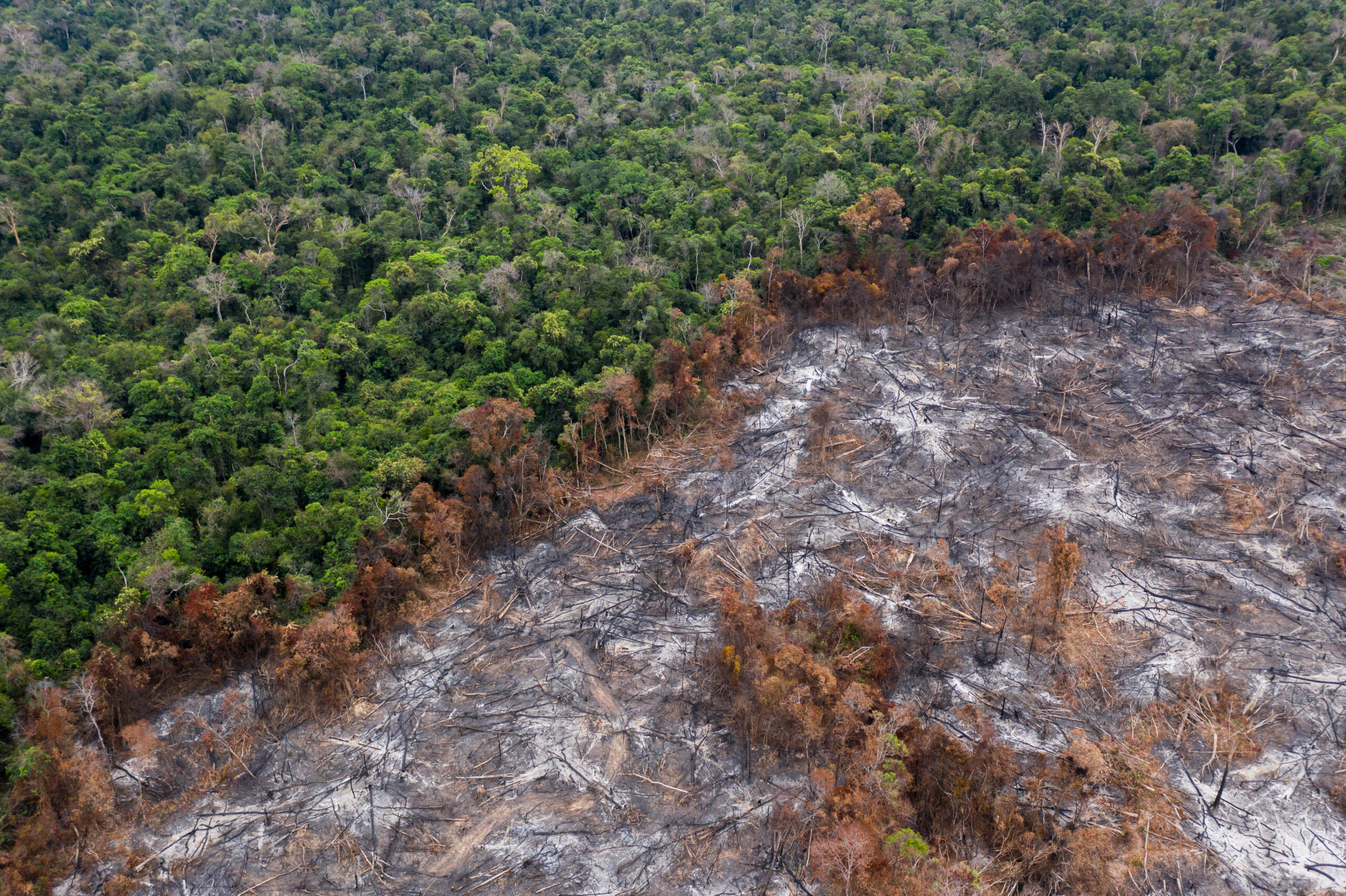
Countless forest-dwelling species depend on the cooler, moister and more stable conditions found in the understory, beneath leafy tree canopies.A new study from Southeast Asia finds the combined pressures of global warming and habitat degradation could send forest understory heat levels soaring within the next three decades, potentially exposing species to unprecedented levels of thermal stress.The findings can help prioritize conservation action on vulnerable landscapes, intact forests and heat-resilient areas that could become important refuges for forest species, the research team says.Experts say gaining a fuller picture of how forest-dwelling species will be affected by climate change will ultimately require further studies that consider additional factors, such as humidity, wind and ecosystem feedbacks.
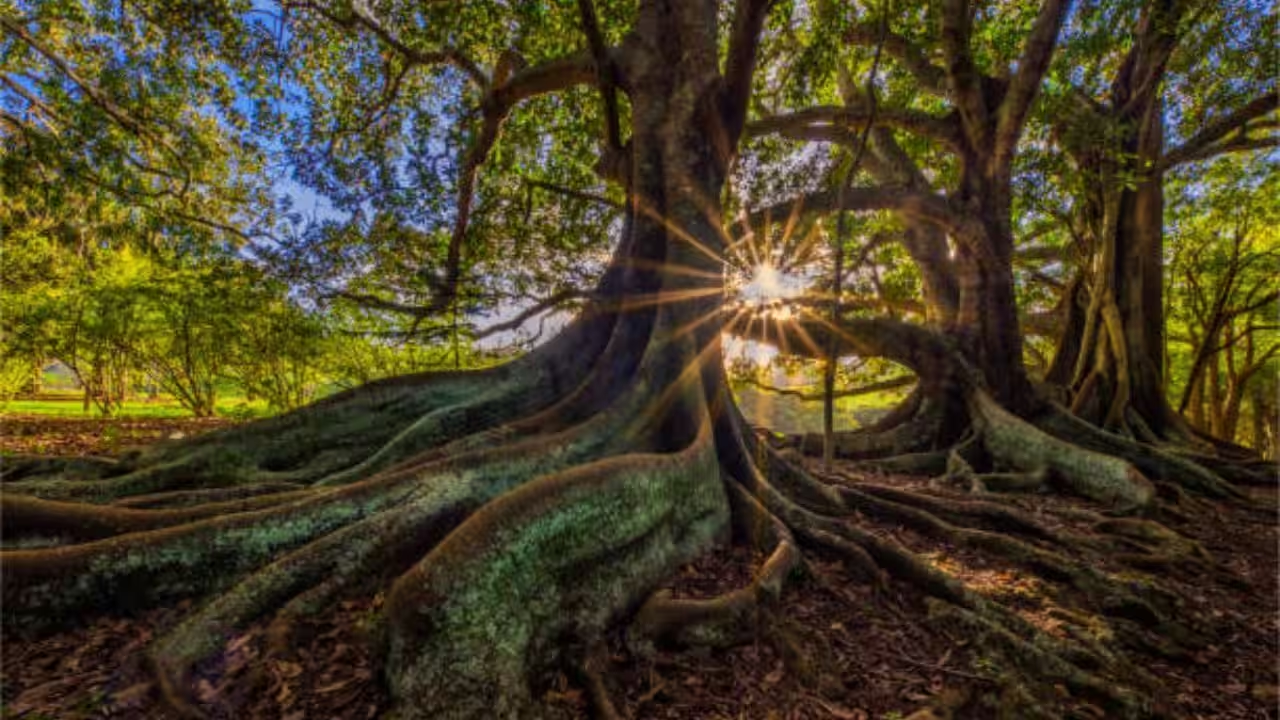
Forest canopies create the conditions for an extraordinary diversity of life to thrive. By casting shade and retaining moisture in the air and soil, they generate cool and stable understory environments. In the tropics, this regulating effect is particularly crucial for countless species that otherwise would be unable to survive in the extreme heat of surrounding open landscapes.