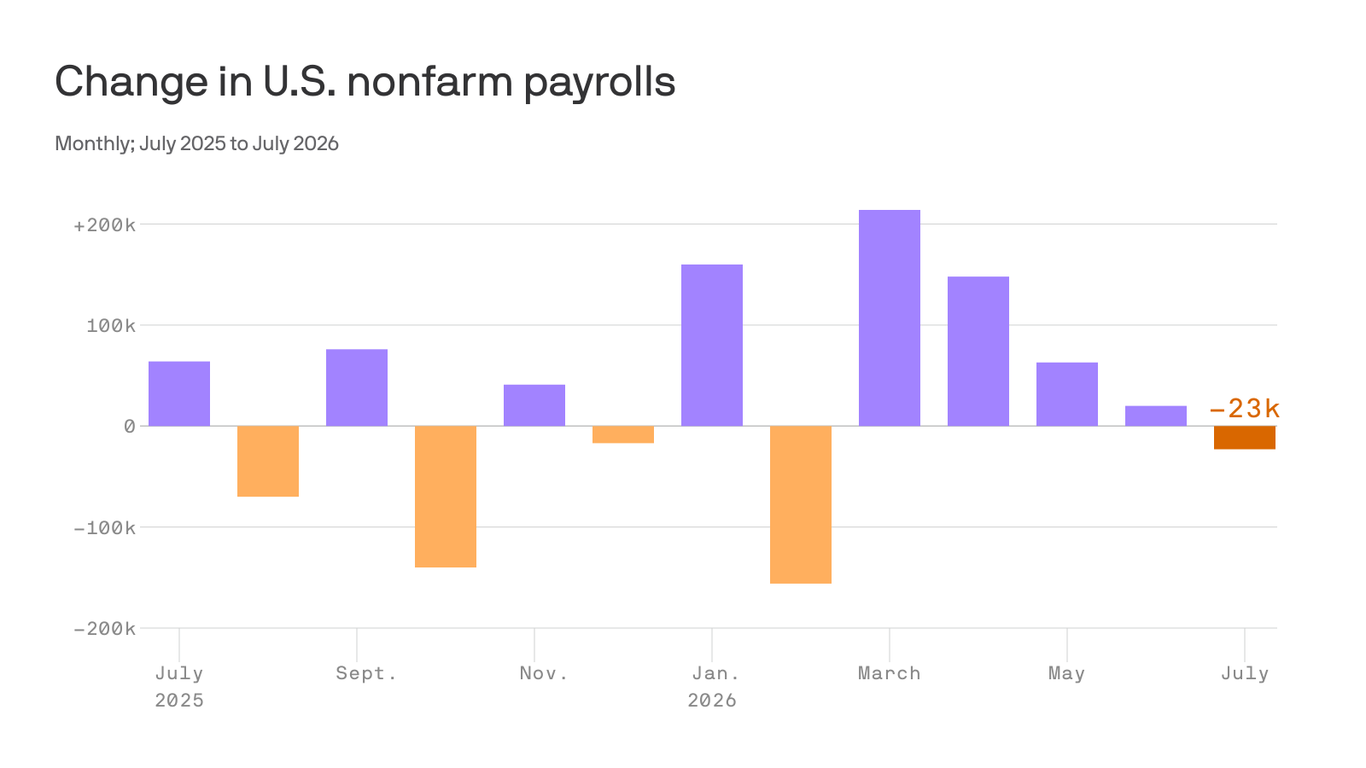
The U.S. economy added just 57,000 jobs in June. It’s wasn’t enough to get excited about, but enough to keep unemployment steady. More of the same is expected for July, with a moderate uptick in job creation and unemployment sticking at a pretty low 4.2%.A strong July jobs report could give the Federal Reserve more leeway to hike rates at its next meeting, without having to worry higher rates will send the job market into a tailspin. That report will be out Friday, Aug. 7.So far, small and mid-sized business-owners across the country are muscling through this labor market moment — all while facing new tariffs, edgy consumers, high gas and diesel prices, and high overall inflation.After years of managing other people’s manufacturing operations in Chicago, Jim Piper took a leap in April and bought his own. Worldwide Broach does precision metal-cutting for industries like hydraulics and auto manufacturing. The company has six full-time employees — most of them are skilled tradespeople who were with the previous owner for decades.“It’s something that’s difficult to automate away, or outsource overnight,” Piper said.He’s confident he can build the business up, since demand is reasonably strong. “We have capacity in the shop that’s underutilized. I just need the next order, and perhaps another employee or two,” he said.In Austin, Texas, restaurant owner Adam Orman has been having a rough time of it. “Summer in Austin is slow. We’ve been doing a pay-what-you-will night since December, and expanded that, and it definitely keeps us busy enough on Tuesday, Wednesday and Thursday that we have a reason to have employees,” he said.Orman co-owns two restaurants — L’Oca d’Oro and Bambino — which have, combined, about 60 employees. When staff turns over in the summer, he said the restaurants don’t necessarily have to replace employees: “When we have posted, we’ll get 30 to 40 inquiries in the first couple of hours.”In Annapolis, Maryland, Barton O’Brien’s pet-gear business Baydog has seen demand slacken in the past year, as cash-strapped consumers cut discretionary spending.At pet stores, that means toys and accessories. “At the end of the day, nobody needs a $70 dog life jacket,” O’Brien said.Still, he said, the business is young and he’s introducing new products: “I actually just hired a new salesperson within the last couple of weeks,” to help double-down on the company’s latest product launch, a harness and leash for cats. “Cat is the fastest-growing category within pet,” O’Brien said.The fastest-growing demographic of cat owners is Gen Z men — a promising target for Baydog’s growth.
How small- and medium-sized firms are navigating this labor market moment
The June job market data was pretty meh and July job creation is expected to tick up. So what’s that look like for smaller businesses?
422 words~2 min read