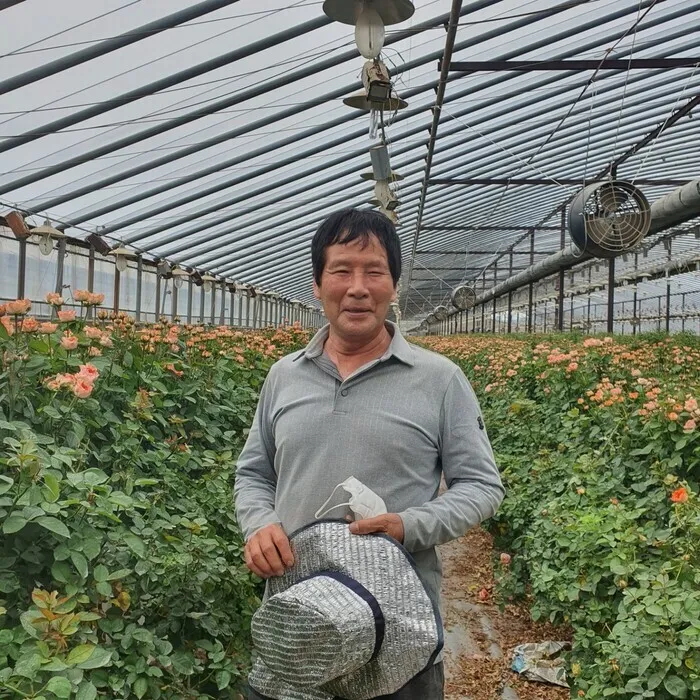
Kim Jong-hwa, 74, who owned and worked on a flower farm near Junam Village at the time, witnessed the Junam Village mass shooting in vivid detail. (Jung Dae-ha/The Hankyoreh)
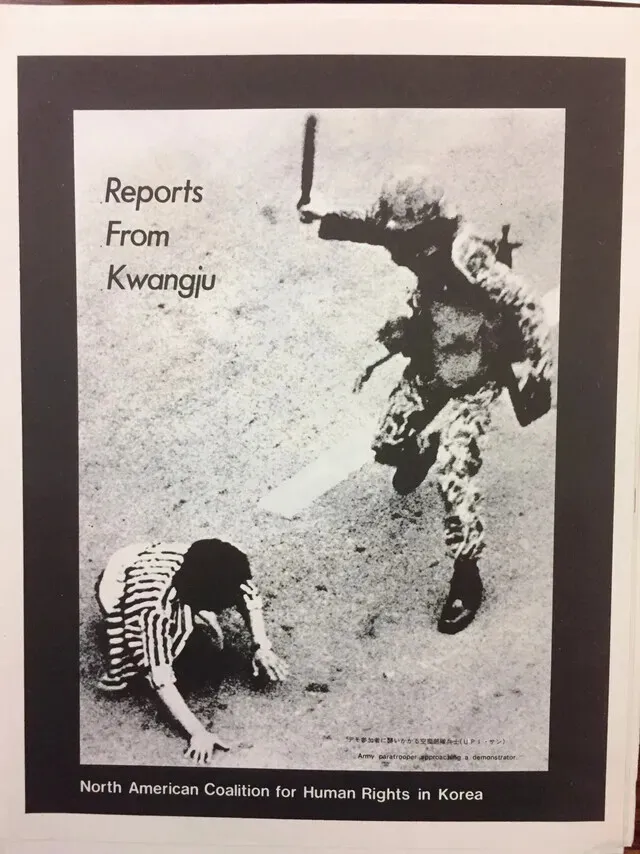
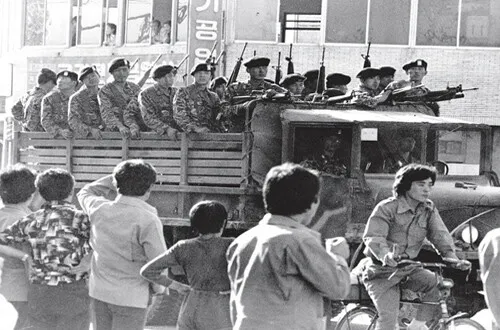
It was May 25, 1980, and a minibus carrying 17 people from Gwangju to Hwasun rounded the corner on the road next to Junam Village. “Fire!” The military officer carrying a walkie-talkie issued the order as he looked at the minibus.The officer gave the order to open fire in a sharp and deep voice. The sound of gunfire exploded as soldiers who had been hiding on both sides of the road began shooting at the minibus. As the tires punctured, the bus eventually came to a halt lying at a 90-degree angle on the edge of the opposite side of the road. The soldiers continued to unleash a barrage of bullets for 2-3 minutes. After several rounds, it appeared as if they were shooting again to make sure everyone was dead.Kim Jong-hwa, 74, who then owned a flower farm near Junam Village, witnessed the massacre in vivid detail. Born in Masan, South Gyeongsang Province, he moved to Gwangju in December 1977 at the recommendation of a battle buddy. Right before the incident, Kim met with an officer from the airborne unit whose insignia displayed the rank of captain, as well as a radio operator, when they came to visit his greenhouse. “Have you seen anyone suspicious passing by?” the captain asked him. “Oh, how could I have see anything?” Kim replied, to which the officer asked if he was from Gyeongsang Province. The captain appeared to be from the same region as him. Kim tried to dissuade the captain, yelling that the people were ordinary citizens on their way home and not members of the citizens’ militia, but it was no use.