Korea Herald
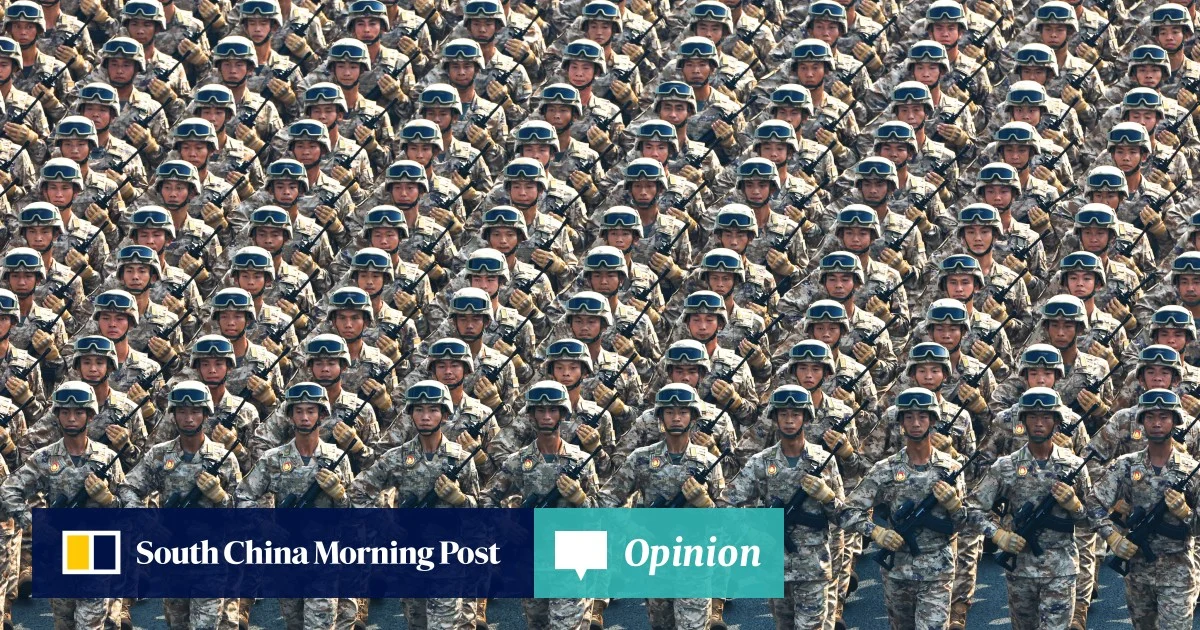
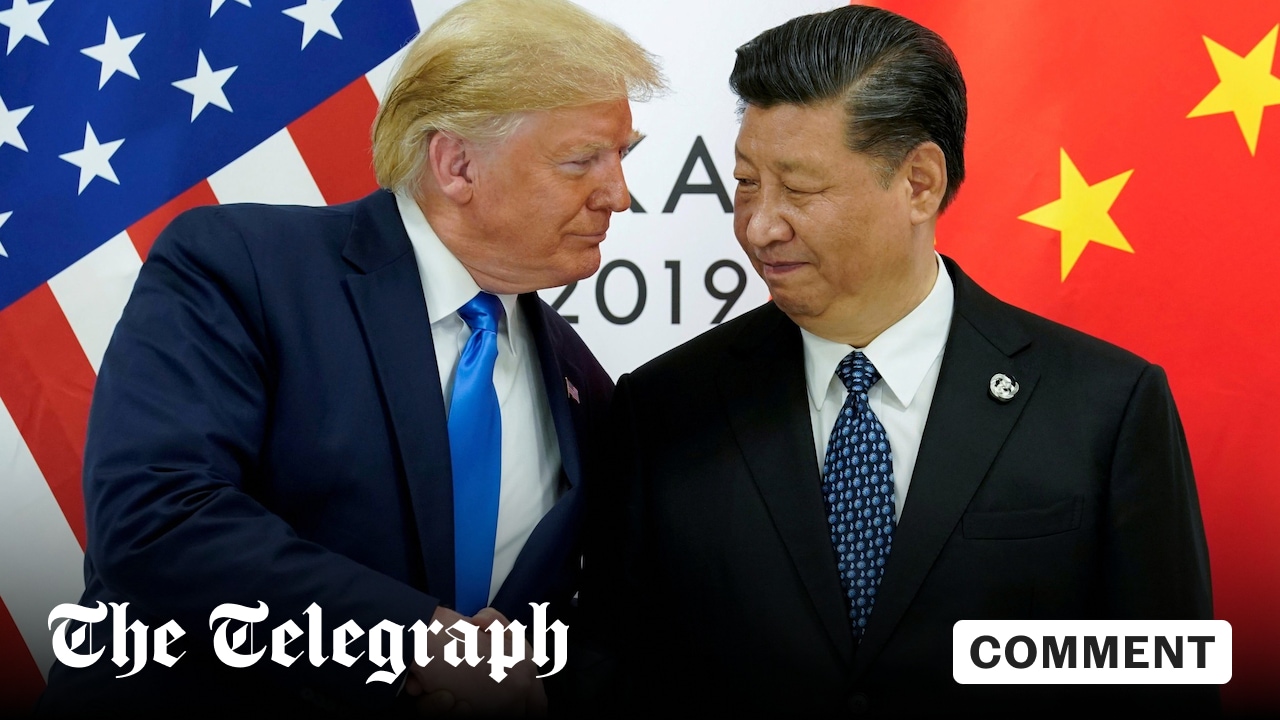
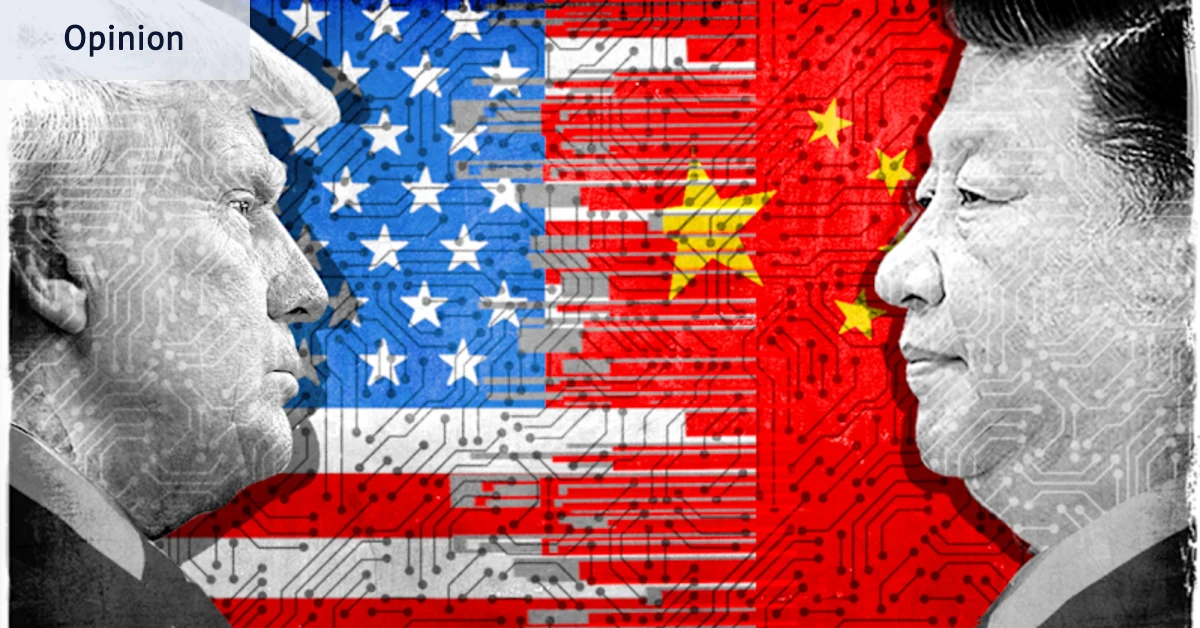
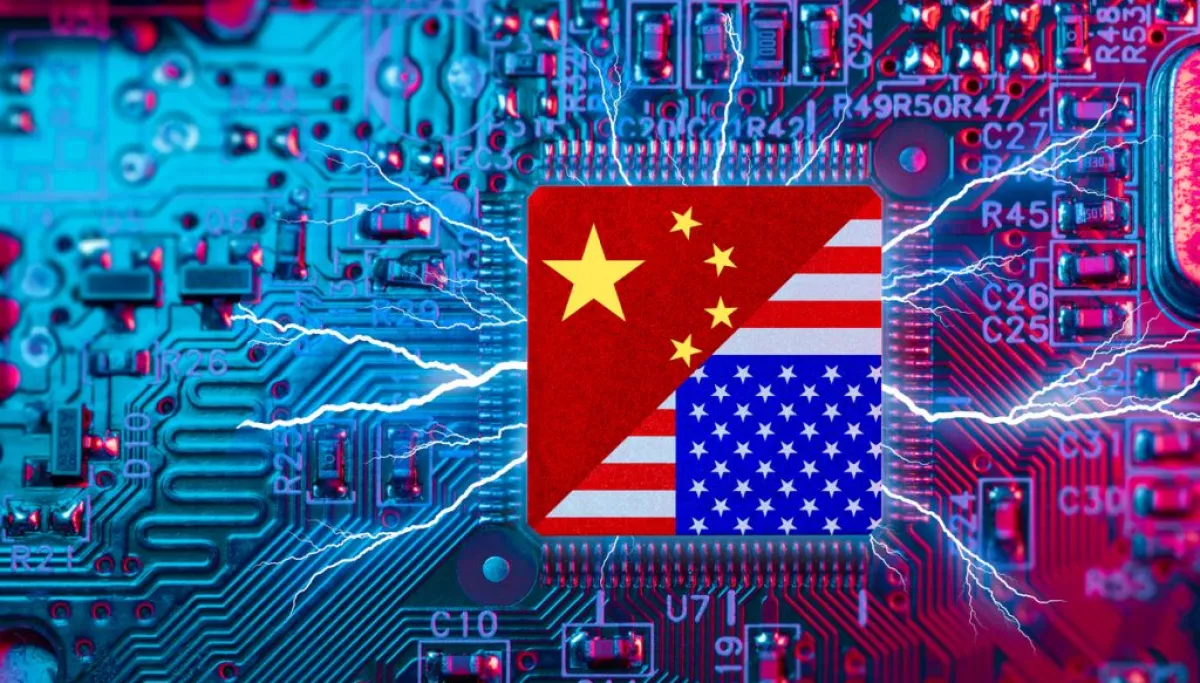
Andrew Sheng Who will win the next war? That is the key question posed by the influential Foreign Affairs magazine on the US-China military and technological rivalry. At the core, there is a fundamental clash of strategic philosophies between the US-led order and China’s worldview that propelled its remarkable rise to global No. 2 position.Essentially, the American contributors to the magazine reflect their deeply ingrained Western strategic tradition rooted in "liberal realism" that the US must maintain primacy in order to underwrite global stability, defend democracy, maintain finance, technology and military power, so any challenger is inherently revisionist.Lead essayist Paul Scharre argued that the new technologies of drone and artificial intelligence and robotics challenge not only America’s traditional air and naval power, but they also give revisionist states like Iran the ability to conduct asymmetric warfare that erodes American hard and soft power. Former Pacific Command Adm. Dennis Blair reinforced this view, arguing that China’s military buildup is not defensive but designed to overturn the status quo in East Asia. He is a strong advocate of deterrence, using US alliances, forward deployments and technological leadership to guarantee regional stability.Academics Michael Beckley and Hal Brands applied the 19th-century Anglo-American strategic views of land-based “heartland” (introduced by British geographer Halford Mackinder) and maritime-based “rimland” (developed by Dutch-American political scientist Nicholas Spykman) in framing the US-China contest as an age-old struggle between incumbent maritime powers consolidating their positions against land-based revisionists seeking to challenge the status order. They argue correctly that the “autocratic axis” is united less by ideology than by shared resentment of US dominance, while the “democratic coalition” is fractured by competing interests and sometimes opposite views on how to engage Beijing.On the other hand, Chinese strategic thought, rooted in Sunzi’s “The Art of War” and contemporary Chinese statecraft, sees the contest as a historical reversion to global balance after five centuries of Western dominance. Where the Western alliance has hitherto subscribed to the US-led order as the legitimate foundation of global stability, the Chinese and Global South, particularly former colonies, argue that the existing order is rigged to preserve Western hegemony, including using tariffs, sanctions, technology and narrative power to constrain their rightful development. The land-based powers in heartland Asia (China, Russia, Iran, North Korea) are being “ringed” by the maritime powers of the Rimland (led by the US), controlling chokepoints in not just key trade routes, but also those in the technology, finance and supply chain networks.The most striking divergence lies in how each side defines victory and conflict. Most (but not all) Western strategic thinkers think in zero-sum terms: Either the US sustains its primacy, or China imposes an authoritarian model on the region. Ensuring victory is simply about how the US and its allies organize themselves to prevail. Contemporary Chinese statecraft, drawing on more than two millennia of philosophy and coping with hostile neighbors, seeks a more complex systems approach that prizes winning without fighting, shaping perceptions and leverage over brute force, and balance through both soft and hard power.Where Americans value fast, massively resourced and decisive moves in technology, finance and hard/soft power, Chinese think and act in dialectical terms: There is a continual play with no final outcomes, only balance between harmony and conflict with multiple actors, taking into consideration natural disasters and random events.Han Feizi (c.280-233 BC), the Warring State legalist philosopher, was the founder of the Chinese spear-shield term for contradiction, or “maodun” in Chinese, with his tale of the soldier who boasted that he had the spear that could penetrate any shield, versus his rival who claimed that his shield was impenetrable by any spear.The US’s quest in investing hugely in AI, computing power and technology is its search for the silver bullet that kills all revisionist rivals. On the hand, the Iranians and Chinese have learned from the Vietnam War that the countryside surrounds the cities; the masses eventually will erode elite impatience. In the AI and robotics field, the game is a choice between US fortress-like closed-source models that extract rent or subscriptions from users, but boil an ocean to extract a grain of truth, versus open-source Chinese models that deliver almost-matching performance at a fraction of the price.In short, the contest is about strategic patience — the best and brightest versus the mass scaler and the cheapest.In the aftermath of the Vietnam War, Pulitzer Prize winner David Halberstam drew the following lessons from America’s biggest strategic defeat. The Vietnam loss was not caused by lack of resources or courage; it was caused by the arrogance of elites who believed that superior intellect, technology, systems, firepower and data could override history, culture and local reality. The elites suffered from groupthink that filtered out dissent and facts that contradict their self-referential truths. They valued metrics that could be measured, but ignored realities that were politically inconvenient to measure.So who will win the next war? For zero-sum thinkers who cannot think out of the box, it's either the US or China. For complex-system practitioners, who think out of the box, that is the wrong question. No one wins in an outright nuclear war that could obliterate not just the rivals, but everyone else. There are no winners in future wars.The right question is: How can we avoid conflict and work toward mutual threats, such as climate warming, excessive natural resource depletion and pollution and human injustices?What makes this contest so dangerous is that both sides may be underestimating the other, and overestimating their own advantages. They do not engage in knowing oneself and knowing the other side, which creates its own continuous escalation to actual conflict. As AI usage tells us, AI models hallucinate when you ask the wrong questions. Until all sides acknowledge that global stability depends on global conversation and mutual understanding, meaning that the future order must accommodate more than one power’s worldview, we will sleepwalk into another unending conflict or war.- - -Andrew ShengAndrew Sheng is a distinguished fellow at the Asia Global Institute, University of Hong Kong, and chair of the George Town Institute of Open and Advanced Studies, Wawasan Open University. The views expressed here are the writer’s own. — Ed.(Asia News Network)