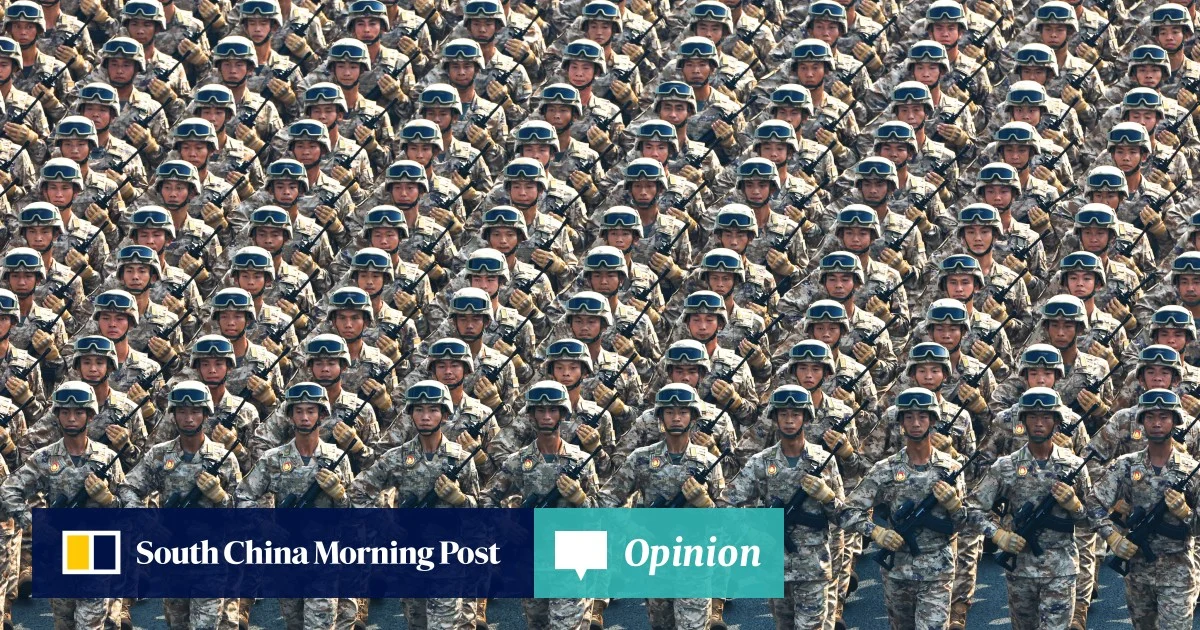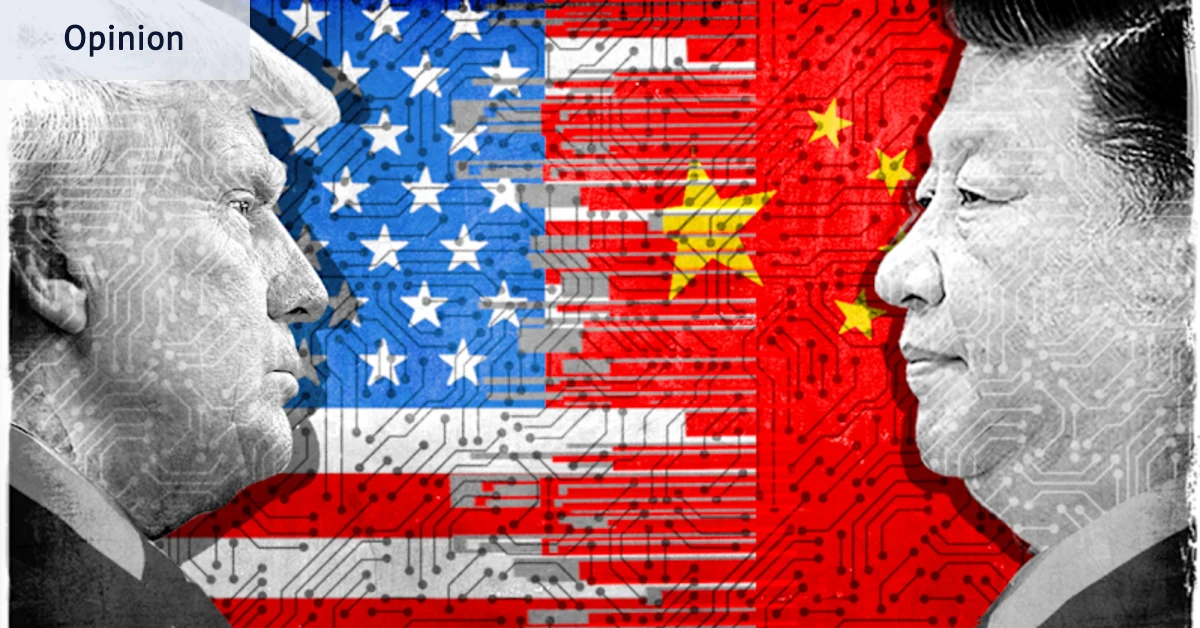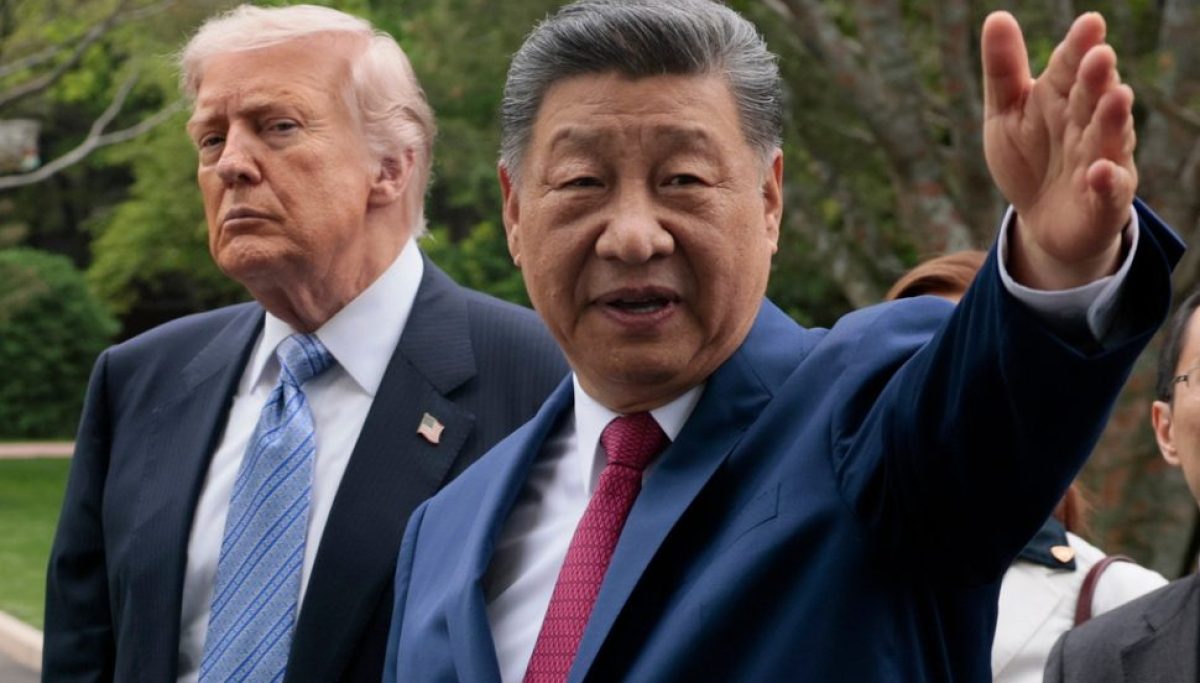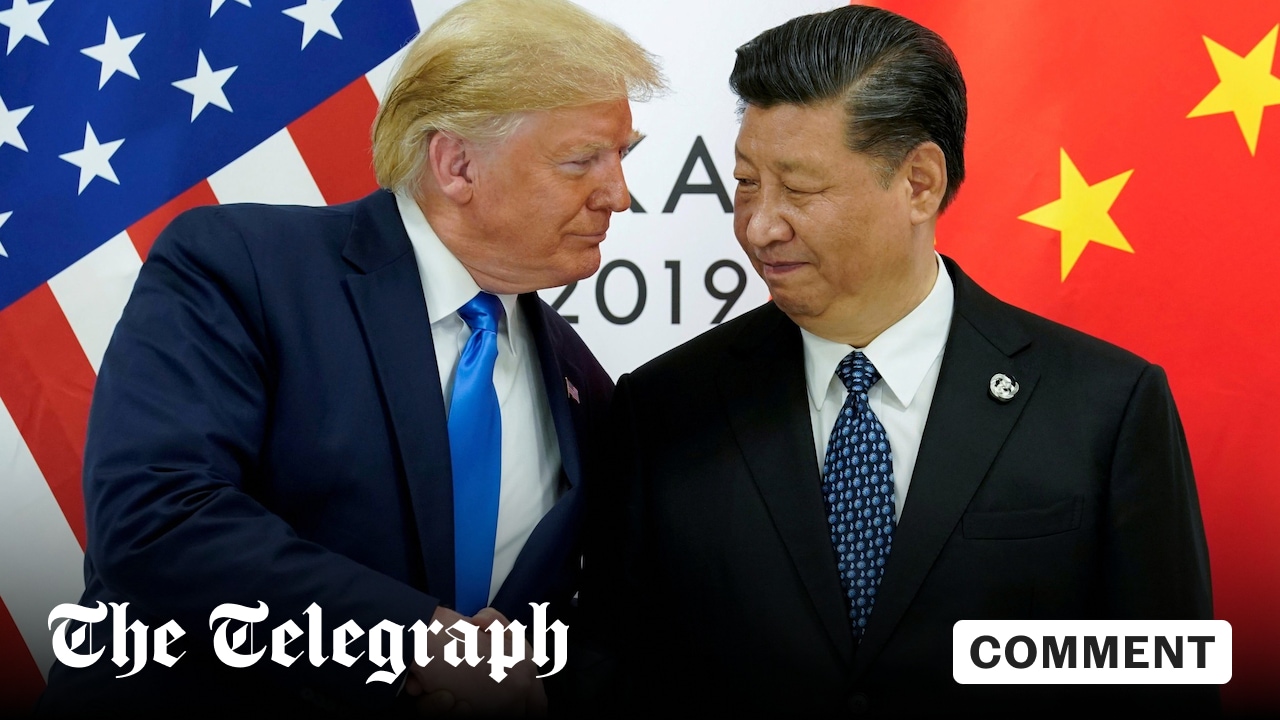
Is there a war going on between the United States and China right now? Yes — but not the kind we’re used to labeling. There is no hot war in sight yet, no missiles flying, no declared front. And “Cold War 2.0,” the label most often reached for, doesn’t quite fit either.The original Cold War, between the West and the Soviet bloc, was fought on three recognizable fronts: military buildup, geopolitical proxy contests, and ideological rivalry. The current U.S.-China competition inherits all three of those fronts, but doesn’t stop there. It has metastasized into trade, technology, healthcare supply chains, critical raw materials, and even outer space. Both sides calculate, retaliate, and calibrate — but they avoid the kind of head-on collision that would define a war in the traditional sense.That combination — expansive scope, an eye-for-an-eye instinct, yet a mutual aversion to open conflict — is why “Cold War 2.0” undersells what’s actually happening. A better name is the hedging war: a contest that is highly transactional, constantly rebalancing, and fought through calculated countermeasures rather than declarations. Neither side wants to cede ground or hand the other a lasting advantage, but neither wants to trigger an irreversible escalation either. Both capitals, in their own way, seem to accept that some strategic equilibrium has to be established and maintained. The result is a layered structure that can be understood, conducted, and controlled, roughly, as three tiers.
Forget Cold War 2.0: The US‑China ‘hedging war’ has already begun
Beyond Cold War 2.0, U.S.-China rivalry is a strategic, three-tiered "hedging war" across AI, critical supply chains, and sanctions.
884 words~4 min read