view more
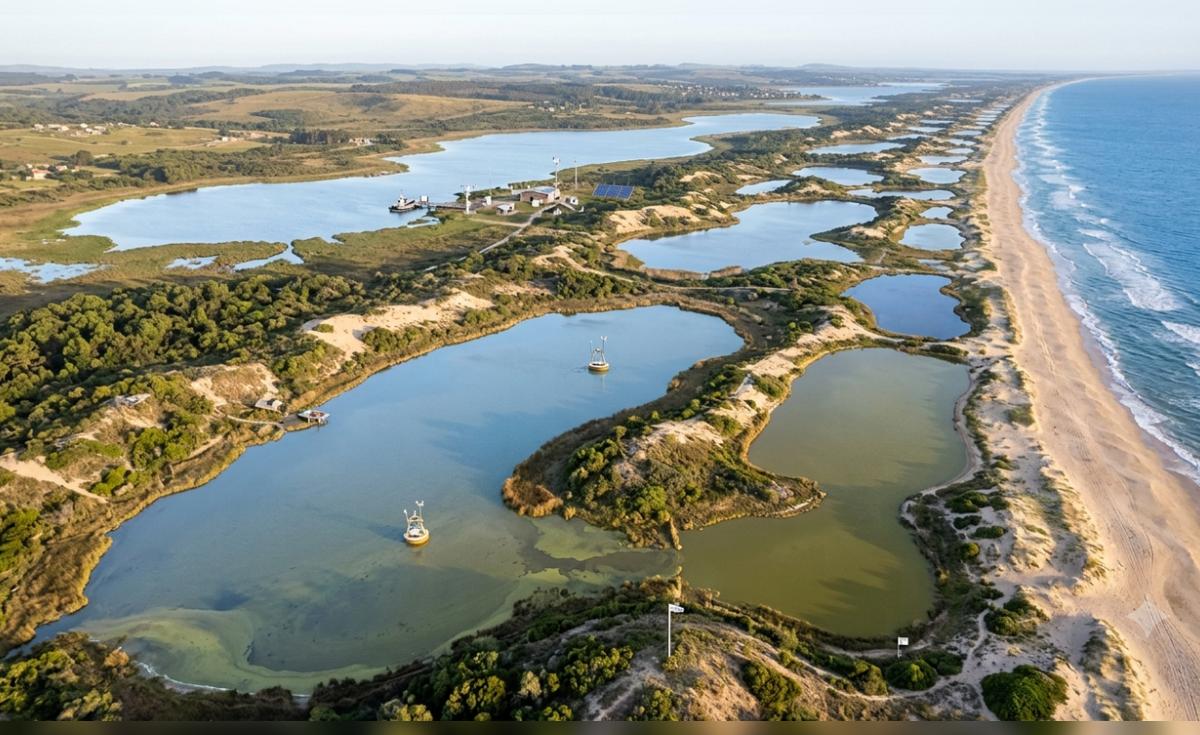
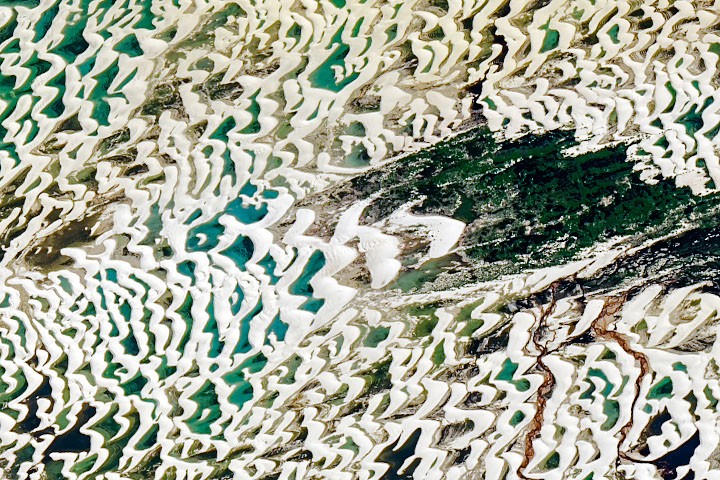
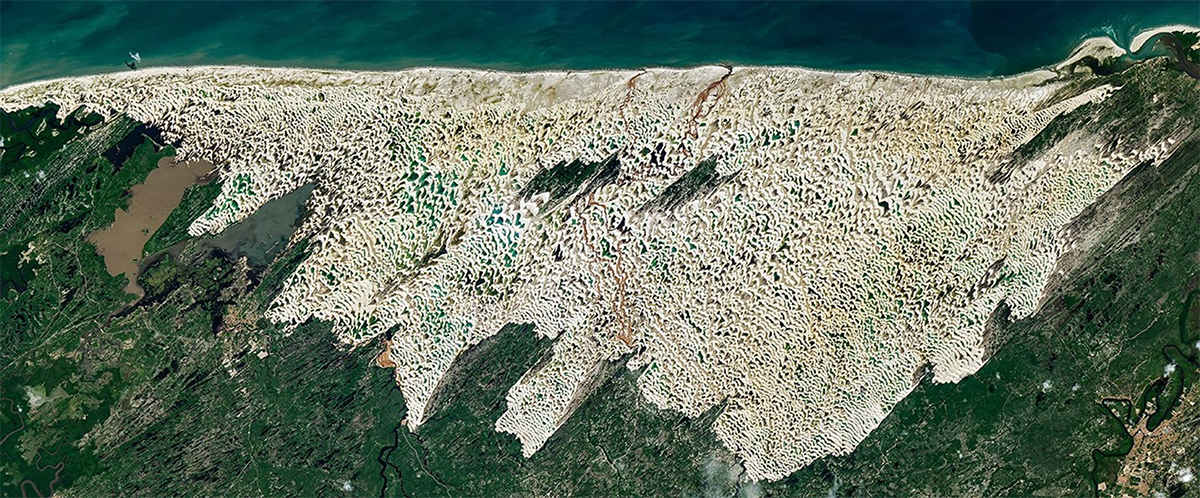
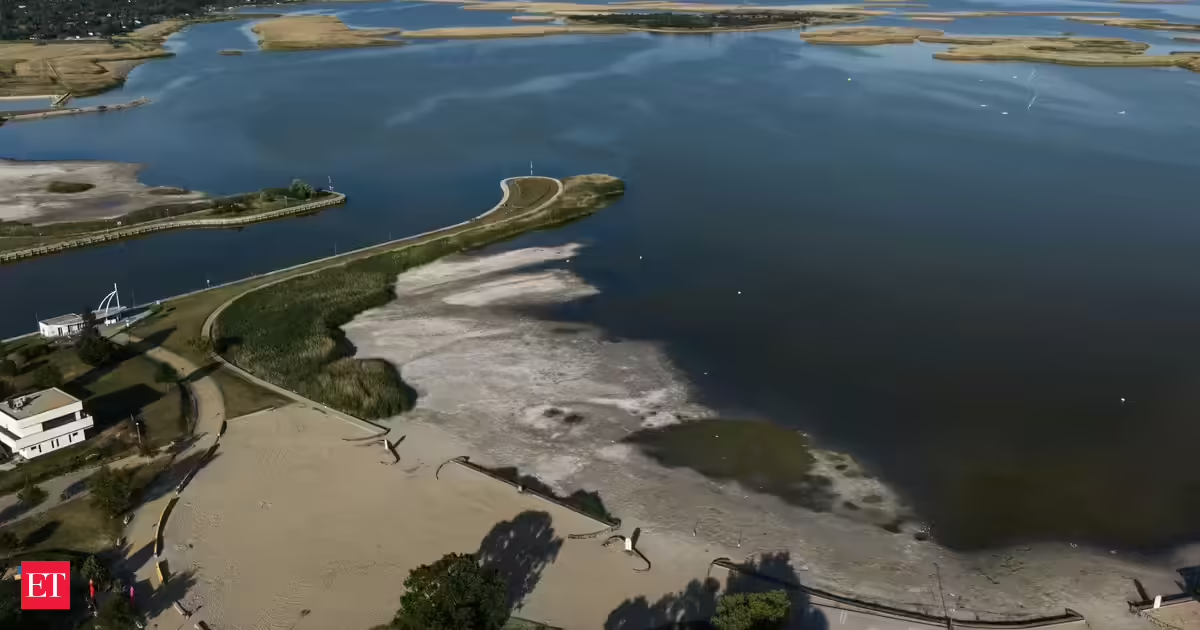
More than 100 shallow lakes stretching over 1,000 kilometers along the Atlantic coast of southern Brazil and Uruguay could become one of the world's most important natural laboratories for understanding how climate change and human activities reshape freshwater ecosystems. An international team of researchers reports that these largely overlooked subtropical lakes offer an unparalleled opportunity to monitor biodiversity, water quality, pollution, and ecosystem resilience in a rapidly changing world.
Published in One Ecosystem, the study is the first comprehensive assessment of the Southern American Coastal Shallow Subtropical Lakes, highlighting their global scientific importance and outlining a roadmap for long-term international monitoring.
Most of what we know about lakes comes from the Northern Hemisphere.
- says lead author Mariana Kluge of the Swedish University of Agricultural Sciences (SLU).