HomeAI · summaries
Storia in 2 fonti
Hidden freshwater giants could become the world's next climate observatories
More than 100 shallow lakes along the Atlantic coast of southern Brazil and Uruguay could become one of the world’s most important natural laboratories for tracking climate change and human impact on freshwater ecosystems. An international research team has identified this overlooked subtropical lake network as a global hotspot for monitoring biodiversity, water quality and ecosystem resilience. This was published in the open-access, peer-reviewed journal One Ecosystem.
Confronto fonti
2 prospettive sulla stessa storiaTimeline cronologica
- ·
eurekalert.org
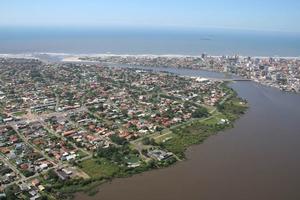
Hidden freshwater giants could become the world's next climate observatories
More than 100 shallow lakes along the Atlantic coast of southern Brazil and Uruguay could become one of the world’s most important natural laboratories for tracking climate change…
- ·
larepublica.pe
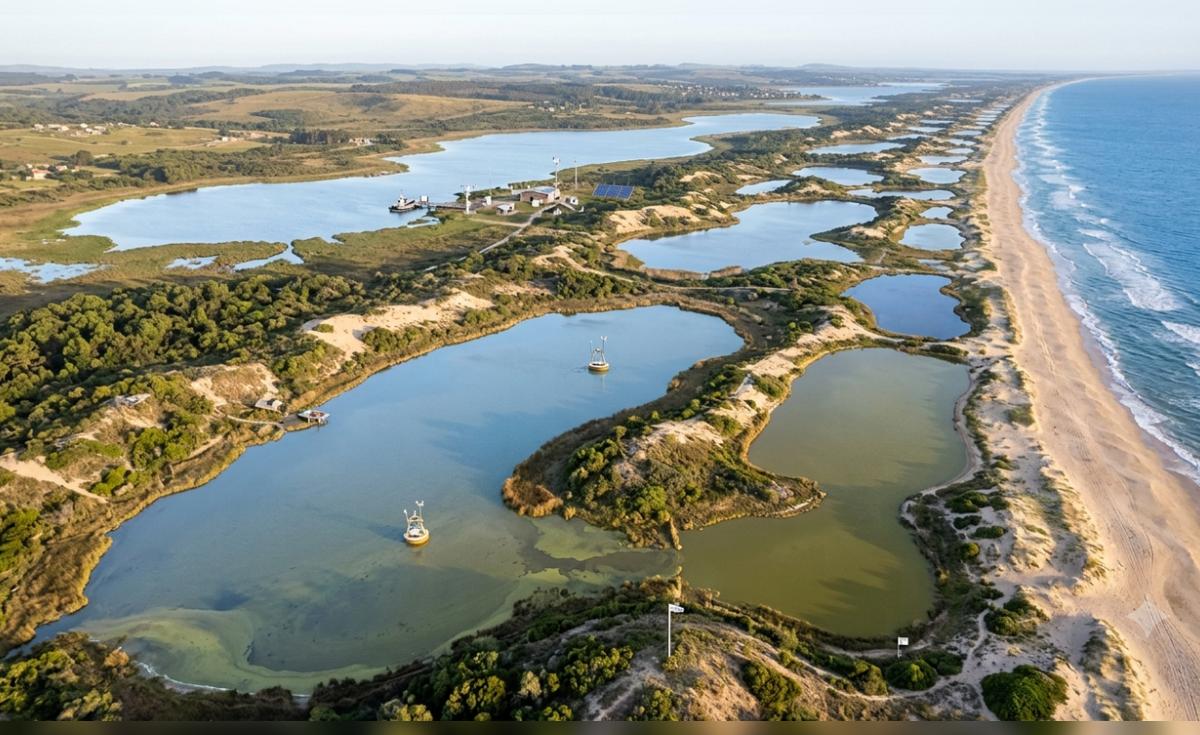
Más de 100 lagos de Sudamérica se convertirían en laboratorios naturales de alerta temprana frente al cambio climático
Los investigadores proponen establecer una red de observación para monitorear la biodiversidad y la calidad del agua ante presiones como el crecimiento urbano y la contaminación.