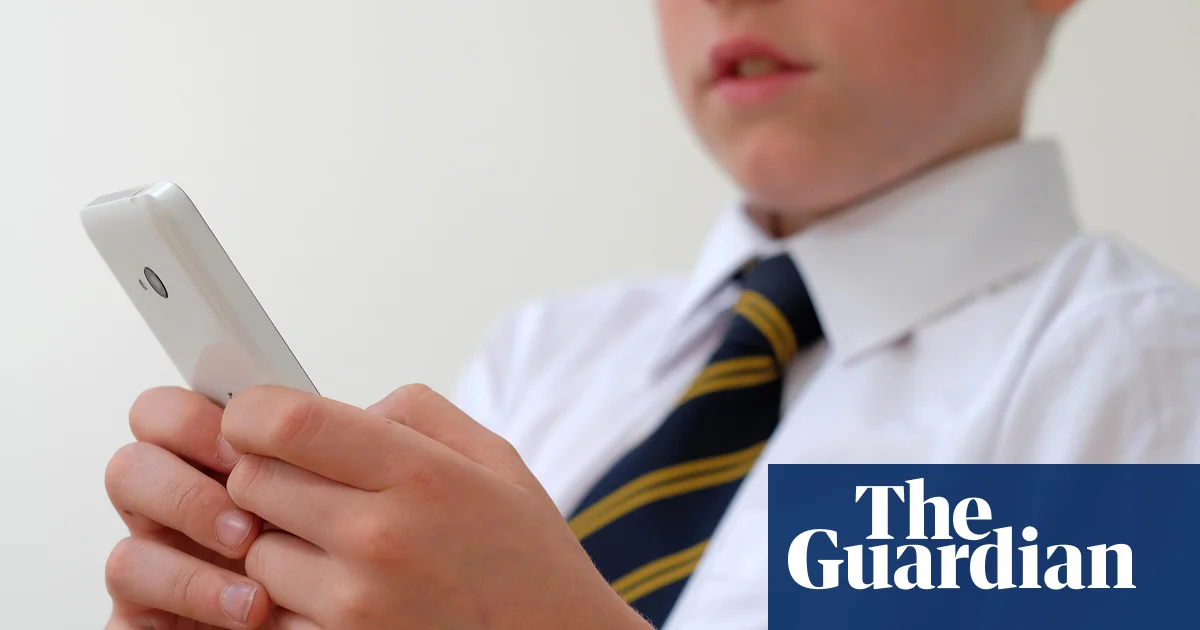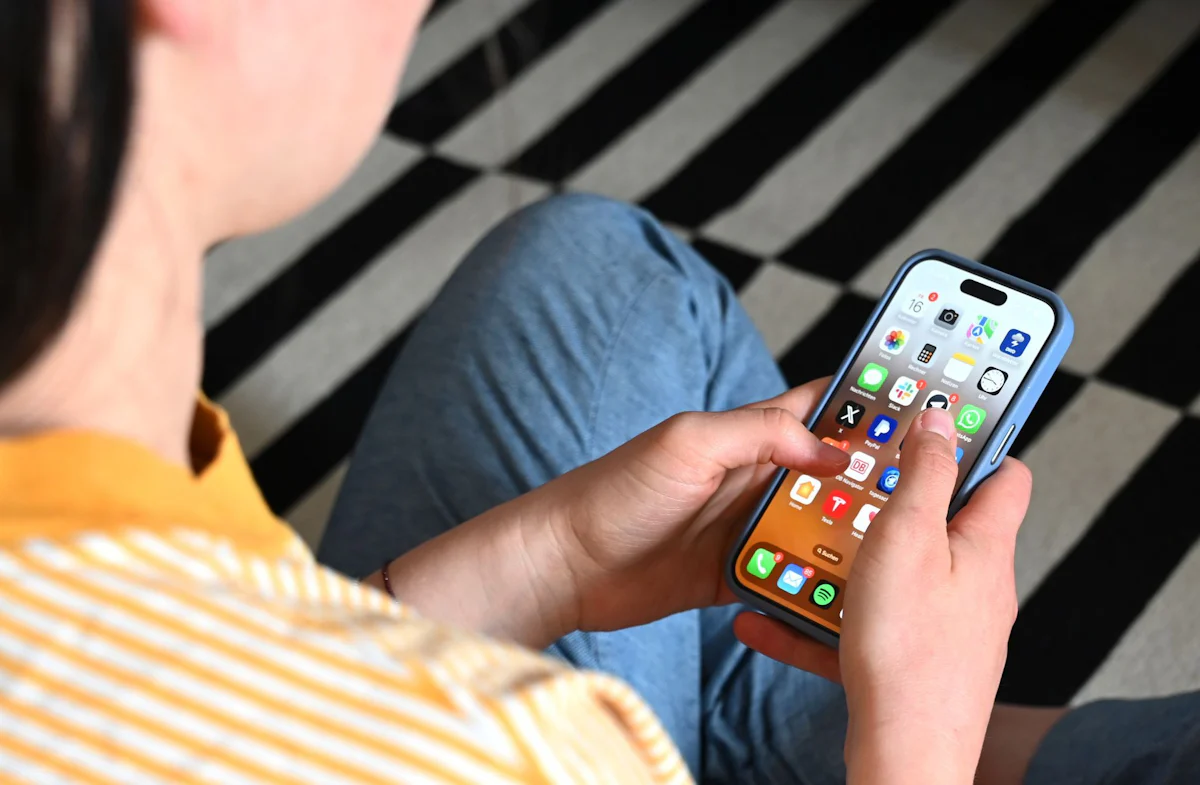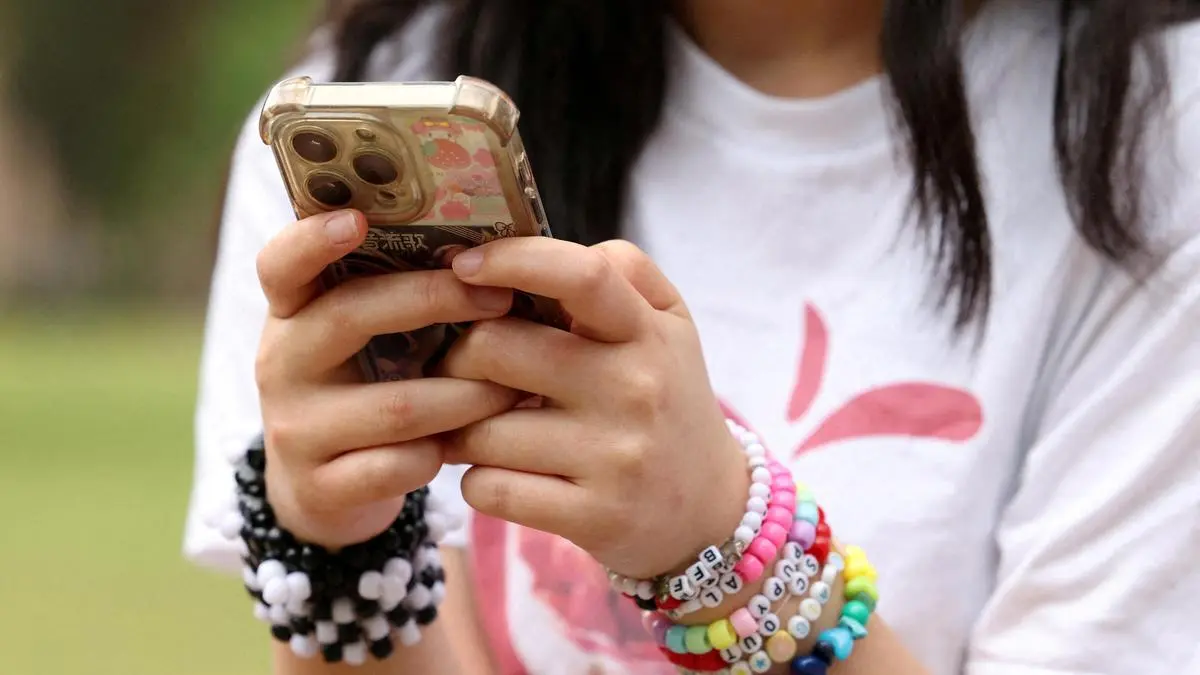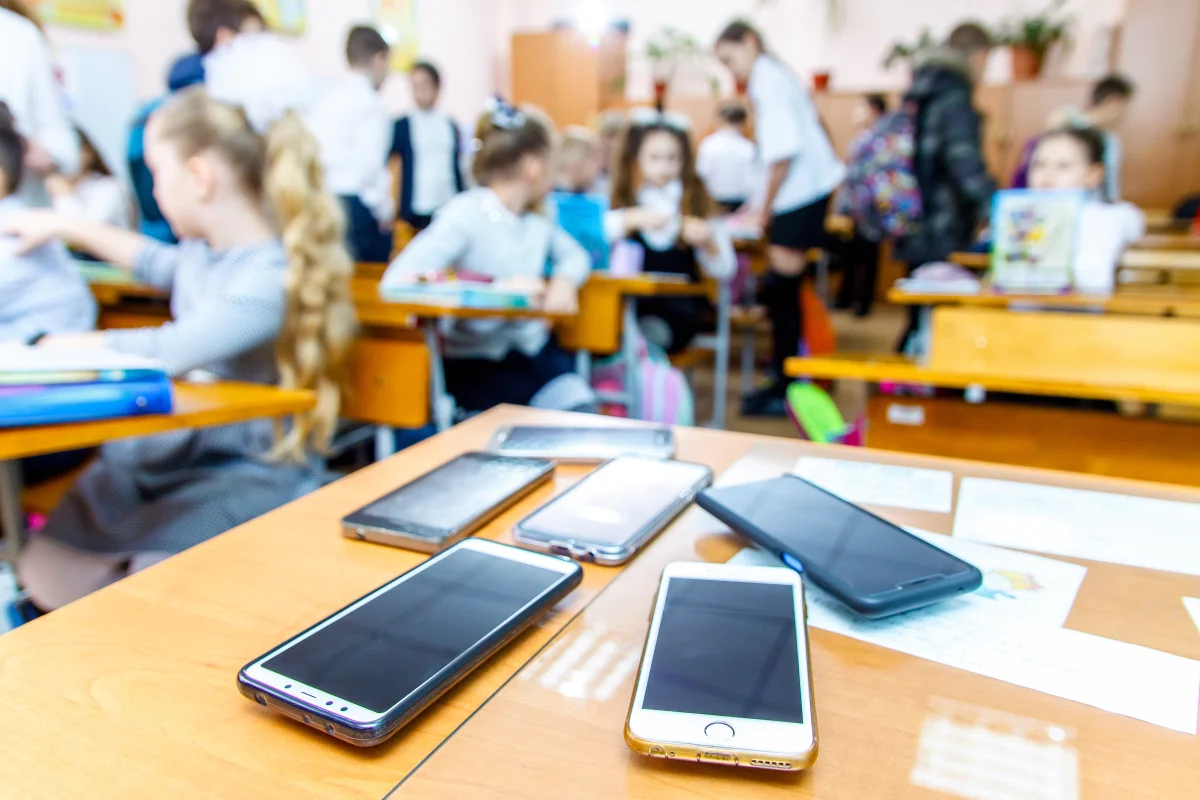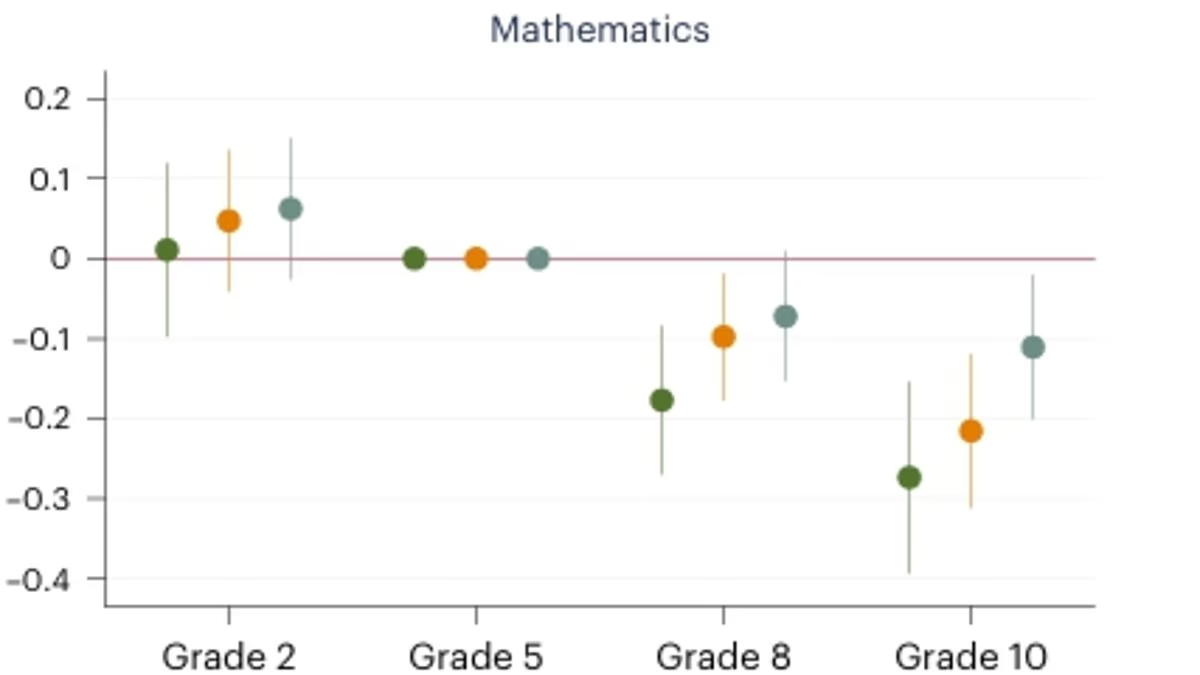
Children who start using social media at a younger age are up to six months behind at school by their GCSE years, a new study suggests.Researchers tracked more than 5,000 students and compared when they first opened social media accounts with their later scores across a range of lessons.Those who started using the likes of TikTok and Instagram at the age of 11 were the equivalent of six months behind in certain subjects when they reached the ages of 15 and 16.The scientists suggest that frequent phone checking, excessive social media use and a lack of parental supervision could disrupt pupils' attention and learning.'The findings provide compelling evidence that early engagement with social media adversely affects learning outcomes,' the team wrote in the journal Nature Human Behaviour.'In the short term, policies that delay social media access until children are cognitively mature enough to manage its potential distractions could be beneficial.'It comes as the UK government has announced plans to ban social media for under–16s in the spring of next year.The change will mean youngsters won't be able to access popular apps such as Instagram, YouTube, TikTok, Snapchat, Facebook and X. The study found that children who joined social media at an earlier age scored lower in tests for Italian and mathematics by the time they reached the 10th grade. There was no significant impact on English scores, howeverFor their study, the team, from the University of Milano–Bicocca, analysed survey data on the social media habits of 5,227 Italian students.They also collected test scores for Italian, English and maths.Analysis revealed that compared with students who opened a social media account at the age of 14 or 15, those who opened one aged 11 or 12 scored significantly lower in Italian and maths by the age of 15 to 16.The difference in test scores was the equivalent of six months' worth of schooling, the researchers said.'Our findings suggest a significant negative impact of early social media use on academic performance during lower–secondary school years in mathematics and Italian,' they wrote.'This endorses and extends previous research which has highlighted the potential for digital distractions to interfere with students' learning and school performance.'However, they found that using social media at a younger age had no impact on English scores.This could be because of the large amount of English language content online, the researchers suggest, potentially offering some form of informal learning. It comes as the UK government has announced plans to ban social media for under–16s in the spring of next year (stock image) Countries cracking down on social media for children Australia: The first country to introduce a nationwide under–16 social media ban, which came into force on December 10Brazil: New rules, which came into force in March, require under–16s to link social media accounts to a legal guardian and for restricted featuresIndonesia: Introduced a social media ban for under–16s in MarchFrance: Moving towards an under–15 social media banAustria: Has announced plans to prohibit social media use for children under 14UK: Under–16s to be banned from accessing the likes of Instagram, YouTube, TikTok, Snapchat, Facebook and X from spring next year The researchers also referenced previous studies that suggest intensive social media use is linked to poorer sleep quality, reduced concentration levels and decreased face–to–face interactions. However, they found no link between social media use and wellbeing in the study.Commenting on the findings Dennis Ougrin, Professor of Child and Adolescent Psychiatry at Queen Mary University of London, said: 'The study adds to growing evidence that the age at which young people first engage with social media may matter for their educational development.'While the findings do not prove that social media alone causes poorer academic performance, they suggest that earlier, largely unsupervised use is associated with differences in later attainment, particularly in mathematics and language.'Lucas Gortázar, a researcher specializing in educational policies and reforms in Spain, said: 'Whilst further studies are needed, the evidence is consistent in showing that the earlier a social media account is opened, the greater the effect.'It is a solid finding that points to the need to delay the age at which teenagers start using social media to, at the earliest, 15 or 16 years of age.'However, others warned that the findings should be interpreted cautiously – arguing there could be other possible explanations for the difference in test scores.The study itself is observational, so while it found that earlier social media use was associated with poorer Italian and maths scores, it cannot definitively prove that social media caused the decline.Other factors – such as family circumstances, parental support, socio–economic background or personality – could potentially contribute to both earlier social media use and lower academic performance.While under–16s in the UK will soon be blocked from accessing social media platforms entirely, the Government recently confirmed that 16 and 17–year–olds will also face curfews.As part of the new measures, their access to popular social media will be switched off from midnight to 6am every night.Features that are designed to keep teens scrolling for longer will also be disabled by default for older teenagers.This includes videos that automatically play one after another and feeds that continually serve up personalised content.'Our consultation provided a clear message from parents and teenagers alike – even as young people gain greater independence at 16, they should still be protected from the most addictive online features that can have a harmful impact on their wellbeing,' said Technology Secretary Liz Kendall.'These measures will be crucial in helping young people get the sleep they need, focus on school and college, and spend more quality time with family and friends, all of which are fundamental to building a happy, healthy and fulfilling adult life.'We want young people to enjoy the benefits of technology while having the tools to make the online world a place where they can thrive.'
Children who join TikTok at 11 are 'six months behind' by their GCSEs
Teenagers who start using social media at a younger age are up to six months behind at school by their GCSE years, a new study suggests.
968 words~4 min read