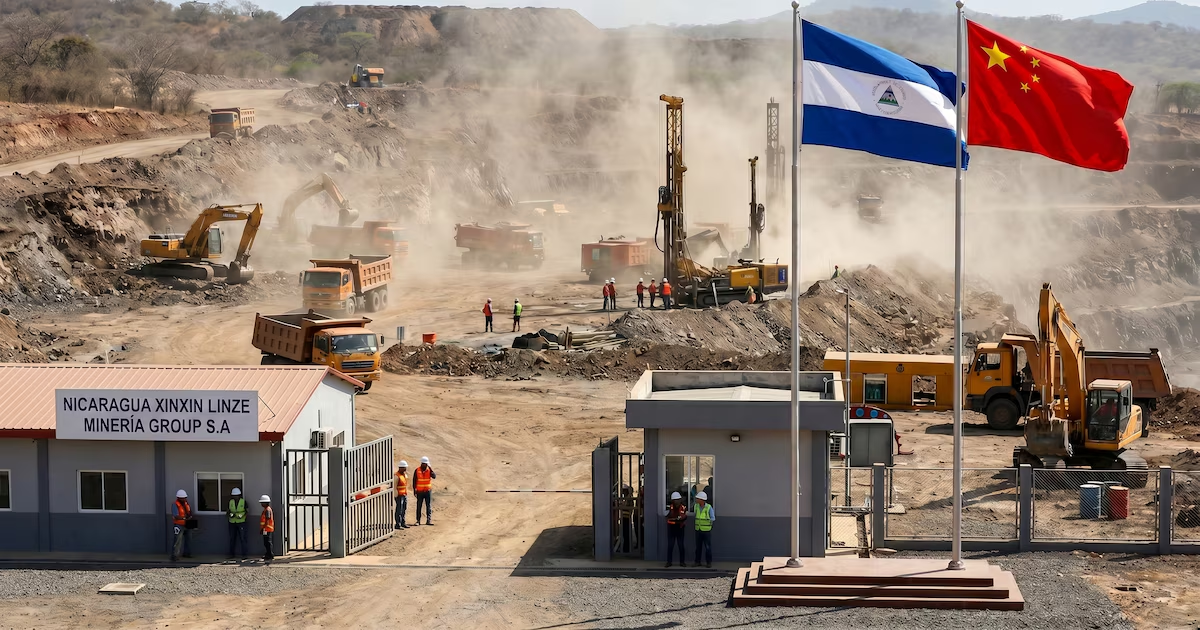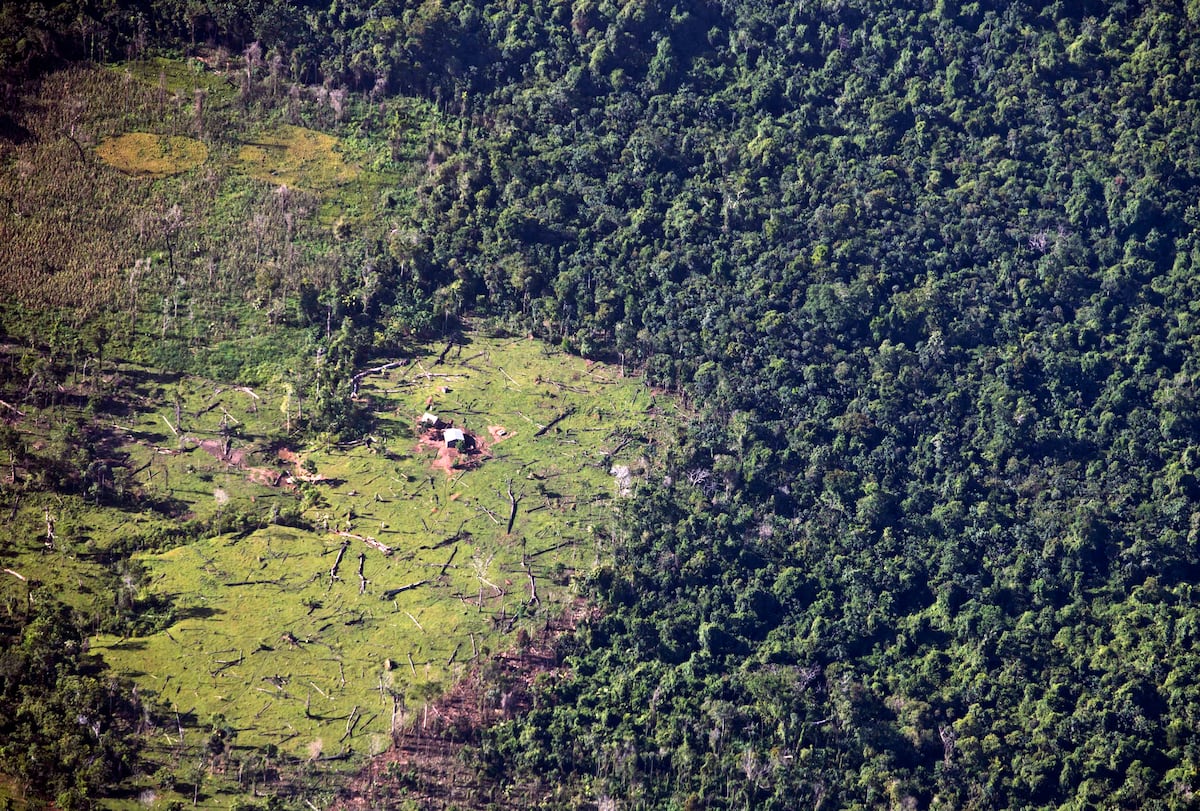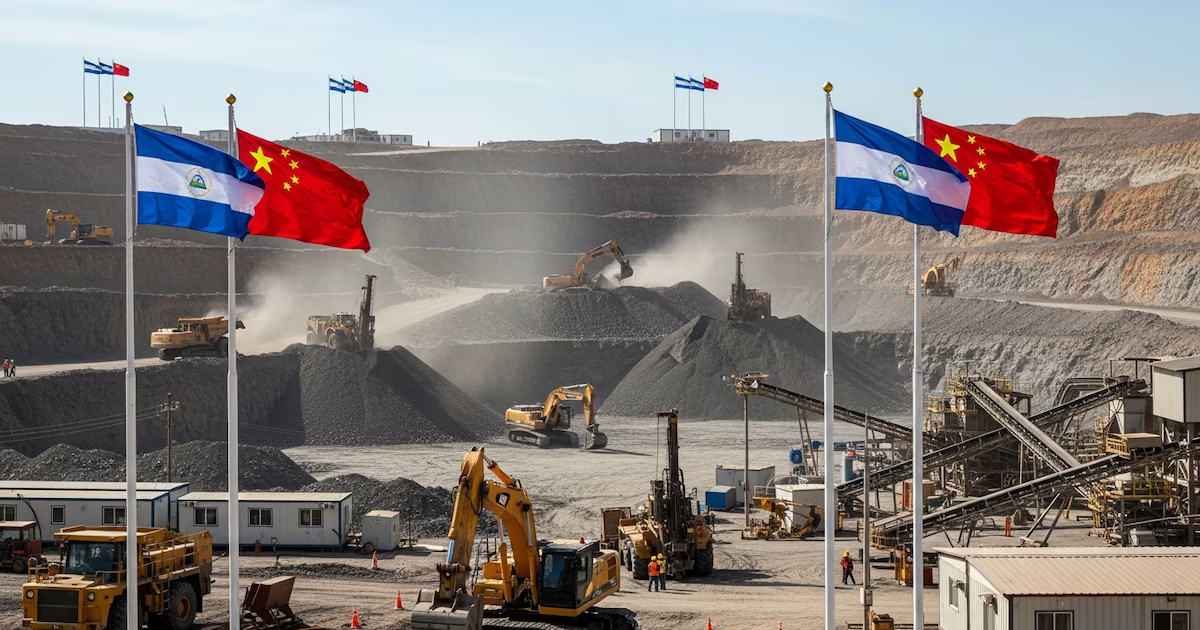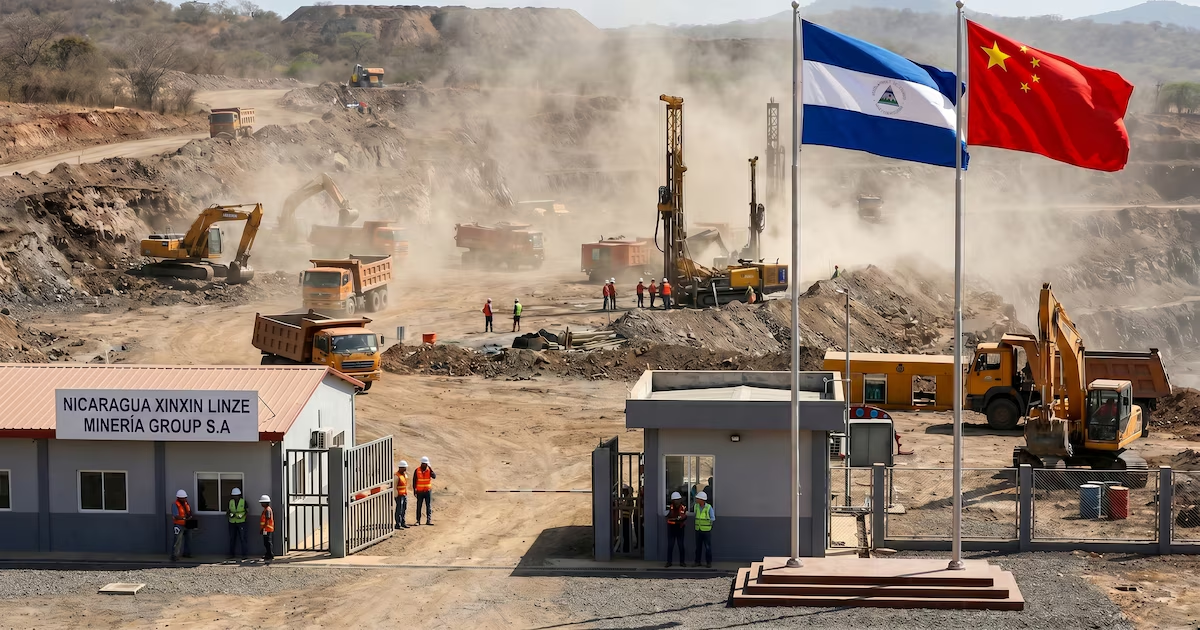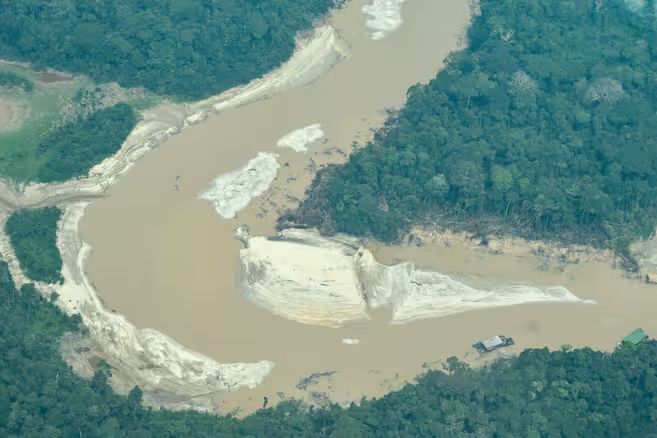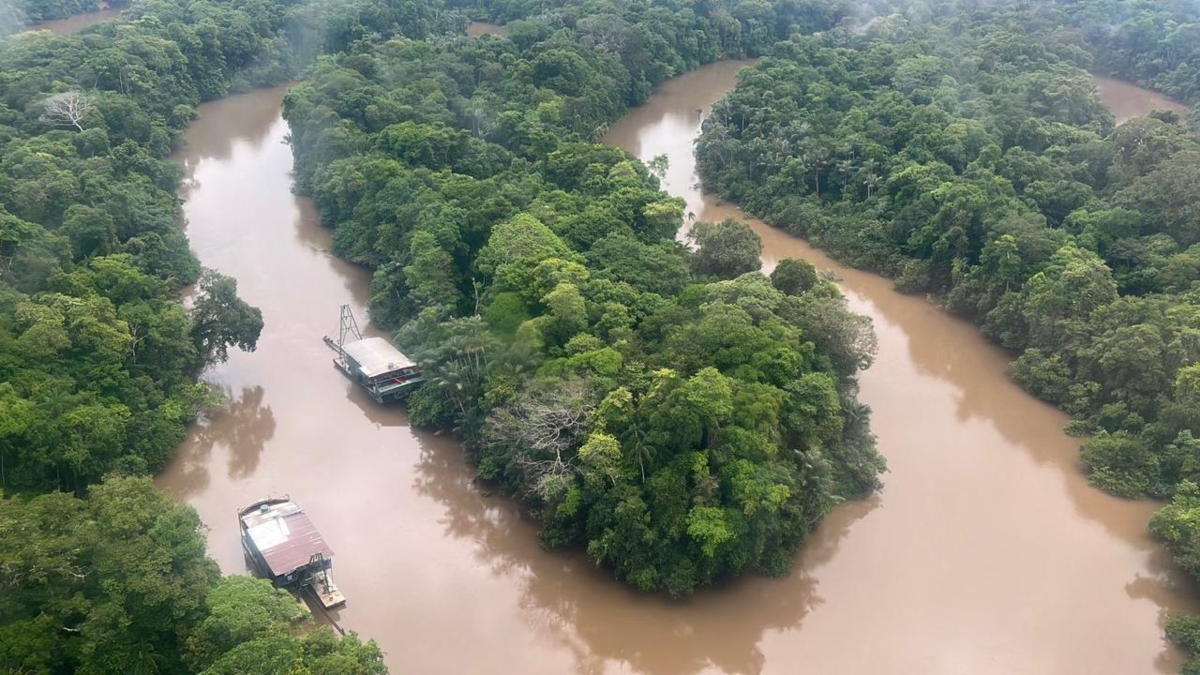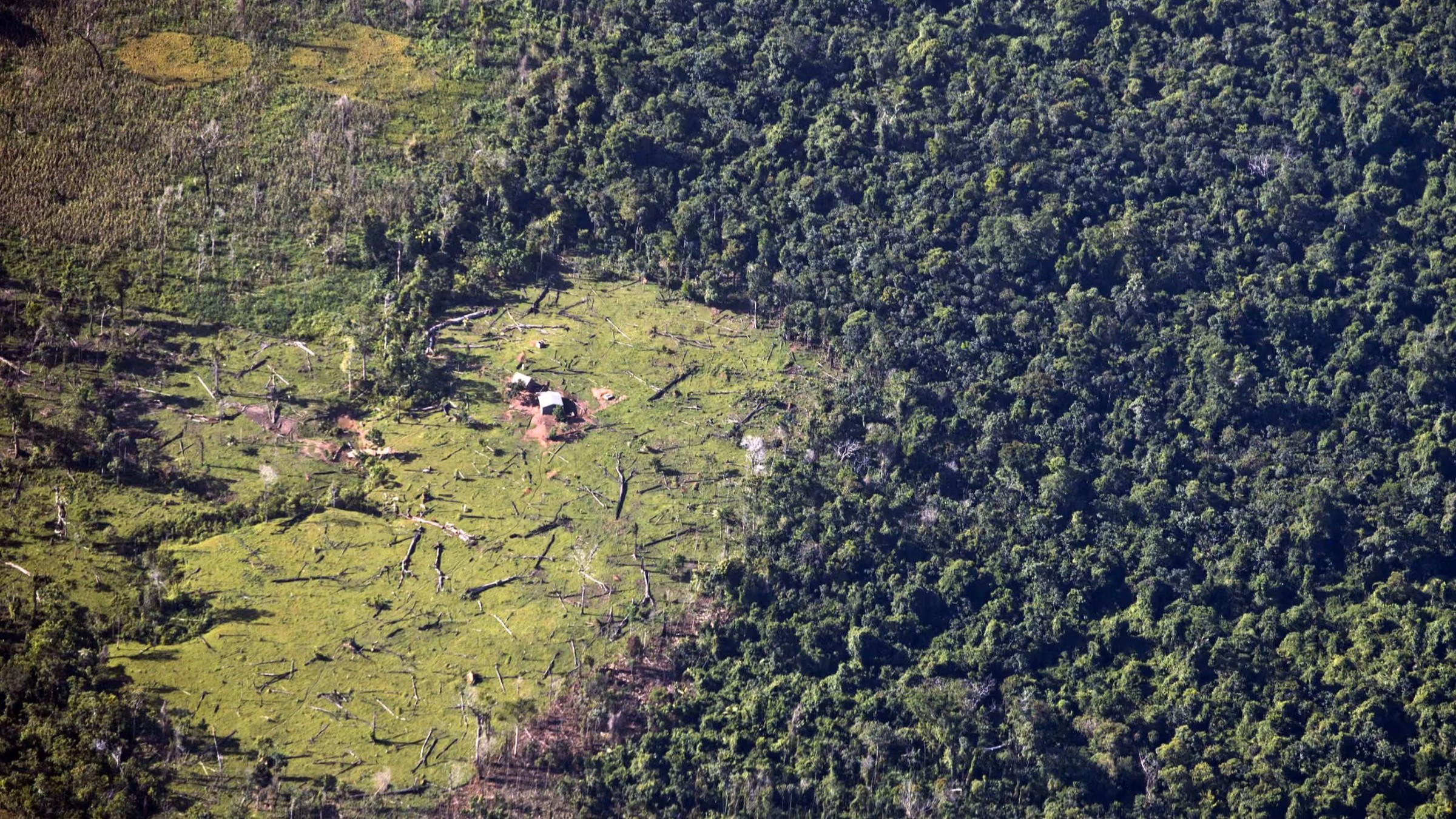
Mining concessions have begun to encroach on protected areas and Indigenous and Afro-descendant territory, the result of a mining boom that began in 2022, according to a new investigation from community-based Indigenous group Wangki.Since 1994, Nicaragua has granted 213 mining concessions covering more than 2.4 million hectares (5.9 million acres), representing approximately 20% of the country’s total land area. A significant portion of that — 113 of the concessions — has only been granted in the last three years.The Nicaraguan government has signed trade agreements, passed new laws, and revised environmental regulations to help accelerate the expansion of the mining sector, especially by Chinese companies.Pollution and deforestation from mining threaten ancestral traditions, and make it harder to practice subsistence farming and find clean drinking water, the investigation said.
In Nicaragua, the mining sector has steadily grown over the last two decades, with gold becoming a top export and a pillar of the national economy. For most of that time, the growth was gradual. But in more recent years, there’s been an unprecedented boom, with the creation of dozens of mining concessions and a rush of new legislation to attract foreign companies.