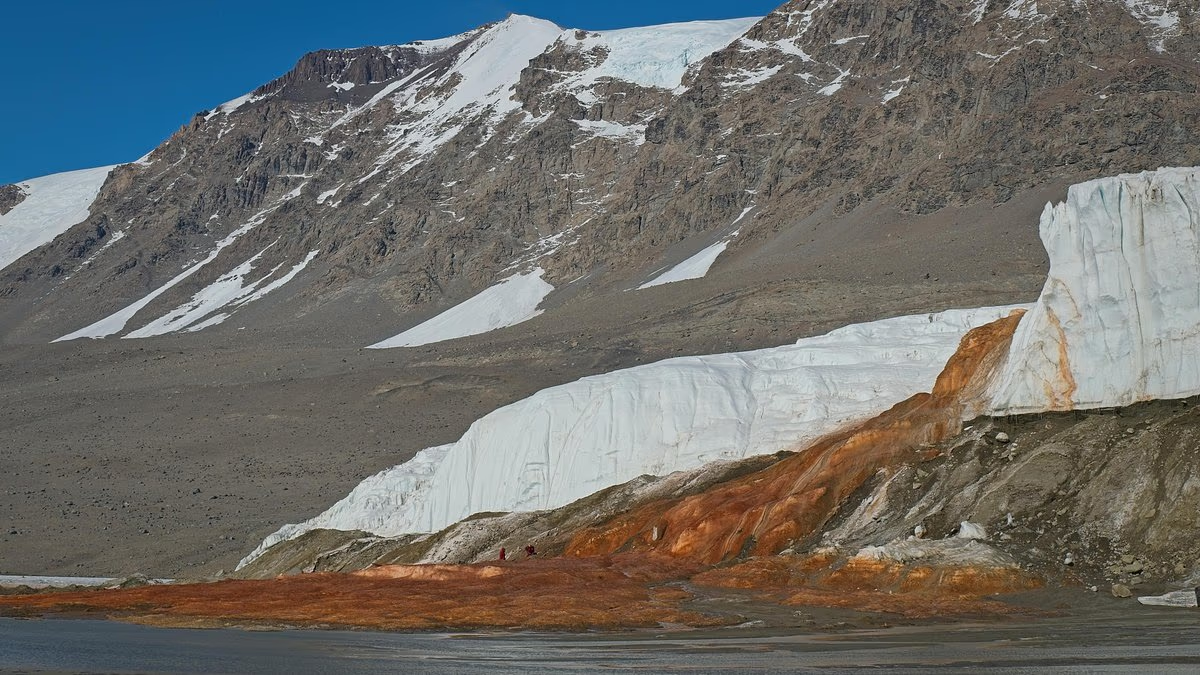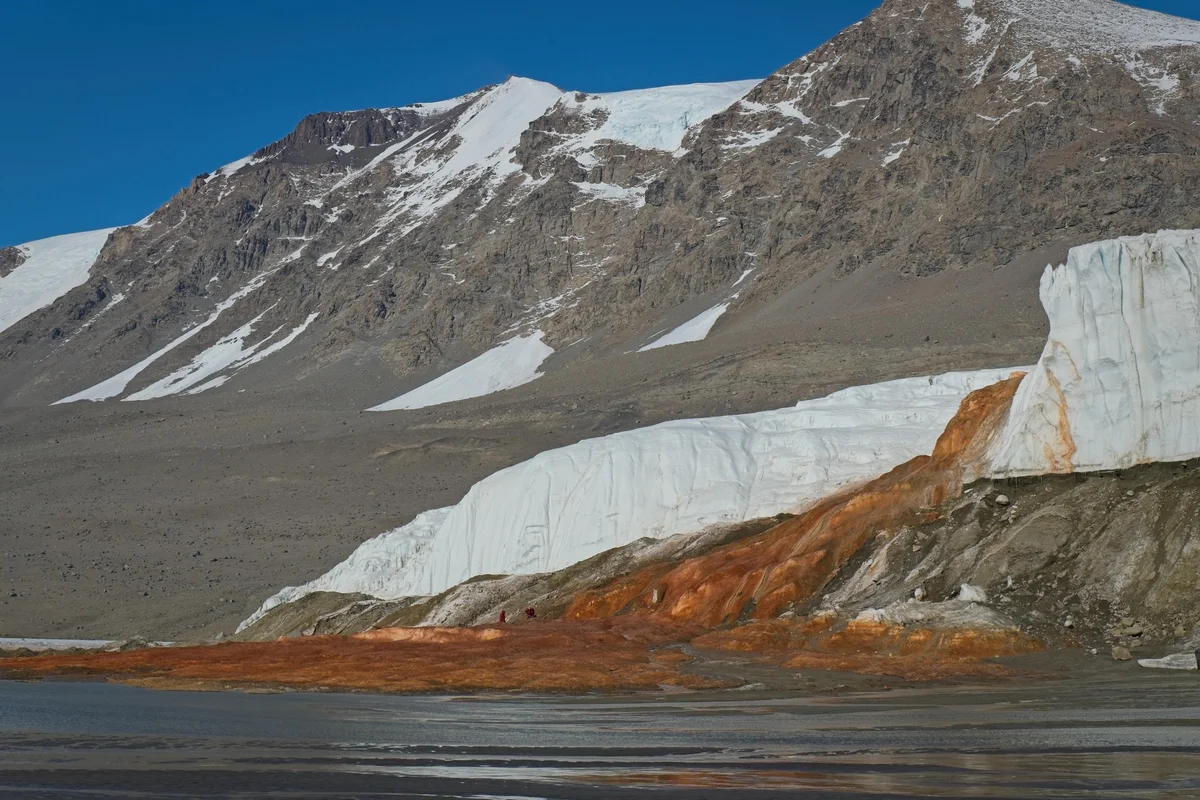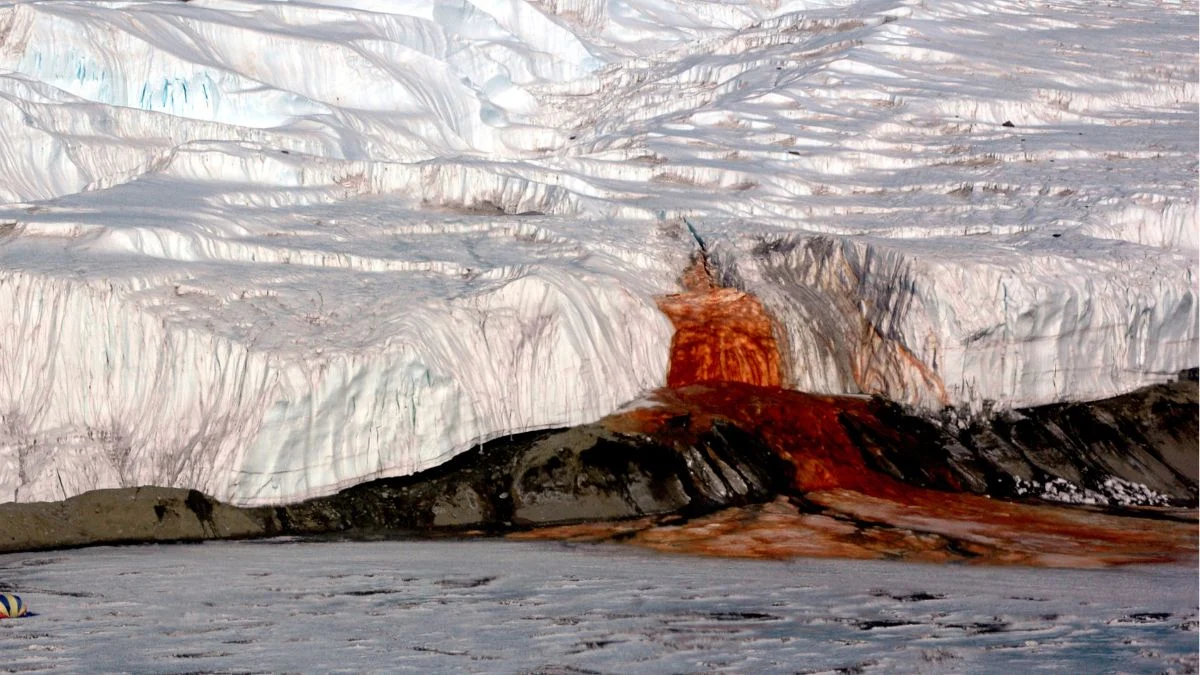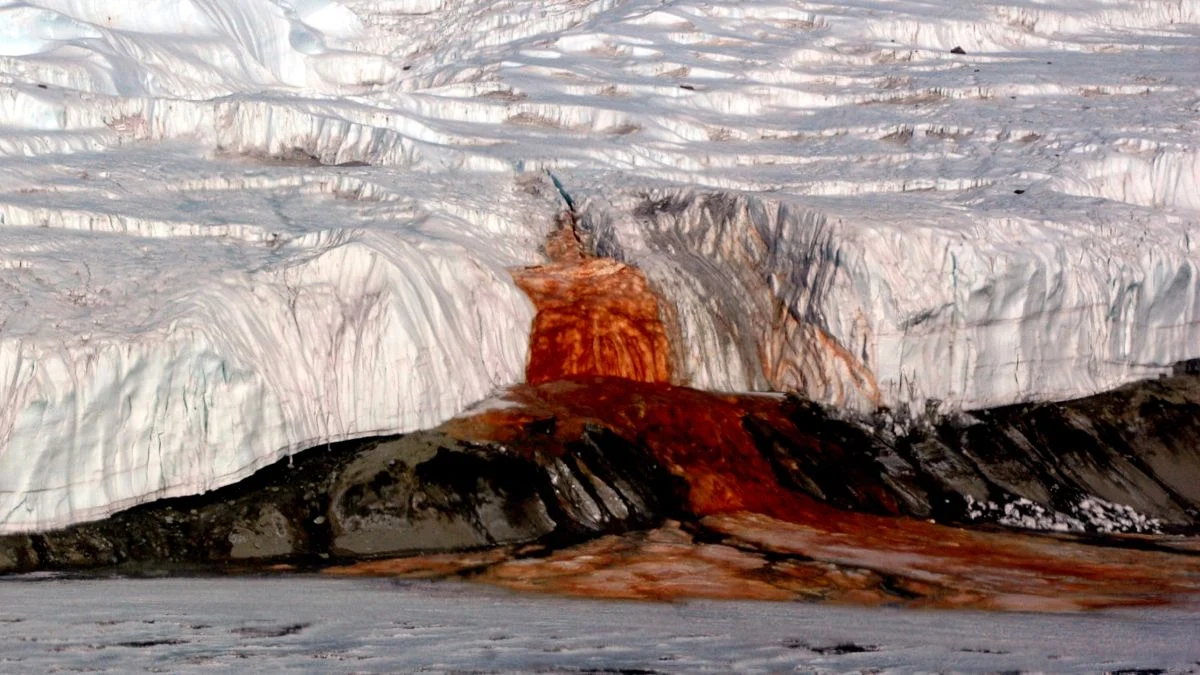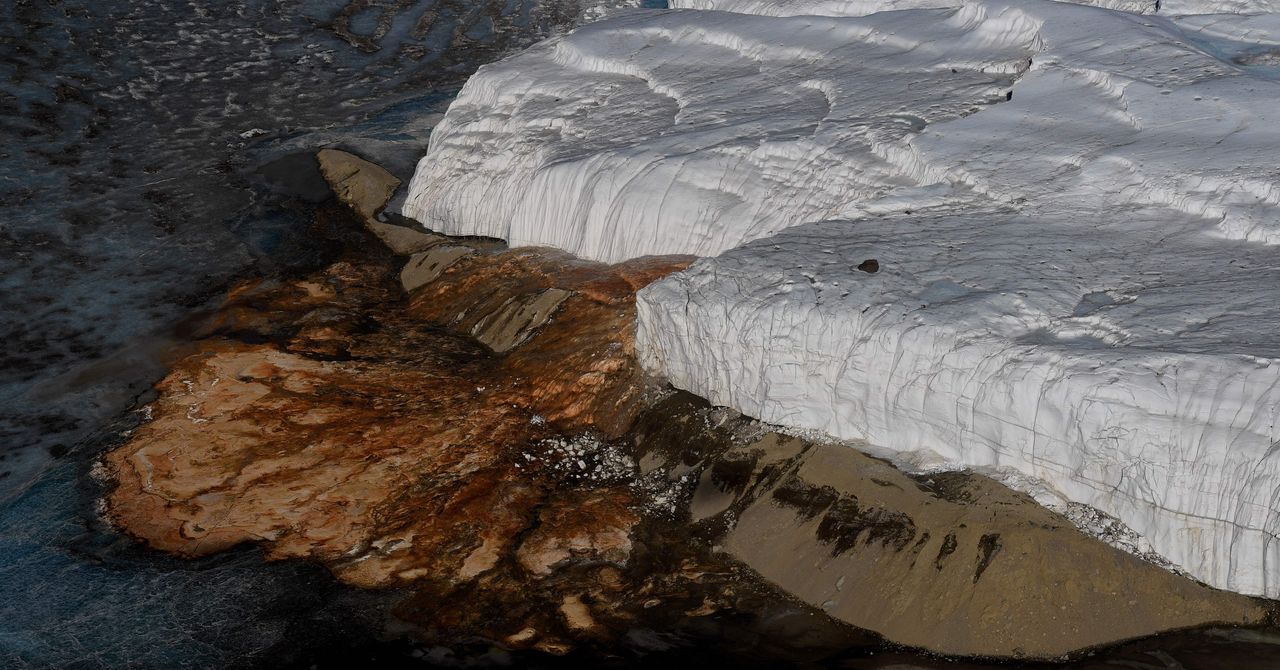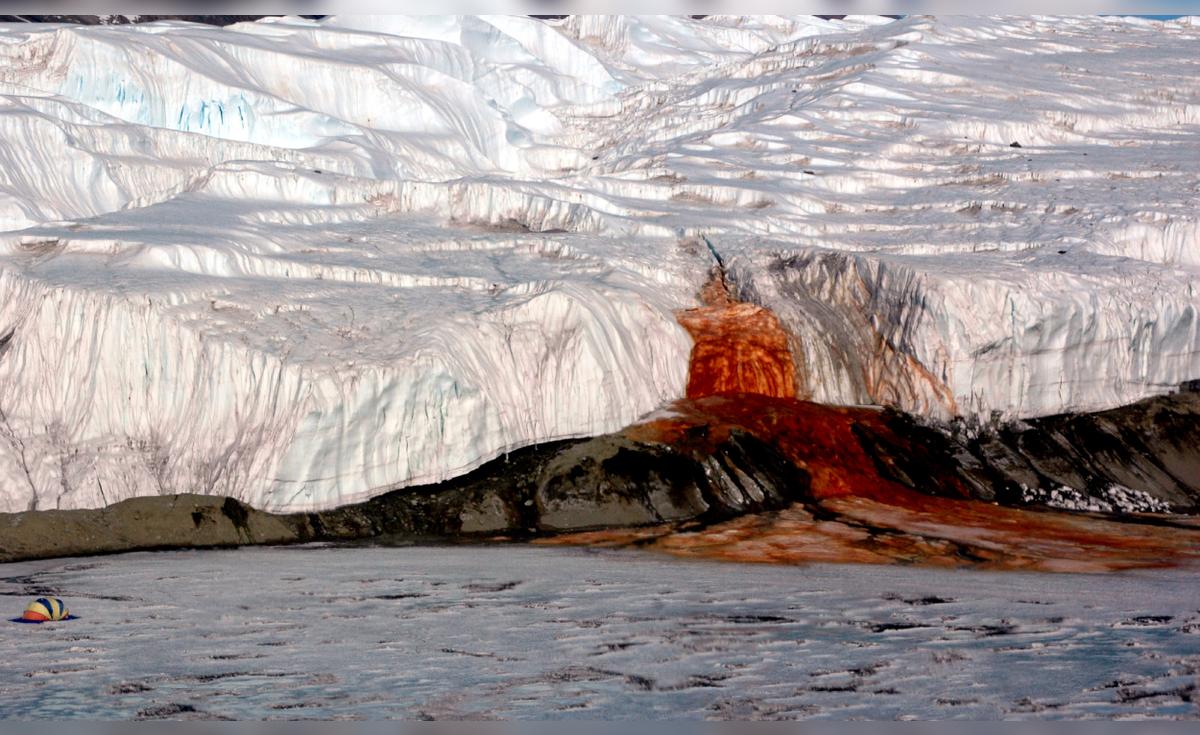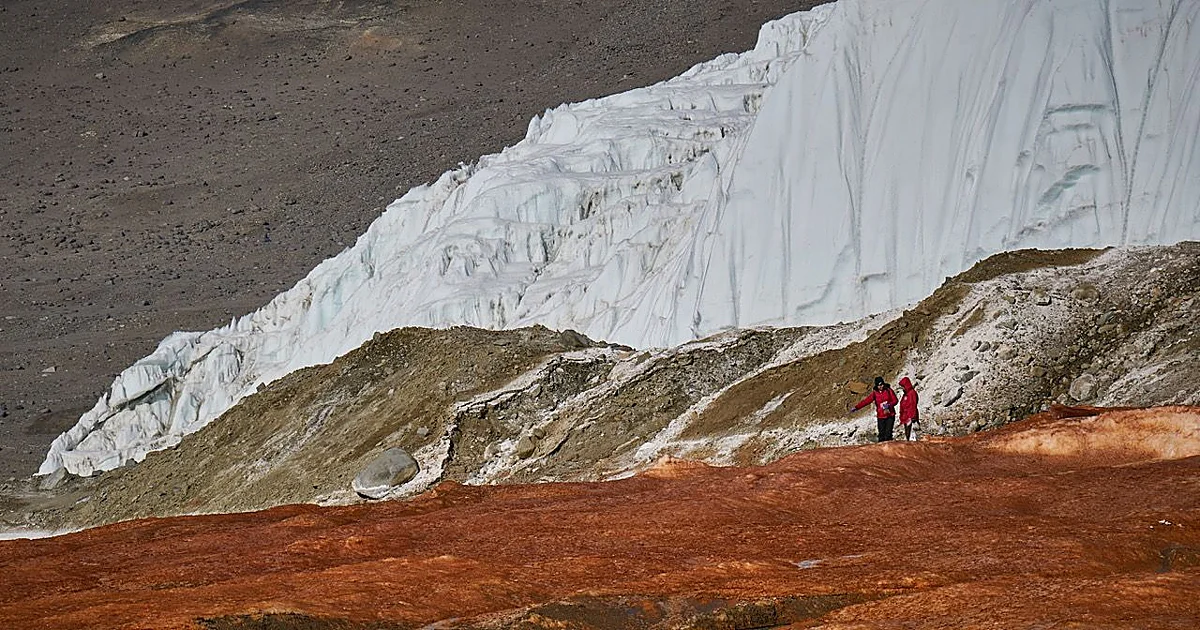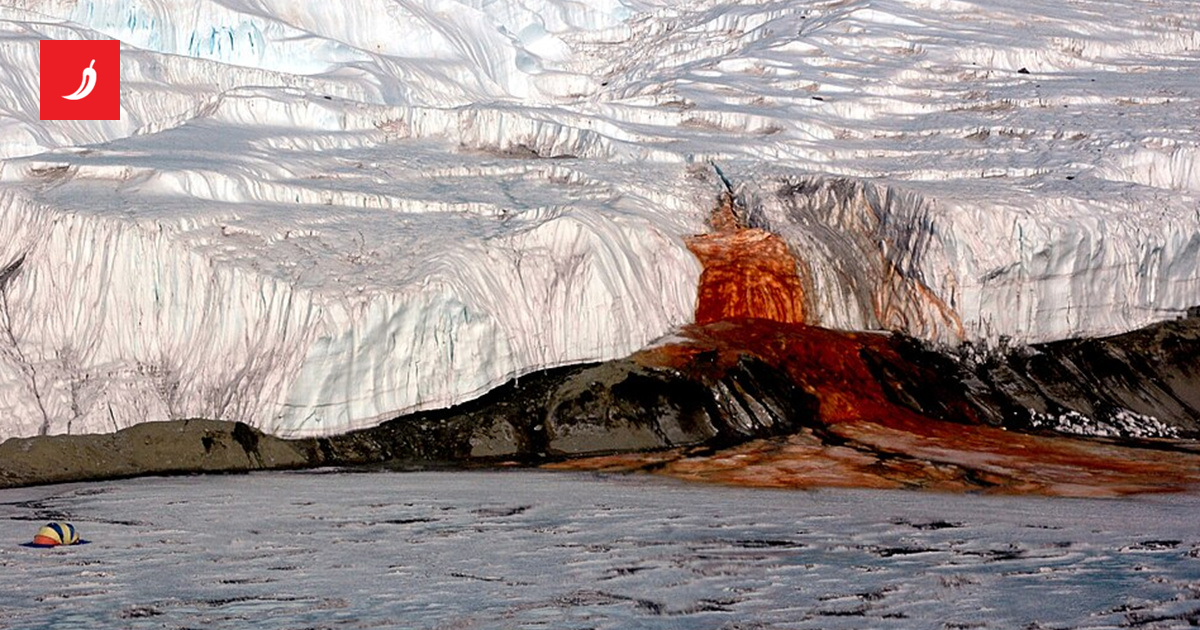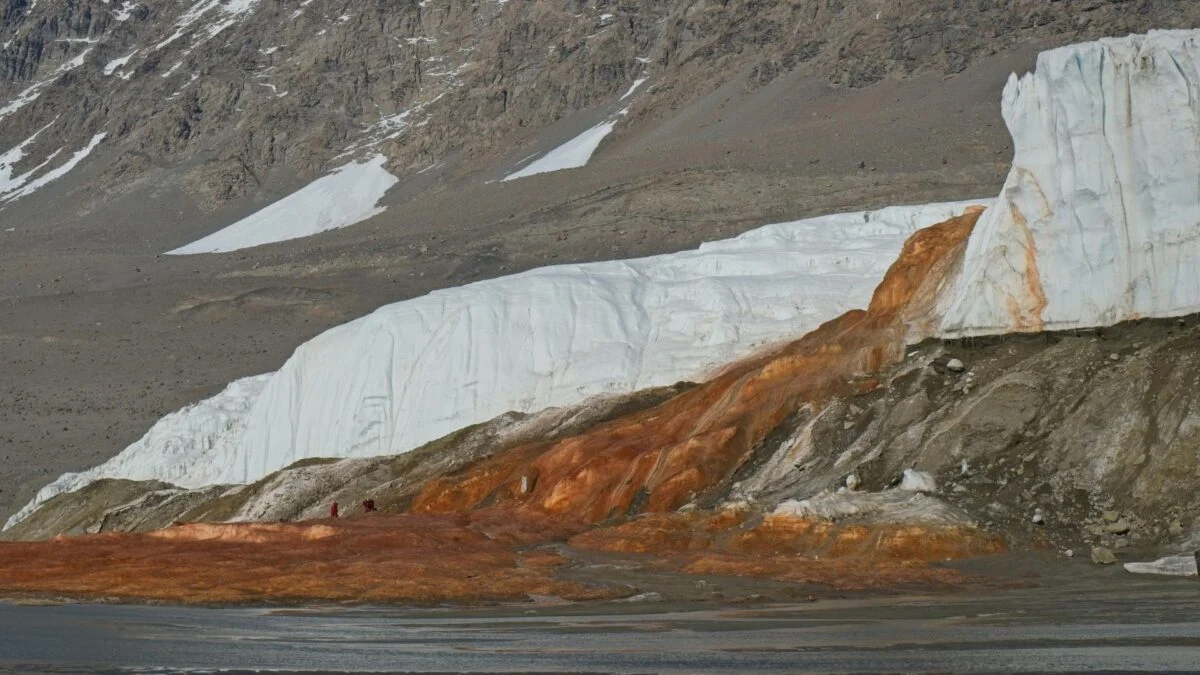
At the edge of the Taylor Glacier in the McMurdo Dry Valleys of Antarctica, crimson water pours into Lake Bonney below. Scientists have aptly named this outflow “Blood Falls,” attributing its striking color to its mineral makeup. But despite decades of investigation into the falls, one important question has long gone unanswered: Where did this blood-red water come from? Scientists believe the waterfall’s color stems from iron-rich brine discharged from beneath the glacier, and a study published today in the journal Nature Geoscience has revealed the water itself to be of ancient marine origin. The evidence lies in a community of microorganisms the researchers found hiding in the scarlet waters. “Finding what is effectively a marine oasis in a polar desert—more than 20 miles from the ocean—was extraordinary,” co-author Andrew Allen, a marine biology professor at the Scripps Institution of Oceanography, told Gizmodo in an email.
An ancient ocean beneath the ice Prior geochemical research suggested that the rusty-red water that feeds Blood Falls could actually be ancient seawater that inundated Taylor Valley during past warm periods. When sea levels fell, this water likely became trapped beneath the advancing glacier. Marine bacteria previously found in the brine provided strong biological evidence to support that hypothesis, and this new study offers even more.