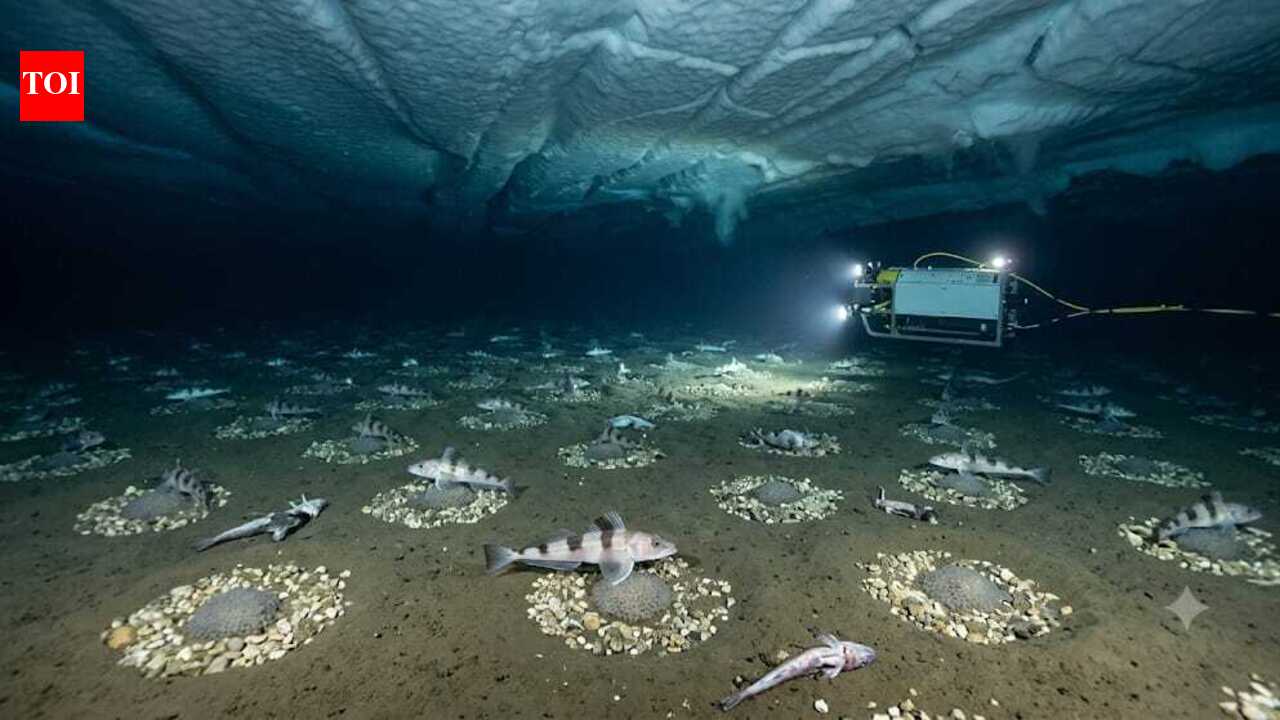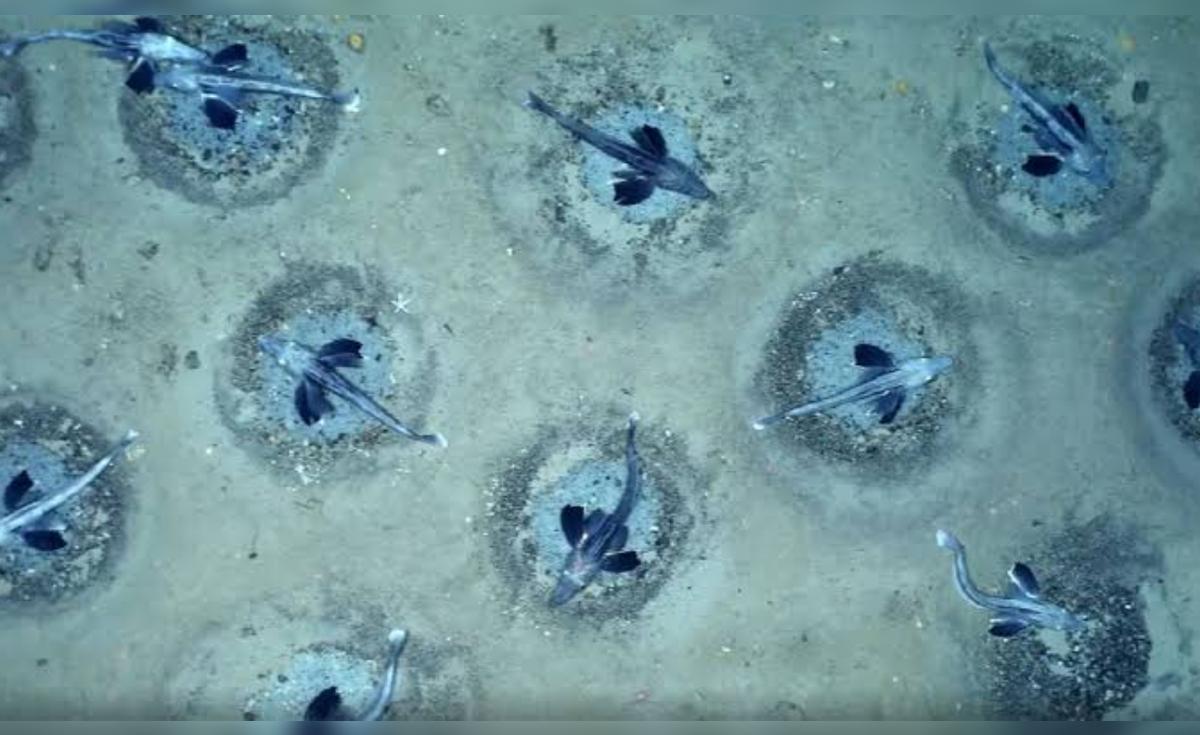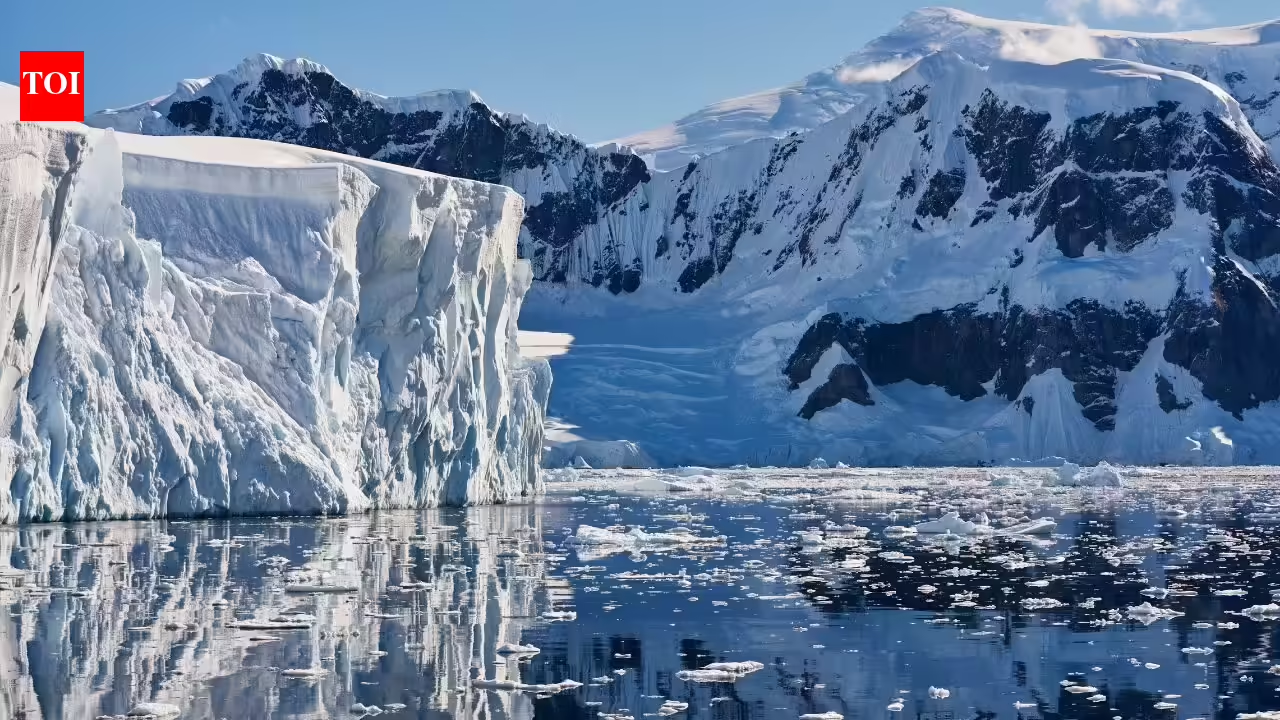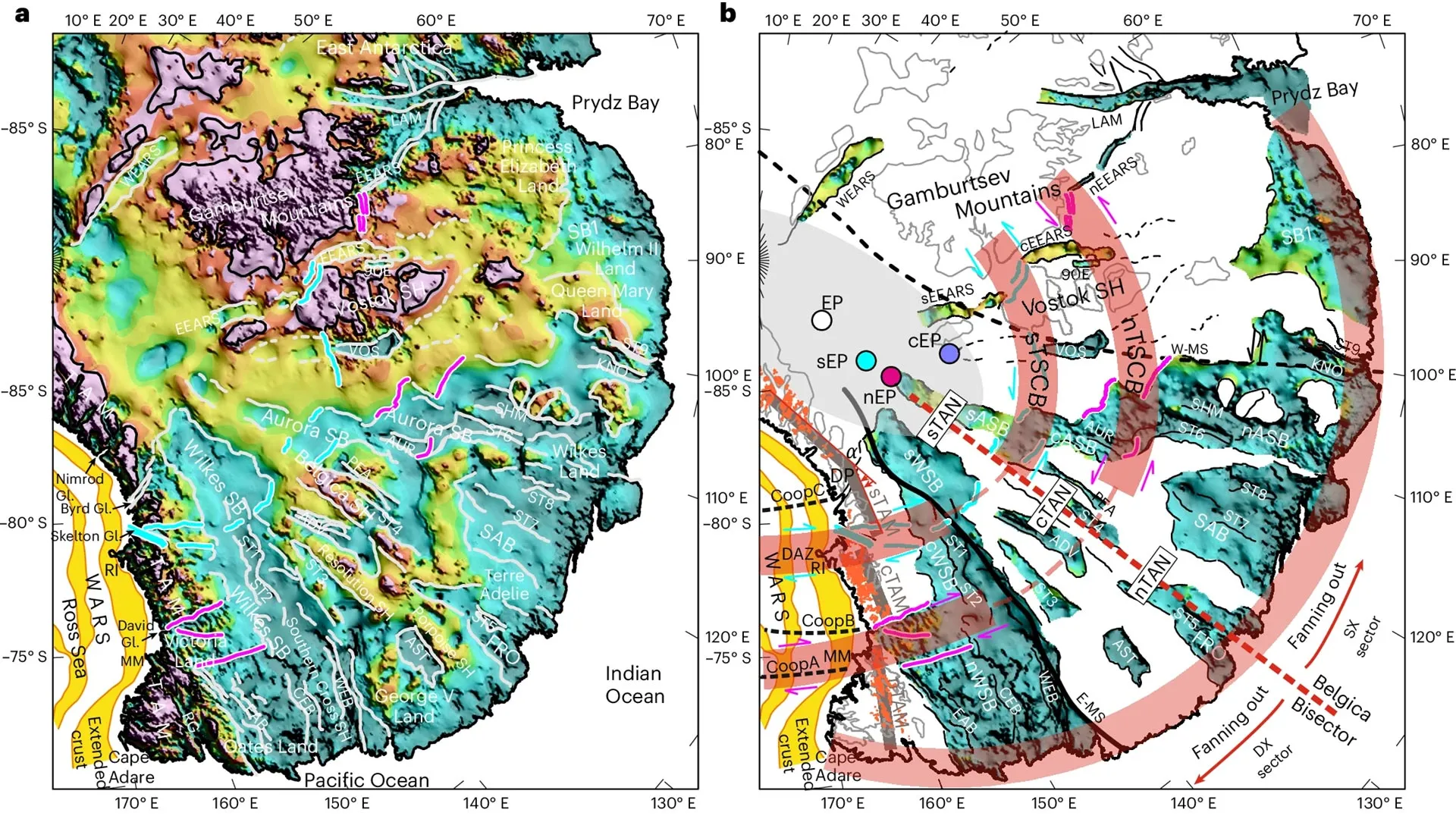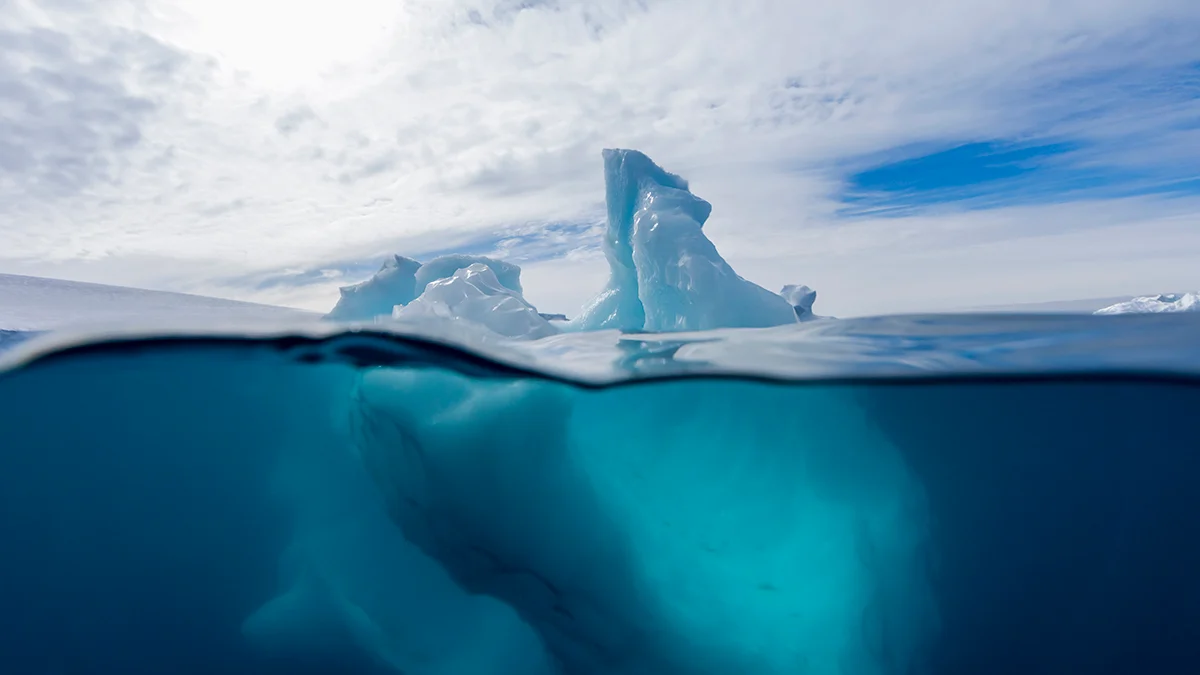
In 2017, a gigantic iceberg designated A-68 split from the Larsen C ice shelf, giving scientists a unique opportunity: access to an extensive region of the seabed that had previously been hidden away under the ice.Researchers from institutions in the UK seized that opportunity and discovered something that's never been seen before, which they have reported in a study published in Frontiers in Marine Science.Via a remote submersible camera, the researchers found more than a thousand fish nests – carefully cleared patches in the plankton detritus at the bottom of the ocean.Some examples of the nests that were caught on camera. (Weddell Sea Expedition 2019)It wasn't just the discovery of the nests that was remarkable – it was how they were arranged. This structured ecosystem is being presented as further evidence in the case for making this part of the Weddell Sea a Marine Protected Area."This study documents a large and widely dispersed nesting aggregation of the yellowfin notothenioid, Lindbergichthys nudifrons, in the western Weddell Sea, an area made accessible by the recent calving of the Larsen C Ice Shelf," write the researchers in their published paper."The most significant finding is the discovery of six distinct, geometric nesting patterns, which we propose are primarily driven by biotic interactions, namely predation pressure, rather than the abiotic factors observed in other large Antarctic fish breeding colonies."The icefish L. nudifrons, also known as the yellowfin notie, can grow up to 19.5 cm (7.7 inches), and was first identified as a species in 1905. Several thousand eggs can be laid in each of the fish's nests, which are then guarded by the males for up to four months.The sites where the nests were discovered. (Connelly et al., Front. Mar. Sci.,, 2025)Besides studying underwater ecosystems, the Antarctica mission described in this study was also tasked with finding the wreck of Sir Ernest Shackleton's ship, Endurance, which sank in 1915 in the same region.While the wreck wasn't found this time (it was finally discovered in 2022), the fish nests were everywhere."Nesting sites were found at all locations surveyed during the Weddell Sea Expedition 2019 onboard the SA Agulhas II using the remotely operated vehicle," write the researchers.The researchers identified six distinct patterns that the nests were arranged in on the seafloor, with the most common – accounting for 42 percent of all nests found – being the type designated as a cluster.
Scientists Discover More Than 1,000 Fish Nests Hiding Beneath Antarctica's Ice
In 2017, a gigantic iceberg designated A-68 split from the Larsen C ice shelf, giving scientists a unique opportunity: access to an extensive region of the seabed that had previously been hidden away under the ice.
696 words~3 min read