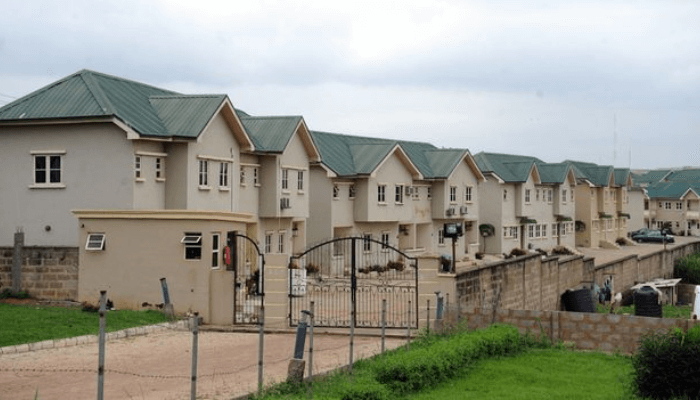
Nigeria’s housing crisis is no longer just a social challenge, but an economic emergency. With the Federal Government now directing the Federal Mortgage Bank of Nigeria (FMBN) to allocate at least 40 percent of yearly National Housing Fund (NHF) contributions to mortgage financing and increase yearly mortgage disbursements from about 500 to 2,000, the administration deserves credit for acknowledging that access to housing finance must improve. The proposed reforms on tenancy laws, developer regulation, construction quality, land administration and housing data also suggest that the government is beginning to appreciate the complexity of the problem.
Indeed, Nigerians have become increasingly sceptical whenever the government responds to deep structural challenges by announcing larger financial commitments. Experience has taught citizens that simply injecting more money into a broken system rarely fixes the underlying problem. It may ease the pain temporarily, but it often leaves the disease untreated. Housing is perhaps the best example of this recurring policy mistake, as the latest official estimate places Nigeria’s housing deficit at about 14.9 million units, while millions more Nigerians live in substandard housing. Industry stakeholders argue that the effective housing shortage is significantly higher. Regardless of which figure is accepted, the reality remains unchanged that the nation is building far fewer homes than its rapidly growing population requires.