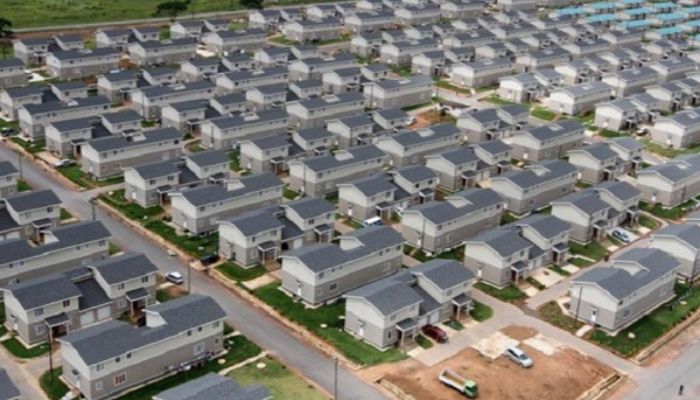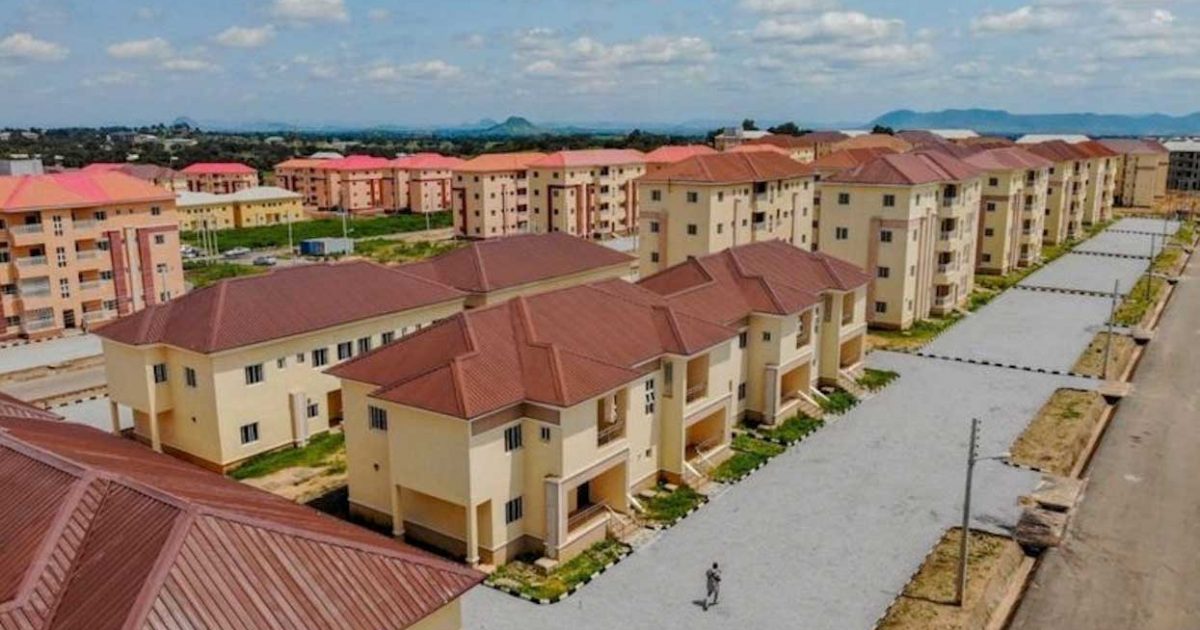
The authorities could do more to meet the housing needs of the people
Labour impact assessment studies in countries with similar demographics and economies as Nigeria estimate that no fewer than five direct jobs can be generated with every new home, and two indirect jobs in housing-related expenditure. At present, the federal government runs housing initiatives like the Renewed Hope Housing and the National Housing Programmes. Beyond the job prospects, public housing accounts for less than 10 per cent as most depend on the informal sector for their housing needs. But even when mass housing projects can be part solution to unemployment while meeting the residential needs of many, experts do not believe that the current approach by the Federal Housing Authority (FHA) will produce the desired results.
Created under the National Development Plan in 1973, the FHA is essentially mandated to coordinate, drive, and execute government housing agenda to the low, medium, and high-income groups. Over the years, FHA has been able to deliver thousands of housing units across the nation, despite obvious challenges. However, what is worrying is that many of its old estates are in bad shape: they are ill-kept. Many are increasingly falling into slums. The issue is not only about standards but poor conception, as well as the manner in which the houses were allocated in the past, and whether the current approach could not be different.