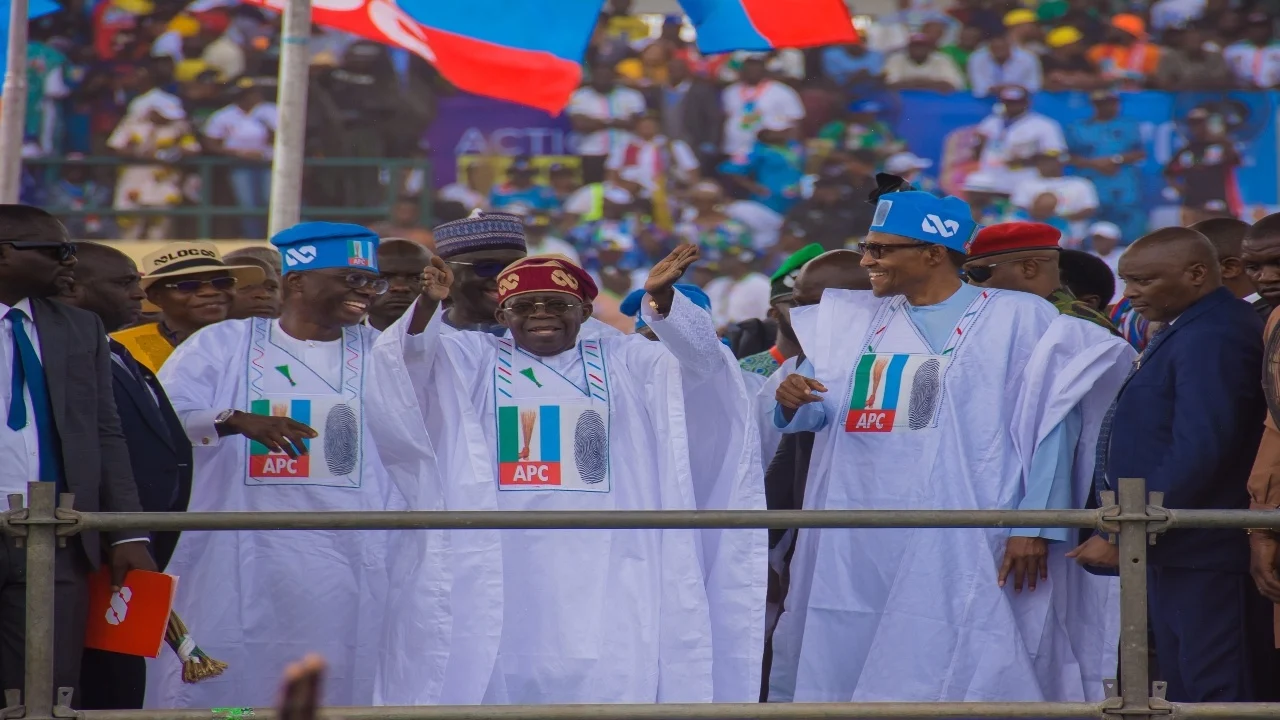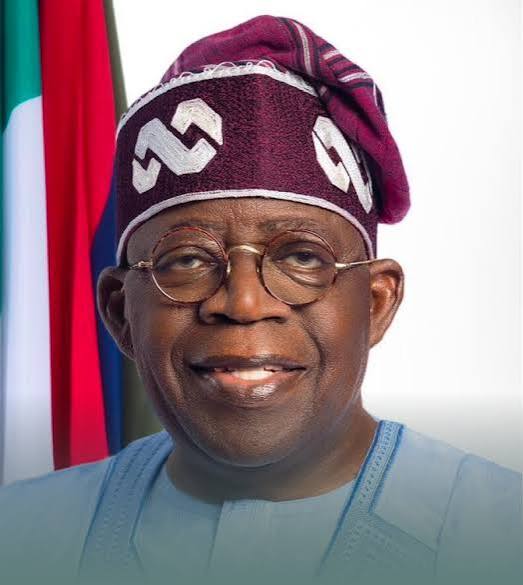
Nigerian president Bola Tinubu signed an executive order in mid-2026 aimed at harmonising the country’s oversight of the digital economy. The press statement said the order was responding “to a regulatory environment that has become fragmented as virtual assets increasingly blur the traditional boundaries between currencies, money, commodities and securities”. Iwa Salami, a professor of financial law and regulation, examines whether the executive order plugs the gaps in Nigeria’s crypto-asset regulation.
What are virtual assets and why are they important?
Virtual assets are digital representations of value that can be transferred, stored or traded electronically using distributed ledger technology or blockchain.
They include crypto-assets such as Bitcoin and Ether, stablecoins, tokenised securities and other digital tokens. Crypto-assets, especially stablecoins, are increasingly used for payments, remittances and settlement.
They are easy to access relative to cash, foreign currency and bank services. You can buy them directly from a crypto-asset exchange by signing up, verifying your identity and depositing fiat (national) currency. For example stablecoins move value across African borders faster and more cheaply than conventional methods.