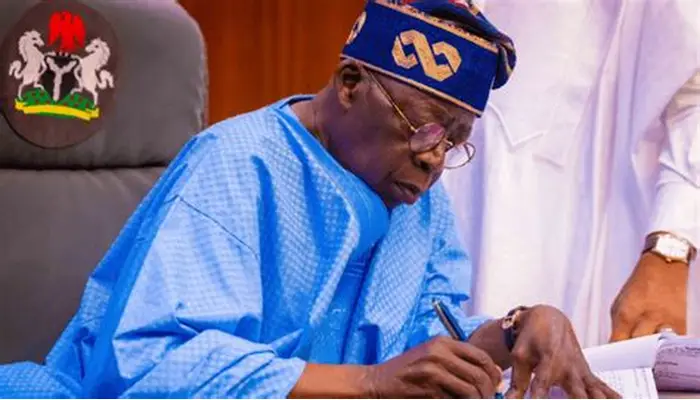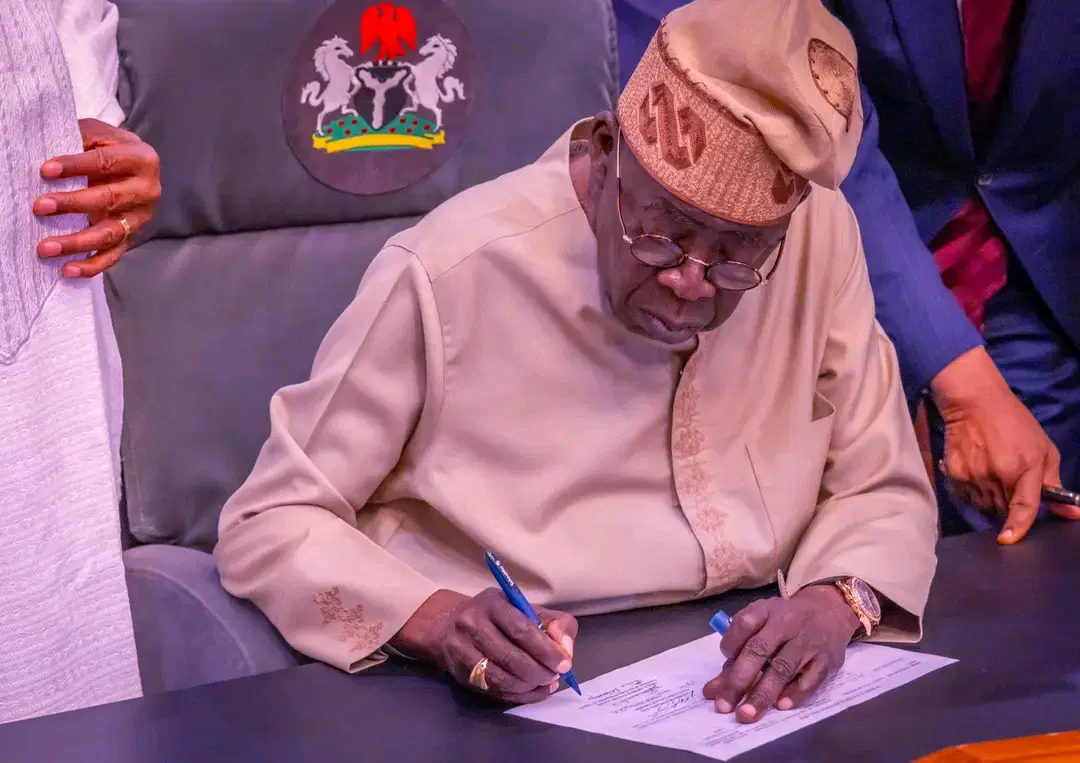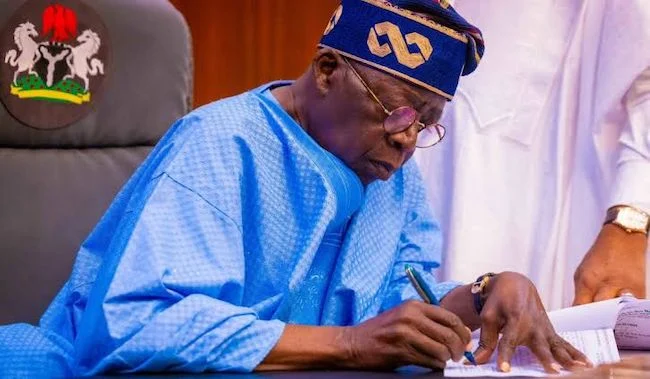
Nigeria has more crypto users than almost anywhere else on earth, and until now, its regulatory framework has been held together mostly by good intentions and overlapping bureaucracy. That changes, at least on paper, after President Bola Tinubu signed the Presidential Executive Order on Virtual Assets Coordination on July 17, 2026, creating a formal council to govern the sector.
The order establishes a Virtual Asset Council chaired by the Central Bank of Nigeria, with the Nigeria Revenue Service and the Securities and Exchange Commission among its supporting members. The council has 30 days from the signing date to produce a harmonized implementation framework covering the full virtual assets landscape.
What the order actually does
The executive order does not create a new standalone regulator or strip any existing agency of its statutory powers. Responsibilities are split along a familiar financial logic. The SEC takes charge of securities-related virtual asset activities, while the CBN handles non-securities services, which covers most of the payment and transfer activity that dominates everyday crypto use in Nigeria.
The order also calls for a regulatory sandbox, a controlled environment where new products and services can be tested under regulatory supervision without immediately triggering the full weight of compliance requirements. A Virtual Assets White Paper and a dedicated tax policy from the Nigeria Revenue Service are also on the agenda.