If well implemented, Nigeria could define what credible virtual asset supervision looks like in a large emerging market, argues TOPE FASORANTI
For a country whose central bank once drew a firm line between the banking system and the world of cryptocurrency, Nigeria has travelled a remarkable distance. In the span of five years, the nation has moved from restriction to measured engagement, and now to an attempt at coordinated governance of one of the era’s most consequential financial innovations. How well that attempt succeeds will matter to millions of Nigerians who already hold, trade and transact in digital assets.
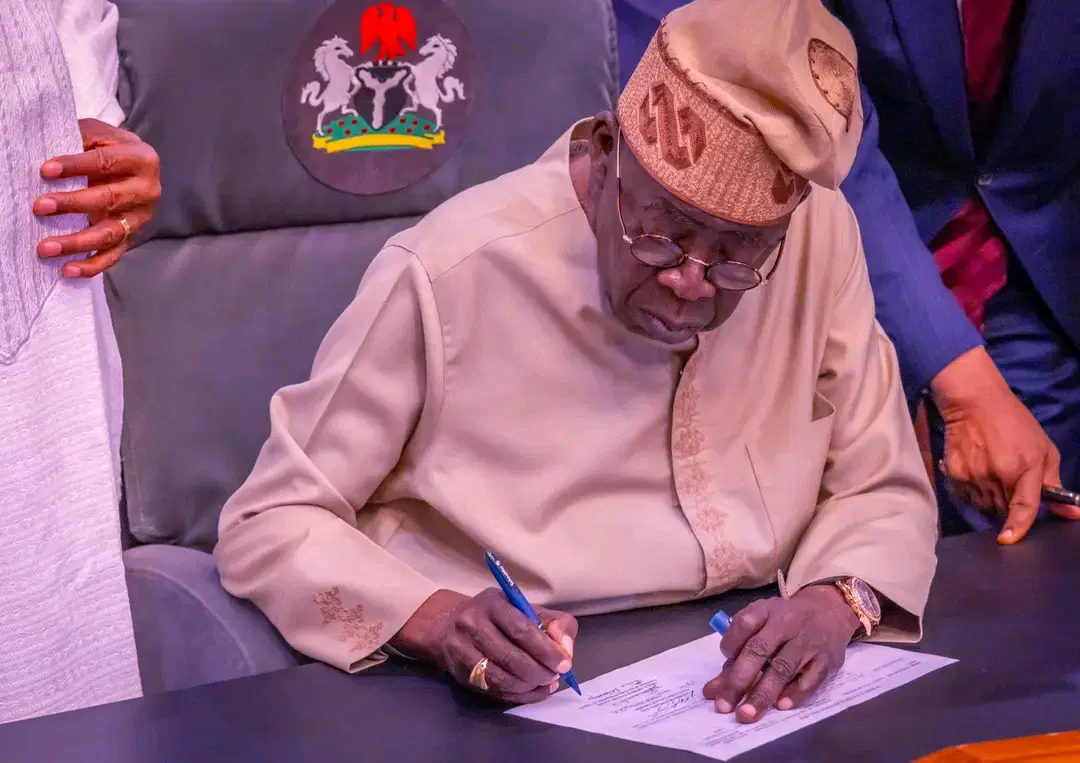
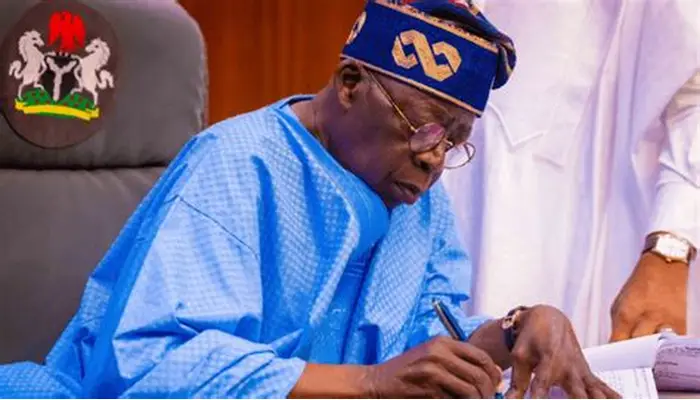
On 17 July 2026, President Bola Ahmed Tinubu signed the Presidential Executive Order on Virtual Assets Coordination, 2026, establishing a Virtual Asset Council to harmonise the oversight of digital assets across the country’s financial, revenue, capital markets and security institutions. Issued pursuant to Section 5 of the 1999 Constitution and effective immediately, the Order marks a clear shift. Nigeria has stopped treating virtual assets as a phenomenon at the margins of its financial system and has begun treating them as an economic reality that must be governed. The significance lies not in the acceptance of virtual assets, which the market had already made inevitable, but in the attempt to replace fragmented supervision with a coherent system.