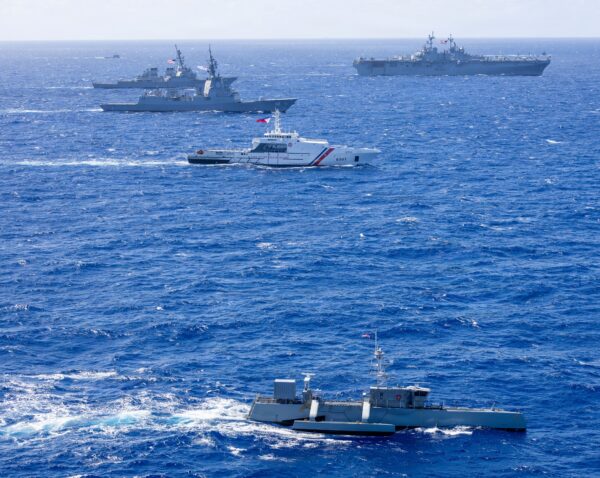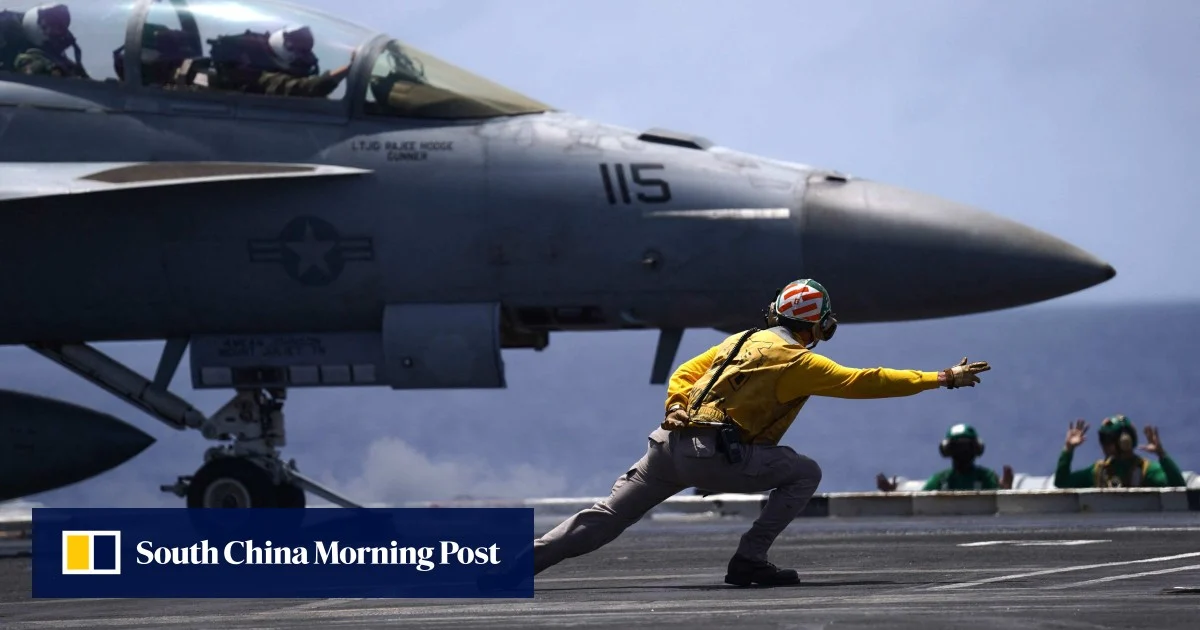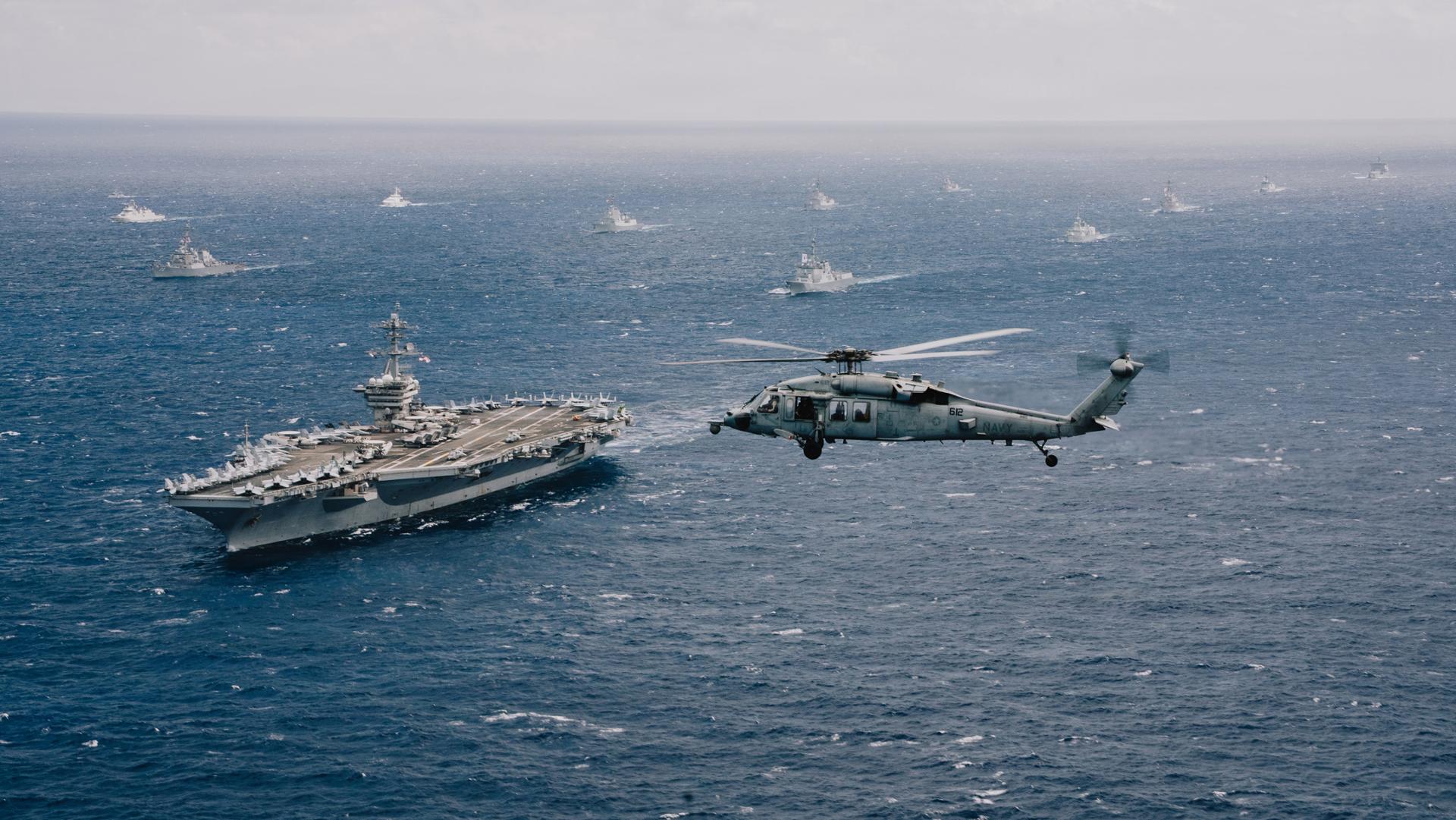
MELBOURNE — It may be more well known as a multinational high-end warfighting exercise, but this year’s Rim of the Pacific (RIMPAC) exercise was also expected to serve as a vast, complex test bed for cutting edge American military tech.
Approximately 40 experimentation initiatives were expected to be completed by the time RIMPAC came to an end last month, all part of the Fleet Experimentation (FLEX) program, with each having a sponsor from the Department of War or Department of the Navy.
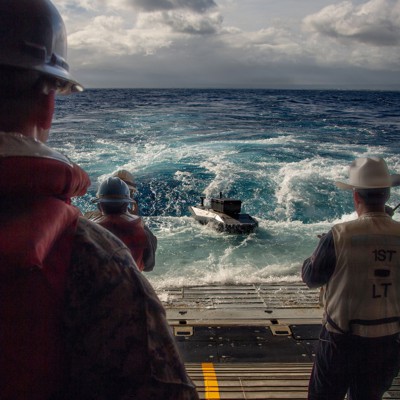
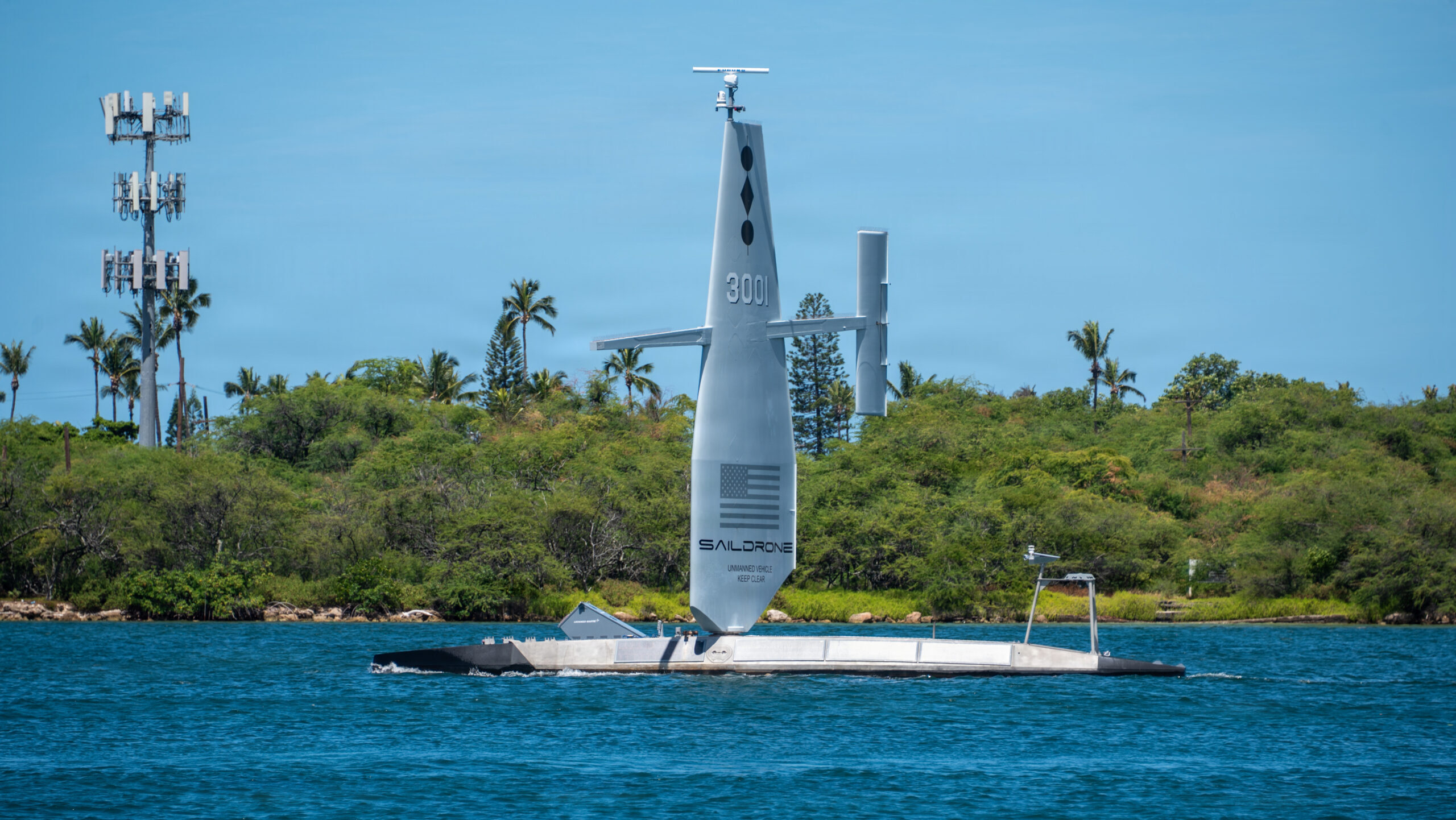
These experiments were to include “the largest advanced manufacturing demonstration ever conducted by the U.S. Department of War” as well as an armed unmanned surface vessel launching missiles against a surface target, according to the US Navy’s Naval Postgraduate School.
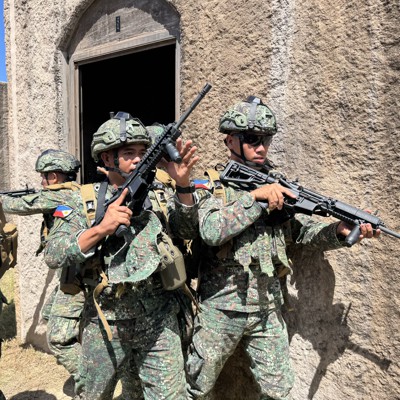
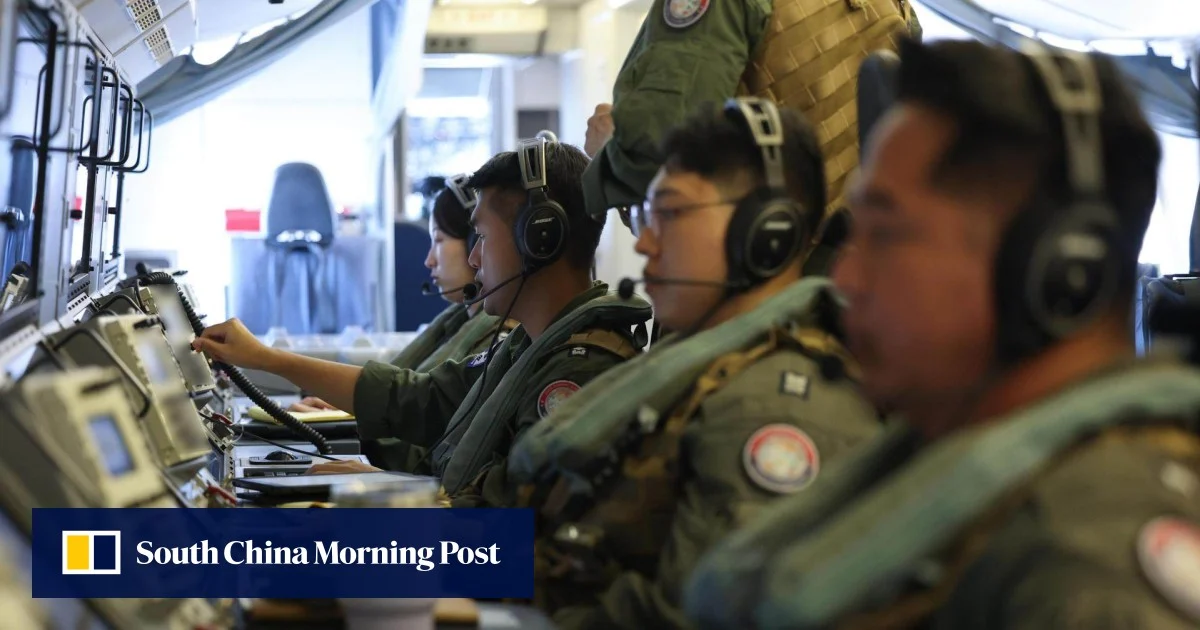
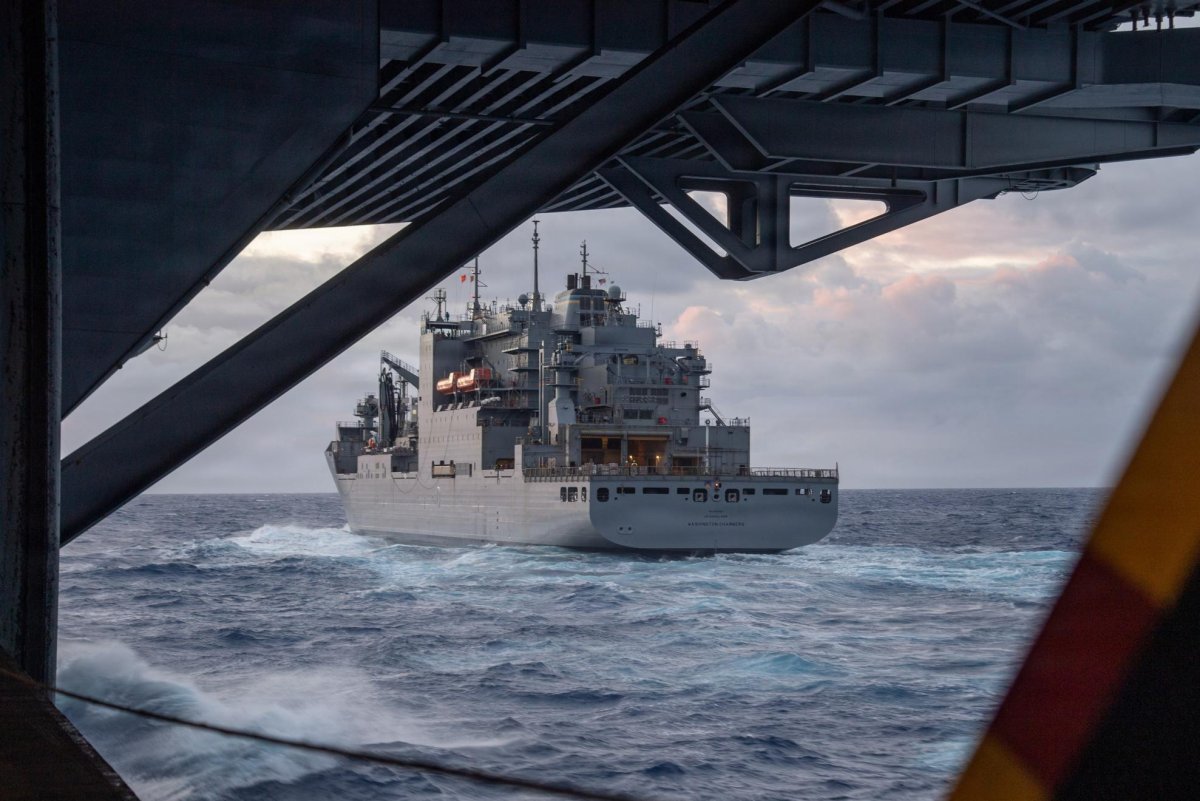
The RIMPAC exercise, which began June 24, took place in and around the Hawaiian Islands and saw 30 nations take part with 30 surface ships, five submarines, more than nearly 200 aircraft and more than 30,000 personnel, according to figures provided by the Navy on Friday.
As the exercise was underway began, Rear Adm. Suzanne M. Bailey, deputy commander of the US 3rd Fleet and the commander of the RIMPAC Combined Exercise Control Group, said that the exercise is the premier venue for fleet experimentation.