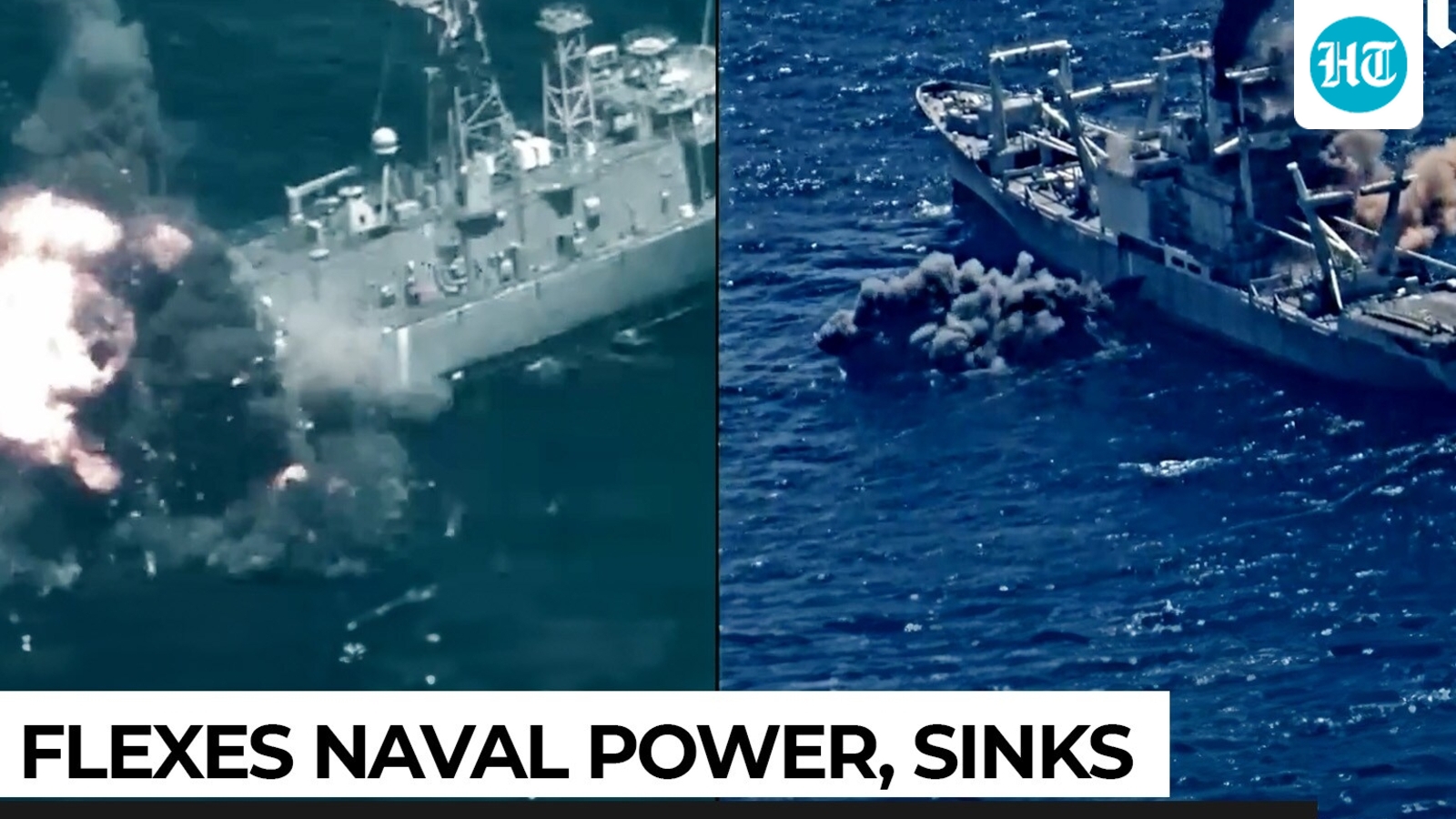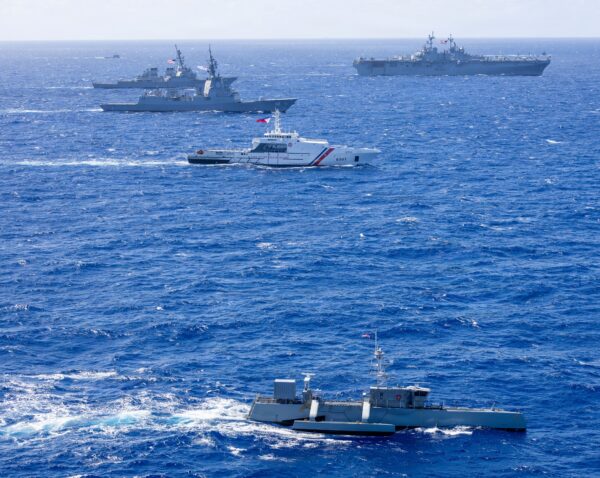
The biennial Rim of the Pacific Exercise, or RIMPAC, is one of the most important military exercises in the Indo-Pacific. This year’s theme, “Partners: Integrated and Prepared,” highlights the central purpose of the U.S.-led exercise: strengthening collective defense and multinational operational coordination across the region.
More specifically, RIMPAC is designed to integrate the operational mechanisms, command procedures, and military systems of the United States and its allies and partners. RIMPAC 2026, which started on June 24 and will conclude on July 31, reflects several important strategic concepts.
Strengthening Undersea Warfare
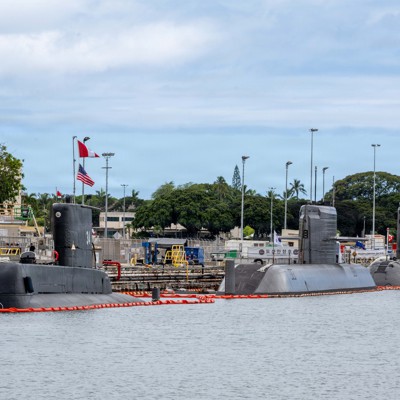
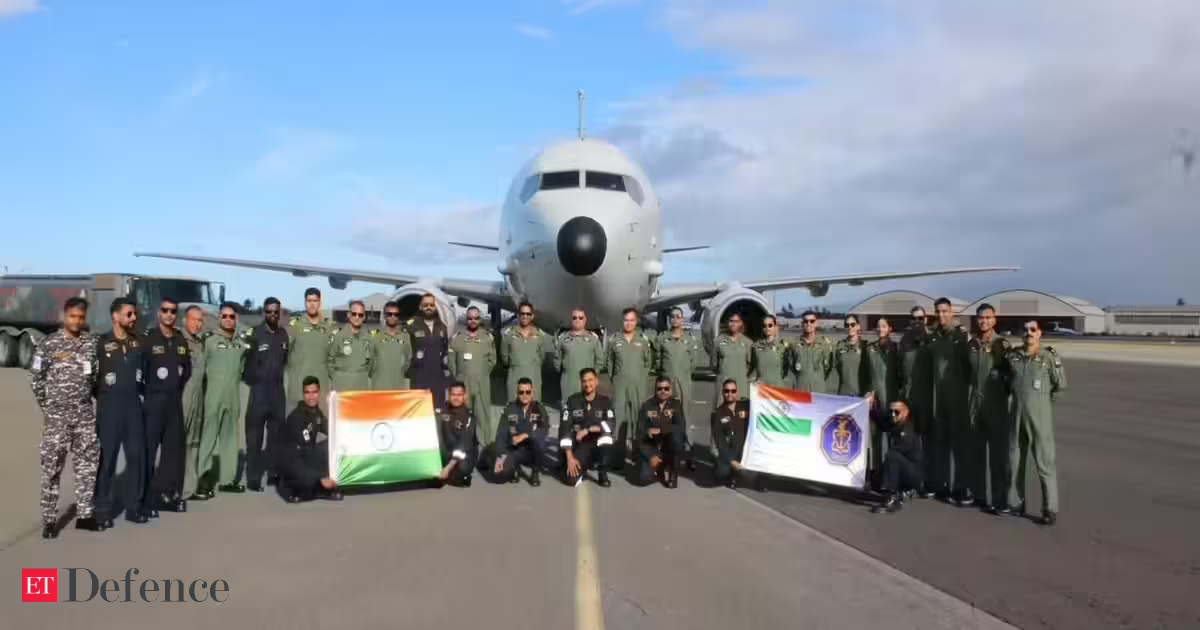
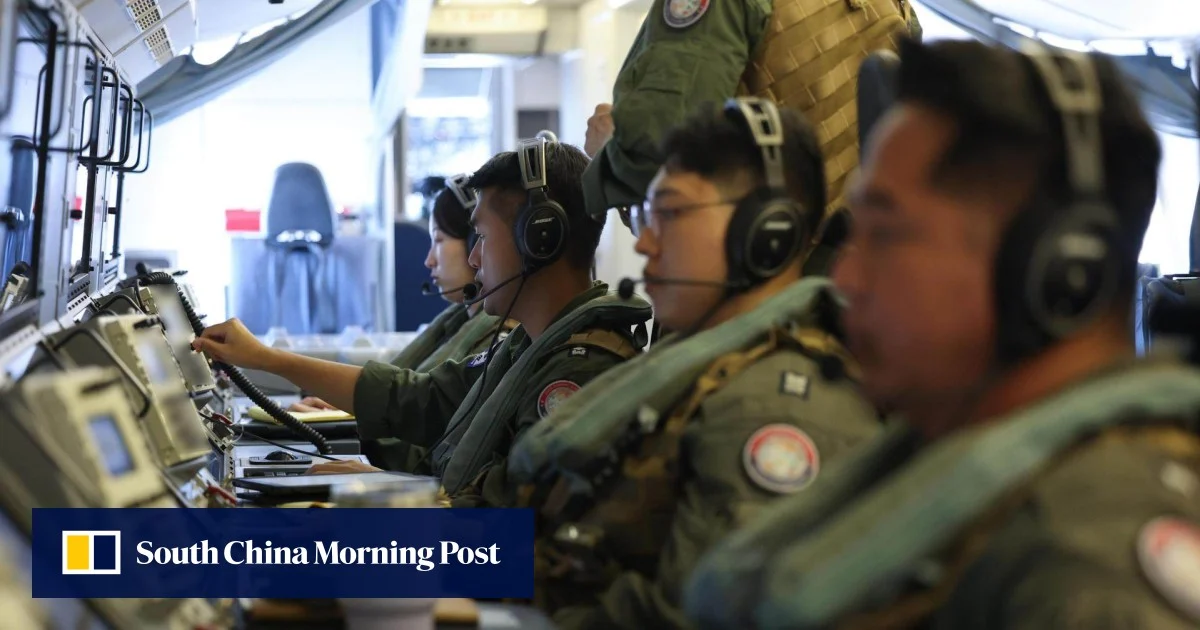
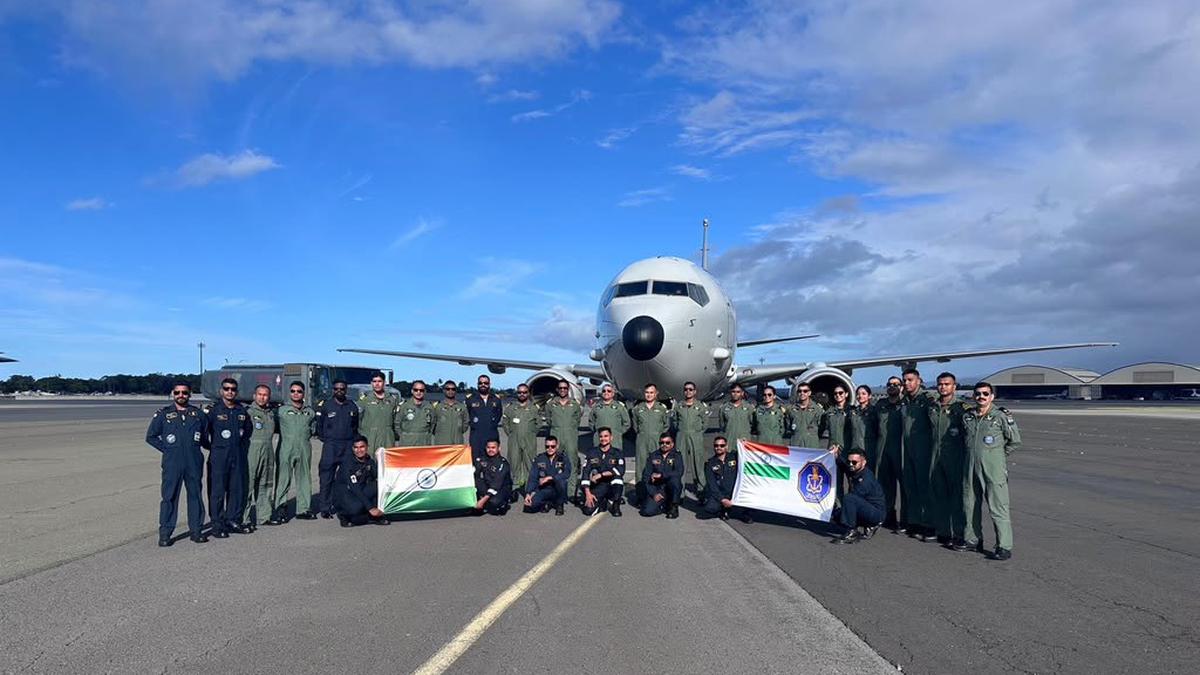
One of the most important features of this year’s RIMPAC is the emphasis on submarines and anti-submarine warfare aircraft. This reflects growing concern over the expanding carrier and undersea capabilities of the People’s Liberation Army Navy (PLAN).
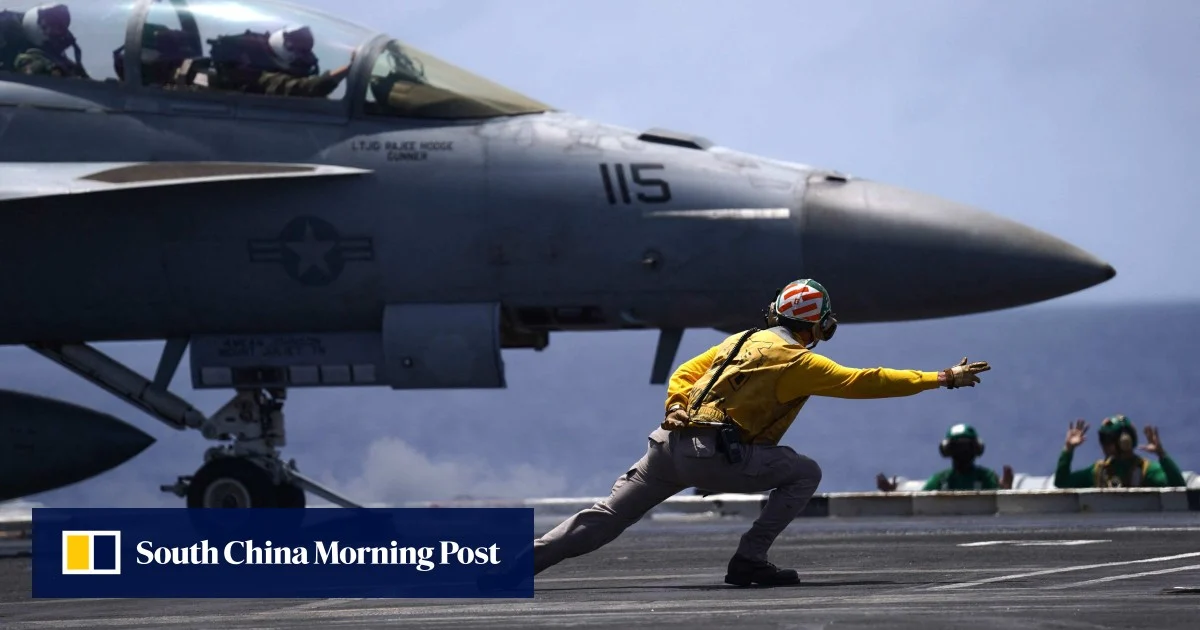
Since the previous RIMPAC in 2024, China’s aircraft carrier development and operations have drawn increasing international attention. In addition to conducting more frequent maritime exercises in the Western Pacific, China has also introduced new carrier-related aircraft, including newer variants of the J-15 and the J-35. The Liaoning has carried out repeated takeoff and landing training in the East China Sea and the Western Pacific. In 2025, China’s two-carrier operations beyond the First Island Chain and deeper into the Pacific further heightened regional concern over the PLAN’s carrier capabilities. These developments naturally make China’s carrier strike groups a major focus as participating countries seek to integrate and coordinate their operational capabilities during RIMPAC.