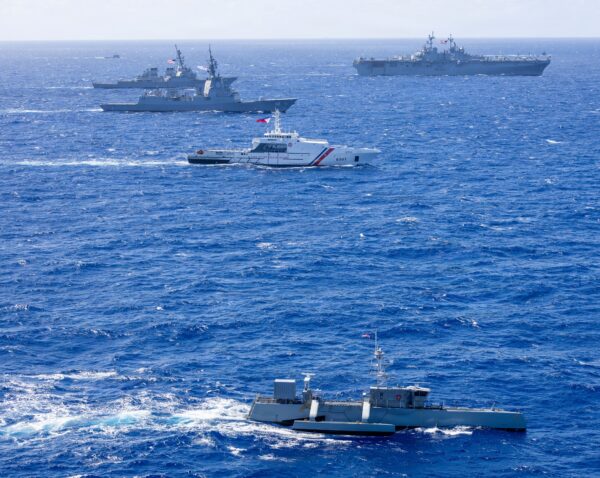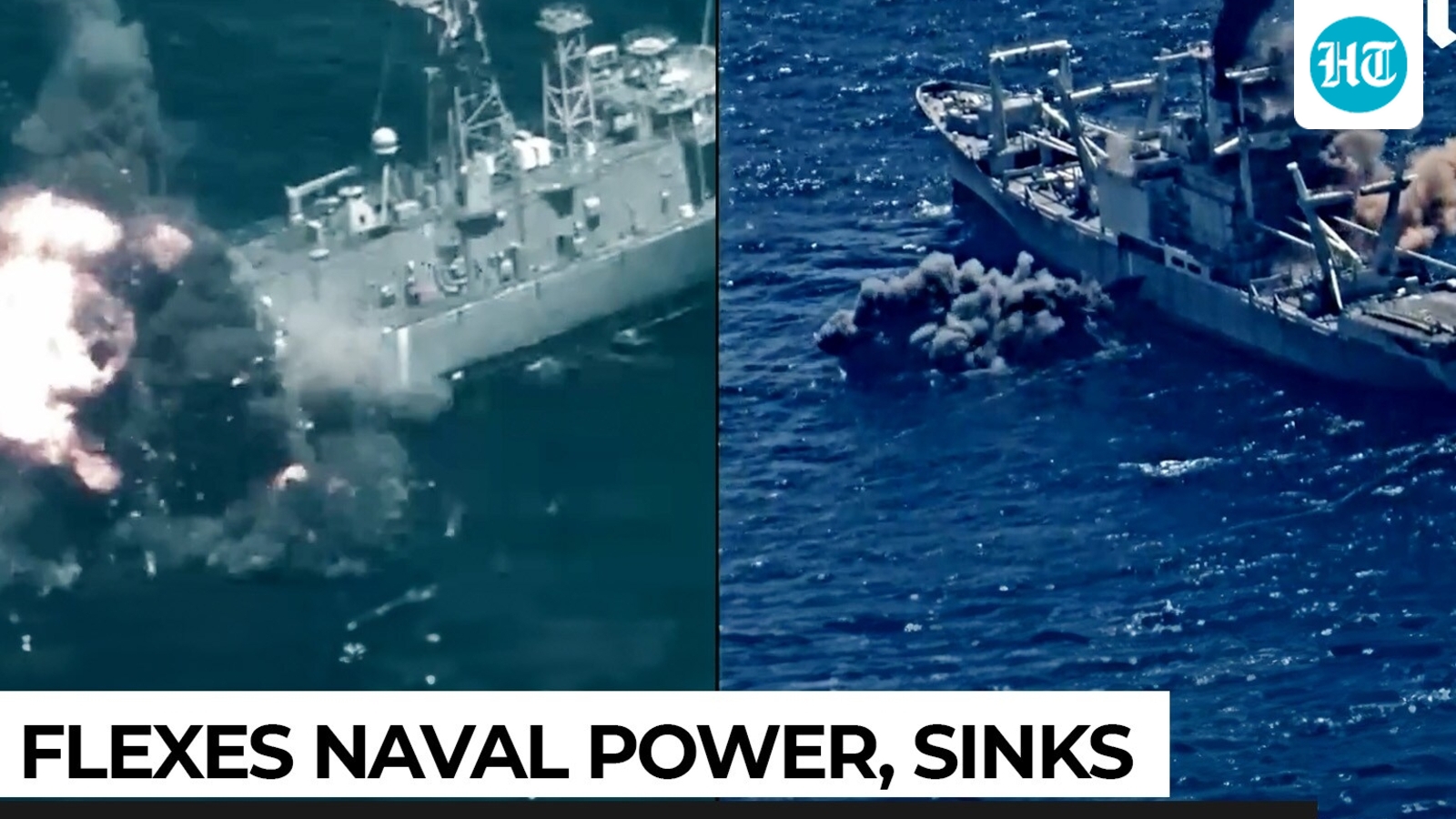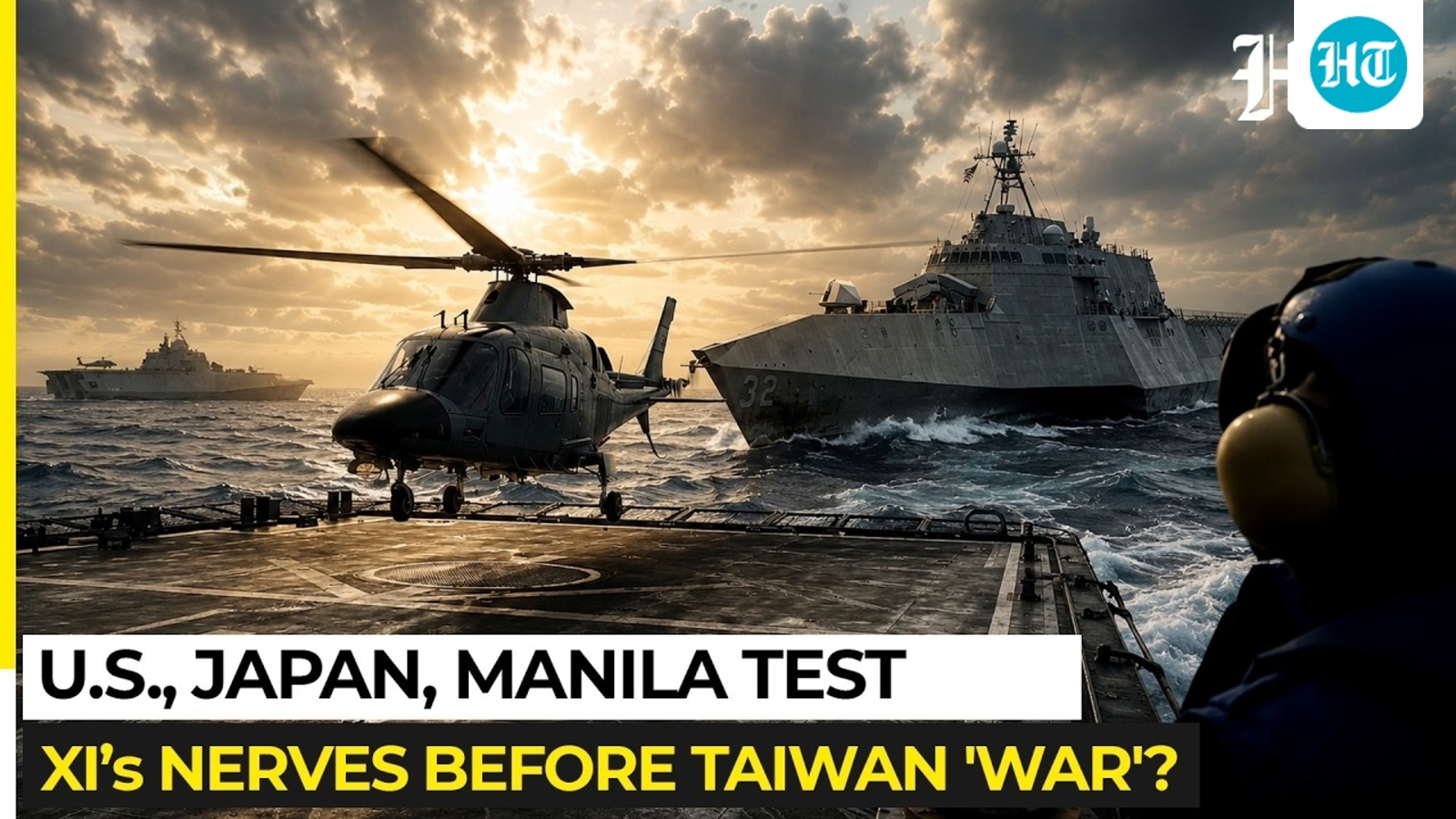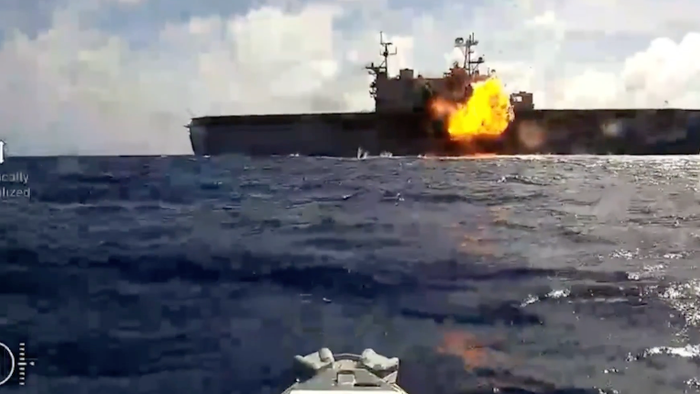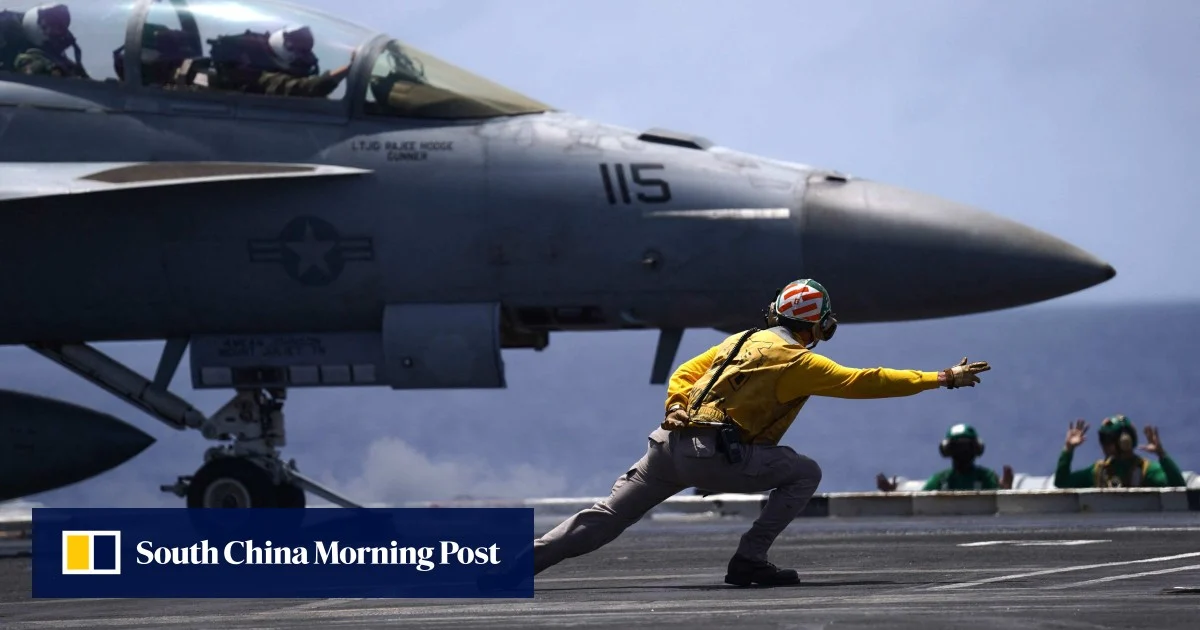
This year’s US-led Rim of the Pacific (Rimpac) military exercises around Hawaii displayed a higher level of integration of new technology in allied operations, with deterring Beijing in mind, experts said.From Japanese land-based anti-ship missiles to US attack submarines and exploding drone boats, allied forces linked troops on shore with aircraft, surface and undersea vessels to form a single network able to find, track and attack the same maritime target.The drills, which ran from June 24 to July 31 and are the world’s largest maritime exercises, involved forces from 30 nations but one of its most complex live-fire events brought together troops and weapons from six countries alongside the United States.Forces from Japan, South Korea, Australia, Canada, Chile and Spain joined the live-fire exercise, which included the sinking of two retired warships.The multinational forces fired at the former guided-missile cruiser USS Mobile Bay and the nearly 40,000-tonne amphibious assault ship USS Peleliu in separate live-fire events during the drills.A Spanish frigate fired a Harpoon at Peleliu, while US and Japanese ground forces took part in the exercise from the Pacific missile range facility at Barking Sands in Hawaii.
What does deeper tech integration during US-led Rimpac mean for China?
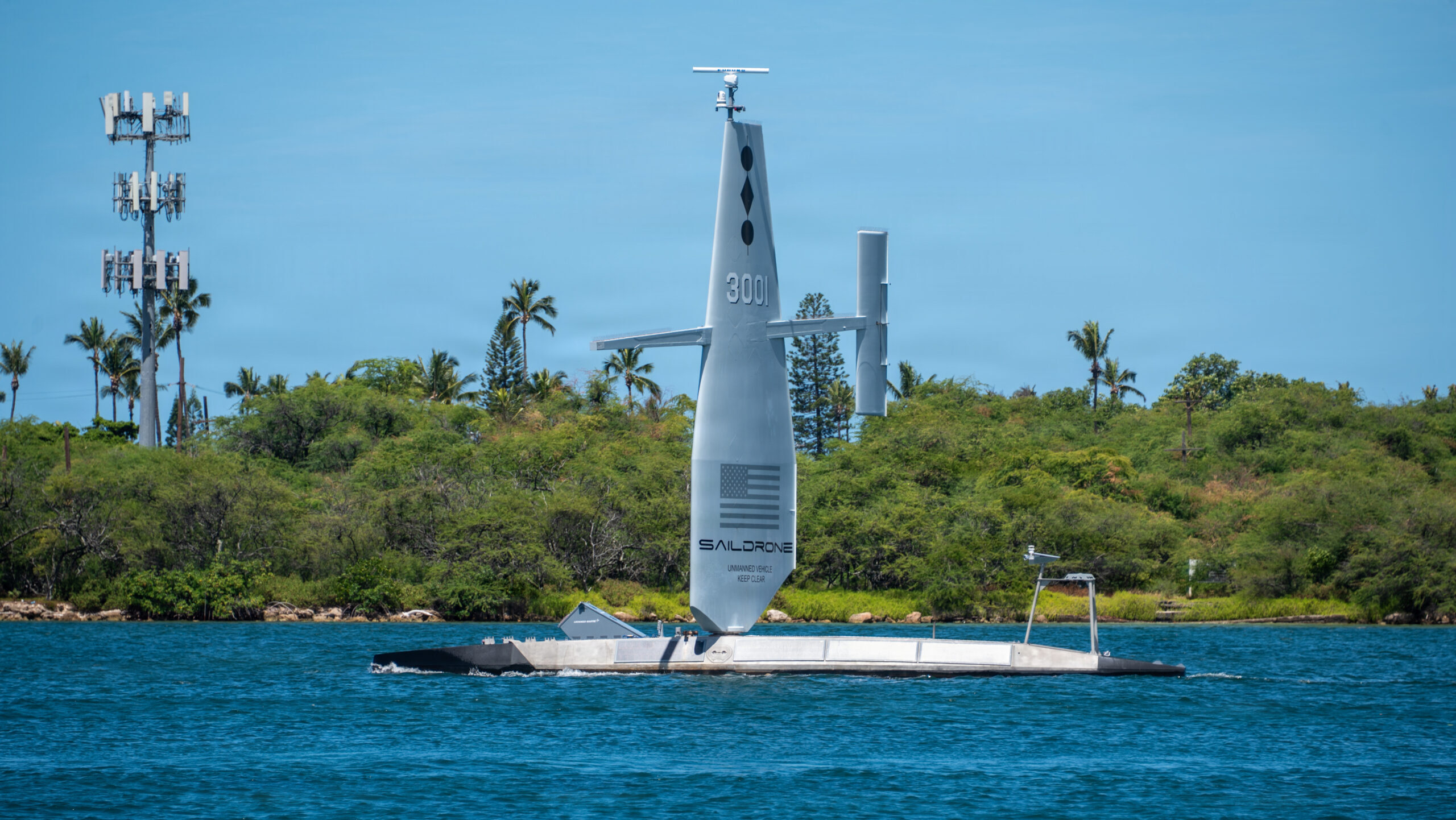
Forces from 30 countries joined the US military for the world’s largest maritime drills, with uncrewed systems playing an active role.
188 words~1 min read