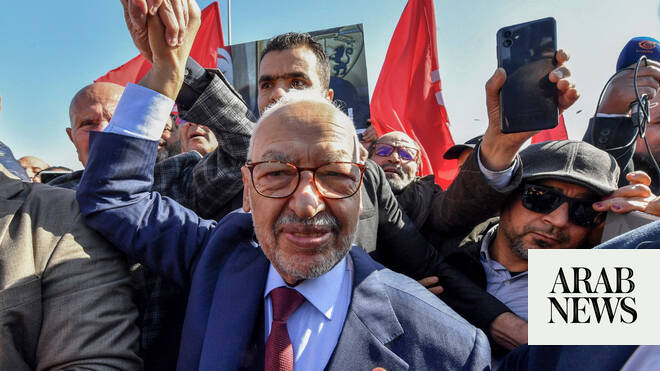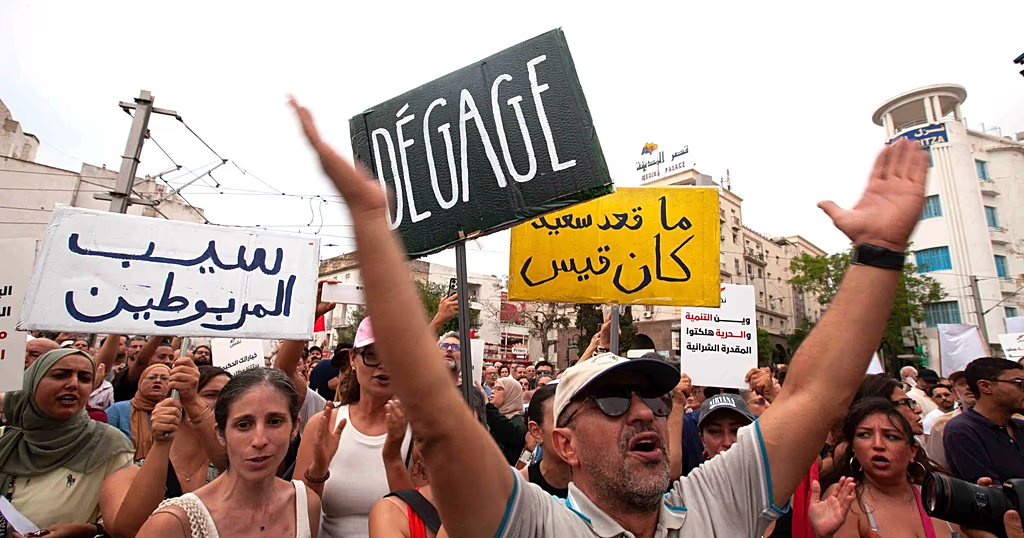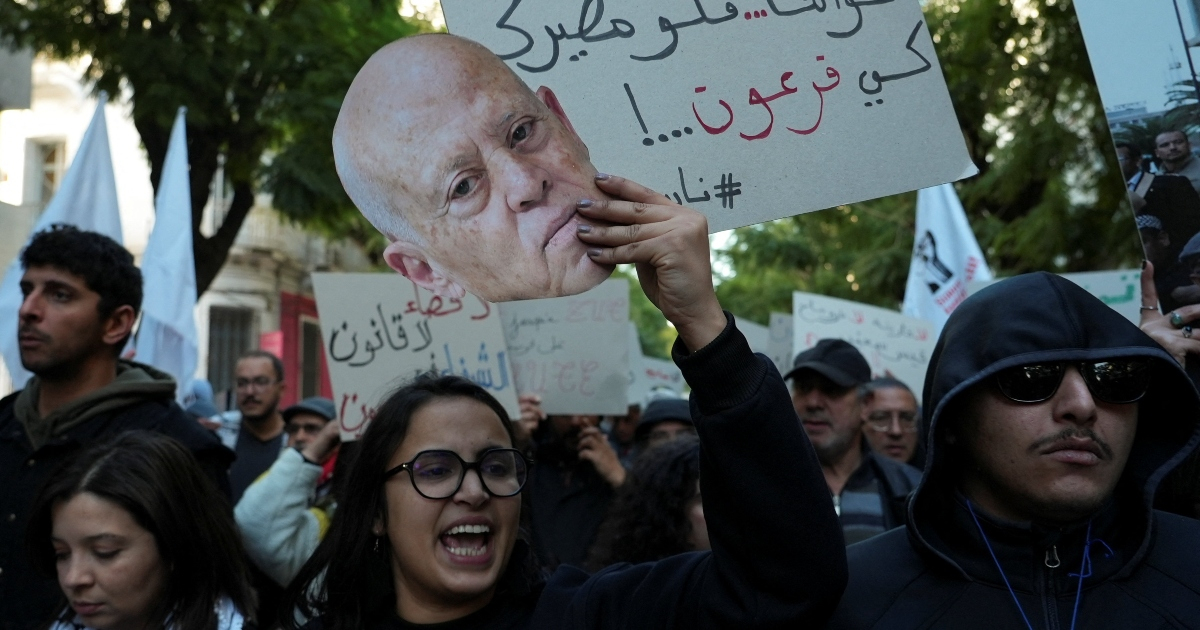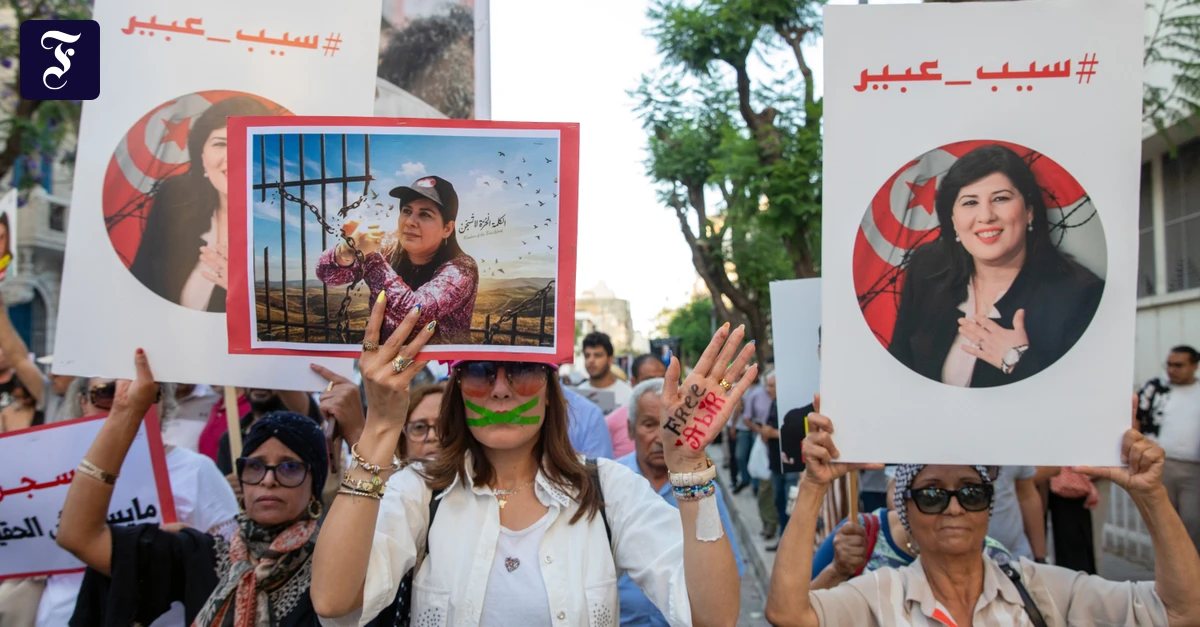
They've watched their leaders jailed, their offices closed and their movement repeatedly attacked.
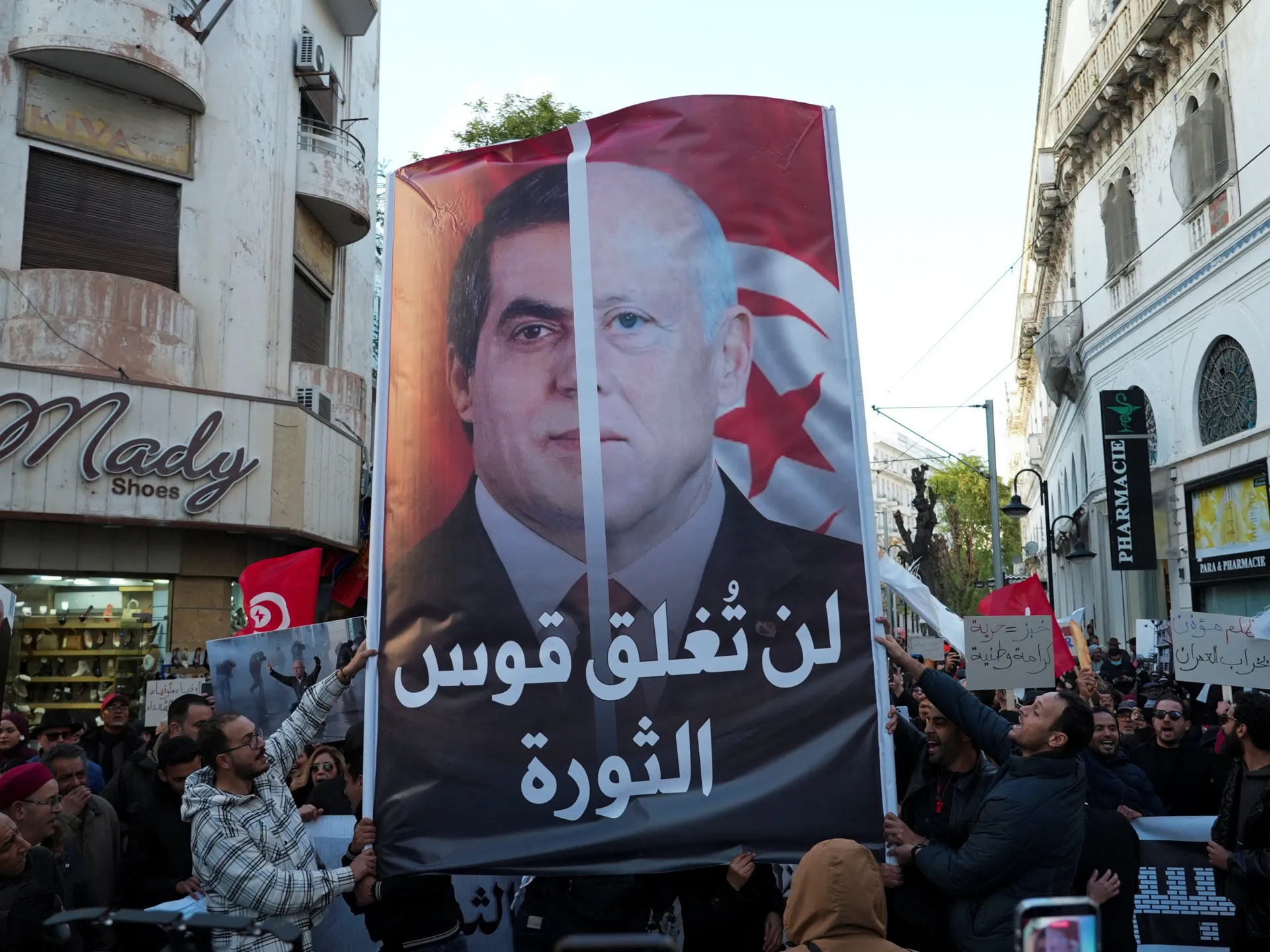
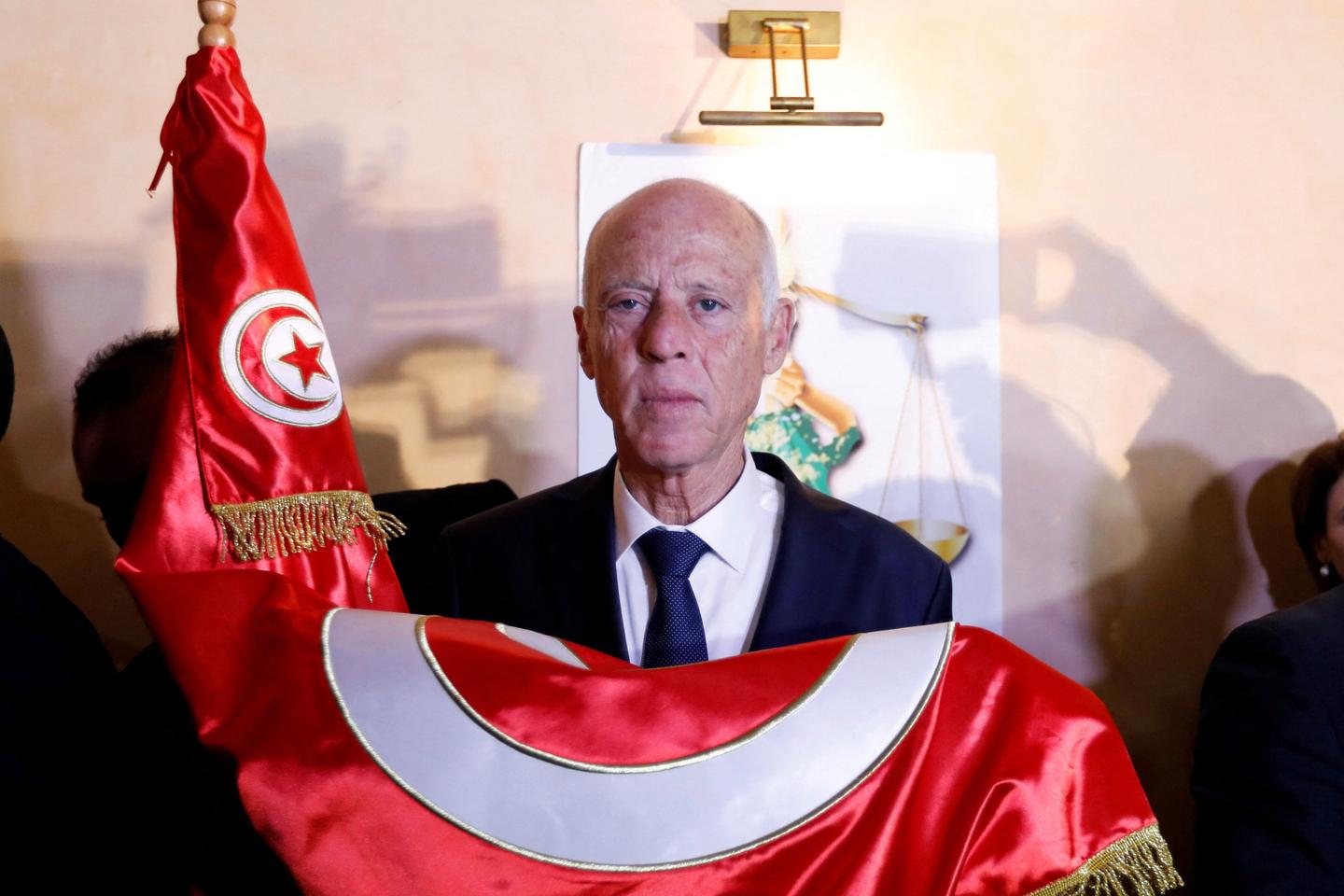
But five years after President Kais Saied seized sweeping powers and dismantled Tunisia's democratic institutions, supporters of Ennahda insist the country's largest Islamist movement is preparing to rise from the ashes.
Rather than seeing the past five years as the movement's final chapter, many of the group's younger members describe the crackdown as another episode in a history marked by imprisonment, exile and political persecution.
They say it has forced Ennahda to confront its mistakes, renew its leadership and prepare for a future beyond Saied's rule.
"The idea that Ennahda has been defeated and that Tunisians no longer want Islamic parties is simply not true," said Ahmed, a 23-year-old resident of Ettadhamen, a working-class suburb of Tunis with a long history of support for Islamist movements.