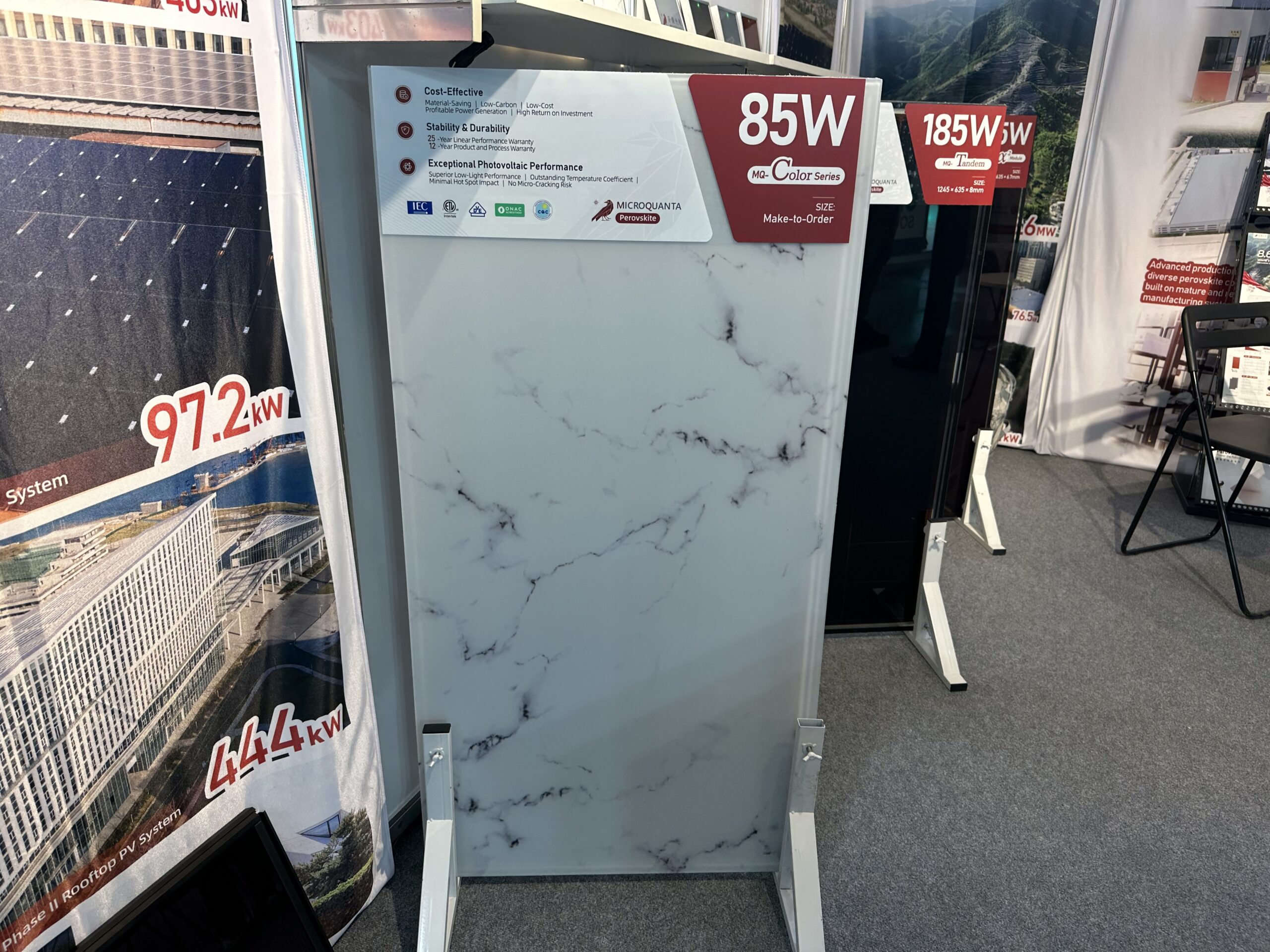
In a new monthly column for pv magazine, the Becquerel Institute explains that a number of photovoltaic façade products are recently being marketed as “non-combustible” under EN 13501-1. These claims are causing confusion in the construction sector and controversy among European manufacturers, raising the questions: what do these classifications actually certify, and can a conventional BIPV module meet them at all?
Fire safety, a key topic for BIPV
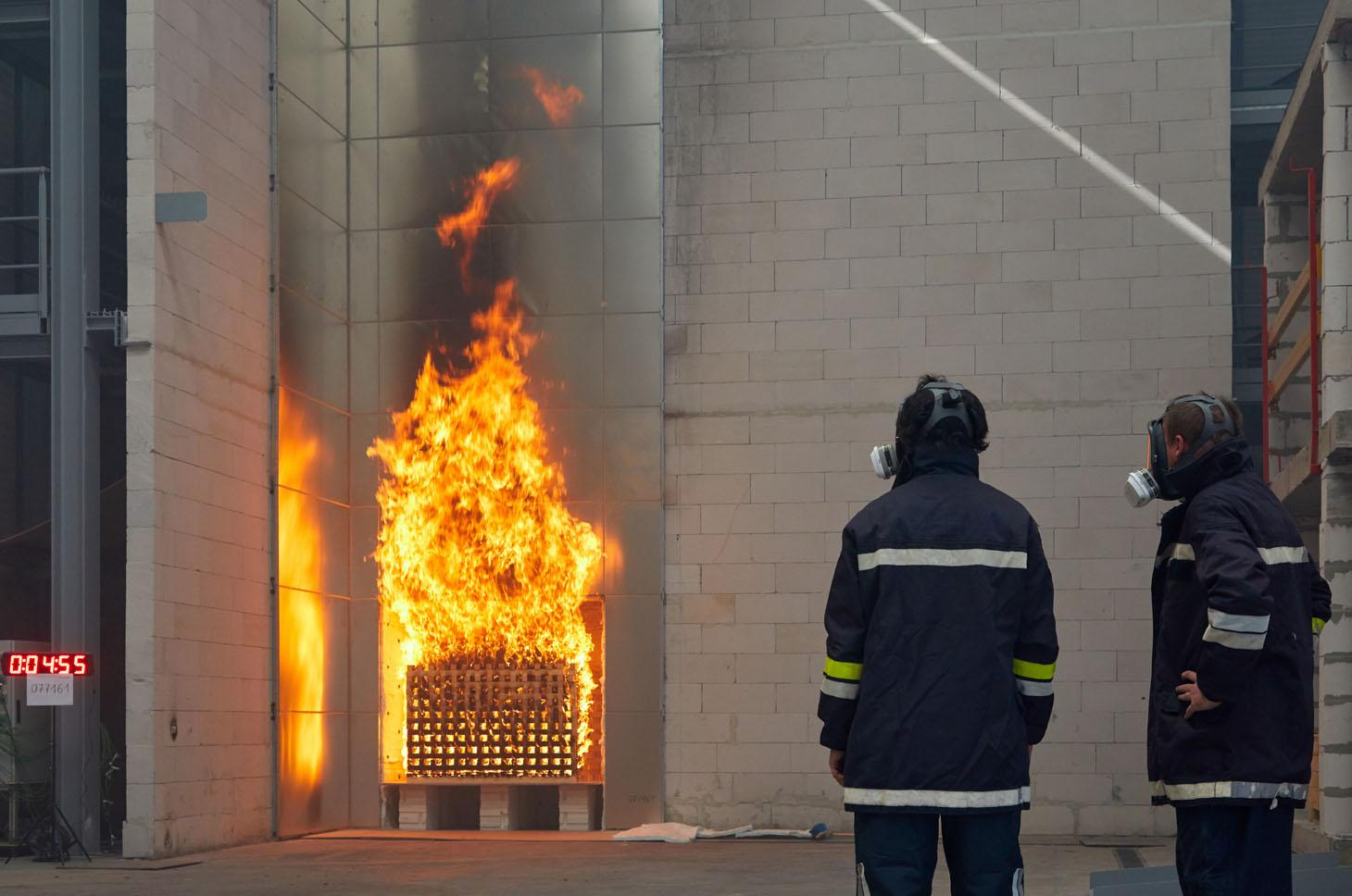
Few topics have reshaped European construction over the past decade as sharply as the fire performance of building façades. High-profile fires such as Grenfell Tower in London and, more recently, the Campanar tower in Valencia have pushed the reaction to fire of external wall materials (and the certificates that vouch for them) to the centre of the conversation. For high-rise buildings in particular, the direct consequences have been clear: careful selection of envelope materials and system design, more demanding classifications, and an ongoing revision of standards and testing methods in Europe.
Building-integrated photovoltaics (BIPV) arrives directly into this tightening environment. BIPV manufacturers are increasingly aiming for the highest reaction-to-fire classes. Recently, controversy has emerged as certain products (in several cases reaching the European market from other regions) are marketed with a “Class A” fire reaction classification, the “non-combustible” grade many countries now demand on high-rise façades. In the European context, referring to “Class A” without stating the reference standard used to achieve it creates confusion, because “non-combustible” performance under the European reaction-to-fire classification EN 13501-1 is genuinely challenging for a BIPV system, and there are well-founded doubts about its feasibility given the polymer content every module contains.