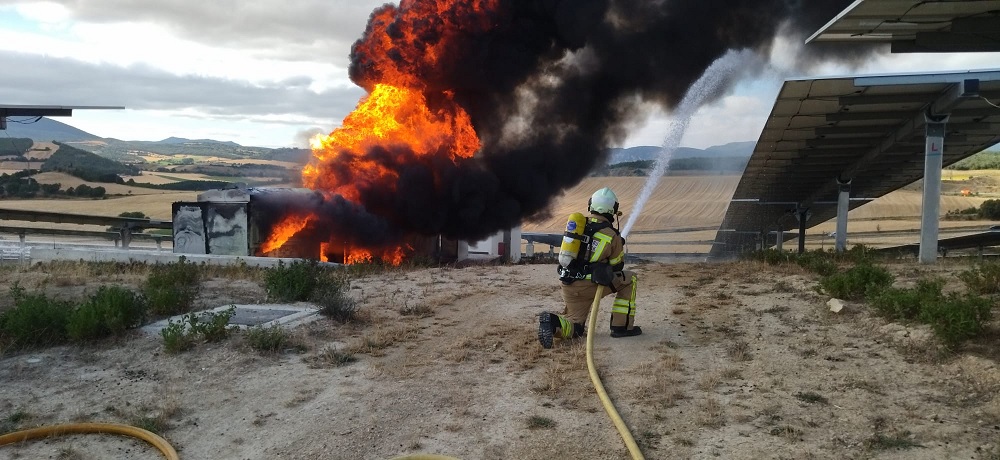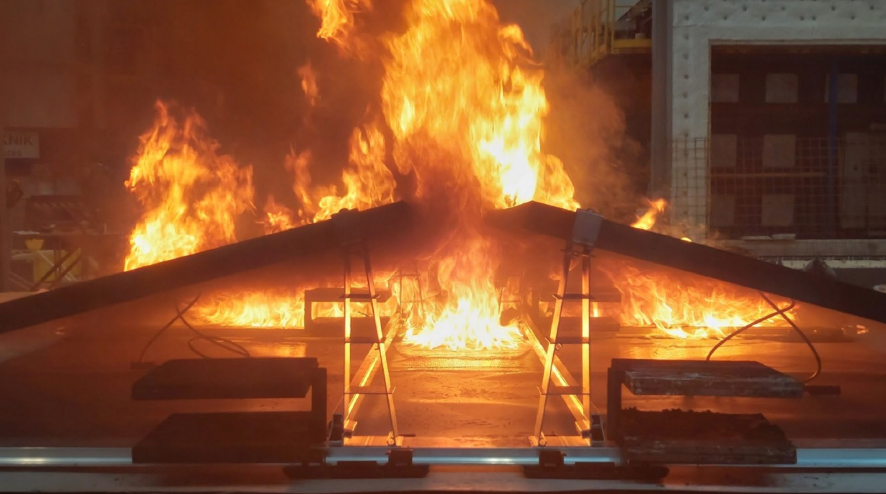
An international study analyzed PV-related fires across the UK, Italy, Slovenia, and Sweden, showing that differences in reported fire rates are largely driven by national data collection methods and definitions. The researchers found that PV fires remain relatively rare, with data revealing that DC cables and connectors are the most common ignition sources.
An international research team led by the Slovenian National Building and Civil Engineering Institute (ZAG) has conducted an extensive review of all PV-related fires requiring firefighter intervention across the UK, Italy, Slovenia and Sweden and have found the diversity in results depends mostly on the respective reporting methodology.
“The harmonization of parameters and their terminology required in the reports that are filled by the firefighters after incidents would be extremely beneficial when thinking about cross-country comparisons,” corresponding author Nik Rus told pv magazine. “This would enable a much better comparison and also point out where the lacking safety levels might require prompter interventions.”
“Any regulations, building codes or fire safety requirements should definitely be data-based, especially given recent conflicting reports in the PV field,” he went on to say. “For instance, some safety components shut-off switches, which are theoretically designed and installed to improve the safety of PV systems, have, over the years, become one of the more common causes of failures that then evolve into ignition sources capable of leading to a fire. Such solutions not only harm the systems in which they are installed, but also distort the perception of broader efforts to improve the safety of PV systems.”