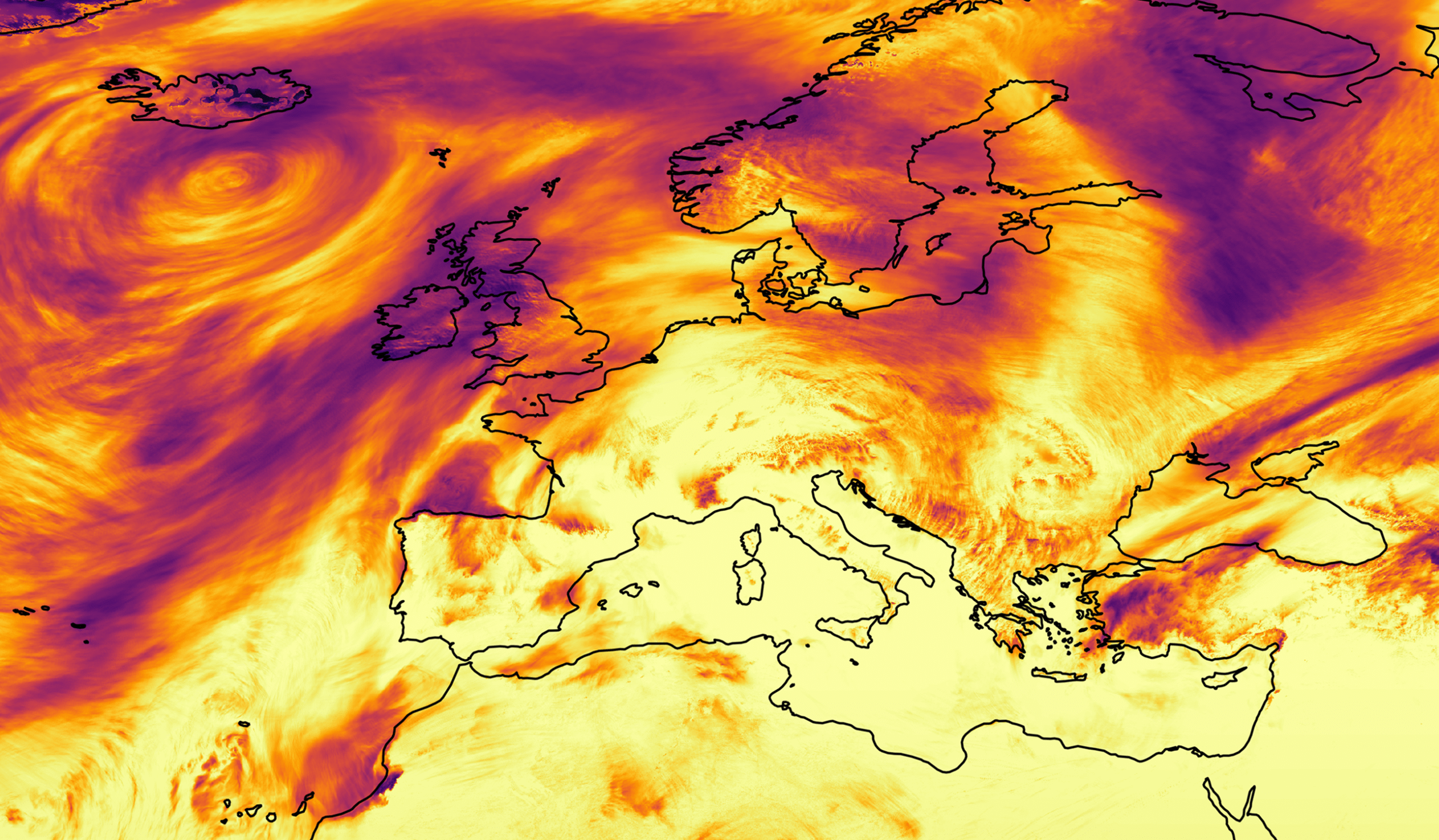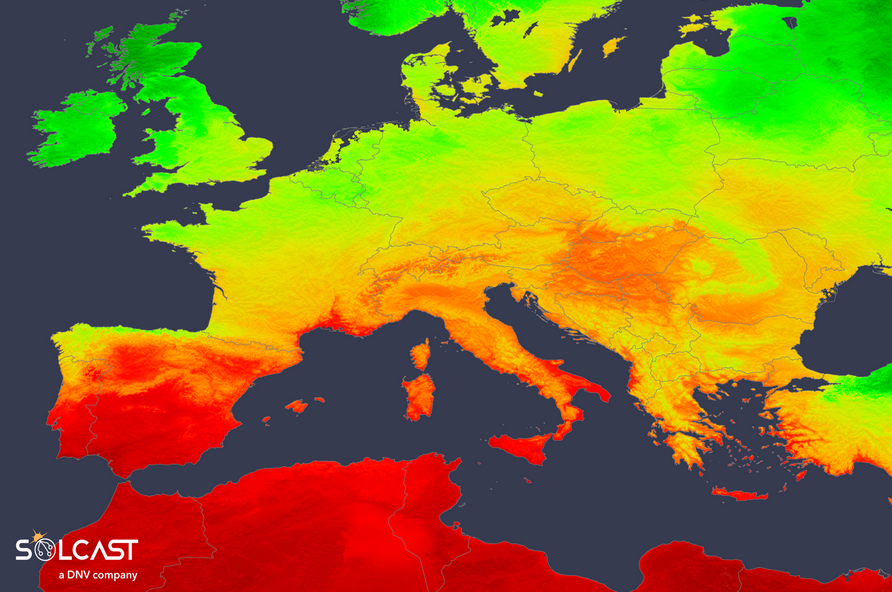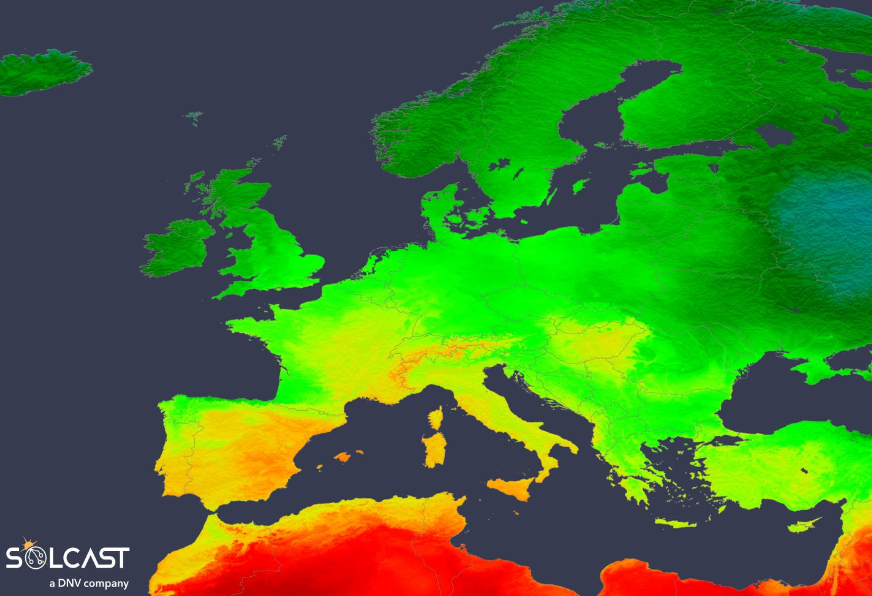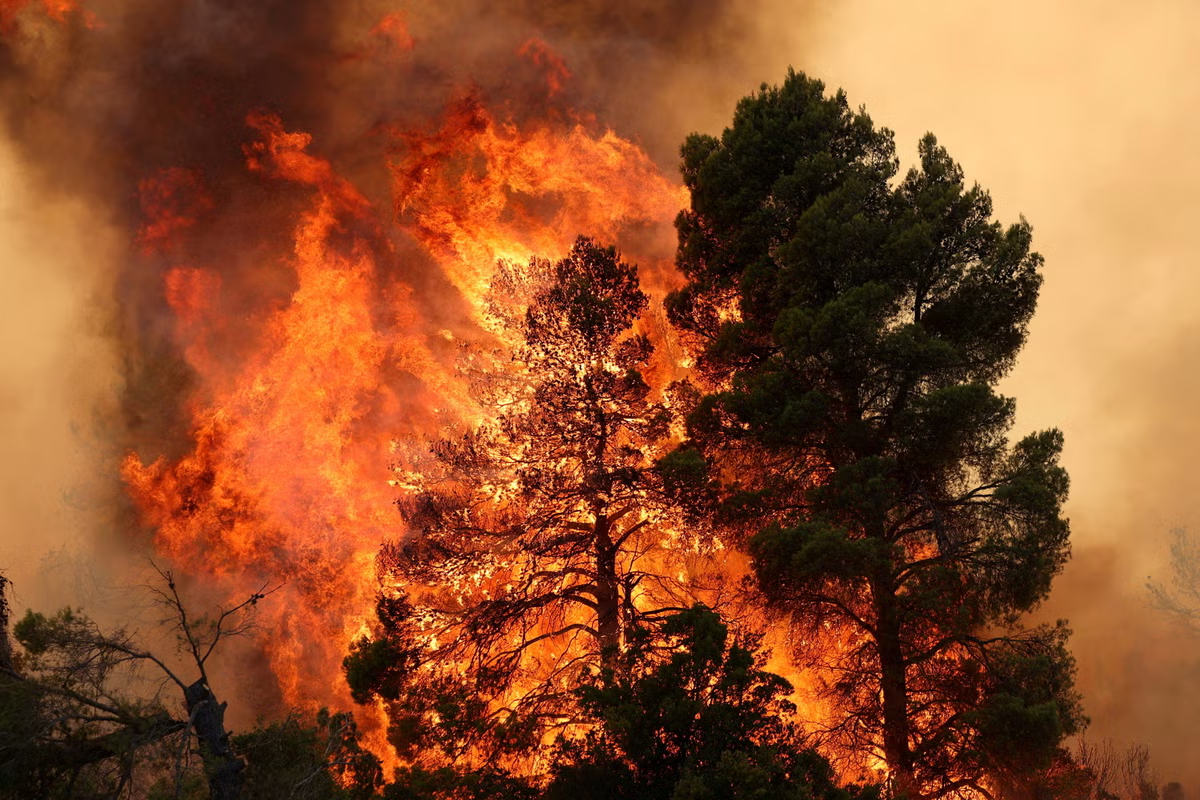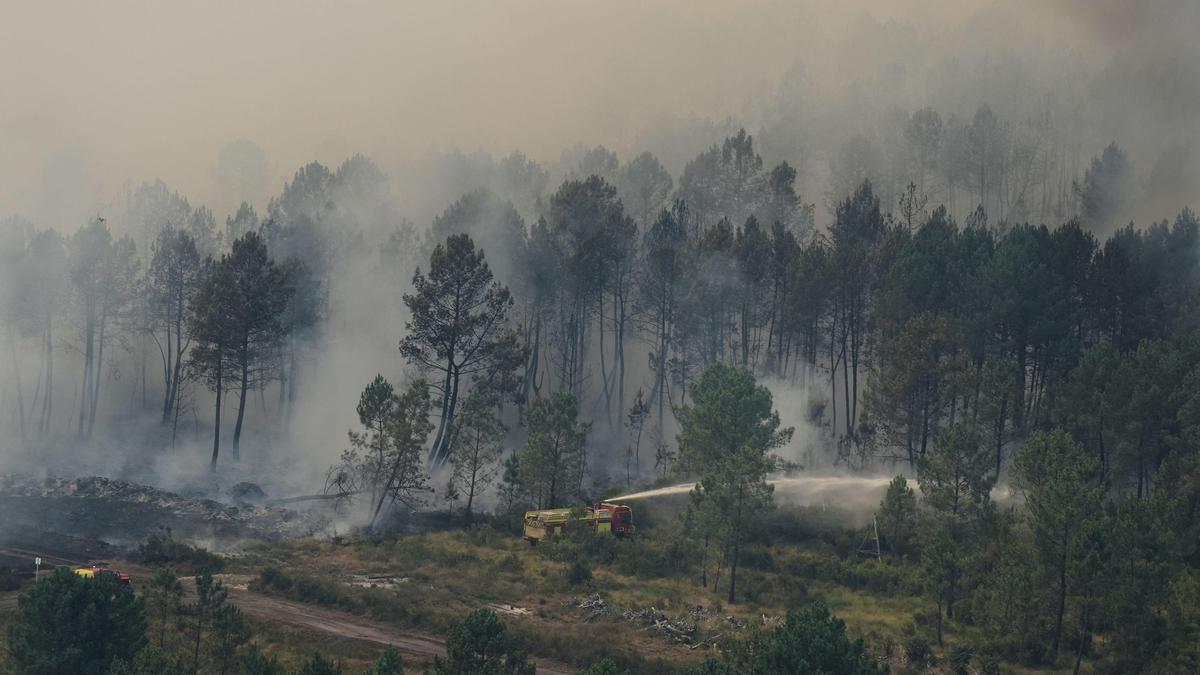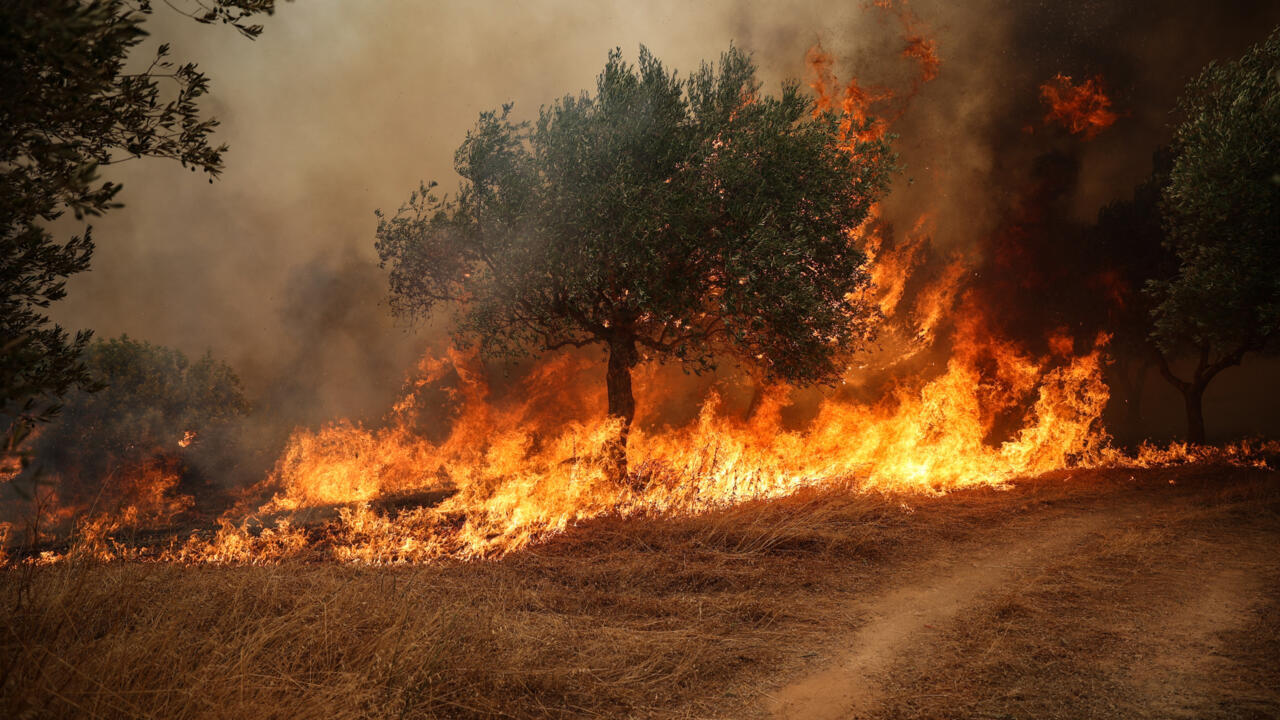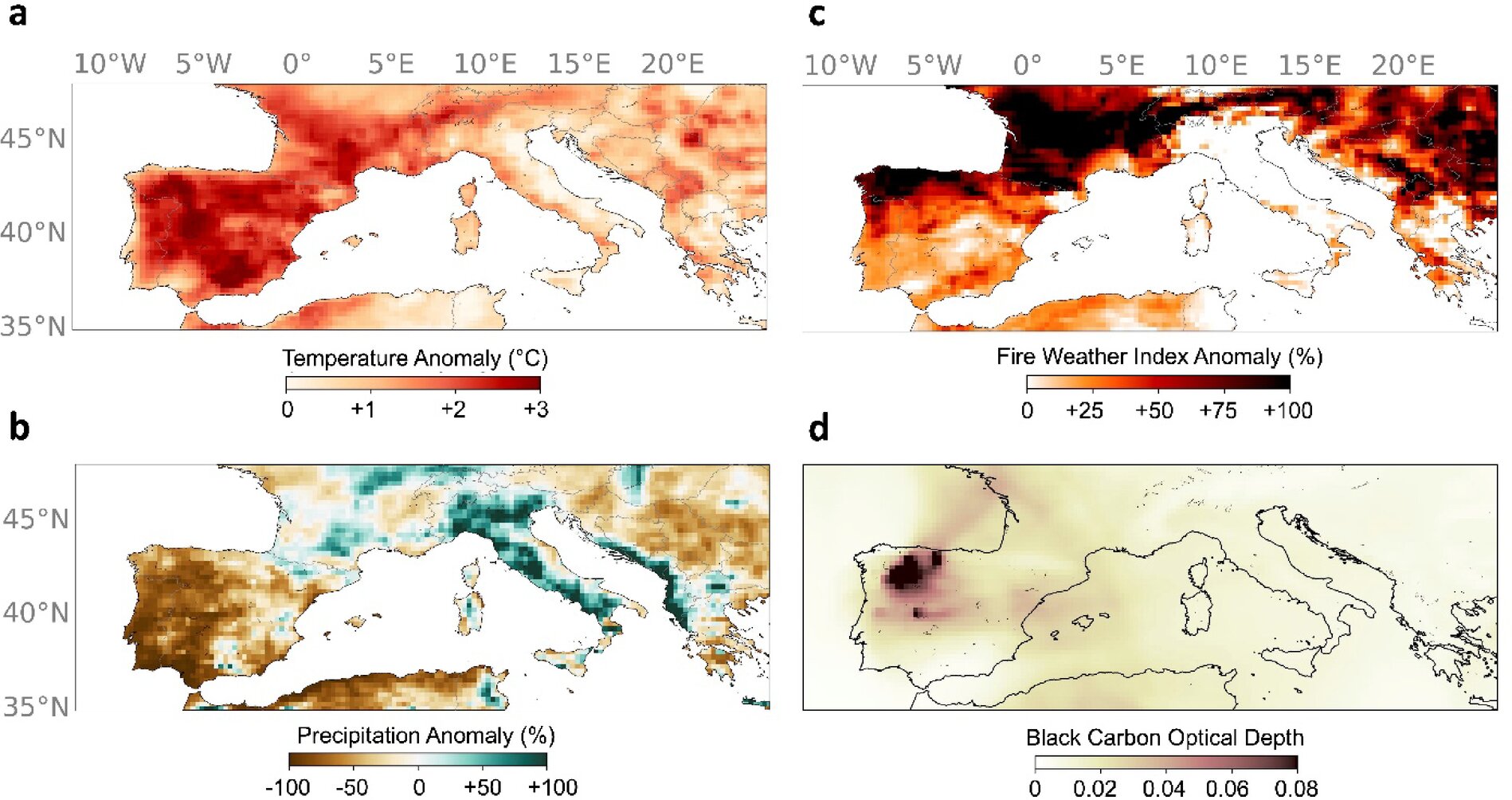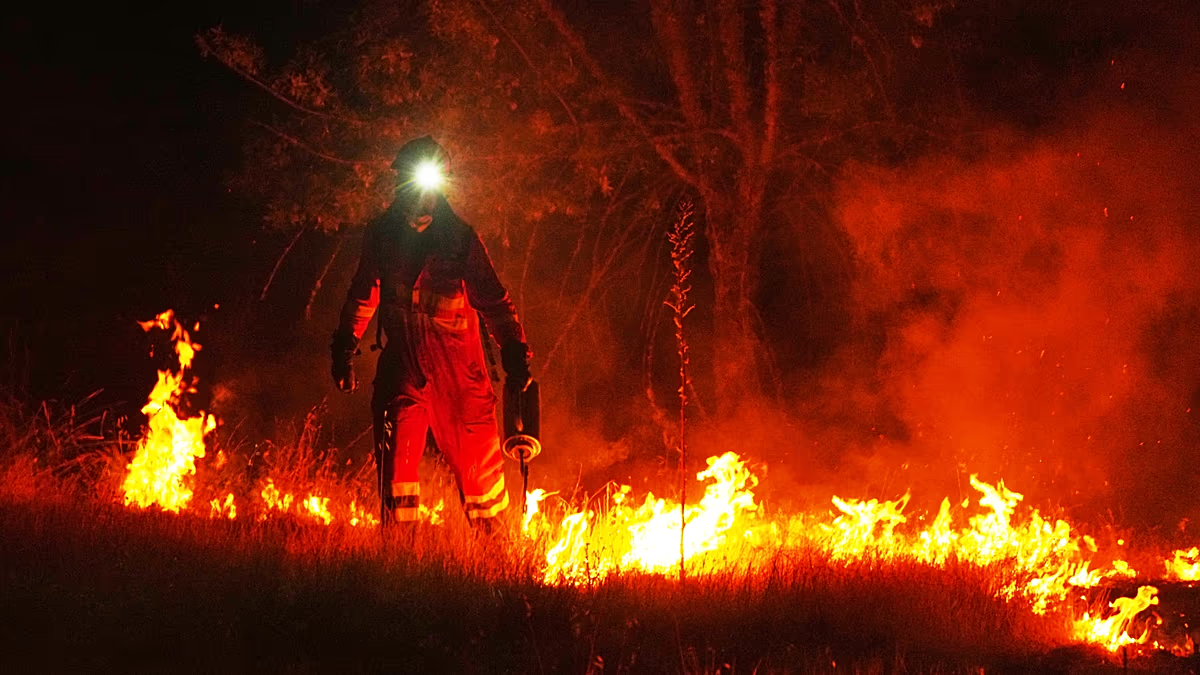
In a new weekly update for pv magazine, Solcast, a DNV company, reports that Europe’s July heatwave led to positive irradiance anomalies across western and northern Europe, while wildfires in France and Spain and Saharan dust outbreaks increased the risk of panel soiling in the south of the continent.
Europe’s July heatwave accompanied unusually high solar irradiance across much of western Europe, according to analysis using the Solcast API. Persistent high pressure limited cloud formation across the west and north of the continent, lifting irradiance well above typical July levels. At the same time, wildfires in France and Spain, together with Saharan dust outbreaks across the Mediterranean, added aerosols to the atmosphere and increased the risk of panel soiling.
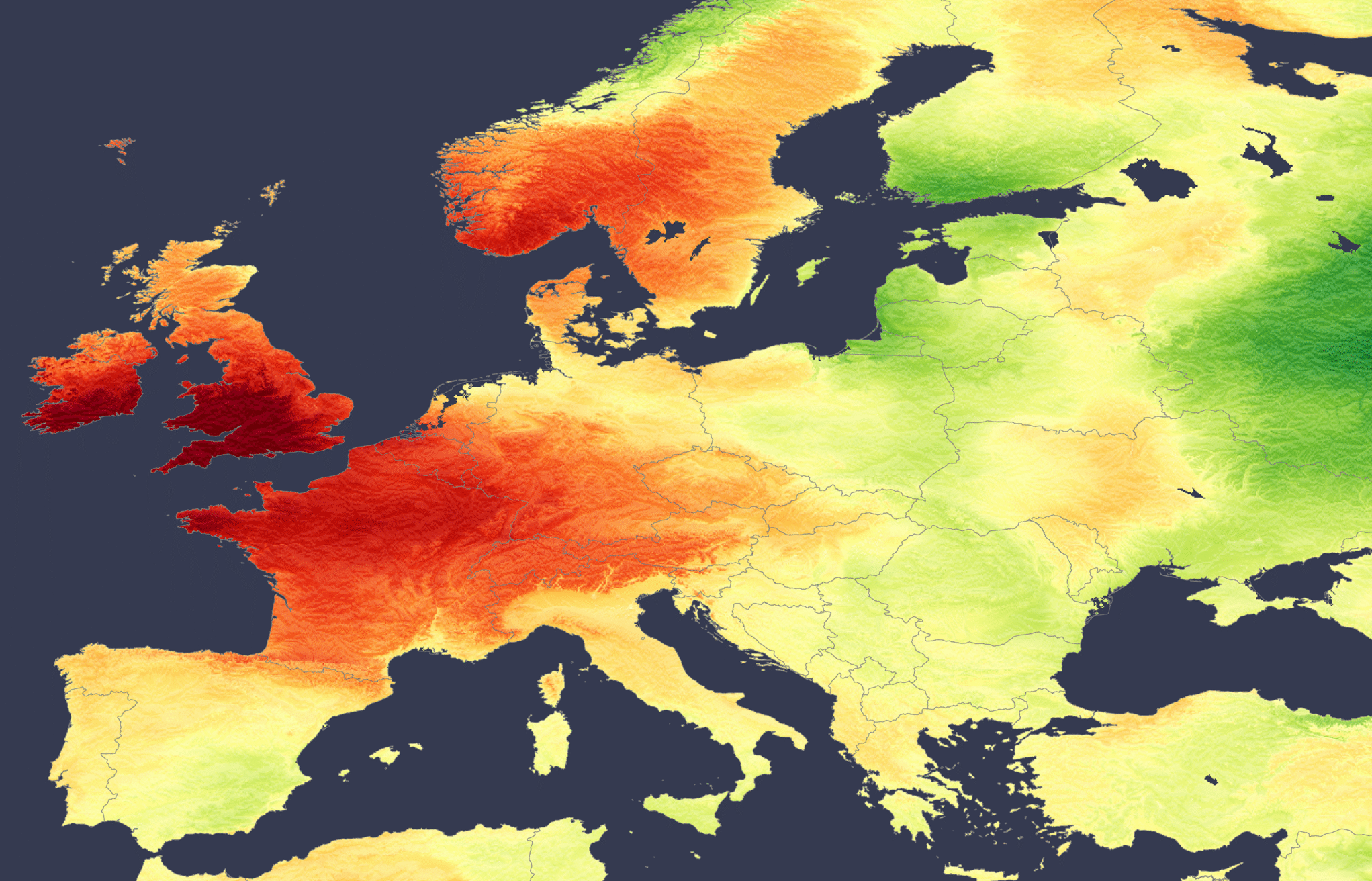
The strongest positive irradiance anomalies were recorded across western and northern Europe, where cloud cover was suppressed for much of the month. Southern England, Wales and Ireland saw irradiance up to 35% above usual July levels, while northern France, the Low Countries and western Germany were up by around 25%. Southern Norway and Sweden were around 15% above usual. These conditions were linked to the same slow moving high-pressure systems that drove the month’s extreme heat. High pressure tends to stabilise the lower atmosphere and reduce cloud development. However, the continued high temperatures from June into July will have reduced PV module efficiency, partly offsetting the benefit of higher irradiance.