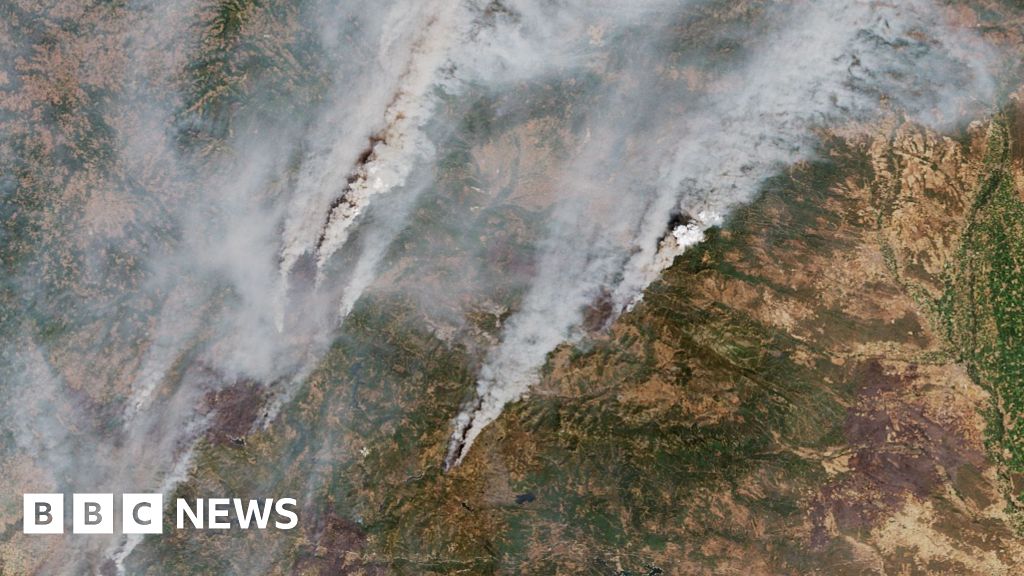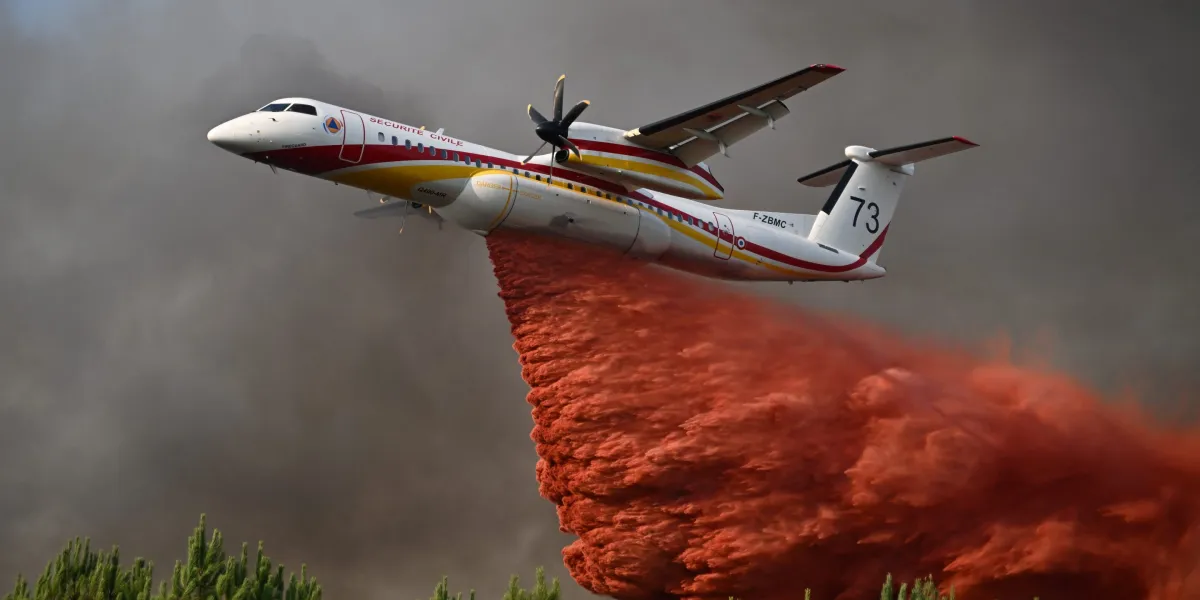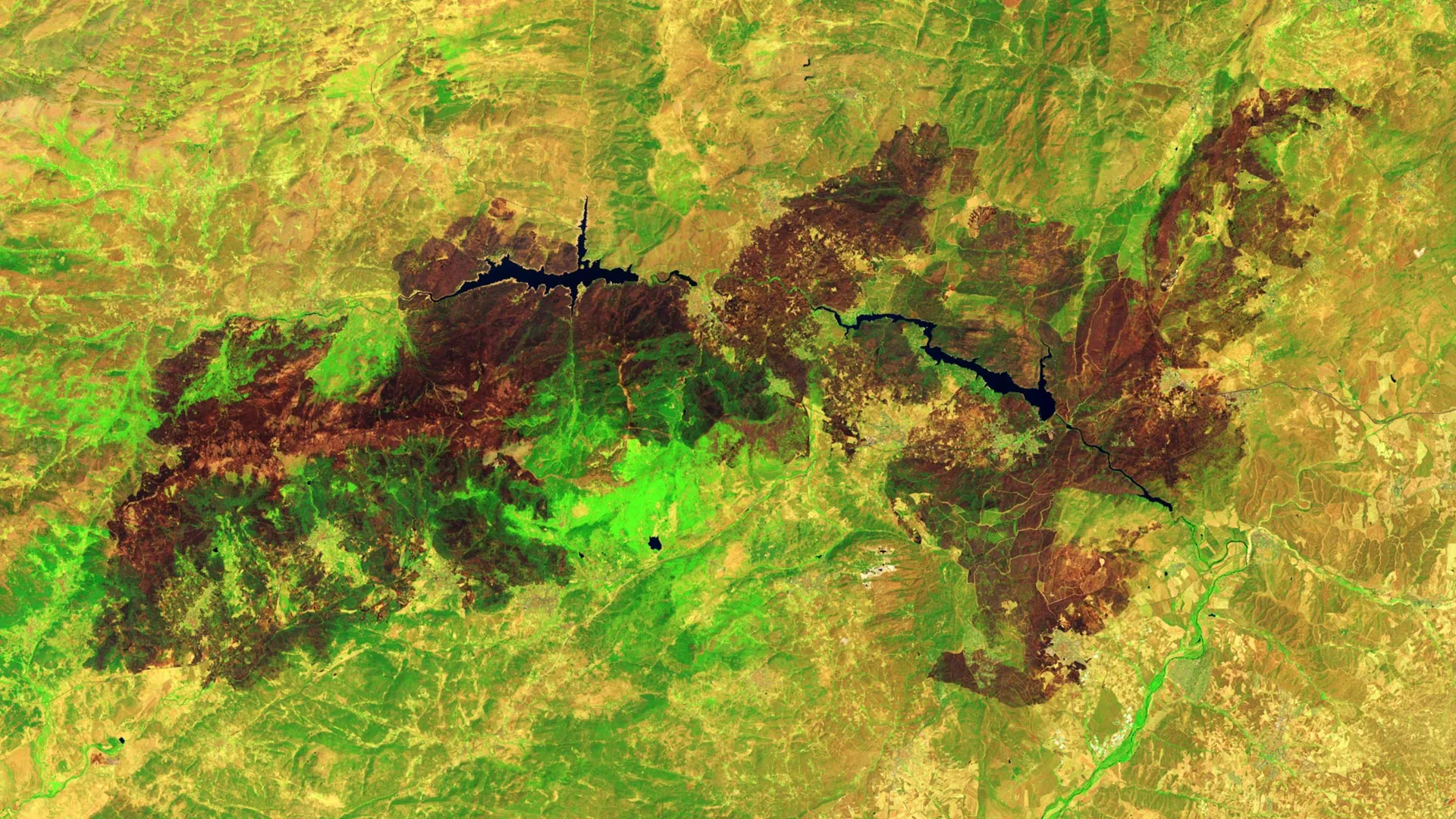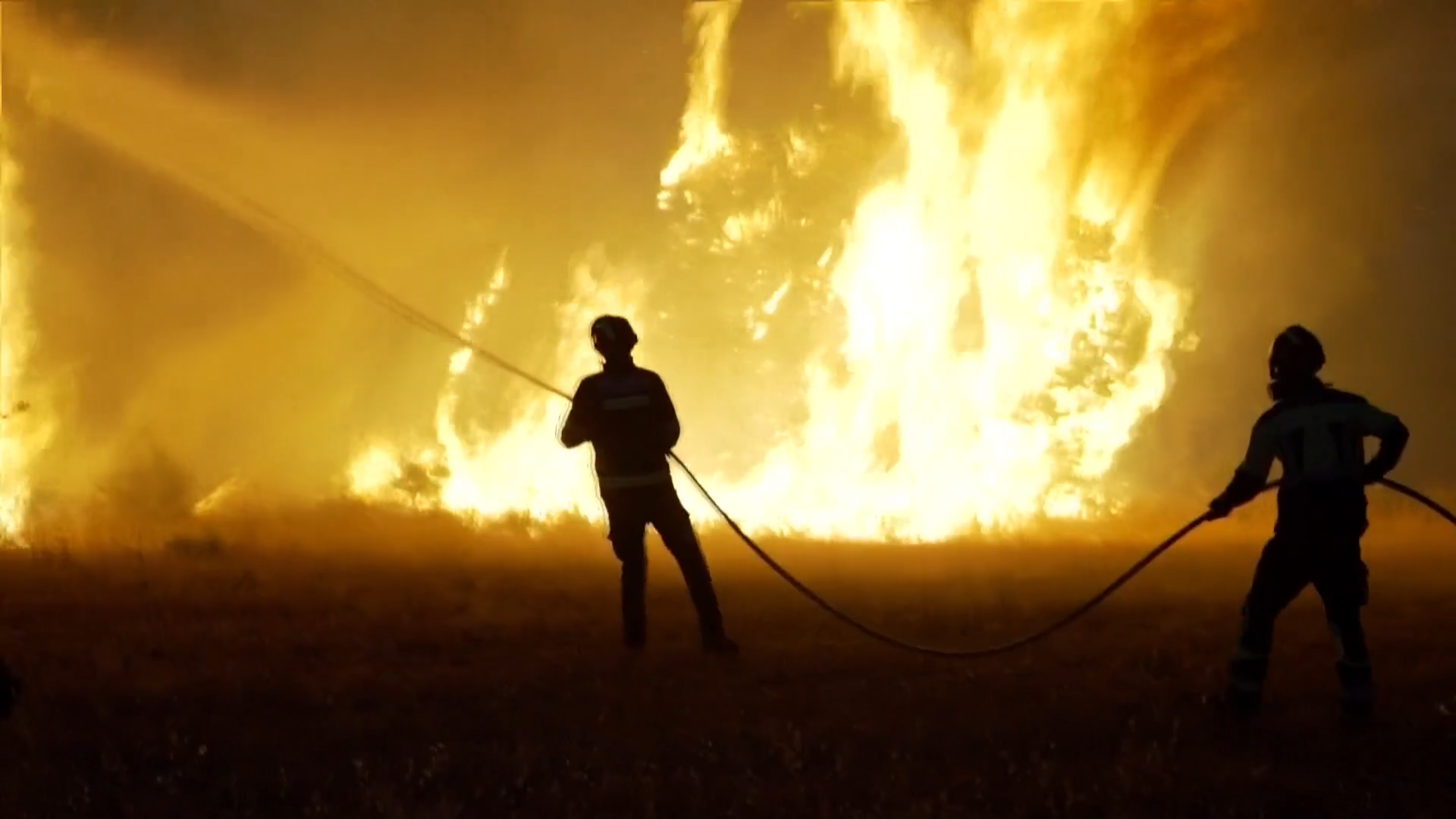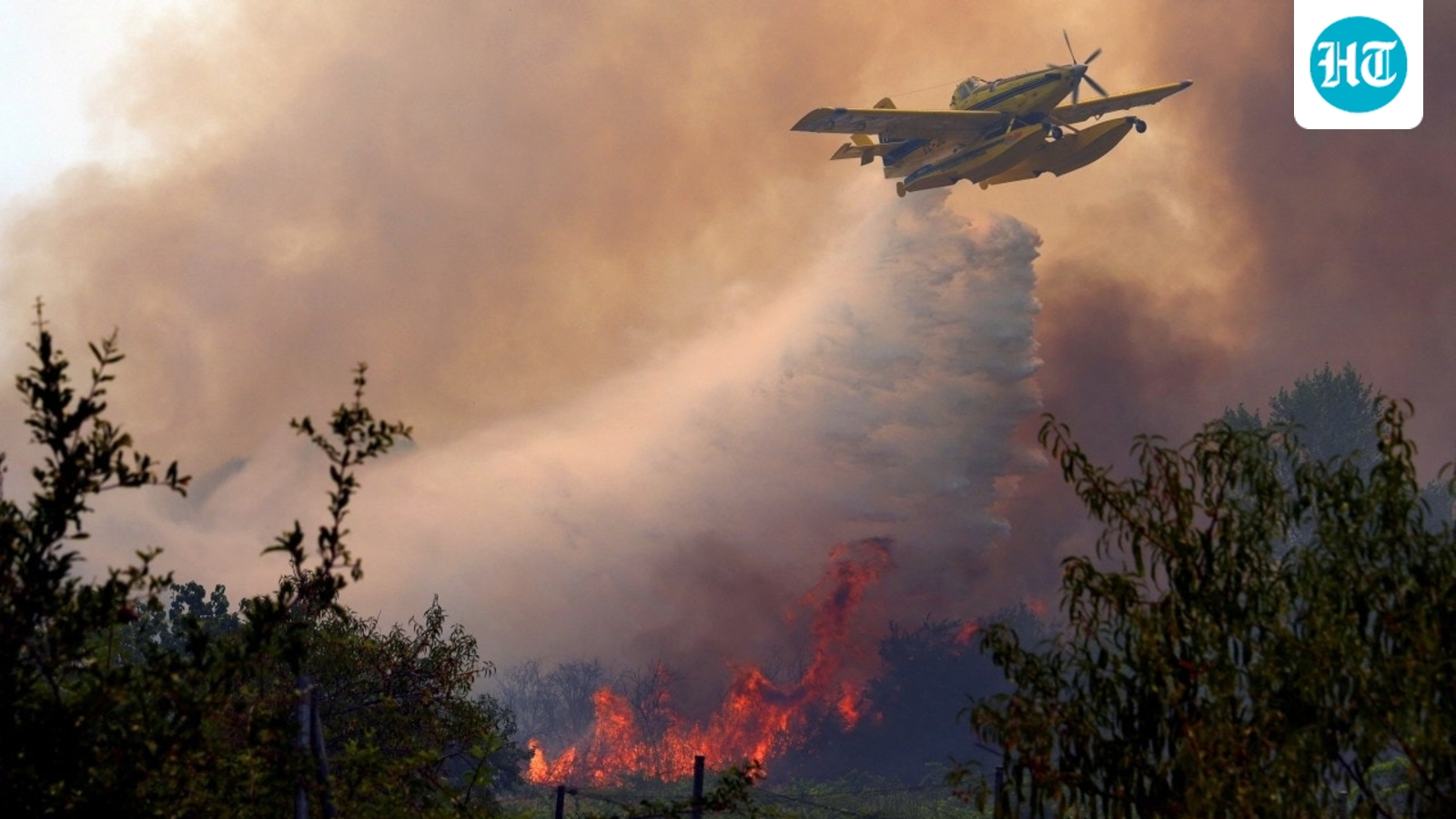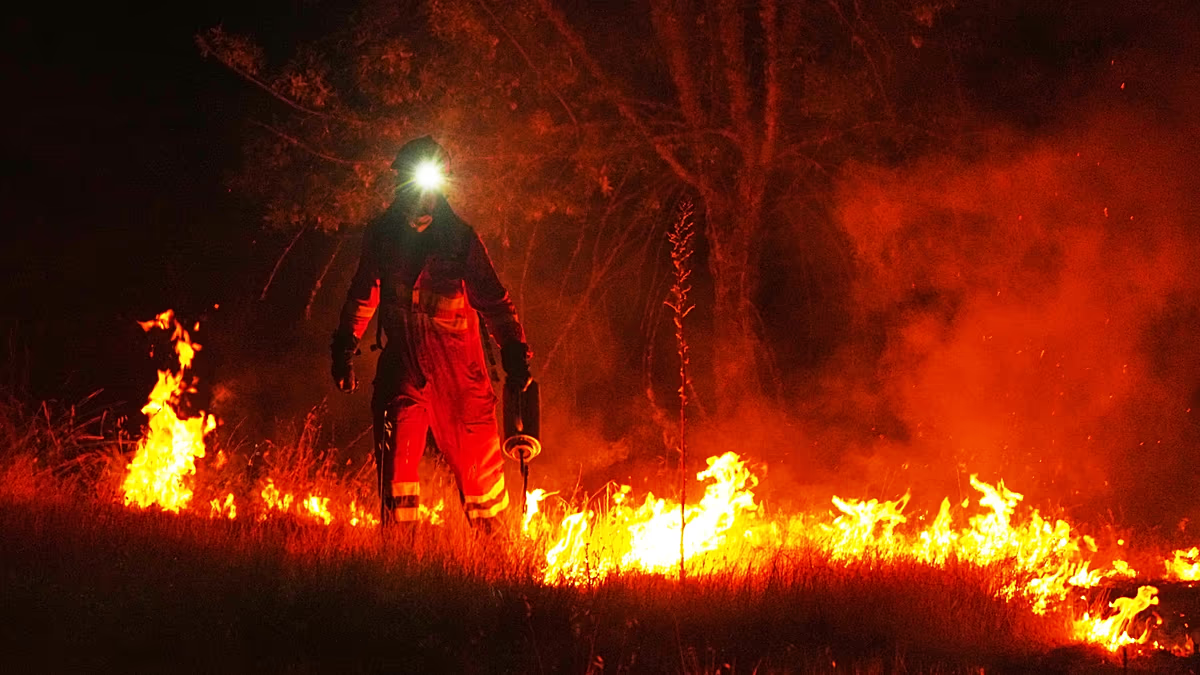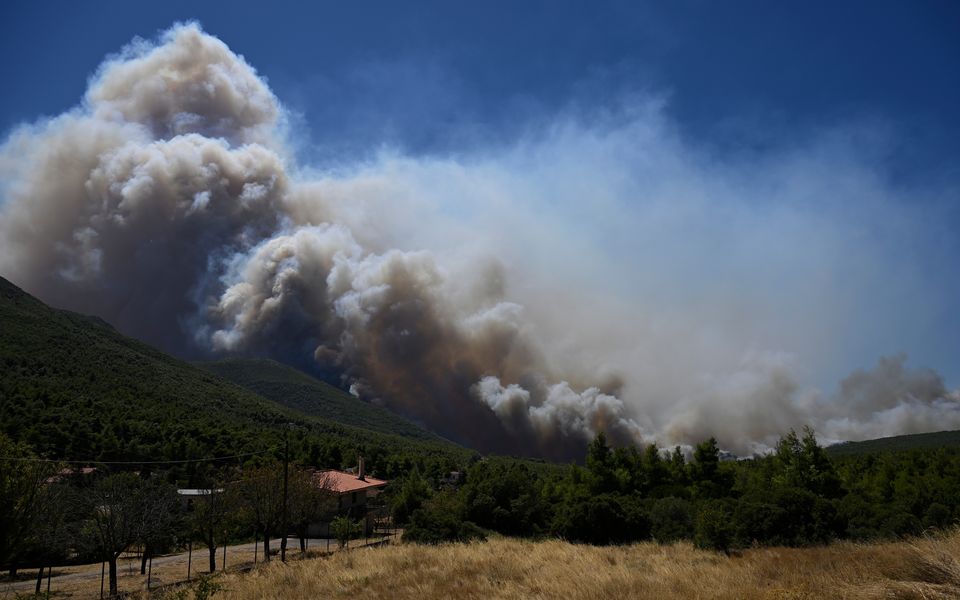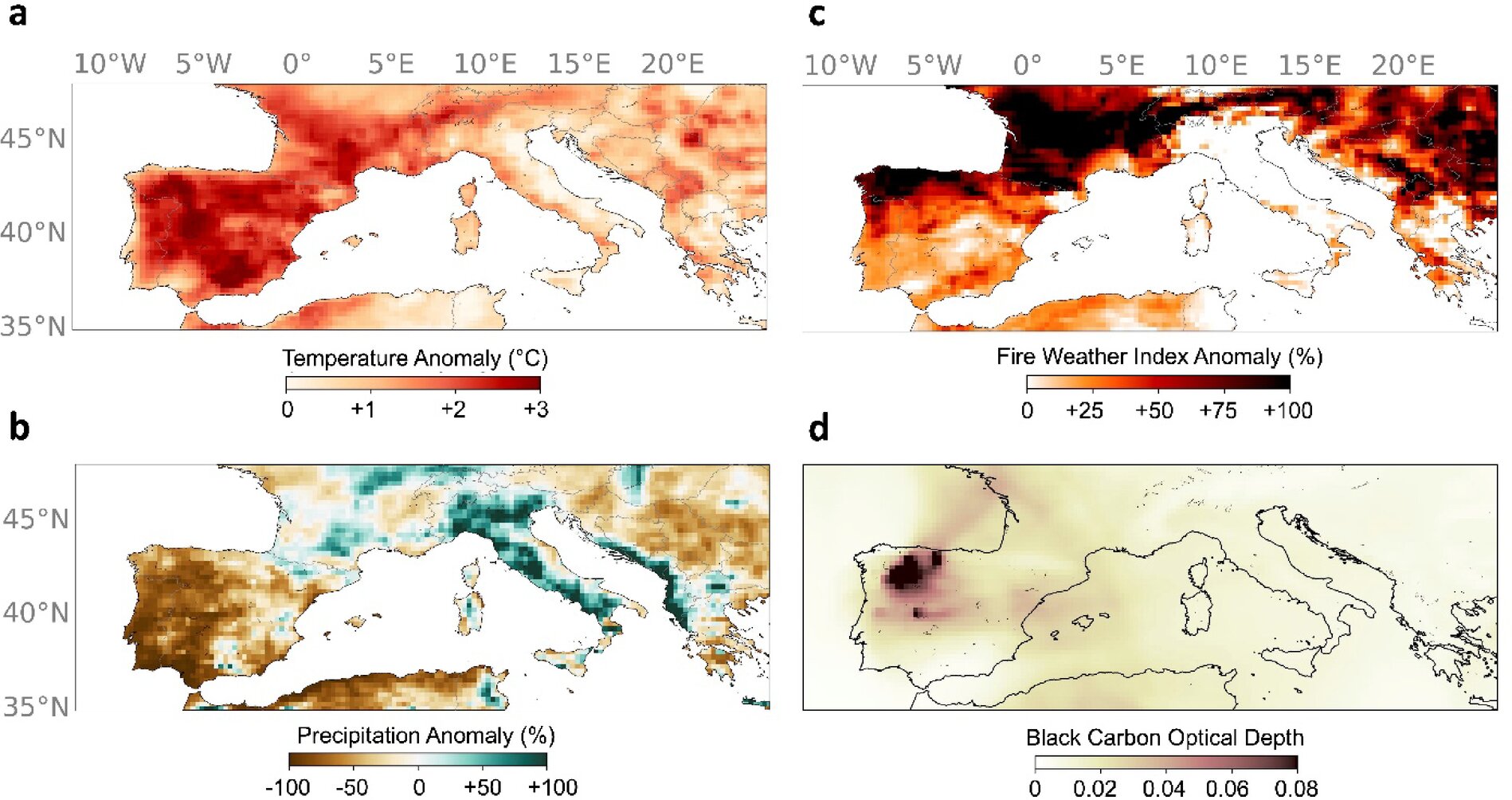
A lengthy spell of blistering heat fueled major wildfires in August 2025. Credit: Scientific Reports (2026). DOI: 10.1038/s41598-026-61756-4
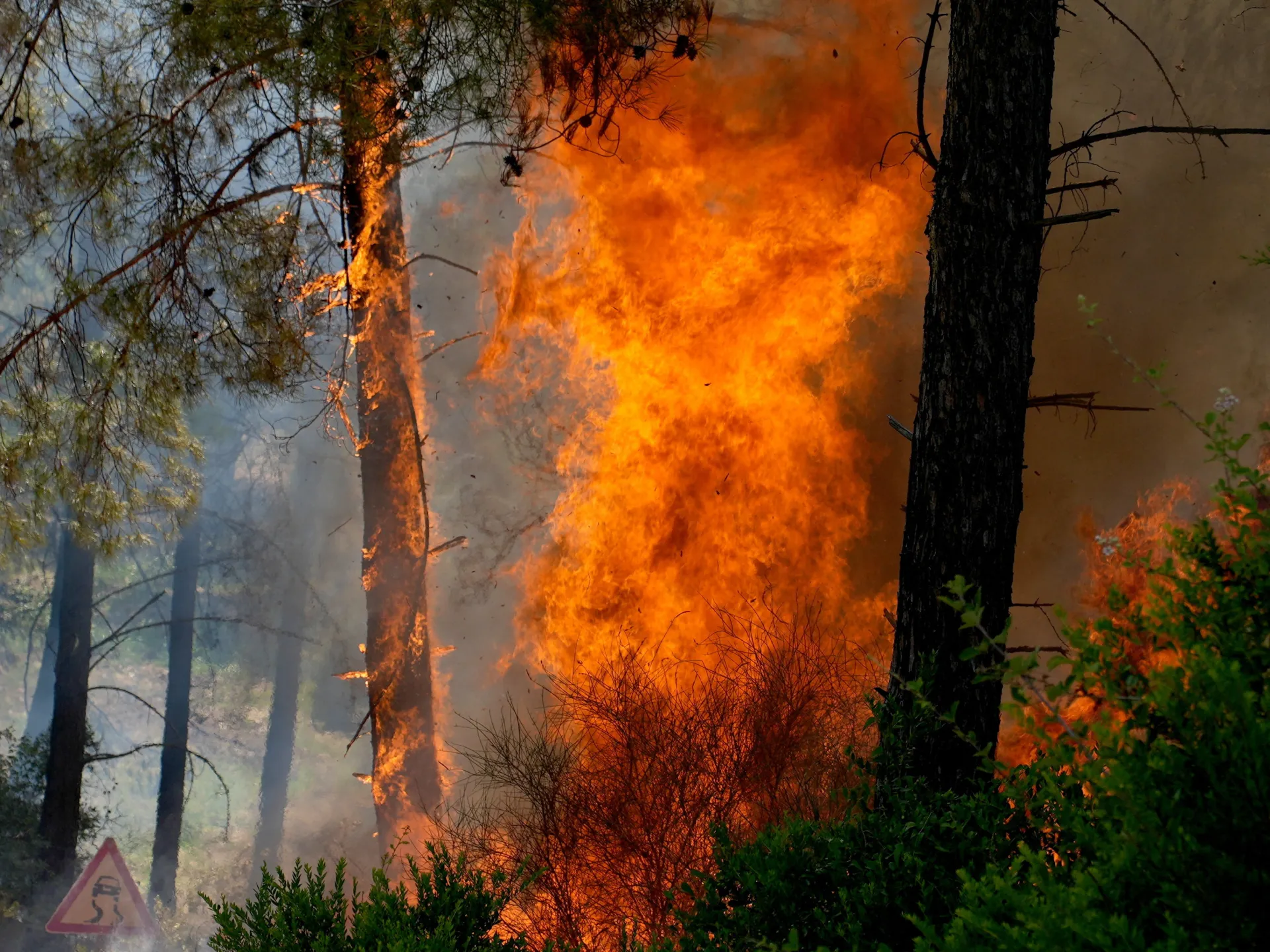
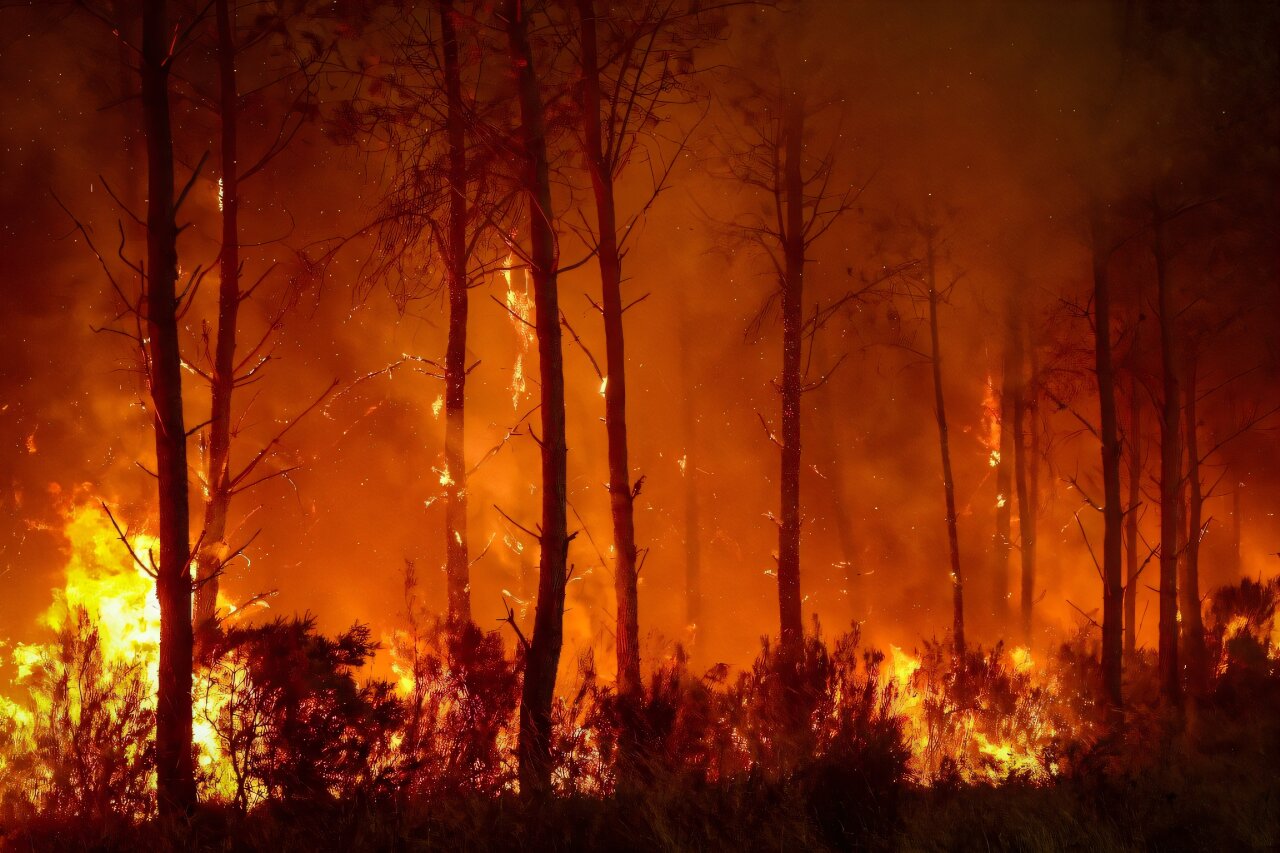
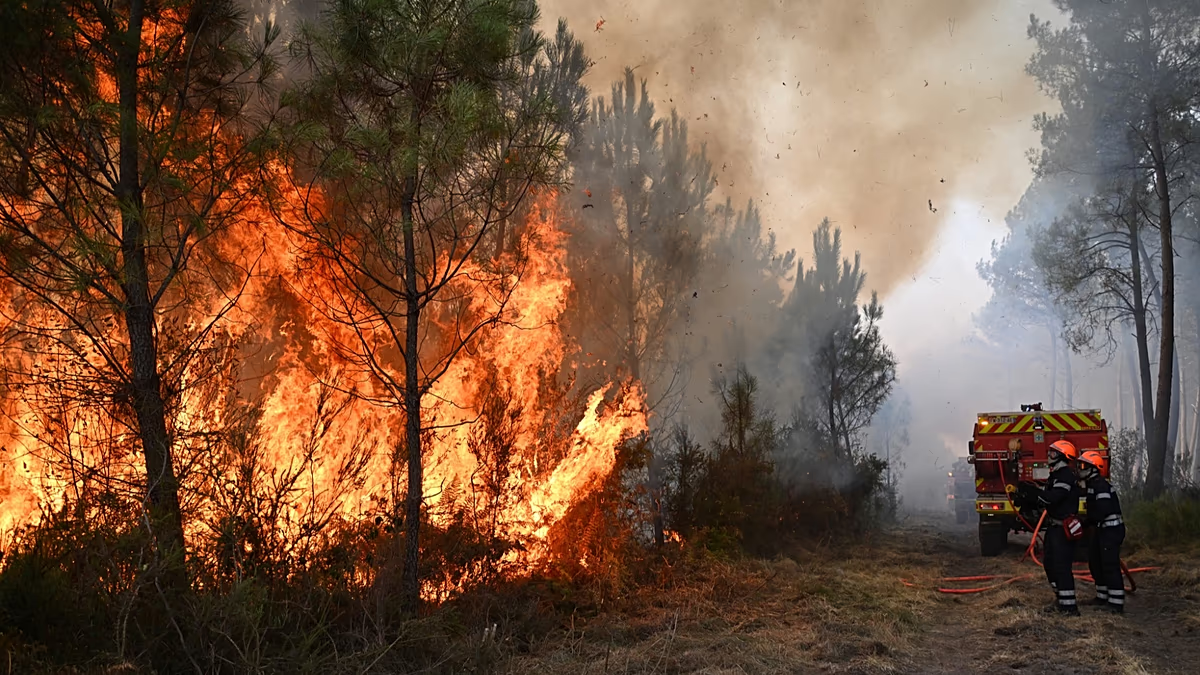
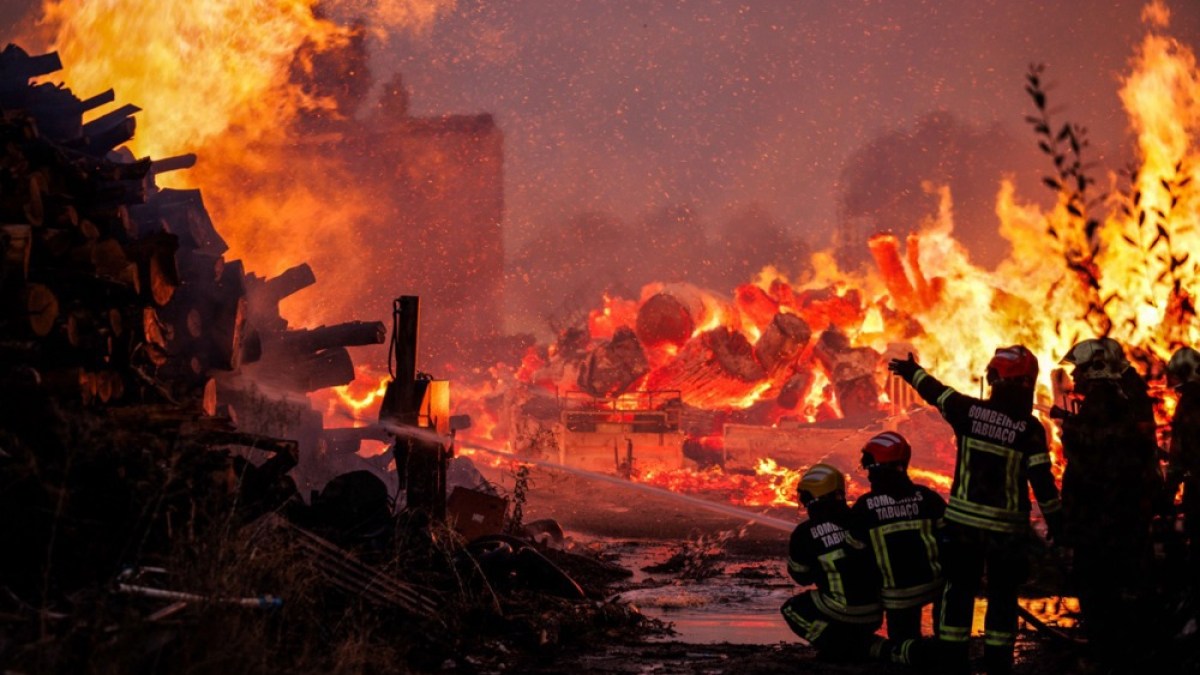
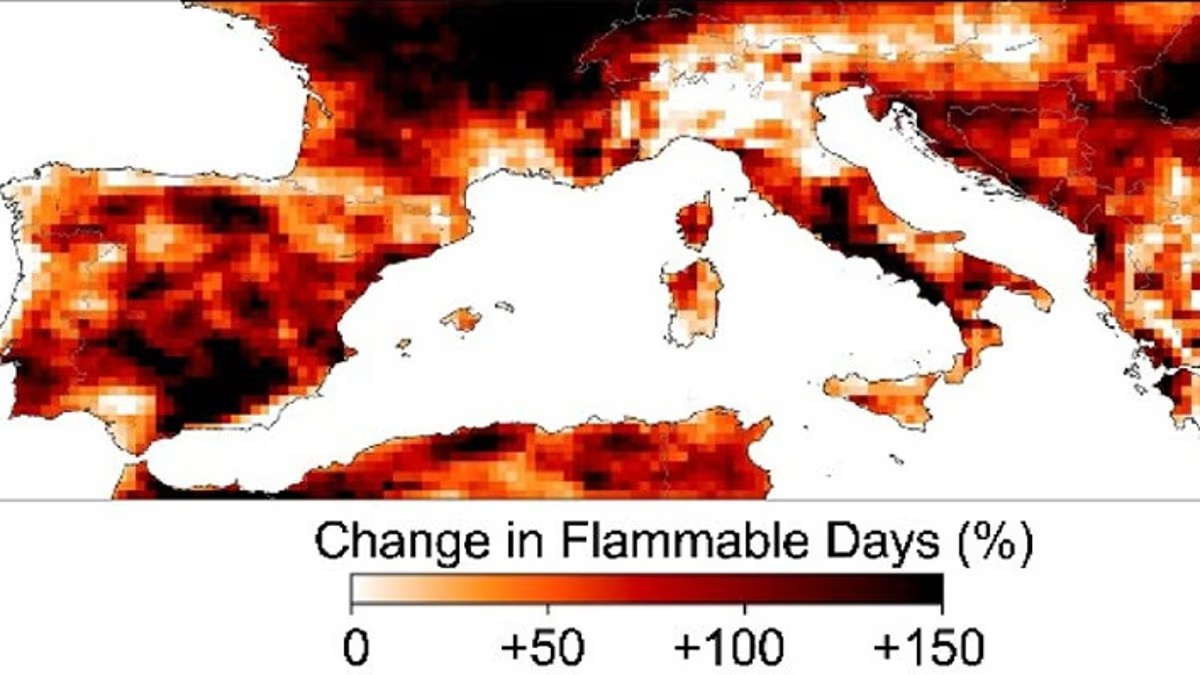
Summer days featuring conditions that promote wildfire ignition, intensity and spread have more than doubled across large parts of the Iberian Peninsula, France, Italy and Greece since 1981, according to a study in Scientific Reports. The findings suggest that hotter, drier weather is increasing wildfire risk across Southern Europe, despite fewer fires occurring in the region since the 1980s.
Raúl Cordero and colleagues analyzed national wildfire records from Portugal, Spain, France, Italy and Greece, alongside weather and climate data, between 1981 and 2025. They found that in parts of France and Spain, the intensity of fire-promoting weather—hot, dry and windy conditions—had increased by up to 50% between 2016 and 2025, compared with 1981–2010.
The number of days with highly fire-promoting conditions also rose, from fewer than 10 days per summer in 1981–2010 to around 25 days over the past decade in parts of each country studied. However, the annual number of fires during the past decade was approximately 40% lower than the 1981–2010 average in each country studied. The authors suggest that this may reflect improvements in wildfire management, such as better training for fire brigades and public awareness campaigns.