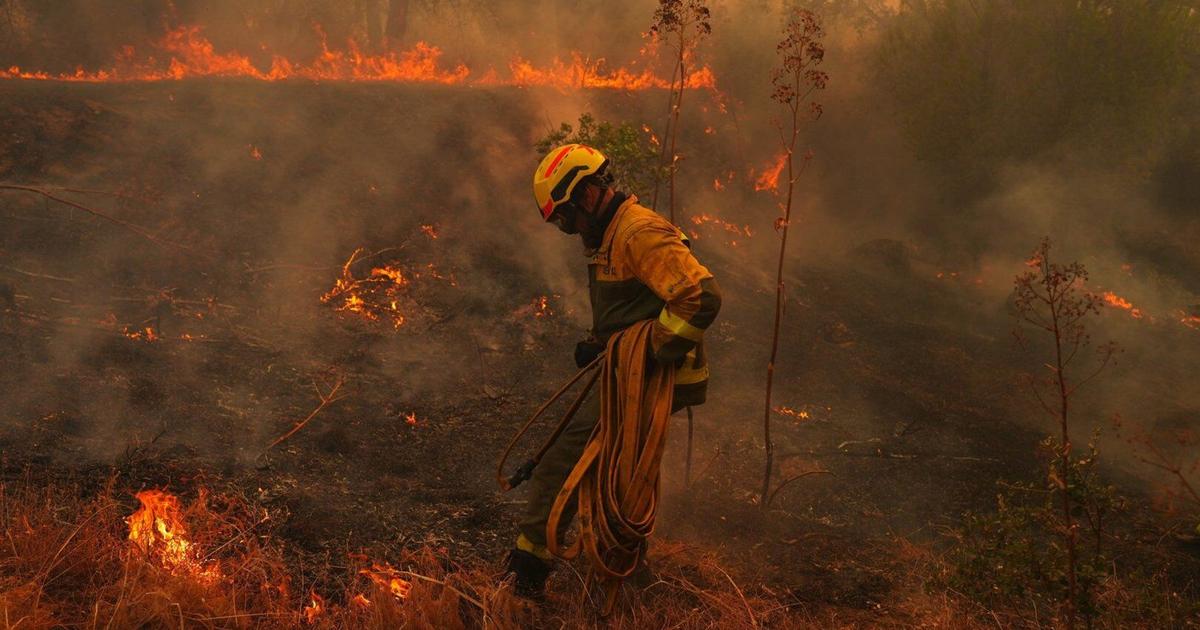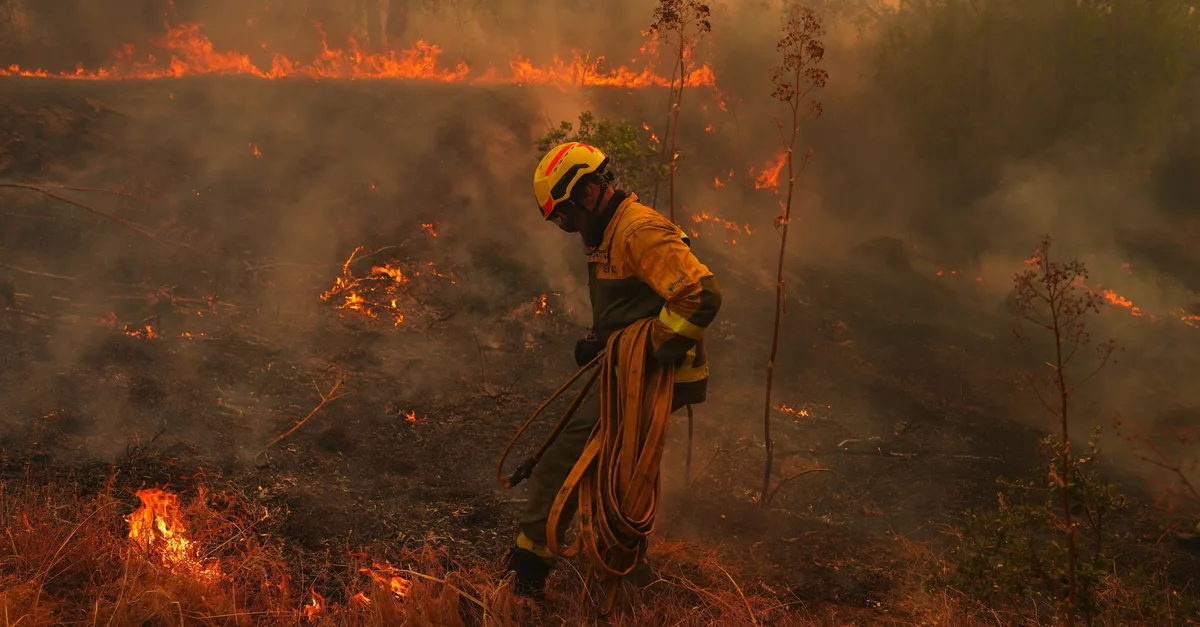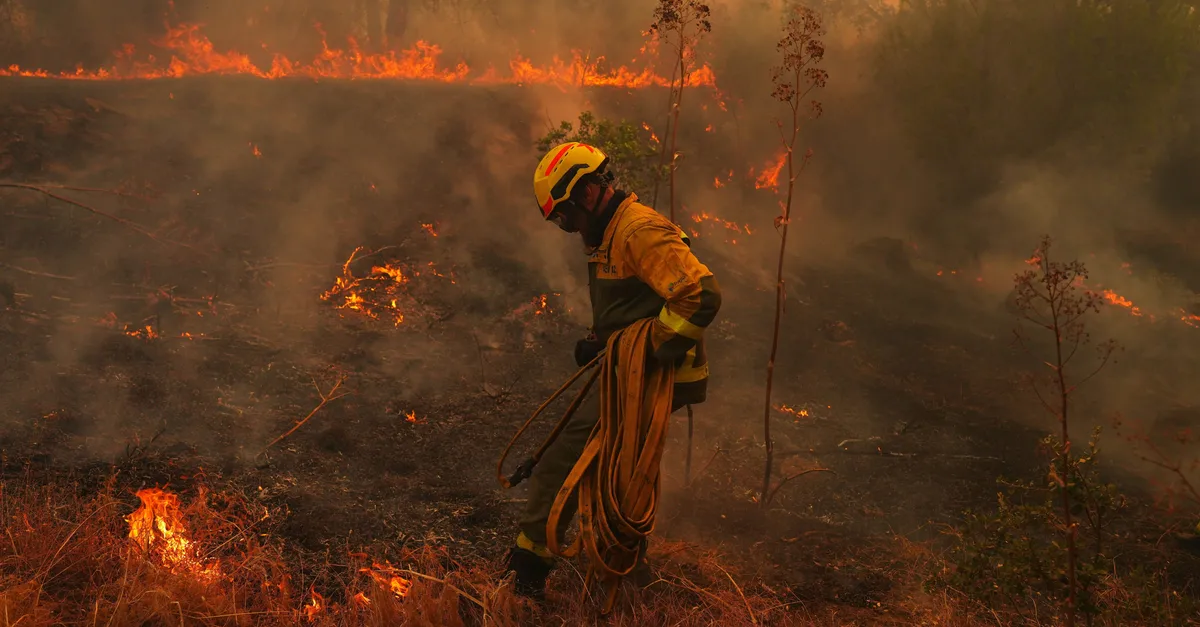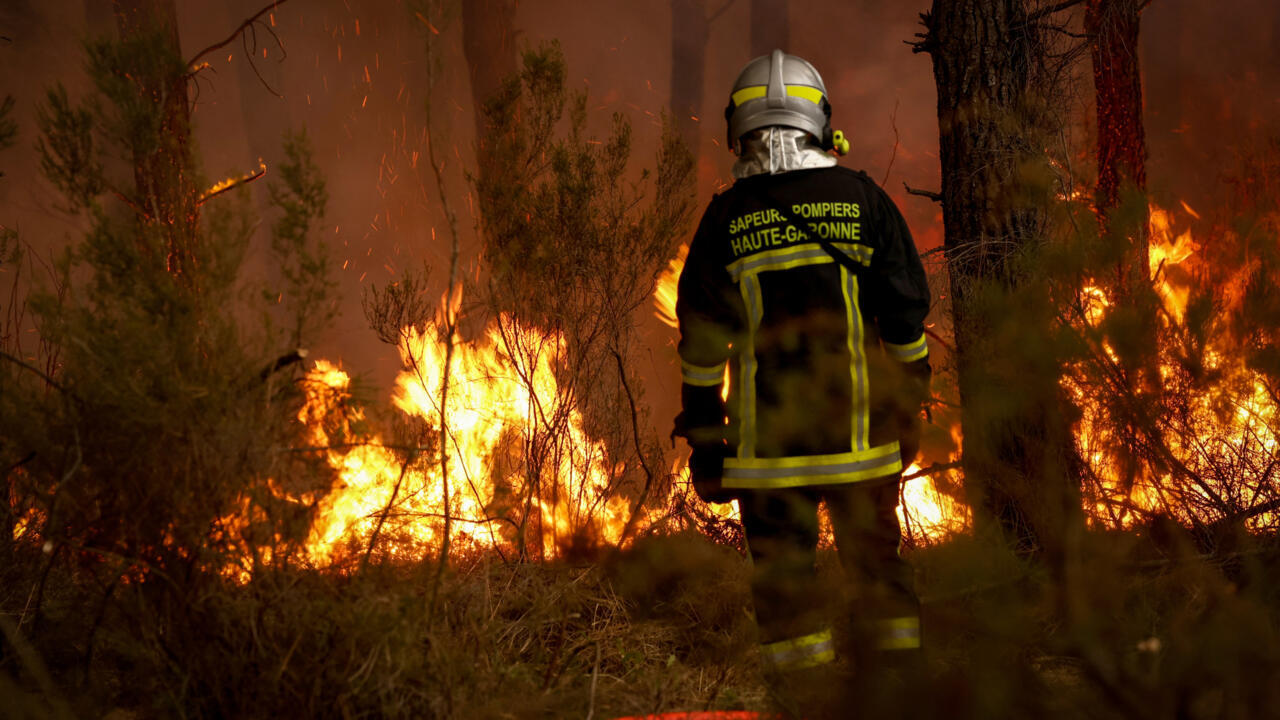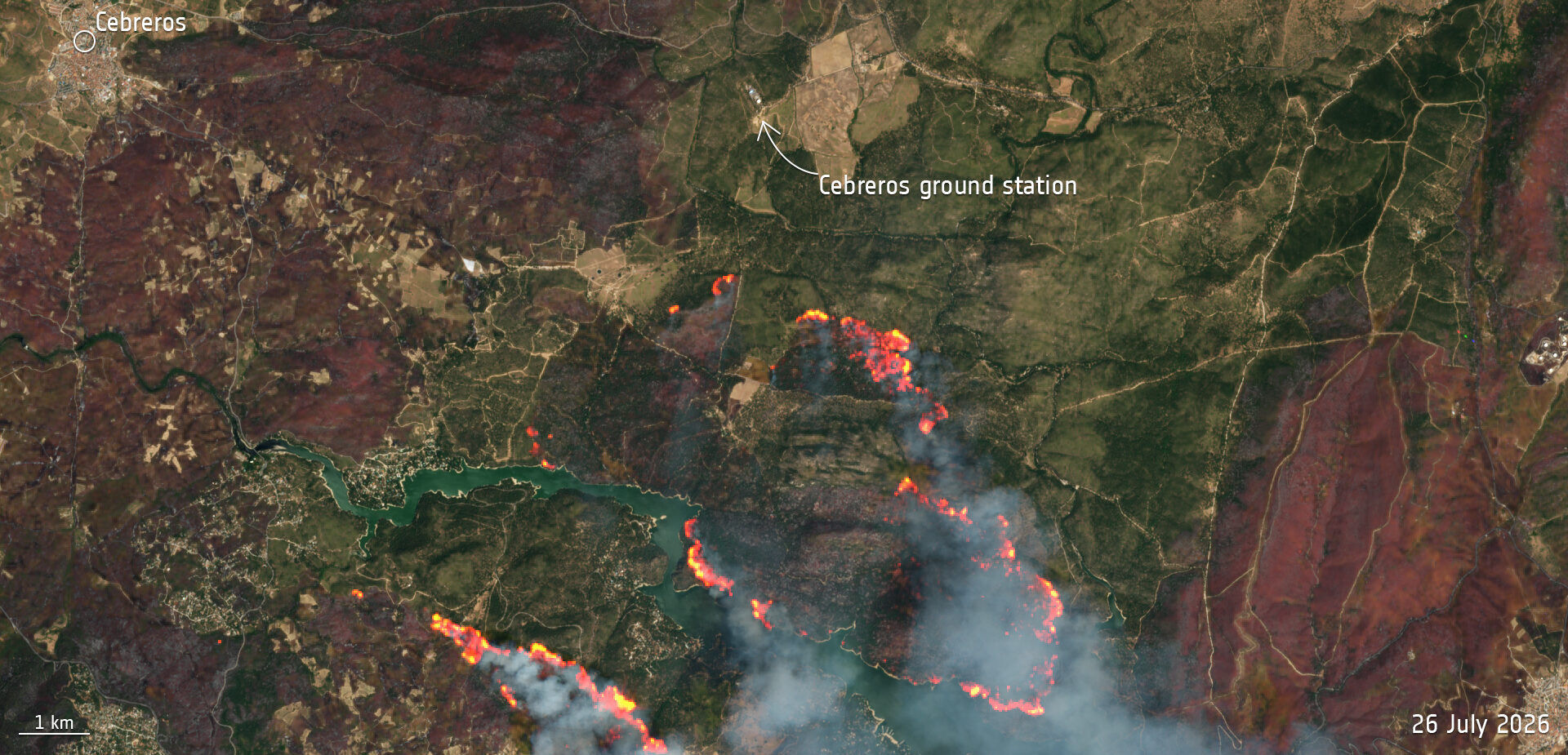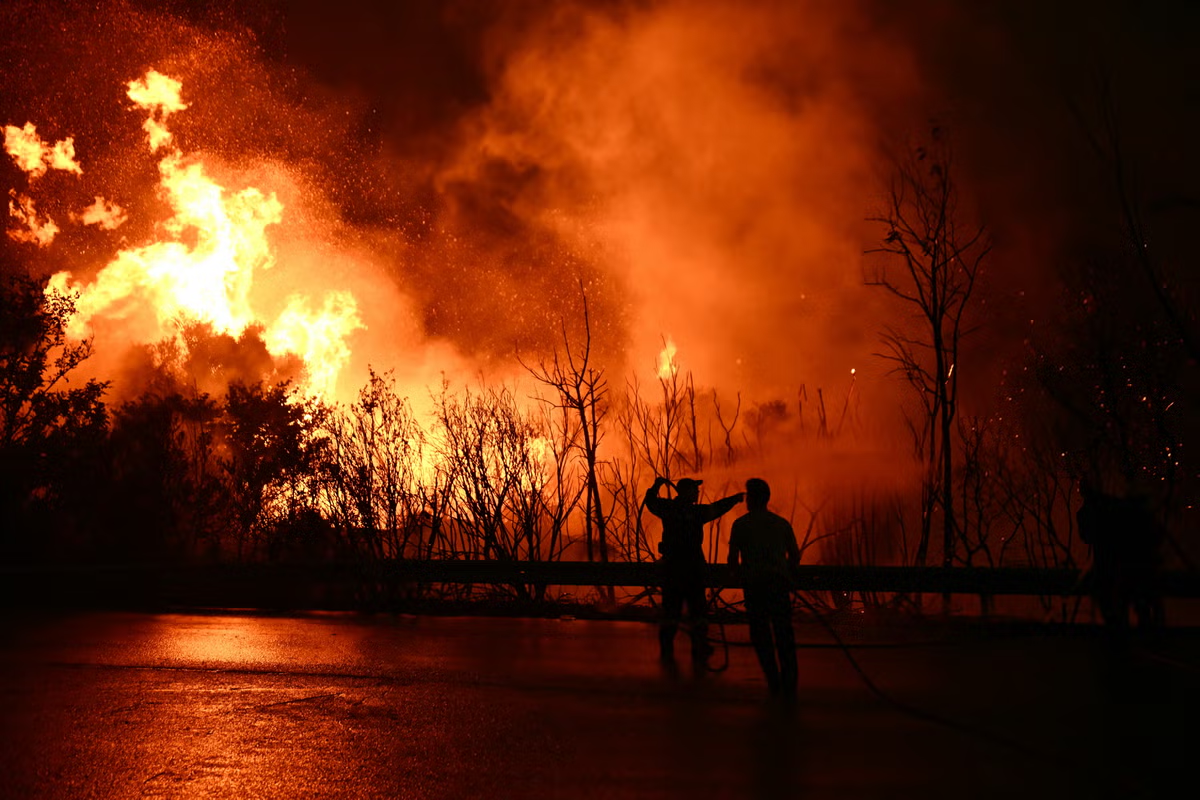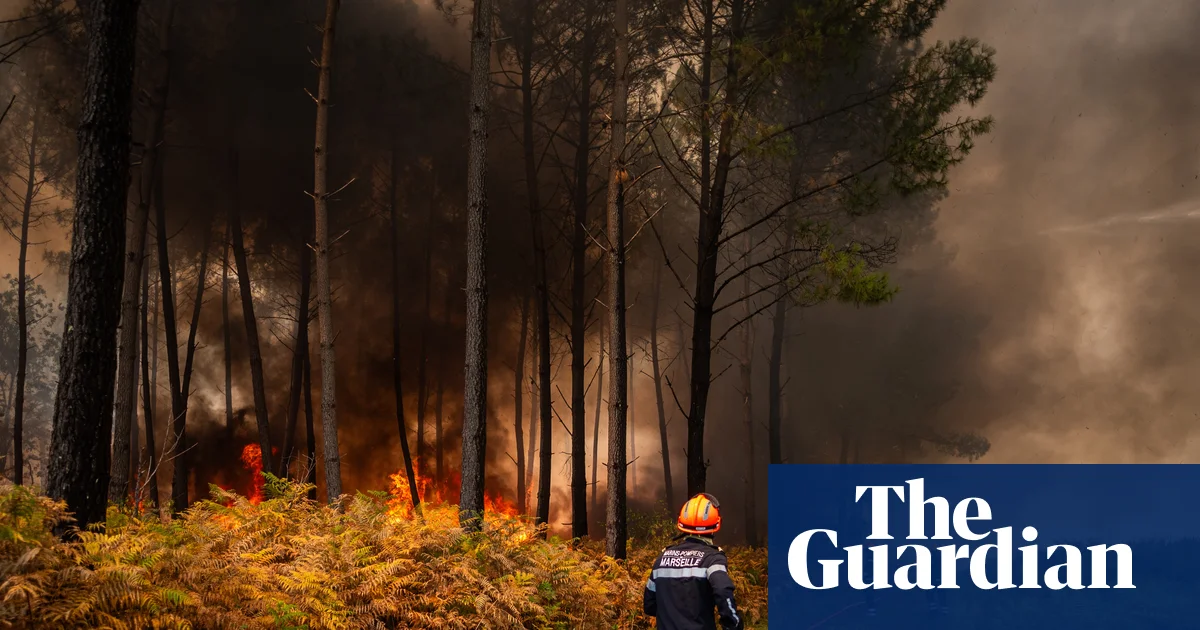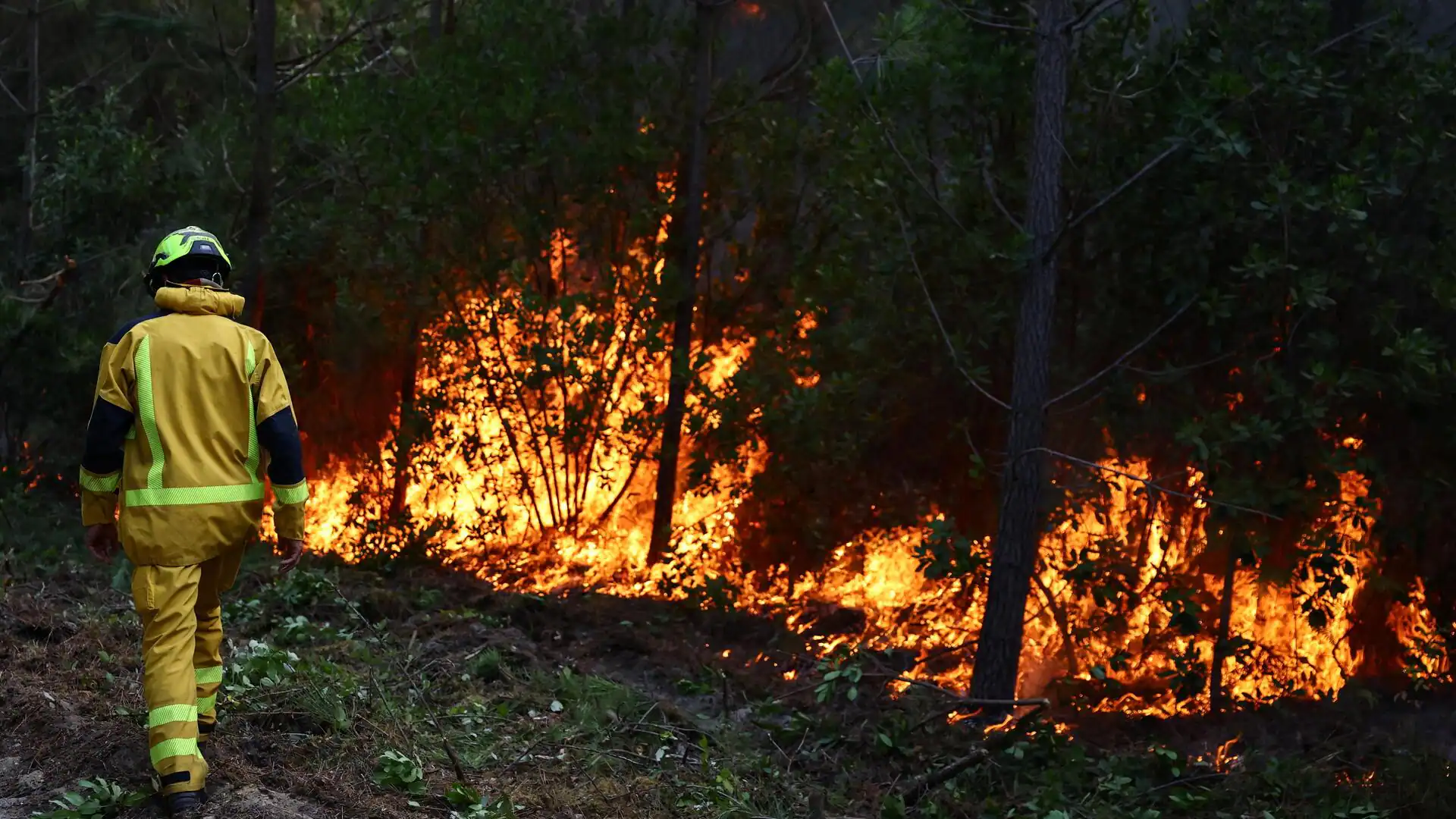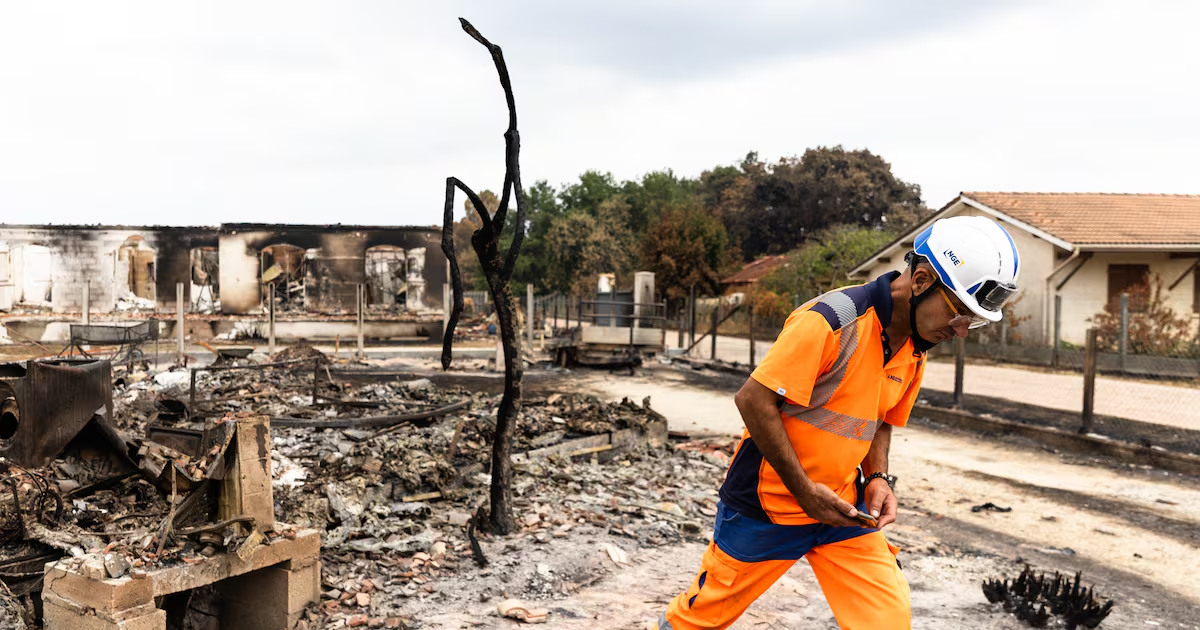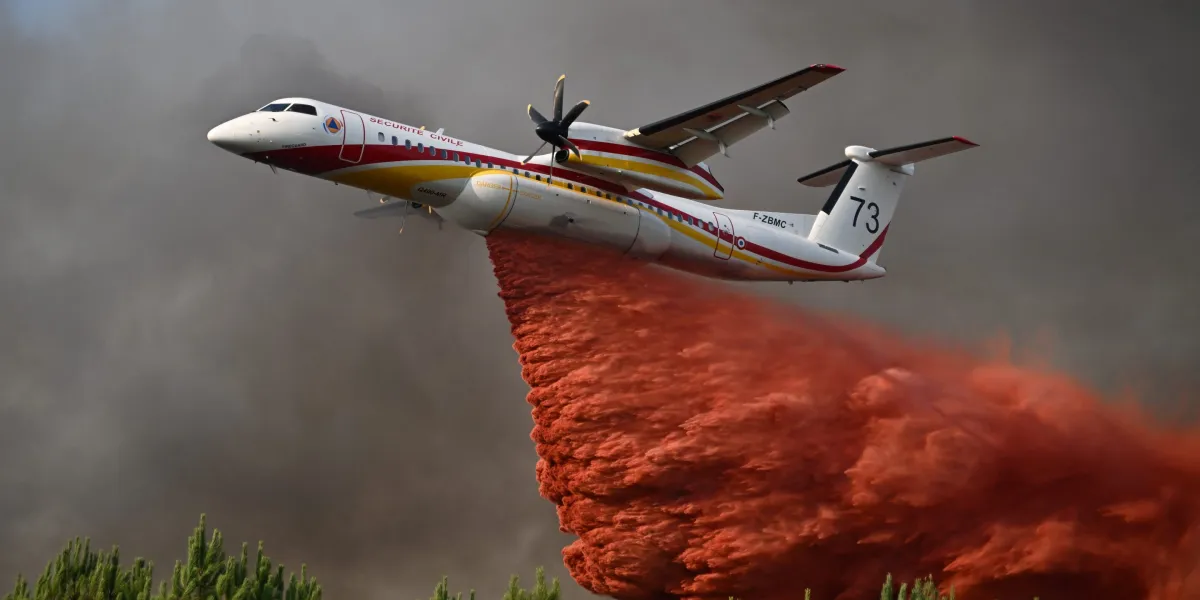
Climate change’s fingerprints are all over the extreme fire weather that sparked this week’s devastating wildfires in Spain and France and has spiked Southern Europe’s burning the past eight years, two new studies conclude.
Human-caused climate change made the hot and dry conditions responsible for Spain’s record-sized inferno 20 times more likely to happen, and it doubled the chances of extreme fire conditions for the flames in France, scientists at World Weather Attribution calculated in a rapid analysis Thursday, conducted while fires were still burning. Warming in the past 26 years has tripled the odds of the severe fire risk conditions in Spain and increased the chances in France 40%, the same report found.
At the same time, researchers published a separate study on Thursday — written and edited long before this week’s fires began — that found the number of days that Southern Europe’s weather reached extreme fire-prone levels has more than doubled compared to decades ago.
Both studies examined changes in the weather that creates fire-prone conditions. The measurements factor in air temperature, drought conditions, humidity and wind.
“The change in these fire weather conditions in Spain is really extremely strong and is, I think, one of the largest changes that I’ve seen,” said Friederike Otto, an Imperial College of London climate scientist who coordinates World Weather Attribution. Spain is having its hottest summer on record, after an incredibly wet January that allowed plants to grow before a severe drought hit, a combination that increased wildfire fuel, the report said.