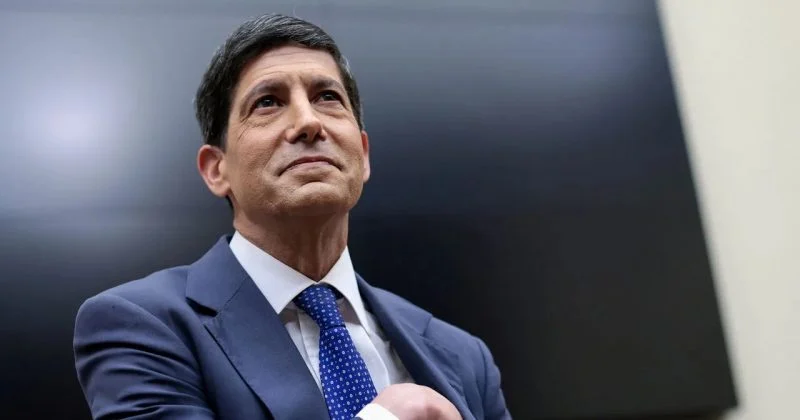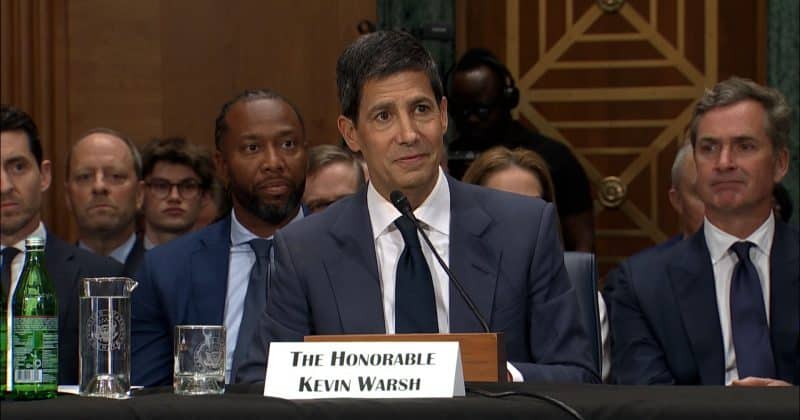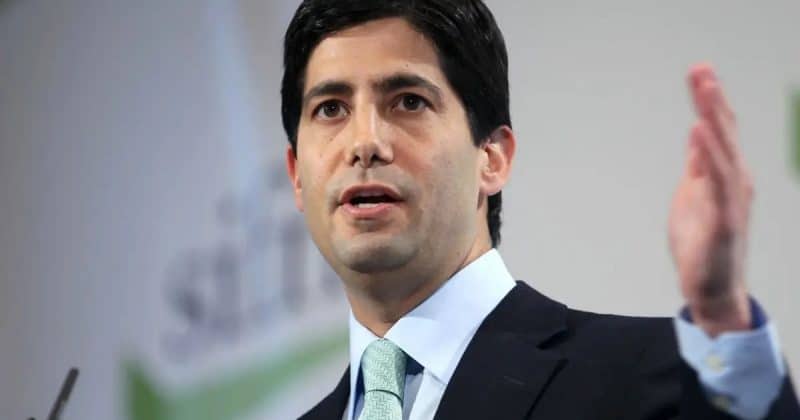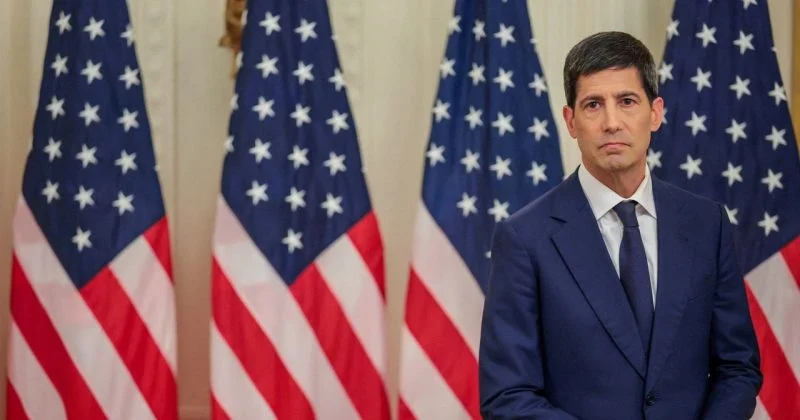
Sometimes the loudest move is standing still. On July 29, 2026, Federal Reserve Chair Kevin Warsh oversaw an FOMC meeting that kept the federal funds rate parked at 3.5% to 3.75%, a decision that, on paper, changes nothing. In practice, it may have tightened financial conditions more than an actual rate hike would have.
The vote was 9-3 to hold, meaning three members wanted to move rates higher. Warsh, who has occupied the chair since May 22, 2026, made a point of rejecting the word “pause” entirely. He called it a “rigorous review” of economic conditions, a rhetorical choice that tells you everything about where his head is at.
The paradox of a hawkish hold
The immediate reaction was predictable in one direction and surprising in another. Near-term rate hike probabilities actually fell after the meeting, suggesting traders believe Warsh isn’t pulling the trigger just yet. But long-term Treasury yields climbed, which is the part that matters for the real economy.
Short-term rates are what the Fed directly controls, but long-term yields are what actually determine the cost of mortgages, corporate borrowing, and capital investment. When those rise because the market believes inflation will persist and the Fed will eventually need to act more aggressively, the economy tightens itself.