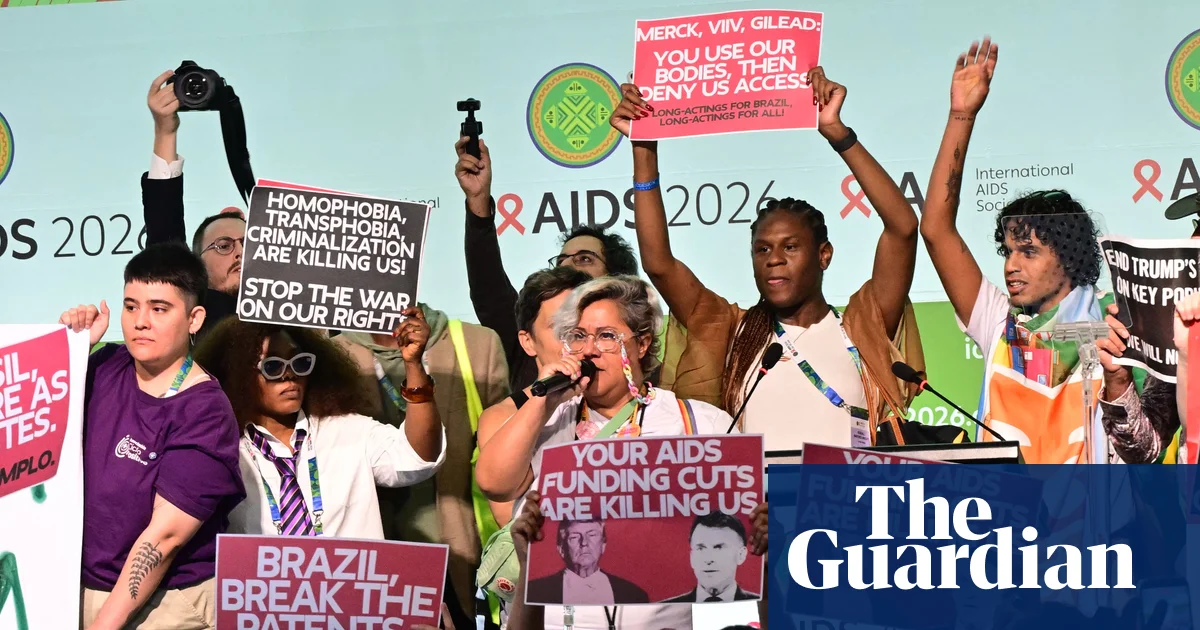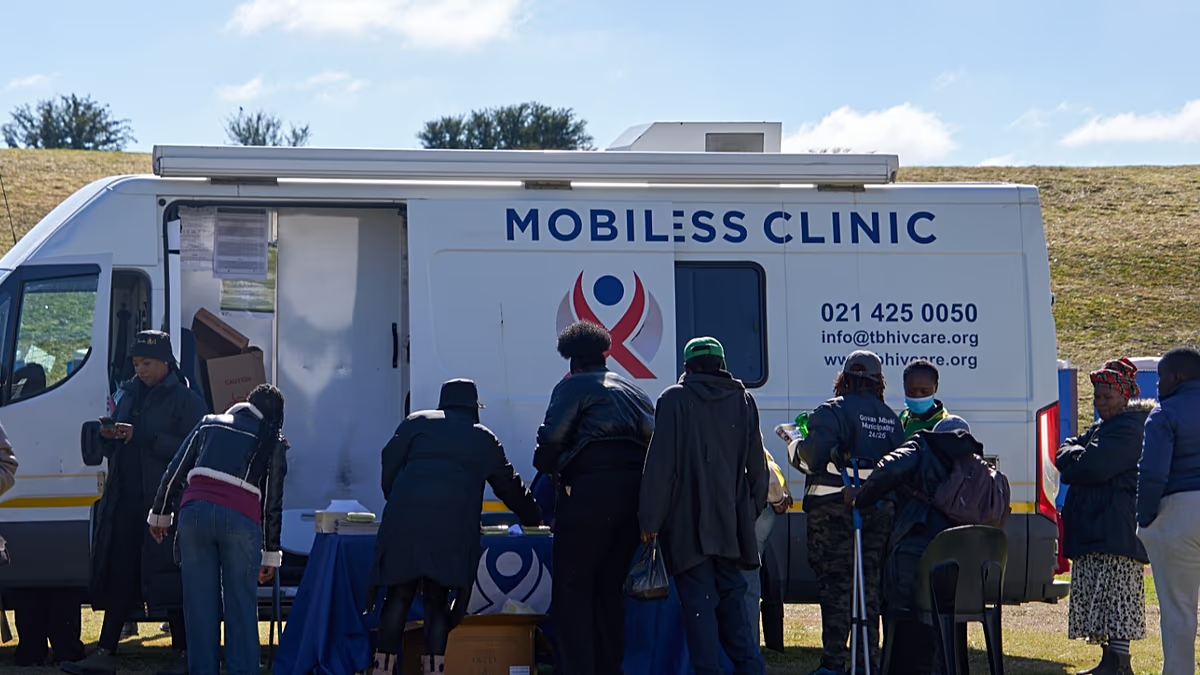
The recent cuts in the global HIV response threaten to unravel decades of progress, highlighting the need for moving beyond donor dependence, global health experts warn.
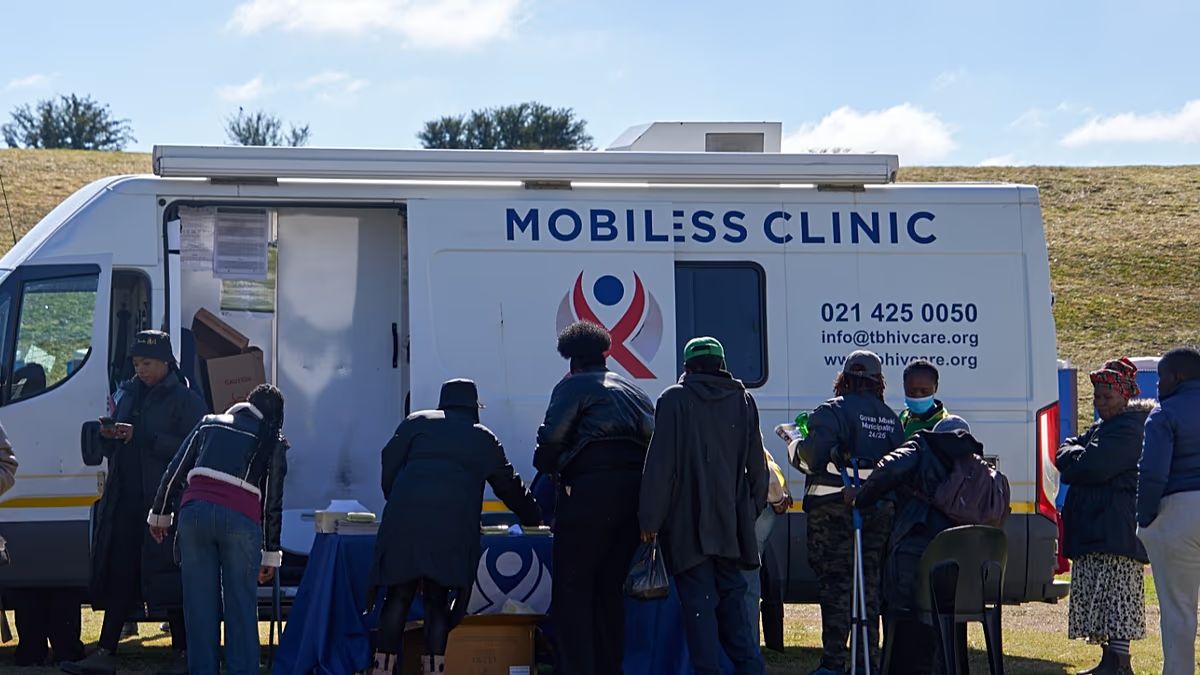
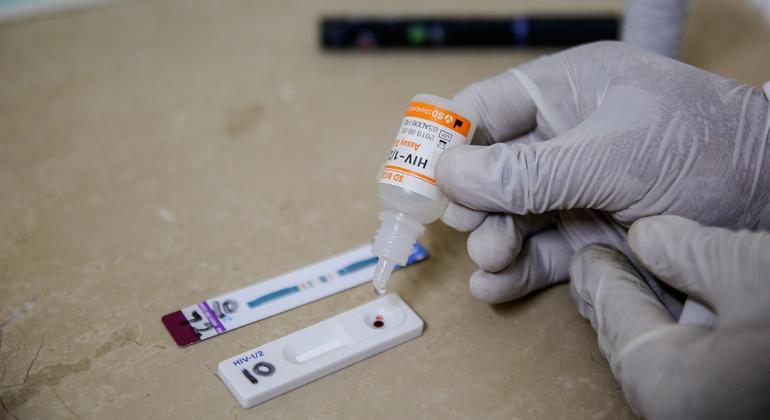
These cuts are severely impacting HIV prevention, testing and key components of treatment programmes, such as the range of community-led services that reach the people most affected by HIV, the Joint United Nations Programme on HIV/AIDS (UNAIDS) said in a new report.
Prevention programmes have historically relied heavily on donor assistance in most regions. But in 2025, external financing for the global HIV response in low- and middle-income countries fell by 18% compared with 2024, the largest decline in international HIV resources in almost 20 years.
“The donor funding allowed us to get to where we are now,” Mwelwa Phiri, expert in HIV/AIDS at the Antwerp Institute of Tropical Medicine and Zambart in Zambia, told Euronews Health. If the underfunding continues, Phiri added, the situation will “definitely go backwards.”
While the full effects of the funding cuts will become evident over the next few years, the effects are already being seen on the ground.