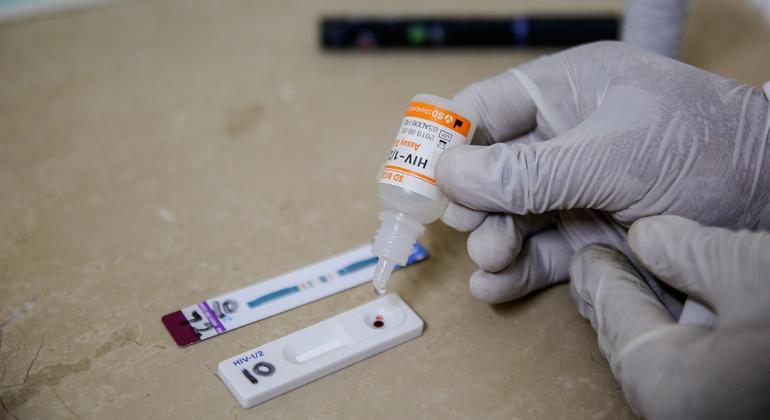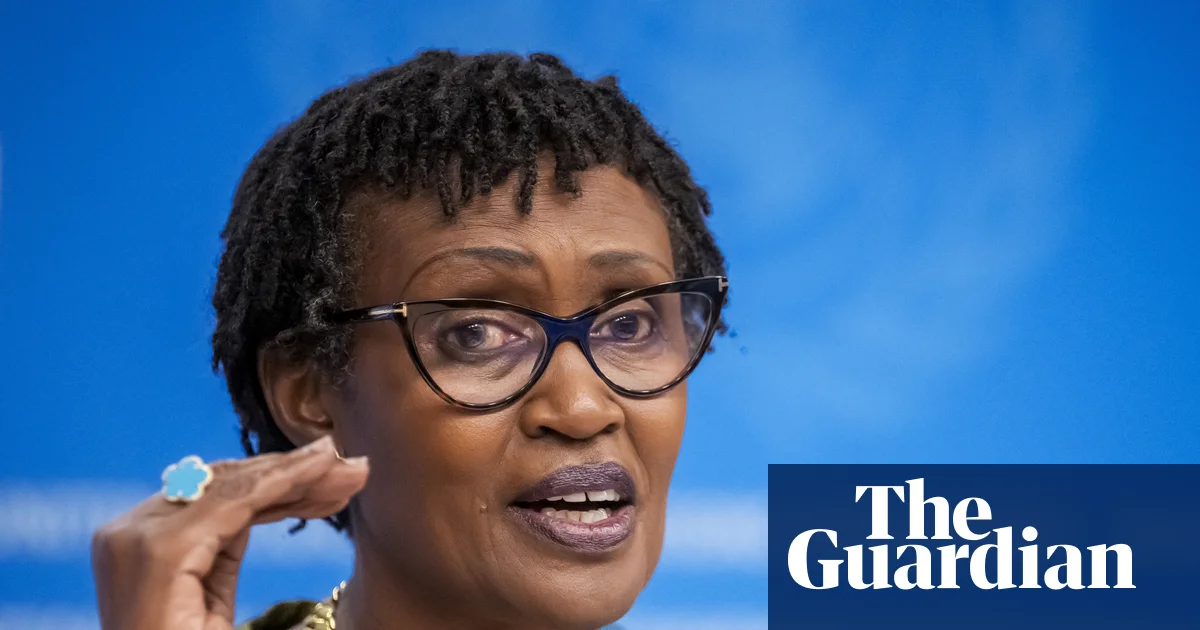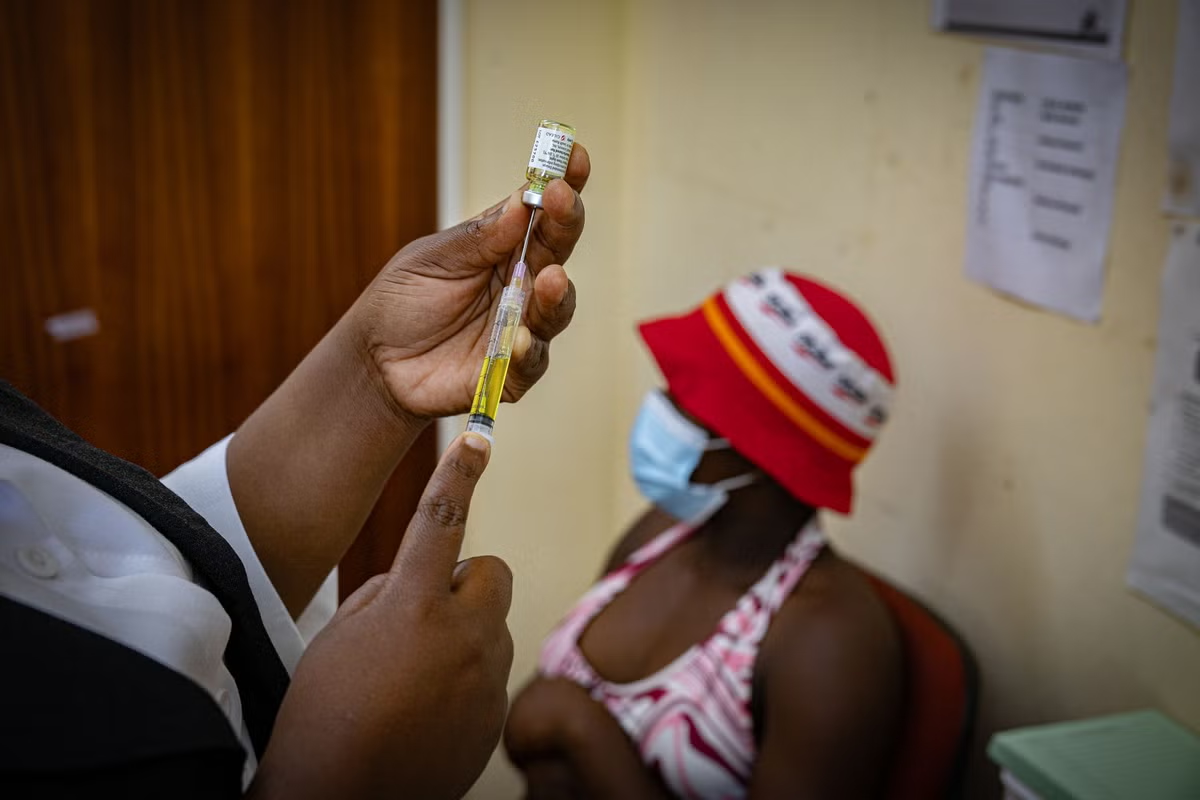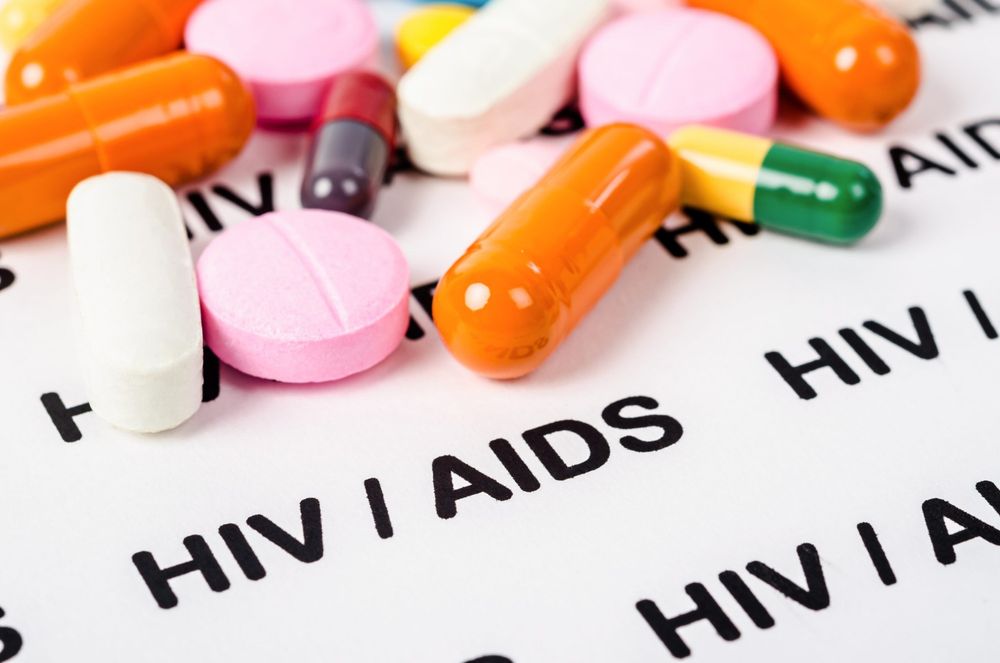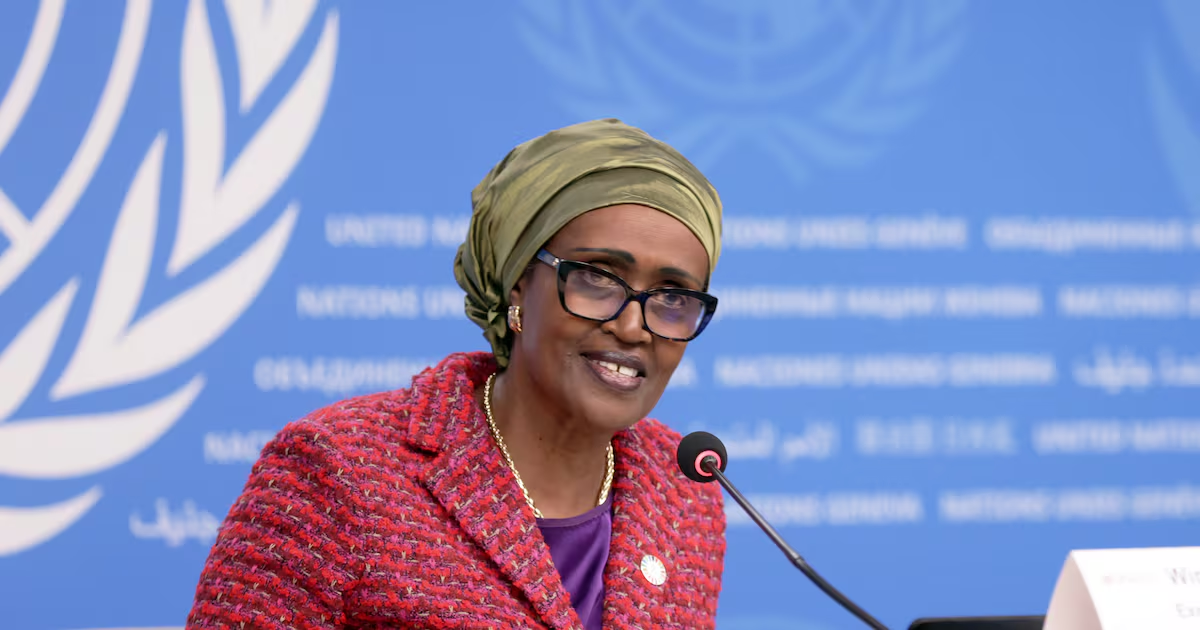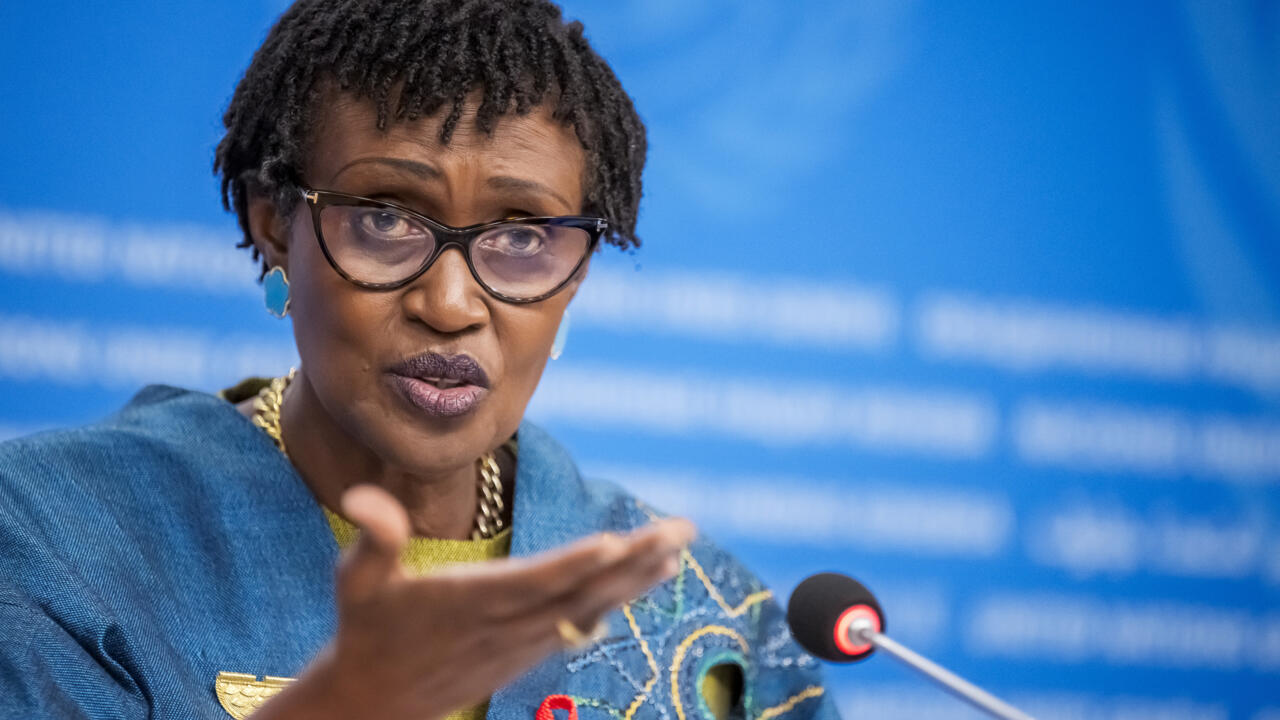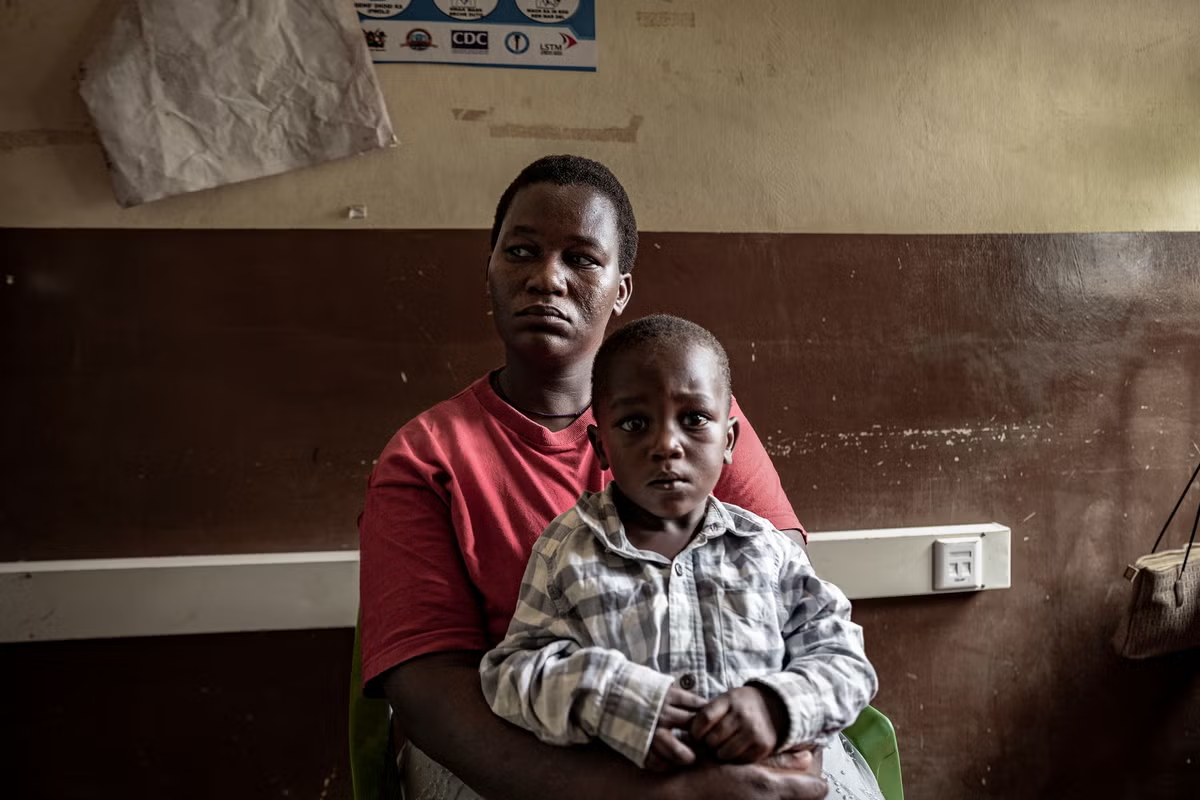
A recent UNAIDS report shows that external funding cuts, a strong pushback on human rights, and under-investment and under-prioritisation of HIV prevention and community services are threatening to reverse years of gains in the AIDS response. “There’s no question that this is the most serious disruption in the HIV response since the world came together to fight this disease,” said Winnie Byanyima, Executive Director of UNAIDS. “The funding cuts, combined with the reduction in civic space and the further criminalisation of marginalised populations have come together to create the biggest storm the HIV response has ever seen.” Dramatic cuts in aid that highly burdened, low-income countries depend on for their HIV response have had a devastating impact. Global development assistance from multiple countries fell by 23 per cent in 2025 — the sharpest drop on record — and HIV programmes have been hit hard, the agency said. HIV prevention is being dismantled at the very moment the world needs to take it to scale, especially with new, revolutionary, long-acting prevention innovations coming to market, the note said.HIV response has been the most successful story in global health over the last 25 years, as AIDS-related deaths have been reduced by 56 per cent — from 1.3 million in 2010 to 570,000 in 2025. But this success is fragile — nearly 9 million people are not on treatment.“We know how to end AIDS,” said Byanyima, “The question now is political: will we invest, or will we retreat? If we follow the global AIDS strategy and UN member states commit to adopting a strong political declaration to guide the response over the next five years, we can still end AIDS by 2030. However, if we fail to act, we risk reversing decades of hard-fought progress.”Published on June 15, 2026
Fragile success of HIV response
UNAIDS warns that funding cuts and human rights setbacks jeopardize fragile progress in the global HIV response.
296 words~1 min read