‘Perilous moment’ threatens to reverse years of gains in HIV/AIDS response
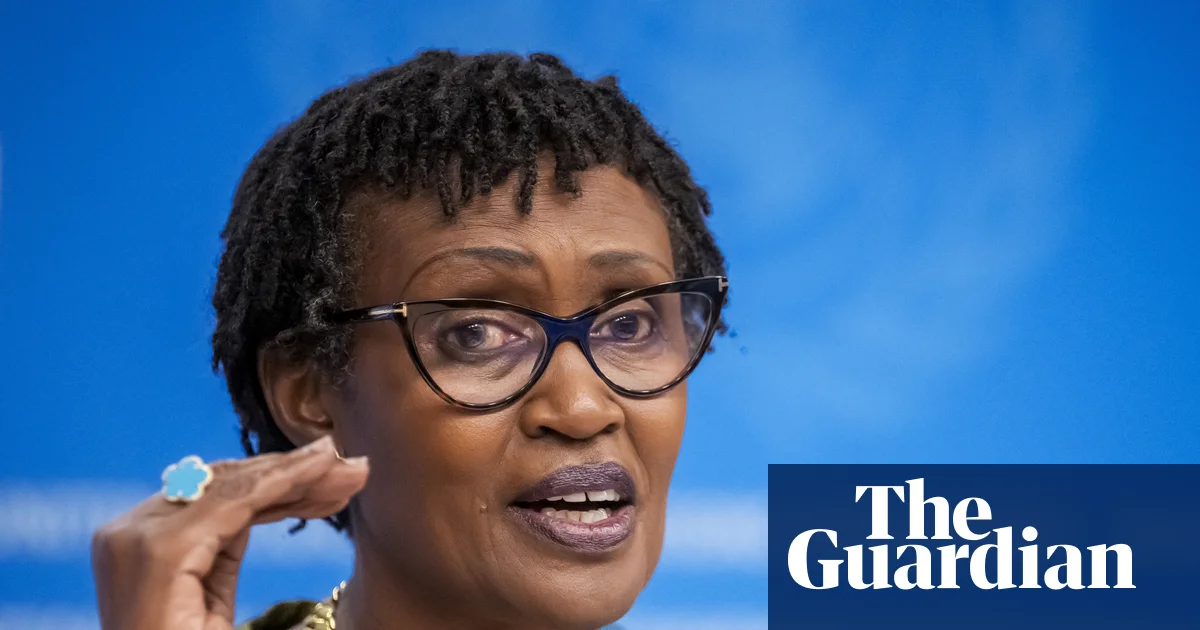
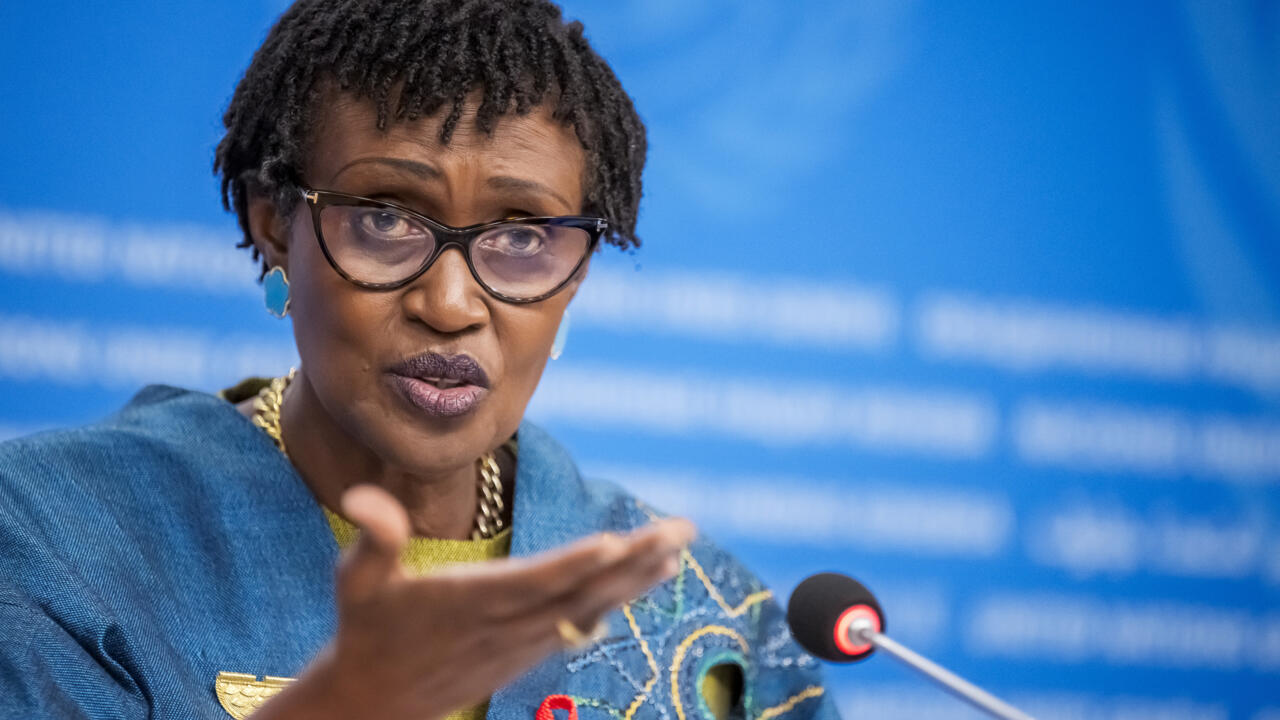
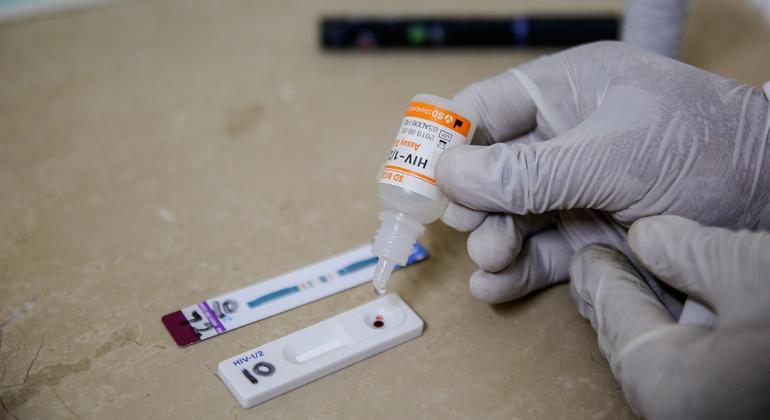
“There’s no question that this is the most serious disruption in the HIV response since the world came together to fight this disease,” said Winnie Byanyima, Executive Director of UNAIDS.Every week, 3,000 adolescent girls and young women in sub-Saharan Africa acquire HIV, one of the clearest signs the world is failing to reach some of the most vulnerable populations. “The funding cuts, combined with the reduction in civic space and the further criminalisation of marginalised populations have come together to create the biggest storm the HIV response has ever seen,” she said.People are unable to access treatment and the virus continuing to spread, UNAIDS found.Sharp drop in global assistanceHere are some key points from the Global AIDS brief - United to end AIDS:Global development assistance from multiple countries fell by 23 per cent in 2025, the sharpest drop on recordHIV programmes have been hit hard, with testing programmes dropping by 22 per cent in high-burden settings between 2024 and 2025Funding for condoms has been cut by more than 90 per cent in some cases.In 2025, two additional countries introduced criminalisation related to same-sex sexual activity, and one country increased penalties for same-sex sexual activity in 2026PrEP (daily medicine to prevent HIV) uptake dropped sharply falling by 38 per cent between 2024 and 2025 in 62 countries reporting to UNAIDS. Read the full report here.Rights rolled back as prevention, care dismantledThe report also shows a dangerous rollback of rights, with criminalisation of marginalised populations increasing for the first time since UNAIDS began tracking these trends.