World at ‘perilous moment’ as leaders warn HIV gains are at risk
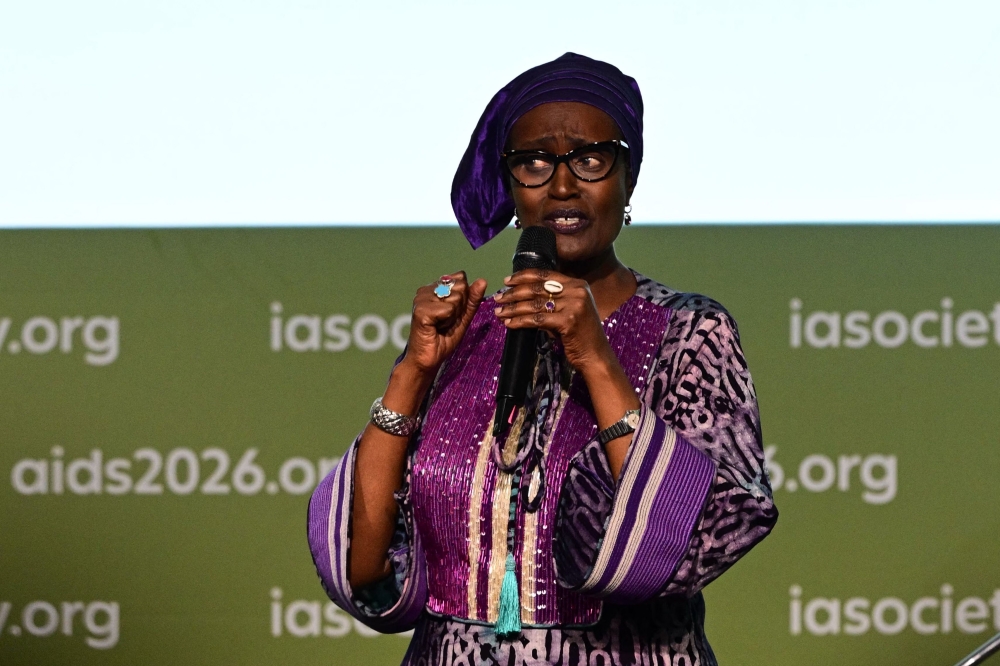
At the High-Level Meeting on HIV/AIDS, held every five years since 2001, speakers urged governments to recommit to ending AIDS as a public health threat by 2030 and adopt a new Political Declaration to guide the global response over the next five years. UN Deputy Secretary-General Amina Mohammed reflected on the extraordinary progress achieved through decades of global cooperation. “In the 45 years since the first case of AIDS was reported, the world has demonstrated uncommon resolve and solidarity,” she said, speaking on behalf of Secretary-General António Guterres, That effort helped reduce AIDS-related deaths by 70 per cent since their peak in 2004 and brought lifesaving antiretroviral treatment to more than 32 million people worldwide.
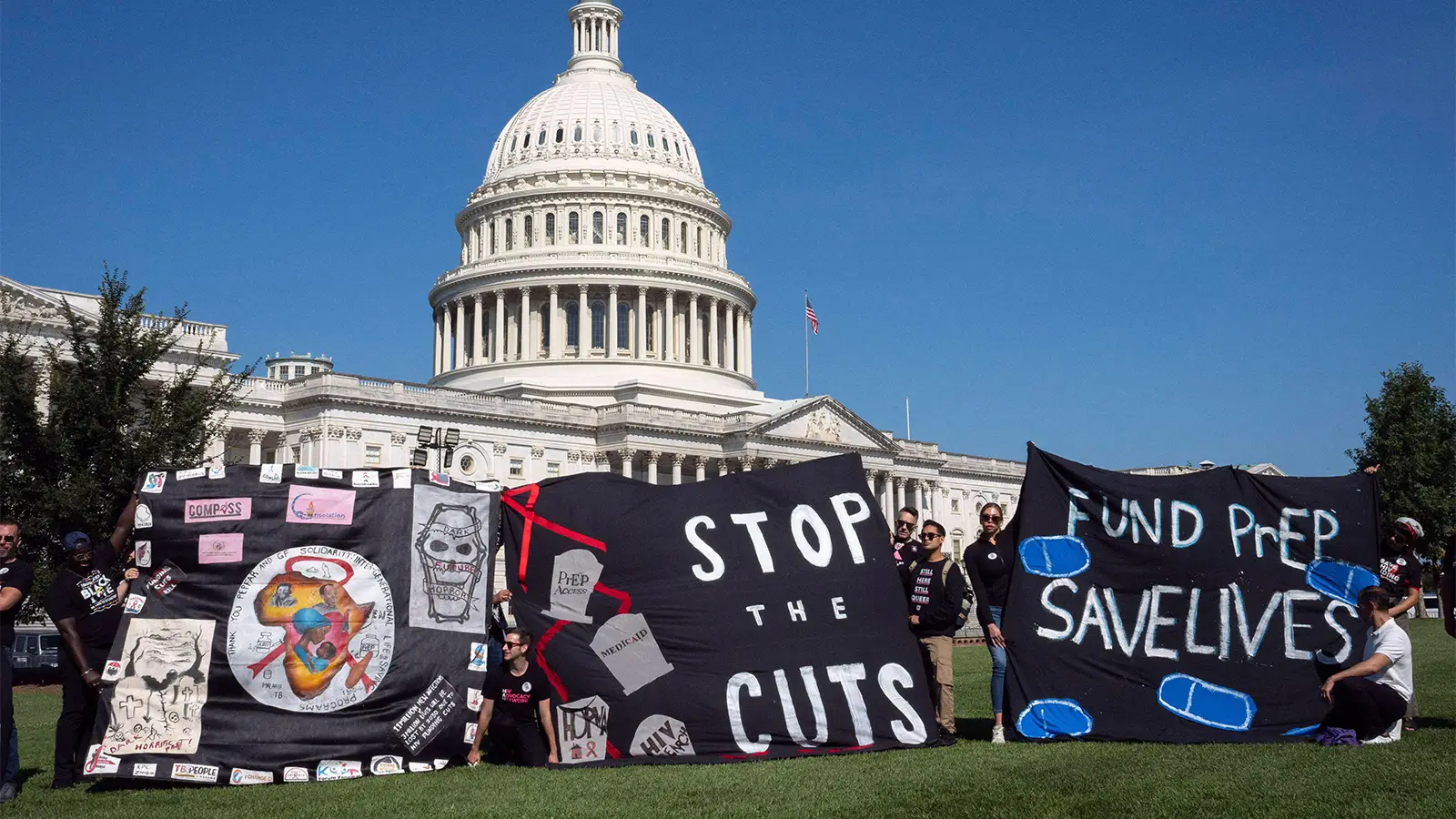
Progress under pressure But Ms. Mohammed warned that progress remains uneven and fragile. By the end of 2024, 9.2 million people still lacked access to HIV treatment, while 1.3 million people acquired HIV and 630,000 died from AIDS-related causes. “Funding cuts are directly affecting prevention efforts, and the community systems that are so essential to the response,” she said. The Deputy Secretary-General called for renewed action across five priority areas: expanding access to prevention and treatment, strengthening community leadership, protecting human rights, increasing financing and reviving international cooperation. “Human rights and equality must continue to guide our response,” she said, warning that stigma, discrimination and shrinking civic space continue to place lives at risk. Listen to our interview with Mandeep Dhaliwal of the UN Development Programme (UNDP) who underlines why the world is at a critical point for HIV response.