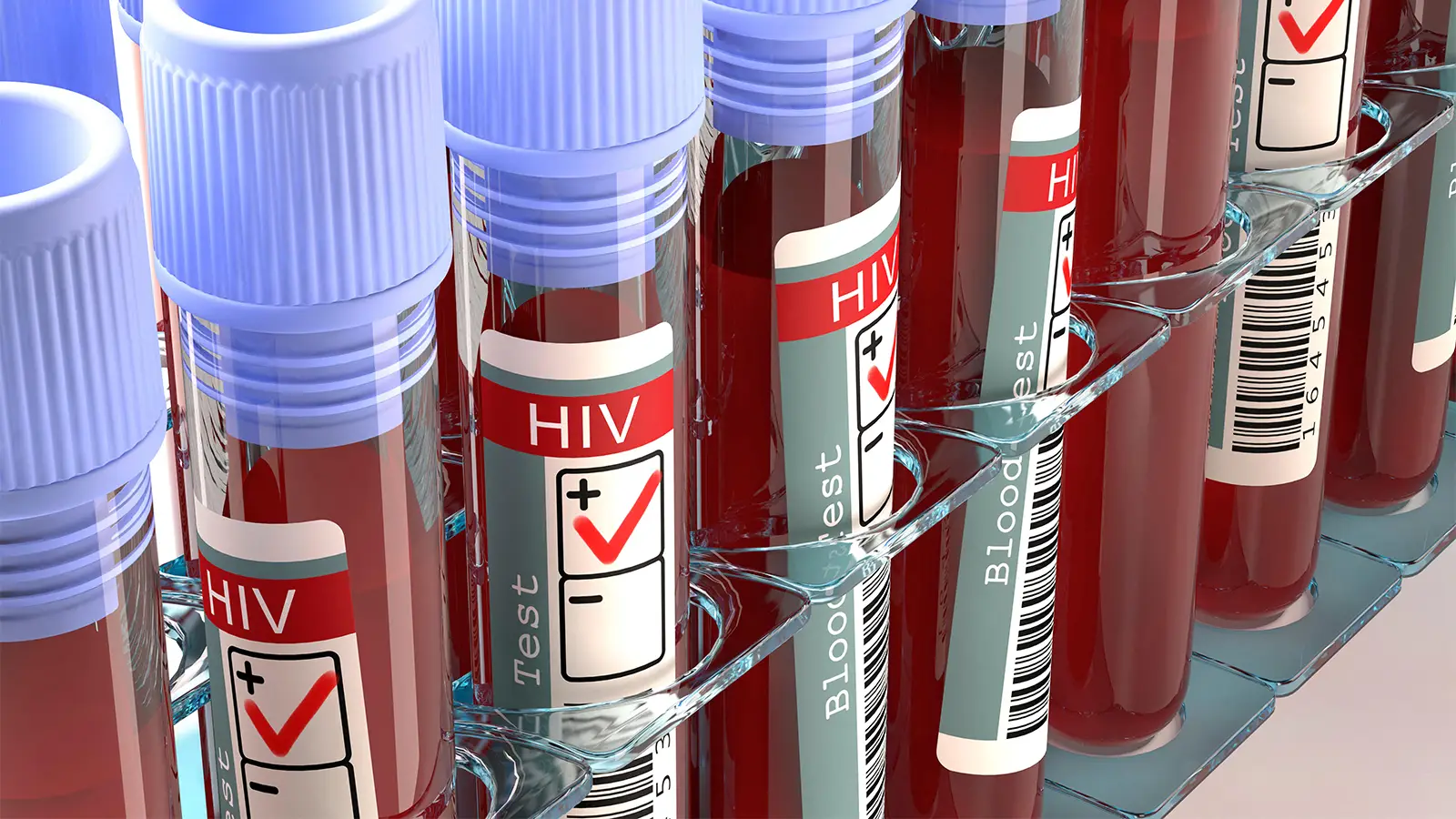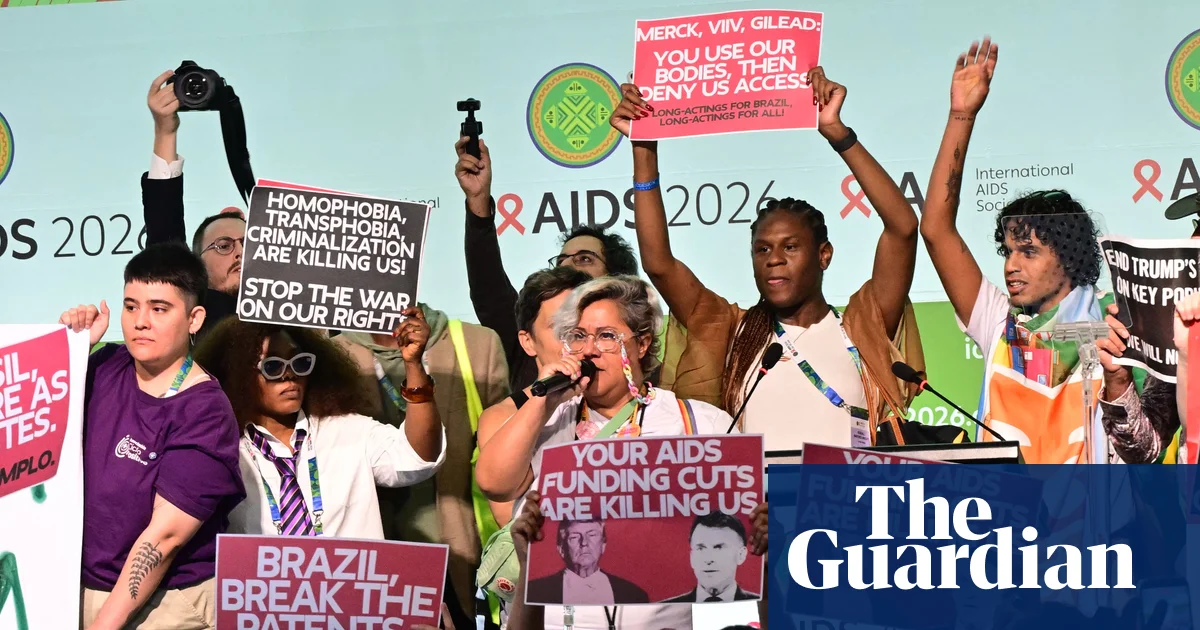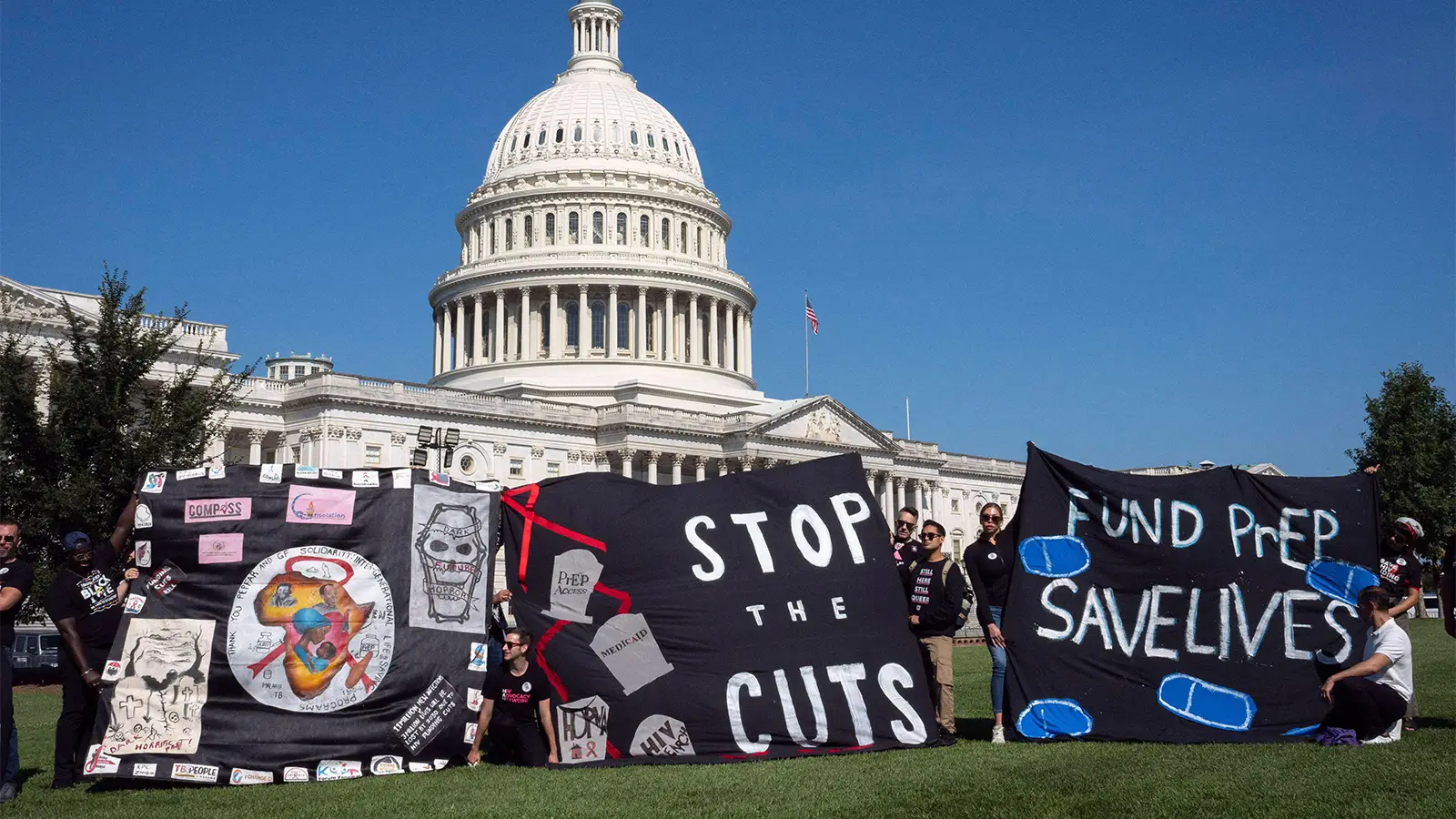
Last week, the United Nations (UN) issued a declaration renewing its call to eliminate of HIV/AIDS by 2030, to be accomplished in part by boosting spending on eradicating the disease in lower- and middle-income countries. The U.S. was one of eight countries that didn't sign the declaration.
The UN action was the latest in a string of efforts to end an epidemic that began 47 years ago, in 1981. "Let me just make a promise to those children and all others who have contracted this disease: I will do all that God gives us the power to do to find a cure for AIDS," President Ronald Reagan, who had just visited a pediatric AIDS ward, said in a speech to the Presidential Commission on the Human Immunodeficiency Virus Epidemic in July 1987, the first year he addressed the issue publicly. "We'll not stop, we'll not rest, until we've sent AIDS the way of smallpox and polio."
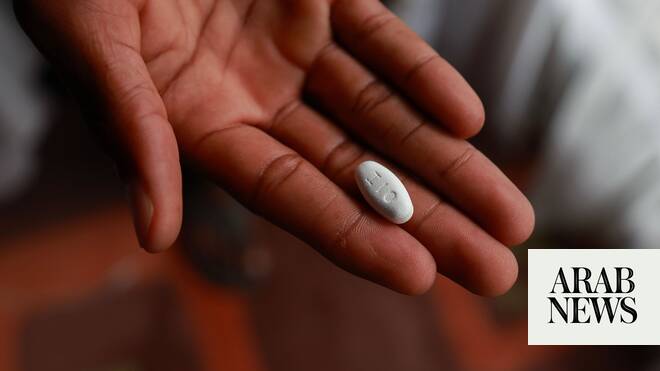
Following the introduction of the first antiretroviral drug that same year, HIV has gradually gone from being a near-universal death sentence to a manageable chronic disease. The addition of pre-exposure prophylaxis (PrEP) drugs has also greatly reduced the virus's spread. But despite these innovations, the disease remains a problem, with more than 32,000 Americans diagnosed with HIV annually. So why hasn't it been eradicated by now?