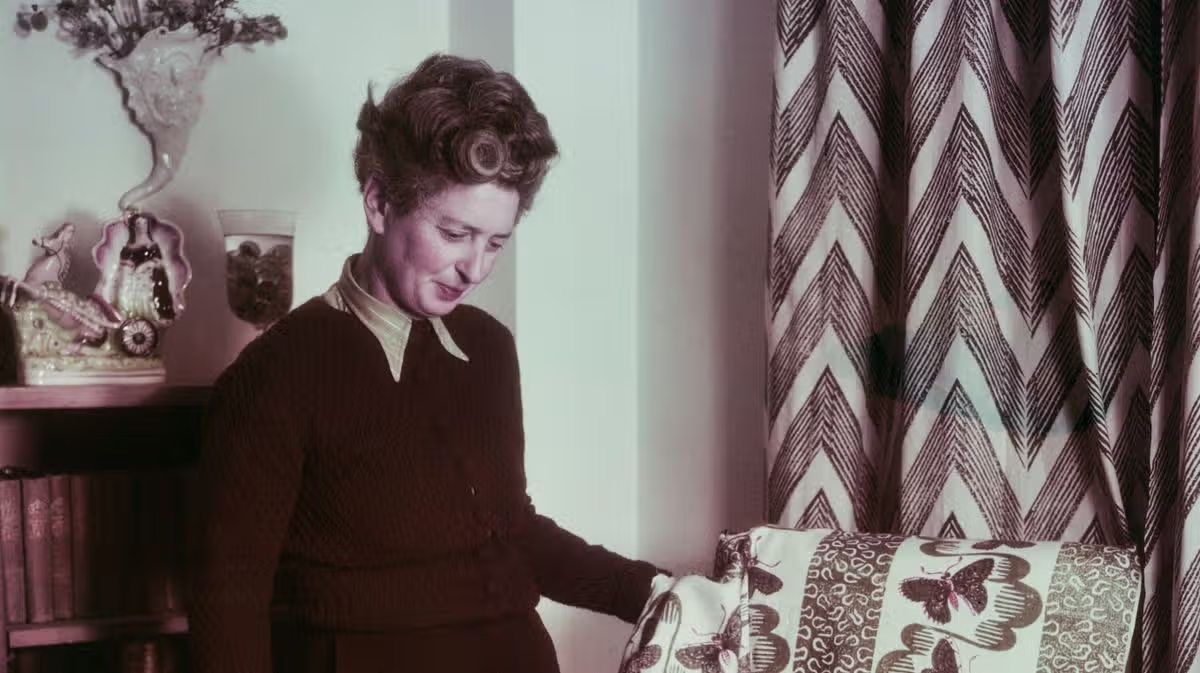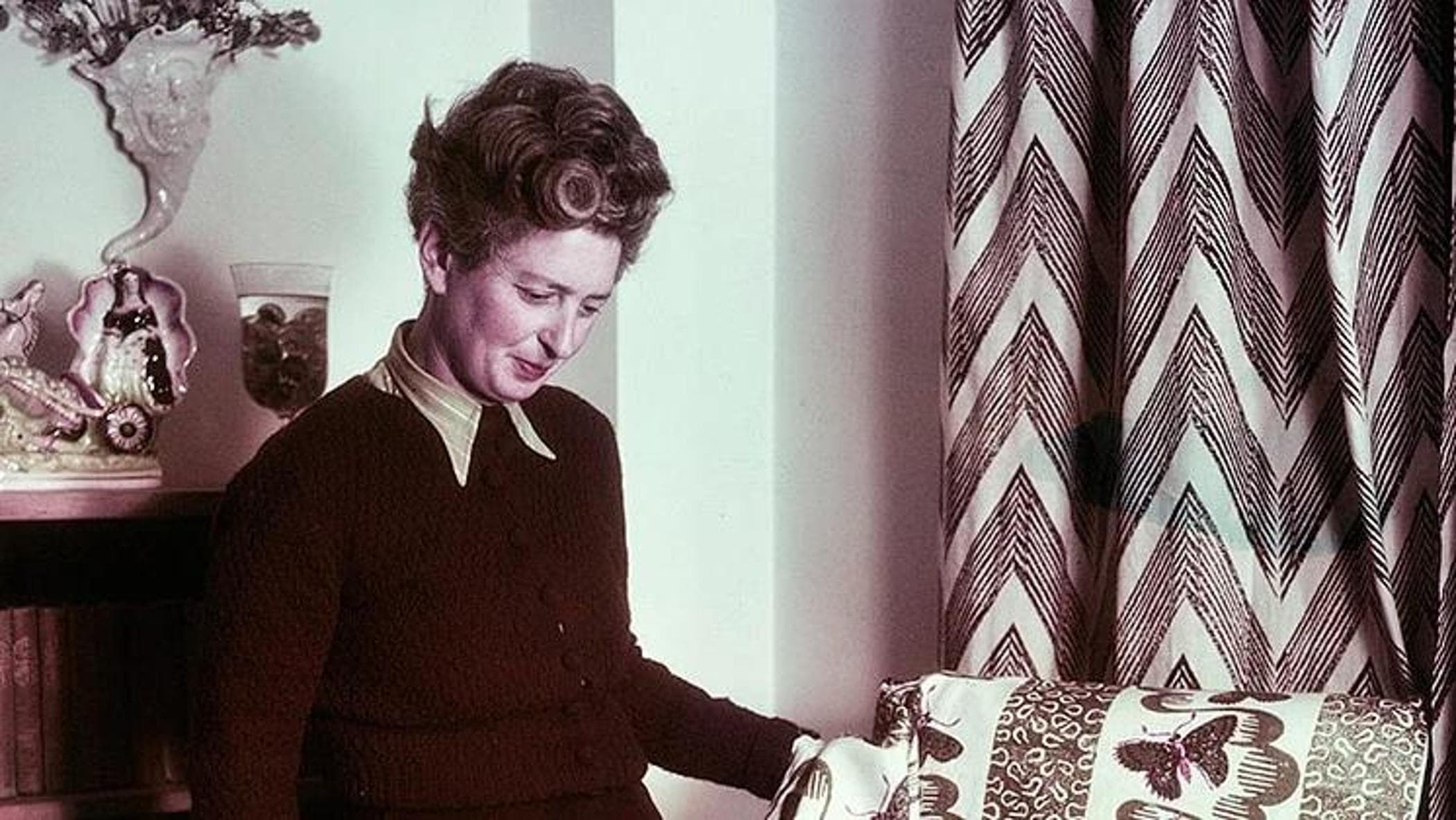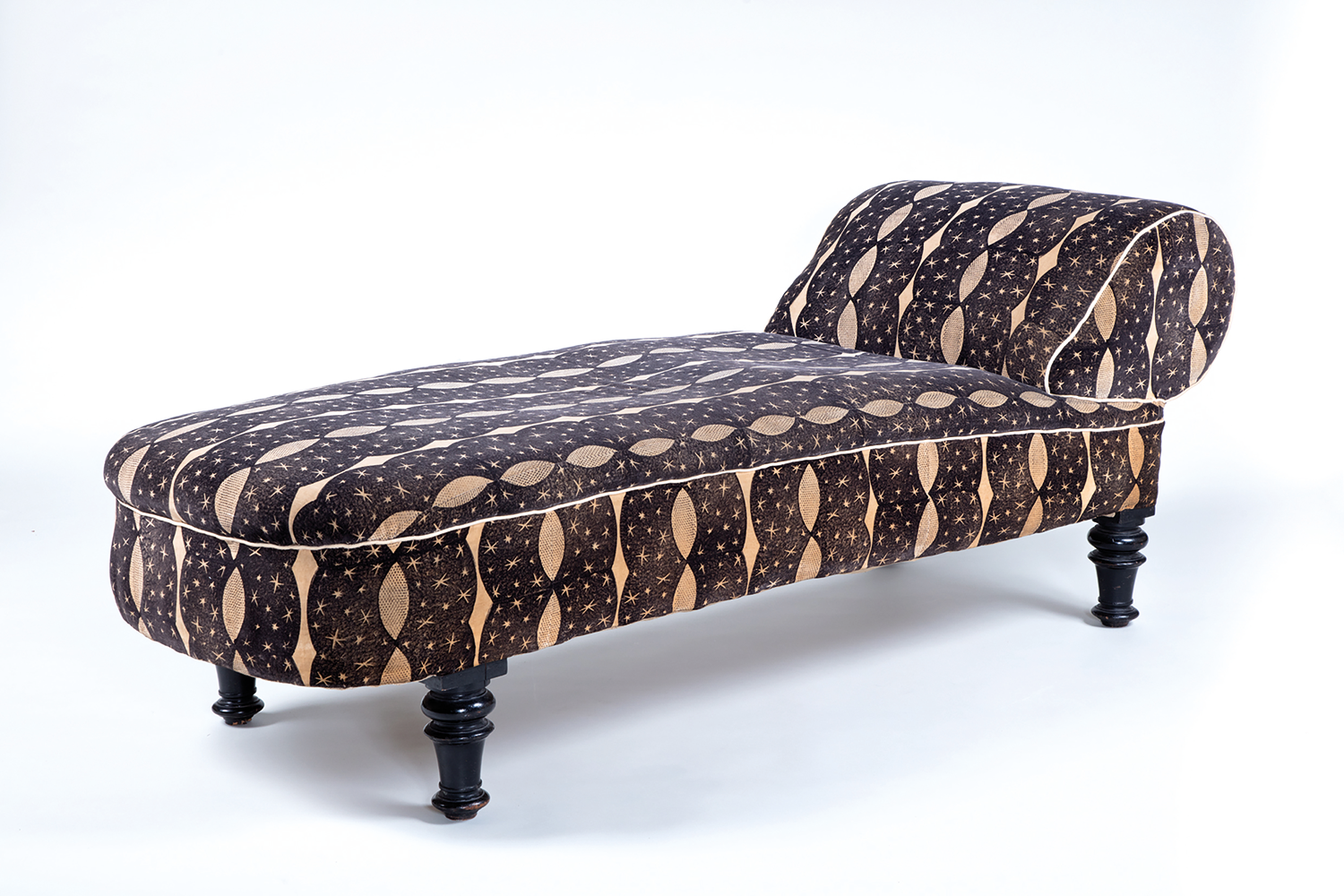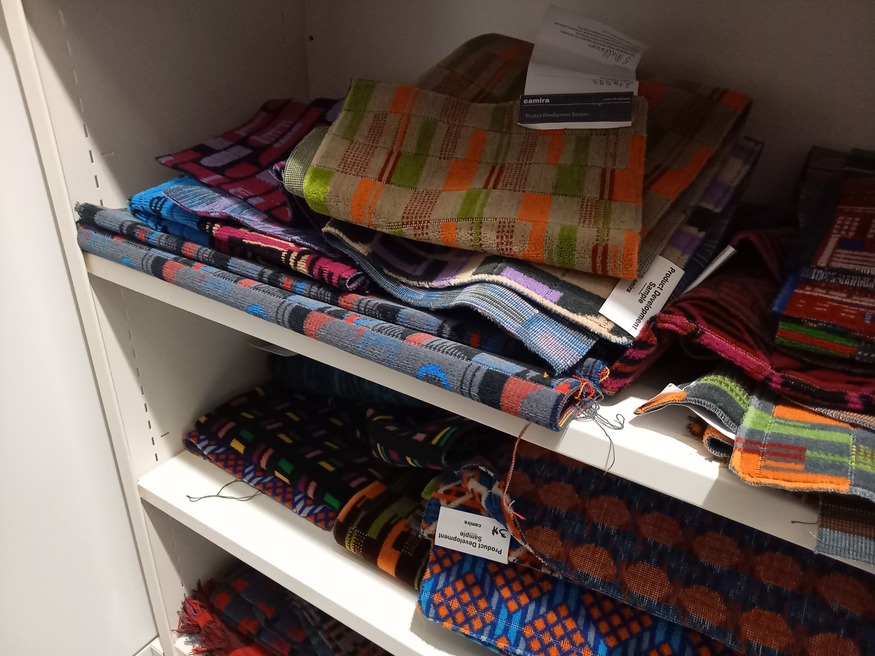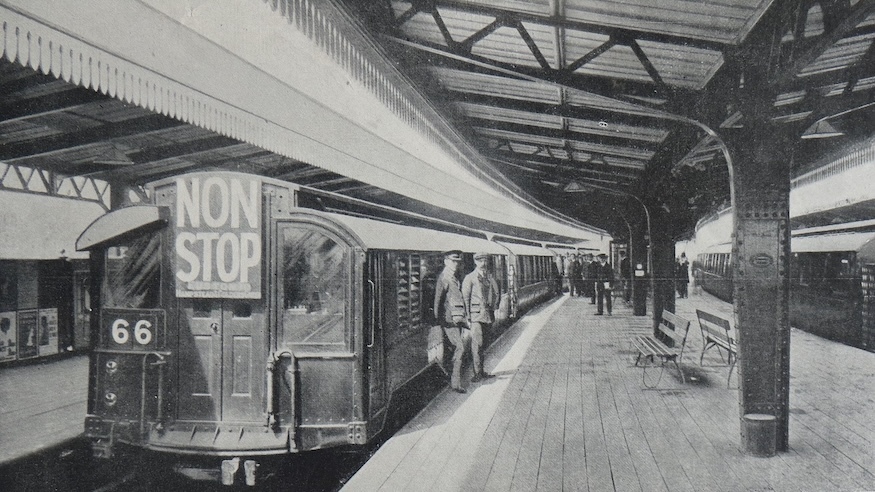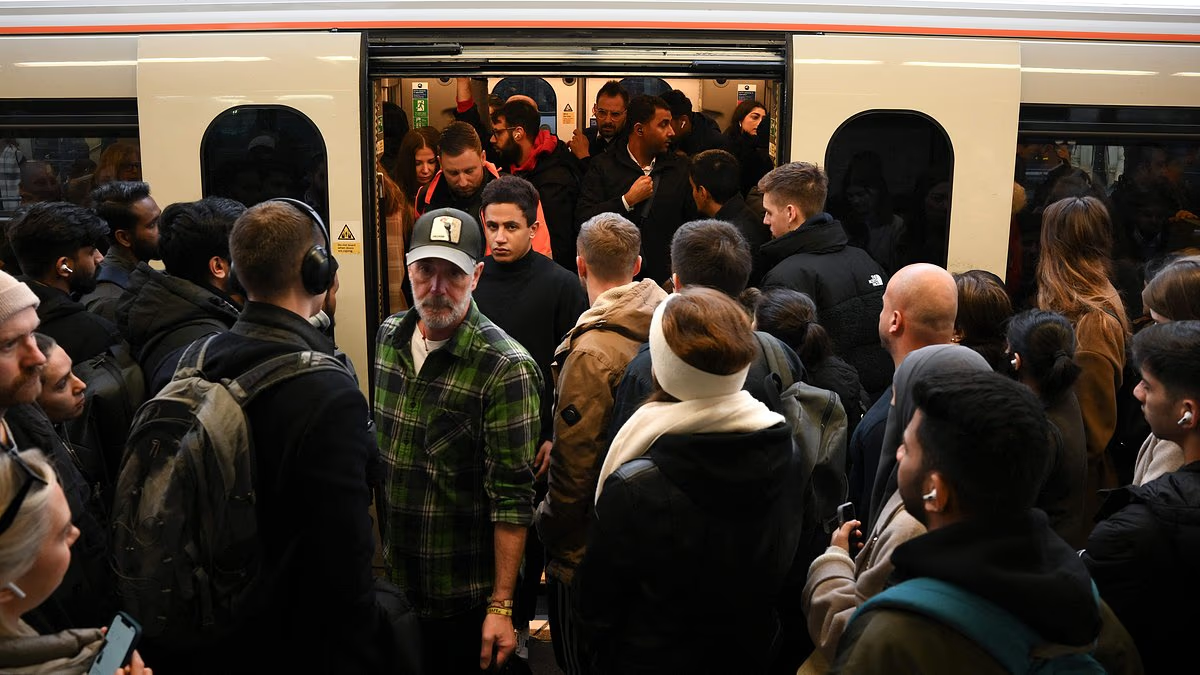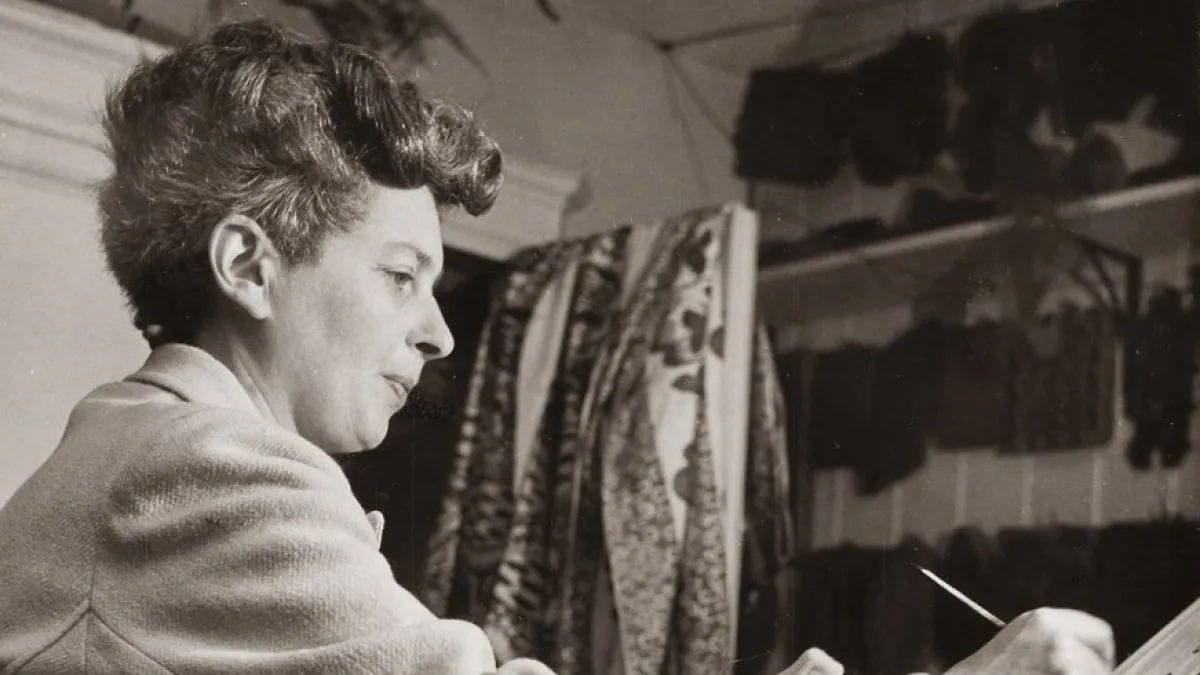
It will come as a surprise to absolutely no one that hiding the dirt well is a longstanding non-negotiable for designers of London Underground seat coverings. You might even wonder why our great capital has so stubbornly resisted the wipe clean seats increasingly favoured in other cities. The answer is at least in part to be found at Compton Verney, Warwickshire, currently host to an exhibition on Enid Marx, the artist-designer whose distinctive Underground seat fabrics from the 30s and 40s put London Transport on track as an unlikely beacon of British style.
Marx was already a designer of some standing when in 1936, she came to the attention of Christian Barman, publicity officer for the London Passenger Transport Board (aka London Transport), and “the interior designer of the trains”, as Marx put it. Barman operated under the leadership of the inimitable Frank Pick, who oversaw the creation of London Transport in 1933, which transformed the capital’s disparate public transport services into a single entity. Pick was responsible for all aspects of its enduring identity: he commissioned the distinctive Johnston typeface still used today across the network, the celebrated posters of the 20s, the London Underground roundel, and Harry Beck’s famous Tube map, designed in 1933.